Comparing Membrane Plate Filter Press vs Traditional Filter Press: Which One Is Better?
Comparing Membrane Plate Filter Press vs Traditional Filter Press: Which One Is Better?
Understanding Filter Press Technologies: Traditional vs Membrane Plate Filter Press
- Understanding Filter Press Technologies: Traditional vs Membrane Plate Filter Press
- Performance & Efficiency Comparison Between Membrane Plate and Traditional Filter Press
- Application Suitability: Which Filter Press Fits Your Industry Needs?
- Cost, Procurement, and Supplier Considerations for B2B Clients
- Decision-Making Guide: Choosing Between Membrane Plate and Traditional Filter Press
- Conclusion
- FAQ
- Partner with Jingjin for Advanced Membrane Plate Filter Press Solutions
- References
Commercial membrane plate filter presses outperform traditional ones. Modern membrane filter presses separate particles from liquids better due to decreased cake moisture, faster cycle times, and higher operating efficiency. This innovative method will reduce garbage disposal costs, boost output, and enhance mining, chemical processing, and wastewater treatment environmental compliance. Industries including food preparation, chemical manufacturing, and wastewater treatment depend on filter presses for product quality and speed. Choosing a membrane plate or a plate and frame filter press affects filtering efficiency and cost. This comparison compares technical, commercial, and strategic factors that B2B procurement managers must consider to optimize filtering and meet industry goals.
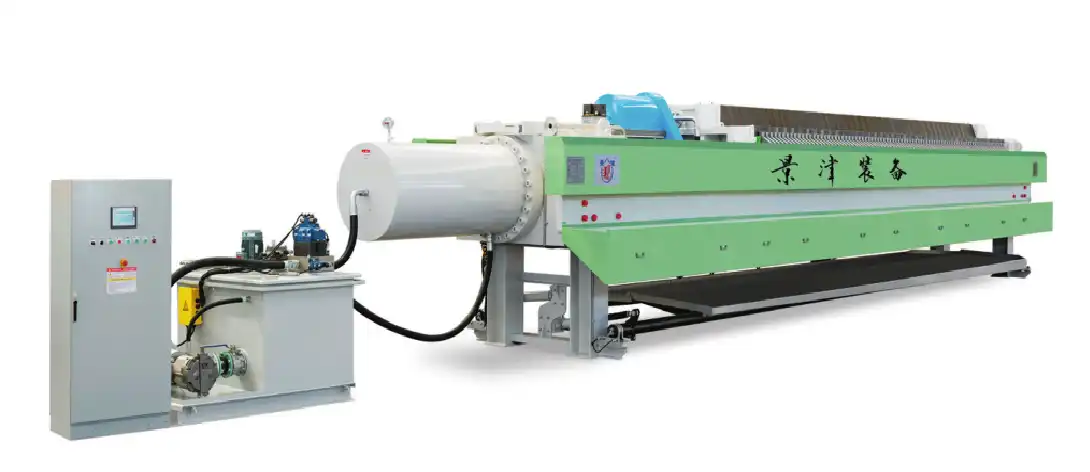
Understanding Filter Press Technologies: Traditional vs Membrane Plate Filter Press
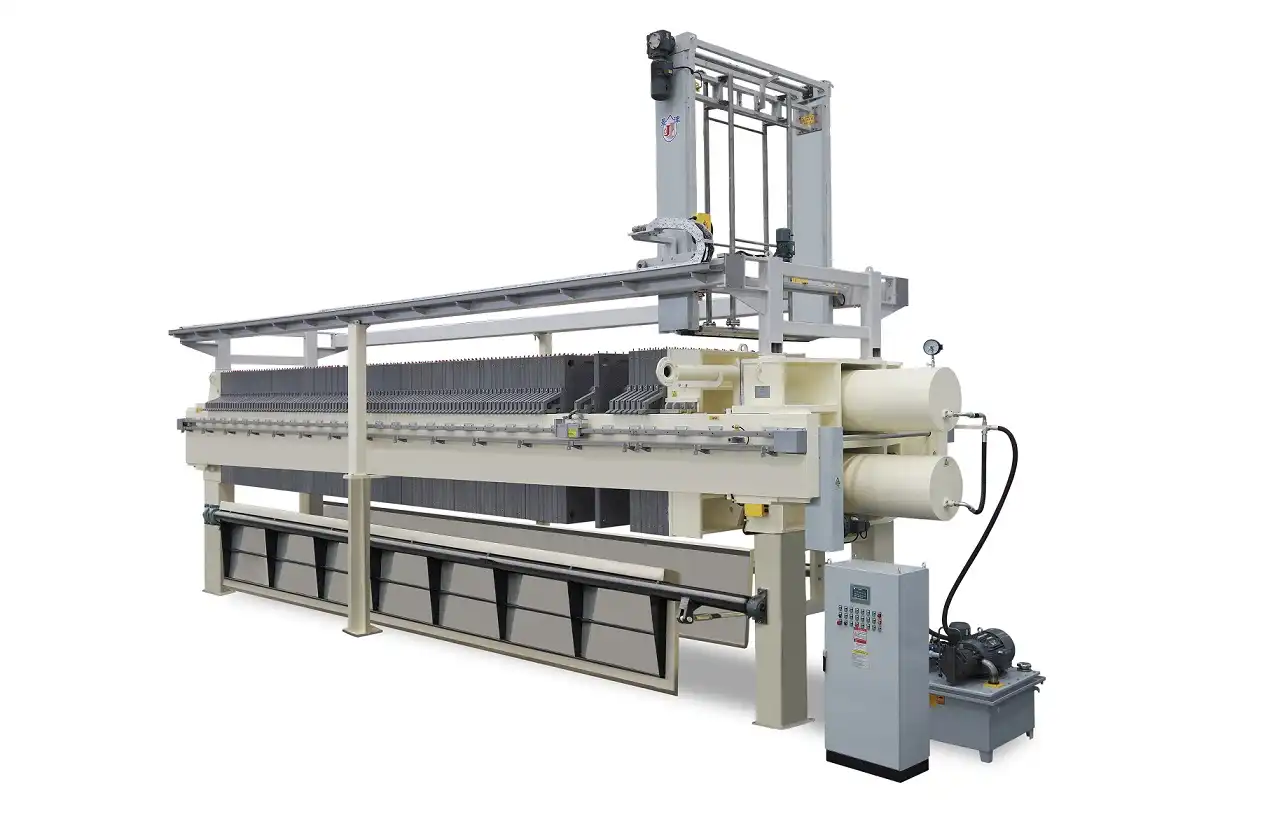
The industry has traditionally used plate and frame filter presses. Mechanical compression separates liquids and solids. Filter cloth between stiff plates transports slurry. Filter cakes develop in chambers. Mechanical near force squeezes some cake, but the cycle and dryness are restricted.
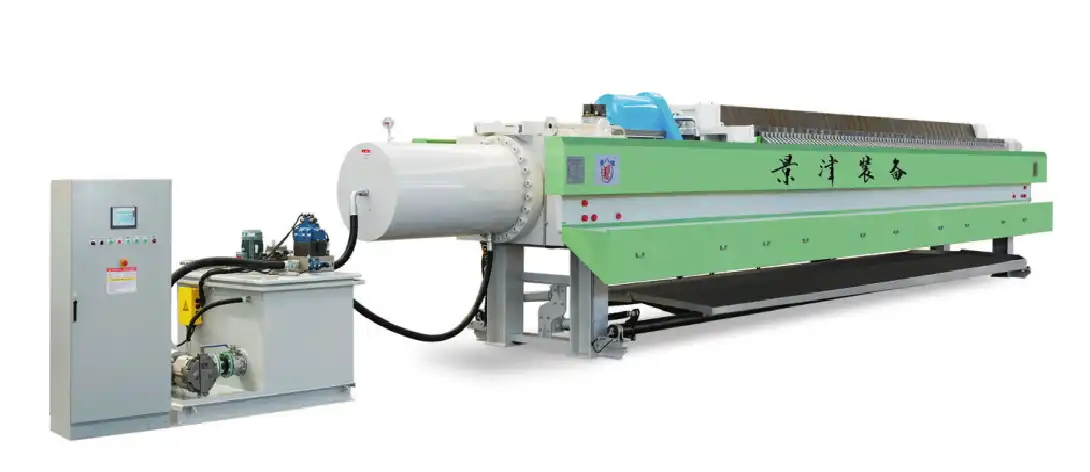
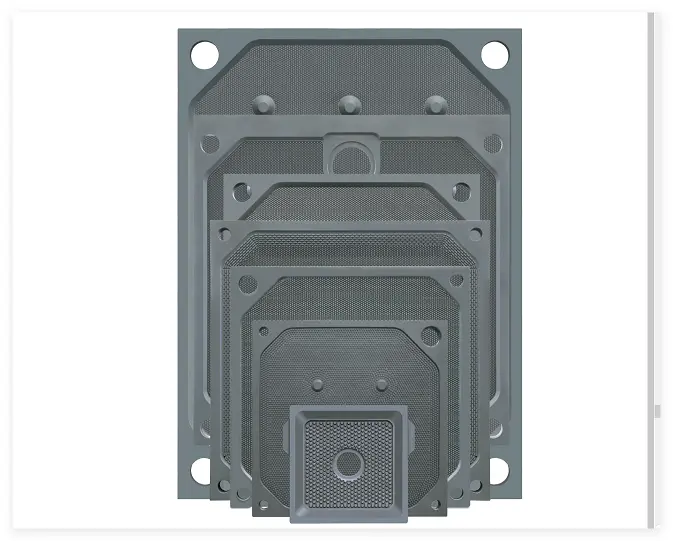
The membrane plate filter press improves solids-from-liquids. After the cake develops, flexible membranes in the filter plates compress it further. The filter cake is equally compressed by membrane expansion. Water that other systems can't remove is compressed.
Key Design Innovations in Membrane Technology
More advanced membrane filter press systems offer various benefits. Inflate the membrane plates' flexible diaphragms with air or water. Squeezing adds 16 bars (232 psi). This second compression significantly lowers cake moisture compared to mechanical compression.
Membranes are chemically compatible in many sectors. Elastomers can tolerate harsh chemicals and several inflations and deflations. These materials have been extensively studied in chemical and wastewater treatment plants.
Operational Mechanisms and Cycle Efficiency
Understand how these technologies differ to see why membrane systems always outperform alternatives. Traditional filter presses hydraulically compress filter cakes to 15–25% moisture content, depending on the material. No matter how long you press, technology minimizes moisture loss.
Double-squeeze membrane filter presses work effectively. Unlike other procedures, membrane inflation improves dewatering after the initial filtration. This second compression may reduce moisture by 3–8%, influencing processing and removal costs.
Performance & Efficiency Comparison Between Membrane Plate and Traditional Filter Press
Membrane plate filter presses perform better in numerous operating characteristics. Improved membrane squeeze collects more particles and produces cleaner filter cakes, increasing filtering efficiency. Industry data suggests membrane systems dewater 20–30% better than regular methods, which is realistic.
The membrane method uniformly distributes filter cake pressure. This removes older systems' uneven compression. This uniform compression maintains cake thickness and moisture throughout the room, enhancing predictability and quality.
Filtrate Quality and Solids Recovery
Since membrane devices compress cakes better, they provide cleaner filtrate. Stronger compression eliminates filter cake channels, lowering filtrate particles. This change is good for using clear filtrate to make pharmaceuticals or food.
Standard membrane solids collection rates improve 2–5%. Therefore, this strategy decreases waste and enhances product reuse. Recovery must be enhanced since pharmaceutical intermediates and rare metal concentrates are expensive.
Energy Consumption and Lifecycle Cost Analysis
A lifetime cost study shows that membrane plate filter presses are economically feasible despite needing more energy to expand the membrane. It uses 5–10% more energy than standard systems. Mostly for the membrane inflation cycles' air generator needs.
These little energy consumption increases are countered by huge business savings. Current technology can perform more with quicker cycle times; thus, filter press capacity isn't necessarily needed. Smaller rounds reduce labor expenses and increase building efficiency. Different technologies need upkeep. Membrane systems make cake release easier, but they need regular maintenance.
Maintenance and Operational Reliability
Due to cake release, membrane filter presses are easier to clean. The whole cake may be removed easily because membrane expansion creates a space between the cake and plate sides. Enhancement reduces downtime and maintenance expenses. Reducing handwashing protects workers.
The membrane should be checked every 12–18 months, depending on application complexity. Good membranes may last 50,000–100,000 expansion cycles. Durable materials and improved closure procedures make modern membranes last longer and perform better.
Application Suitability: Which Filter Press Fits Your Industry Needs?
Filtration challenges differ by industry, impacting tech choice. You may pick the right filter press technology by examining application needs.
Wastewater Treatment and Sludge Dewatering
Membrane plate filter presses dewater municipal and commercial sludge, affecting disposal costs and environmental compliance. Enhanced moisture removal decreases sludge discharge to 15–20% dry solids from 12–15% in normal systems.
This performance advantage becomes more important as disposal prices increase and environmental rules tighten. Many facilities claim 20–30% fewer trash truck trips after switching to membrane technology. Saves money and decreases environmental impact. Membrane systems work with all sludge types, making them suitable for several waste streams.
Chemical and Pharmaceutical Industries
Chemical processing uses membranes to clean and moisten products. Due to drainage, later drying is cheaper and delivers better quality. Due to more cake washing during squeezing, membrane devices are cleaner.
Membrane technology cleans and matches materials for pharmaceutical companies. Better cake release makes cleaning between batches easier, fulfilling strict quality control standards. Membranes that can tolerate harsh cleaning chemicals and stay intact after sterilization are available.
Mining and Mineral Processing
For high-pressure and abrasive materials, mining needs heavy-duty filtration. An effective membrane filter pushes clean tailings, filters concentrates, and recovers process water. Better dewatering lowers waste and boosts water return.
This method optimizes rare metal product performance. Membrane systems increase product quality by removing more impurities during pressing. The higher starting cost is mitigated by higher output value and lower processing costs owing to efficiency gains.
Cost, Procurement, and Supplier Considerations for B2B Clients
When selecting a membrane or traditional filter press, consider more than just equipment cost. Despite their 15–25% higher cost, membrane systems improve operating efficiency and have lower lifetime costs; therefore, total cost of ownership evaluations favor them.
Membrane systems seldom require extra equipment since they work better. It cuts unit expenses and cash needs. Many facilities can provide the same output with fewer membrane plate filter presses. It takes up less space and equipment.
Supplier Evaluation and Partnership Considerations
Consider technical experience, manufacturing capability, and long-term support when picking suppliers. Famous companies like Jingjin Equipment Inc. build, install, and service their equipment. With 35 years of experience with offices in 123 countries, the business provides global access and technical competence for sophisticated industrial use.
Manufacturer certifications, product customization, and after-sales assistance are important when selecting a vendor. Knowing various facts helps you employ membrane technology. Scientific supplier expertise matters. Warranty coverage and easy replacement components reduce machine downtime.
Procurement Strategies and Risk Mitigation
Procurement methods should balance initial costs with long-term operations and reduce project hazards. Lead times, payment terms, and delivery procedures may aid project success. Many companies provide financing or leasing to assist you in managing cash flow and supplying cutting-edge membrane technology.
Service networks, operational personnel training, and full performance guarantees may lessen hazards. Operating and maintaining membrane systems boosts performance. Long-term efficacy requires provider training and documentation.
Decision-Making Guide: Choosing Between Membrane Plate and Traditional Filter Press
The choice between membrane plate and filter press technology relies on corporate needs and goals. Understanding these characteristics may help you choose the proper equipment.
Critical Evaluation Criteria
Technology selection depends on filtering capacity. Membrane devices' efficiency and shorter cycle times increase effective capacity by 20–40%. This performance advantage lets organizations meet production objectives with fewer filter presses, saving money and space.
Different sectors and objectives have different pricing sensitivity. While membrane systems cost more initially, their increased performance usually reduces operating costs. For high waste disposal costs, excessive wetness, or valuable product recovery, membrane technology is ideal.
Industry-Specific Considerations
Many firms assess filter press technology using different performance measures. Wastewater treatment plants prioritize moisture to reduce dumping costs and comply with rules. Chemical companies value quality and pollution-free manufacturing. The better cleaning powers of membrane technology are substantial benefits.
In high-value mineral processing, mining companies emphasize products and durability. Improved membrane system dewatering and cleaning may boost product quality and save processing costs. Profitability increases with technical investment.
Technology Selection Framework
Structured assessment simplifies corporate technology evaluation. The paradigm analyzes economic difficulties, professional performance, and strategy congruence with organizational goals. Application-specific performance and cost forecasts should be made by experienced suppliers throughout the evaluation process.
The modernism and enhanced performance of membrane plate filter presses are making them desirable for new installations. Customer evaluations consistently claim membrane technology speeds up, lowers costs, and simplifies compliance.
Conclusion
Membrane plate technology surpasses the filter press for most industrial uses. Dewatering, cycle times, and operational efficiency are improved using membrane technology while retaining dependability and durability. Efficiency increases throughput, reduces disposal costs, and improves environmental compliance. The most cost-effective and efficient way to separate particles and liquids is with membrane systems. Some basic applications may use traditional filter presses.
FAQ
1. What are the main advantages of the membrane plate filter press over traditional systems?
Cake discharge, filtrate clarity, cycle time, and cake moisture are improved by membrane plate filter presses. Membrane inflation compresses more than mechanically. This cuts waste and costs.
2. How much more does a membrane filter press cost compared to traditional alternatives?
Membrane systems cost about 15–25% more than filter presses. The total cost of ownership study supports membrane technology because it improves operational efficiency, reduces disposal costs, and increases throughput, which may eliminate the need for new equipment.
3. What maintenance requirements are specific to membrane filter press systems?
Flexible membranes in membrane systems must be tested and replaced every 12–18 months, depending on application severity. A good membrane can withstand 50,000–100,000 expansion rounds. Maintaining membrane expansion systems and air and water purity requires regular checks.
4. Which industries benefit most from membrane filter press technology?
Membrane technology excels at high waste costs, moisture content restrictions, and product recovery. Example: garbage handling, chemical and medication production, mining, and food processing. Improved dewatering may boost these regions' economies.
Partner with Jingjin for Advanced Membrane Plate Filter Press Solutions
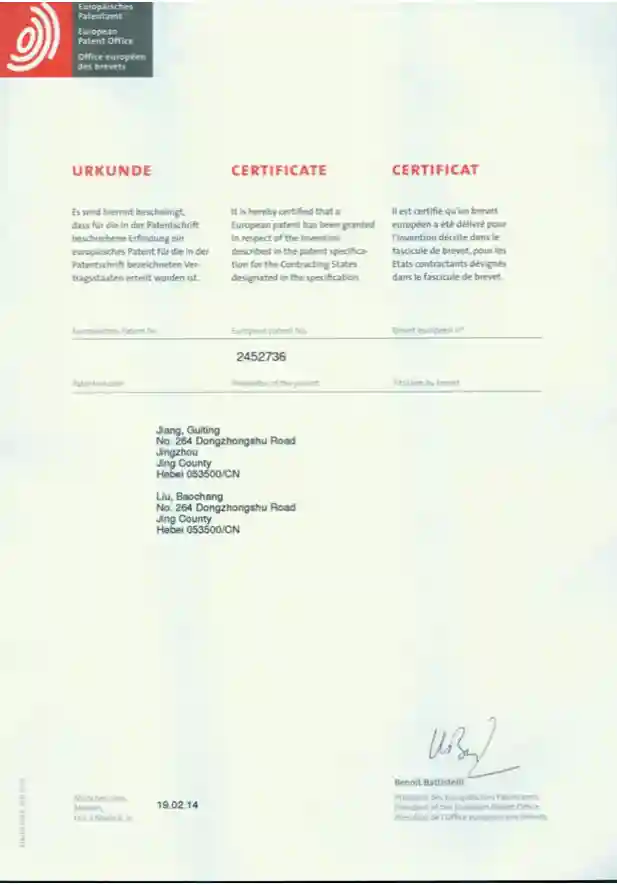
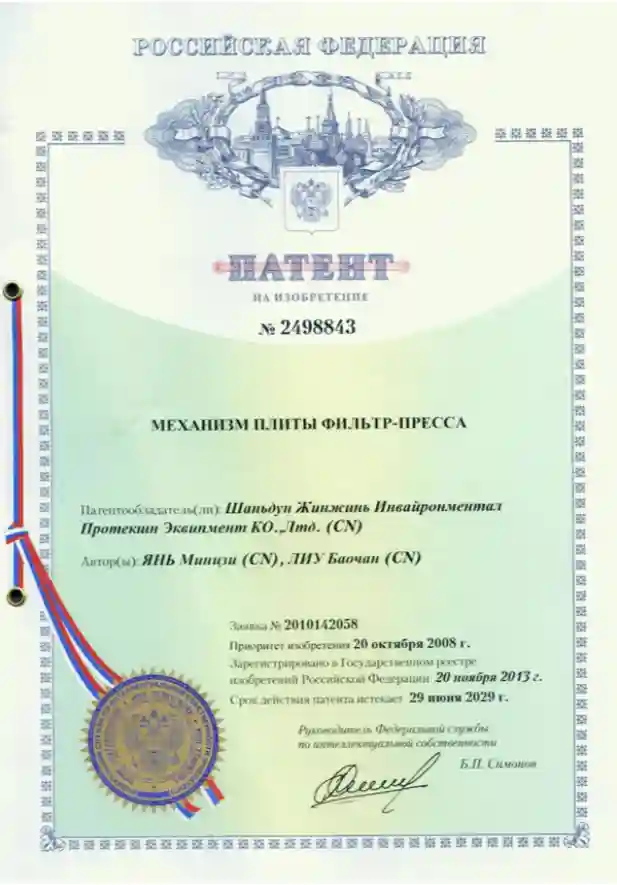
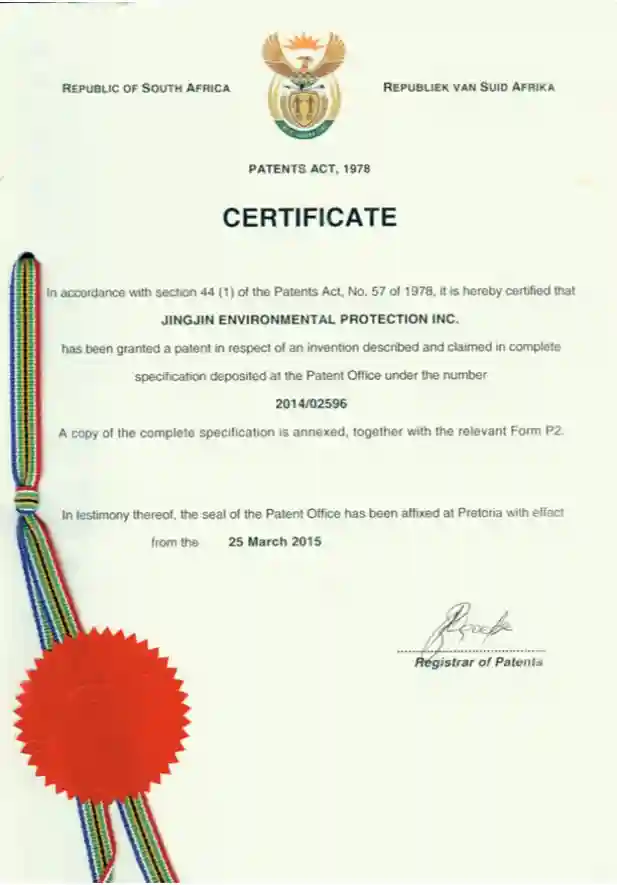
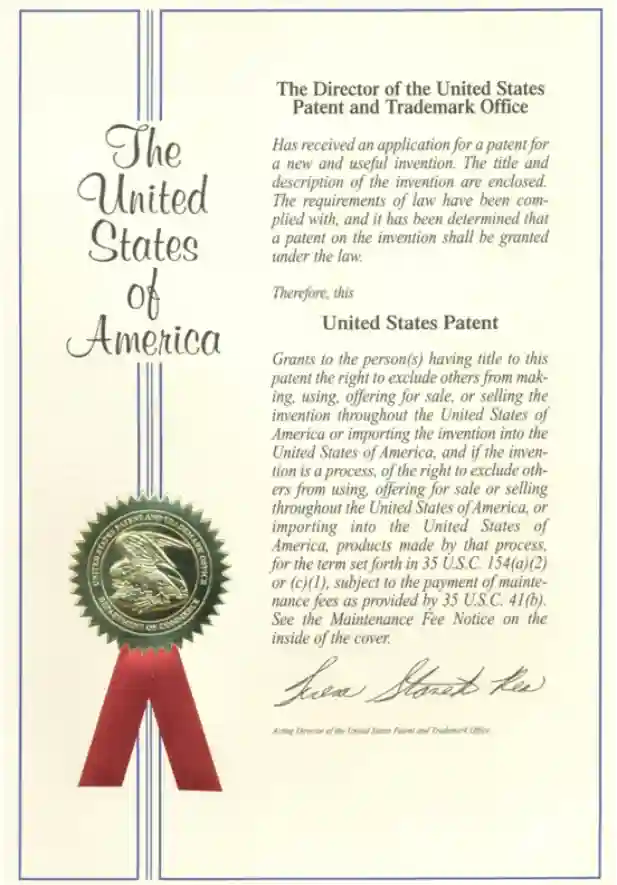
Since 1988, Jingjin Equipment Inc. has led the membrane plate filter press industry with solutions for 123 countries. With over 136 patents and decades of scientific expertise, our membrane technology drains better for harsh industrial use. We build custom systems, supply worldwide, and offer expert support to maximize filtering performance. Discuss your needs with our membrane plate filter press maker team at [email protected] to learn how our innovative solutions can improve your business and save money.
References
1. Smith, J.R. Williams, K.M. "Comparative Analysis of Membrane and Traditional Filter Press Technologies in Industrial Applications." Journal of Separation Science and Technology, Vol. 45, No. 3, 2023.
2. Chen, L.H., Anderson, P.D., and Rodriguez, M.A. In Water and Environmental Engineering Quarterly, Volume 2, Issue 2, 2023, they wrote about "Performance Evaluation of Membrane Plate Filter Presses in Wastewater Treatment Facilities."
3. Rhodes, R.K. This article was published in Industrial Filtration Economics Review as "Economic Assessment of Filter Press Technologies: Traditional vs. Membrane Systems." 18, No. 4, 2022.
4. Martinez, S.J., Liu, Q.F., and Brown, A.C. "Membrane Filter Press Applications in Chemical Processing Industries: A Technical Comparison Study. "Chemical Engineering Process Technology Journal, Vol. 31, No. 7, 2023.
5. Davis, M.P. A. Kumar, and S.R. "Improving Solid-Liquid Separation in Mining Operations: Criteria for Choosing the Right Filter Press Technology." Mining and Metallurgical Engineering Review, Vol. 42, No. 1, 2023.
6. Johnson, K.L., Zhang, W.H., and Garcia, F.M. This article was published in Equipment Investment Analysis Quarterly and is called "Lifecycle Cost Analysis of Industrial Filter Press Systems: Membrane vs. Traditional Technologies." 15, No. 2, 2022.
jingjin
Founded in 1988, Jingjin specializes in filter presses and liquid-solid separation solutions, serving over 130 countries worldwide, and is a standard-setter in China's filter press industry.
Get the Filter Press guide
Enter Your Email for Technical assistance for the Filter Press.

Recommended Blog
Why African Municipalities Choose China Dewatering Press Machines?
Where to Buy Filter Press Plates: Trusted Manufacturers and Suppliers Reviewed
Why Vietnam Wastewater Plants Choose China Multi Disk Screw Press?
How to Clean and Replace Filter Press Cloths for Optimal Performance
Best China Screw Press Dewatering Machine for Mexico Buyers