What Is a Multi Disk Screw Press and How Does It Work in Industrial Dewatering?
What Is a Multi Disk Screw Press and How Does It Work in Industrial Dewatering?
Understanding the Multi-Disk Screw Press
- Understanding the Multi-Disk Screw Press
- Advantages and Industrial Applications of Multi-Disk Screw Press
- Multi-Disk Screw Press vs. Other Dewatering Solutions
- Maintenance, Troubleshooting, and Efficiency Optimization
- Procurement Considerations and Trusted Suppliers
- Conclusion
- FAQ
- Partner with Jingjin for Advanced Dewatering Solutions
- References
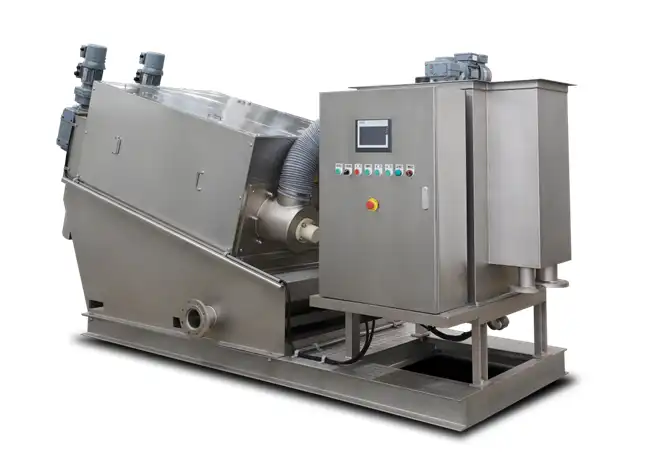
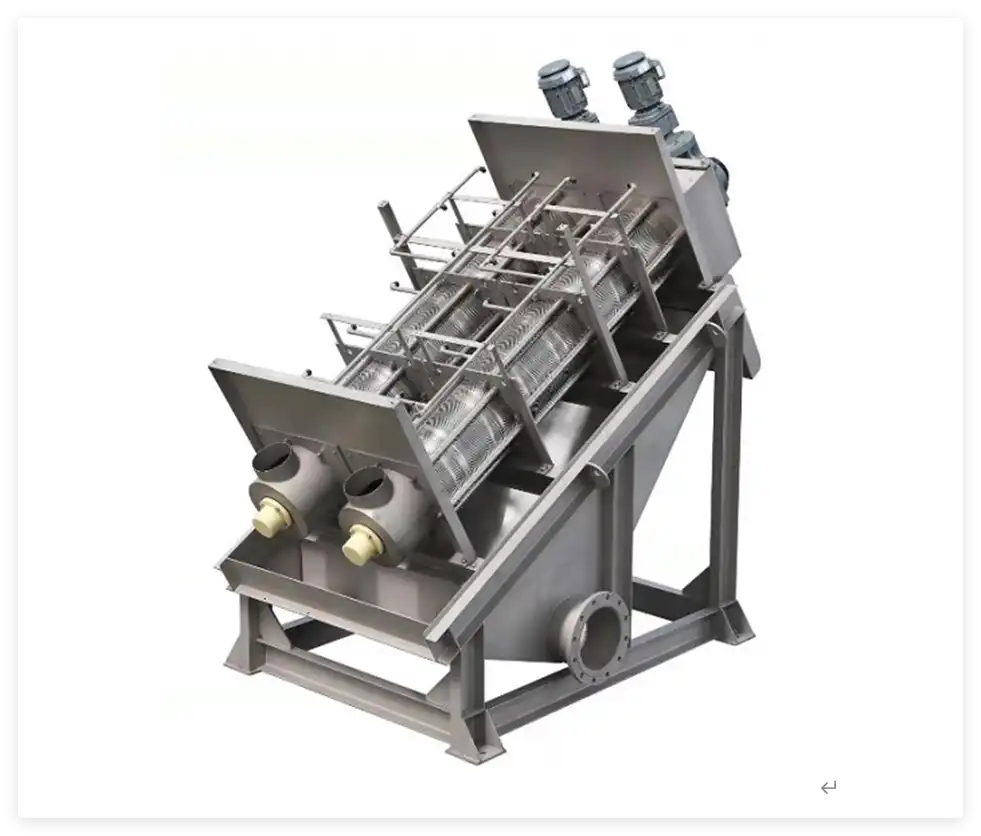
A Multi disk screw press efficiently separates liquids from particles using screw compression and a disk filtering mechanism. The center screw shaft revolves at low speed to compress sludge while the movable rings self-clean. This method processes sludge straight from oxidation ditches or dissolved air flotation systems without thickening tanks, unlike belt presses or centrifuges. It can handle greasy sludge, which blinds standard filter media, and runs constantly with low noise.
Understanding the Multi-Disk Screw Press
Core Structure and Design Principles
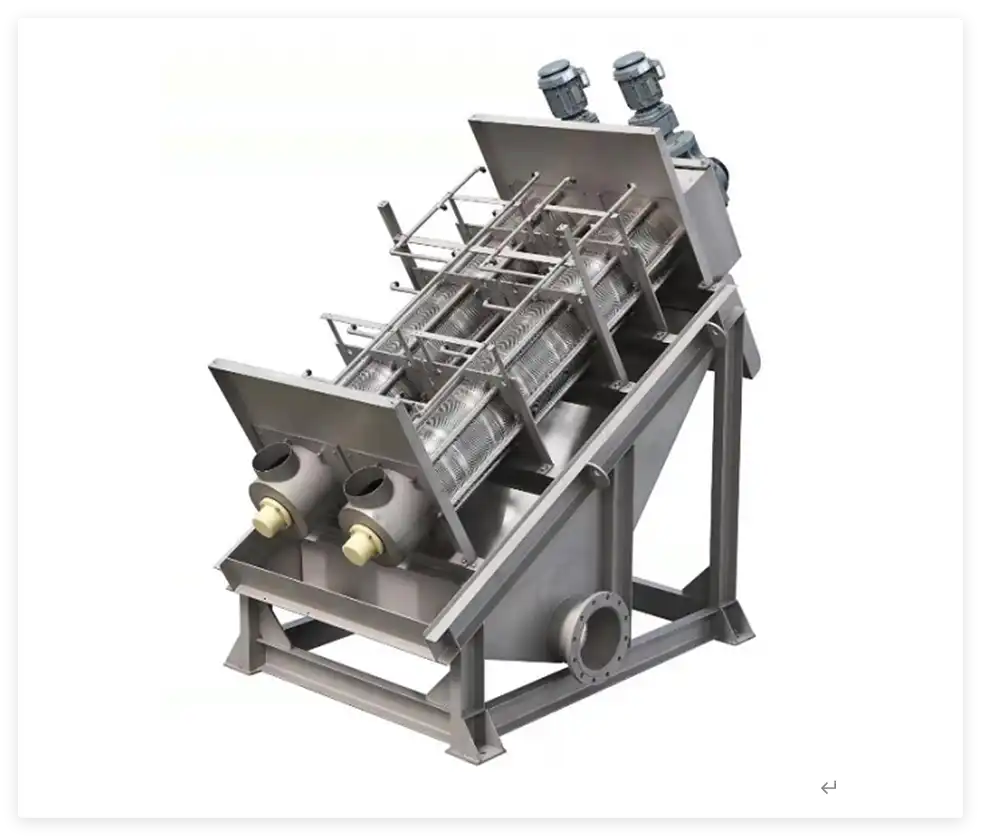
This dewatering system's cylindrical drum, with alternating fixed and moving rings piled around a screw shaft, is its base. Each ring has carefully built filtering holes that let liquid out but keep particles in. Moving rings attached to the spinning screw shaft rotate around stationary rings during operation. The continual relative motion between ring surfaces generates a self-wiping action that keeps filtering channels open throughout operation, preventing filter screen fouling. The screw shaft has variable pitch geometry, reducing thread spacing near the discharge end. As material travels through the press, axial pressure increases, enhancing dewatering efficiency at each stage. When treating acidic or high-chloride sludge, manufacturers make key components from stainless steel 304 or 316L to withstand corrosion. Abrasive applications, including mining tailings and mineral concentrate dewatering, use tungsten carbide or stellite hard-facing to enhance wear point life.
Technical Parameters and Performance Specifications
These systems operate differently from typical dewatering equipment. The extremely low rotation speed reduces noise to below 65 dB and avoids vibration issues that hinder high-speed centrifuge installation. Energy usage is 0.01 to 0.1 kilowatt-hours per kilogram of dry solids, saving 90% compared to decanter centrifuges on the same material. Process engineers assessing equipment compatibility should evaluate throughput capacity, which manufacturers provide in volumetric flow rates and dry solids processing capacity. Depending on material properties and polymer conditioning, standard industrial machines produce dewatered cake at 15% to 25% solids from sludge concentrations of 0.2% to 2%. Proper polymer dosage maximizes dewatering efficiency and solids collection rates above 95%.
Advantages and Industrial Applications of Multi-Disk Screw Press
Operational Benefits and Cost Advantages
Performance indicators improve significantly for facilities using this dewatering system. The tiny device overcomes space limits that limit traditional dewatering system growth. Unlike belt presses with thickening tanks, polymer preparation systems, and substantial support structures, the integrated assembly design simplifies installation. The space efficiency advantages urban wastewater treatment facilities with real estate constraints and industrial locations that need retrofits within existing building envelopes. Water conservation is another benefit. To prevent filter material blinding, traditional belt filter presses use hundreds of gallons of spray water every hour. The self-cleaning ring mechanism uses less wash water than comparable Multi disk screw press belt presses—usually less than 1%. Closed-loop benefits, including decreased water costs and downstream burden on wastewater treatment systems, make this considerable reduction appealing to facilities focused on sustainability and operating expense reduction. Through integrated sensors monitoring important performance metrics, automation allows 24-hour unattended operation. Operating settings are automatically adjusted to optimize torque, differential pressure, and discharge cake uniformity via control systems. Automated alarm and shutdown procedures protect equipment and warn operators of abnormal situations. This dependability lowers maintenance work and eliminates costly downtime that affects production or violates regulations.
Industry Applications and Real-World Performance
This technology is mostly sold to municipal wastewater treatment plants. Large amounts of biological sludge from activated sludge operations must be dewatered before disposal or reuse. Low-speed operation and a self-cleaning mechanism manage biological sludge variability better than belt presses that blind during seasonal changes. Facilities claim consistent cake solids output and lower polymer consumption than centrifuges. Industrial applications in several fields demand difficult dewatering. The corrosion-resistant design and capacity to handle thick or sticky ingredients help pigment, dye, and specialty chemical manufacturers. These durable systems control tailings and dewater concentrates in mining operations, and endure abrasive mineral slurries. Food processing and pharmaceutical sectors use product recovery and waste reduction technologies with sanitary-grade construction to fulfill cleanability and material compatibility regulations. Contractors are using mobile or skid-mounted systems to manage tunnel boring machine, foundation drilling, and excavation dewatering slurry. The device can process changing feed characteristics without operator modification, which meets building site situations. In drilling mud management and oily sludge treatment, the self-cleaning mechanism overcomes blinding difficulties that make traditional filters useless when processing petroleum-contaminated materials.
Multi-Disk Screw Press vs. Other Dewatering Solutions
Comparison with Belt Filter Presses
Belt filter presses have been industrial workhorses for decades, but Multi-disk screw press technology shows their limitations. Gravity drainage, low-pressure compression, and high-pressure zones, usually 15 to 25 feet long, are needed for belt systems. This footprint is much larger than that of equivalent-capacity screw presses. Belt operation requires continual high-volume wash water to prevent media blindness, increasing operating costs and downstream treatment load. The mechanical complexity of belt tracking systems, with many rollers and pneumatic tensioning components, increases maintenance. As chemical exposure, abrasion, and mechanical strain degrade the fabric medium, belt replacement becomes costly. Operators must stay alert to avoid belt misalignment, which can damage equipment and dewater unevenly. However, just the screw and rings need periodic wear check in the screw press design, eliminating these consumable components and alignment issues.
Performance Advantages Over Centrifuge Technology
Due to high-speed spinning and strong g-forces, decanter centrifuges dry cakes well, but they have downsides. Due to high spinning speeds, centrifuges need an order of magnitude more energy than screw presses. Acoustic enclosures and sturdy mounting foundations are needed to reduce noise and vibration and fulfill workplace safety regulations. Centrifuge maintenance is more frequent and costly than screw press maintenance. Precision alignment and replacement are needed for high-speed bearings. The scroll conveyor differential speed mechanism uses complicated, wearable gearbox assemblies. Polymer optimization is crucial for centrifuges since poor conditioning greatly affects capture rate and Multi disk screw press cake dryness. Screw presses' milder mechanical action tolerates polymer dosage changes, saving chemical costs and preserving performance under broader operating circumstances.
Maintenance, Troubleshooting, and Efficiency Optimization
Routine Maintenance Requirements and Inspection Protocols
Compared to typical dewatering systems, the streamlined mechanical design minimizes maintenance. Instead of constantly adjusting complicated mechanical systems, regular maintenance inspects worn components and operational conditions. Daily discharge cake visual checks should show uniformity, indicating reliable dewatering effectiveness. Clear filtrate indicates normal functioning, with murky filtrate indicating poor polymer conditioning or severe wear, letting particulates through ring gaps. Weekly maintenance checks gearbox oil levels and drive chain or belt tension, depending on the drive system. Accessible bearings are lubricated according to manufacturer recommendations, usually every hundred running hours rather than daily like other high-speed machinery. Though contemporary hard-facing processes can prolong ring life to many years of continuous operation even in abrasive use, monthly wear pattern examinations are recommended.
Common Issues and Practical Solutions
Operators should investigate the reasons for cake discharge that is wetter than the Multi disk screw press specified. The most prevalent problem is insufficient polymer dosage, which may be fixed by checking polymer preparation concentration and injection rates. Increased feed rate relative to equipment capacity can prevent compression retention time. Reduce influent flow or distribute load over many units. Large holes in worn rings enable water to leak before compression, requiring replacement or refurbishment depending on wear severity. Polymer breakthrough from overdose or incorrect polymer selection for sludge characteristics commonly causes filter quality deterioration. Jar tests to re-optimize polymer type and dose usually fix the problem. Unusual noise or vibration indicates mechanical issues that need prompt attention. When bearing wear, loose mounting nuts, or debris interfere with screw spinning, qualified operators hear odd noises that indicate abnormal operating circumstances. When such indications develop, shut down and examine immediately to avert serious problems.
Procurement Considerations and Trusted Suppliers
Technical Specification Evaluation
Site-specific needs and material properties must be considered while choosing dewatering equipment. Feed sludge procurement teams should collect data on total solids concentration ranges, volatile solids content, particle size distribution, and chemical makeup. Processing capacity needs should be examined for average flows and peak loading scenarios during seasonal changes or process disturbances. Material compatibility is crucial for processing chemically harsh or abrasive materials. For severe pH settings or extremely corrosive chemical processes, specific materials may be needed; most municipal and industrial uses use stainless steel. Assessing if the application requires sanitary design, explosion-proof electrical components, or other certifications ensures the equipment fulfills all regulations.
Supplier Qualification and Selection Criteria
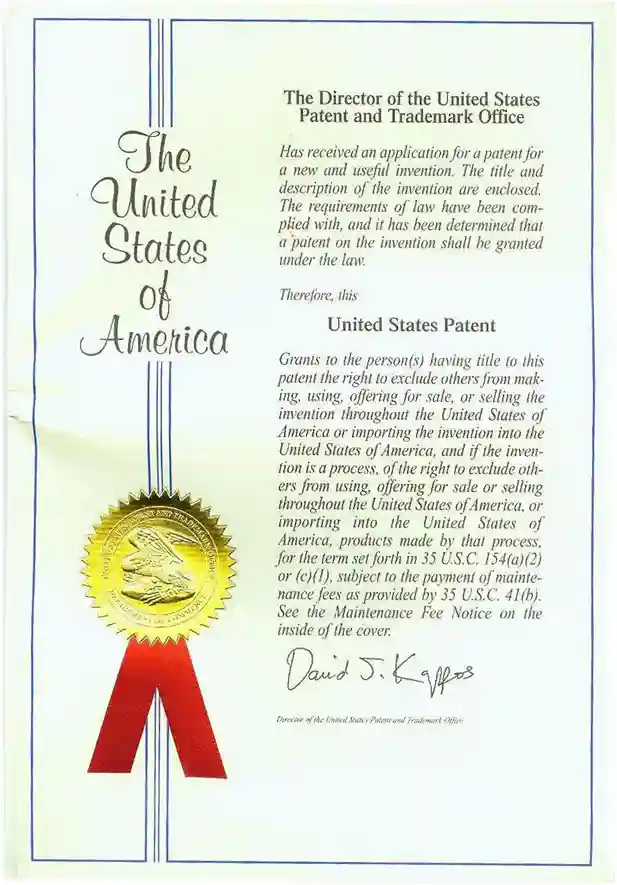
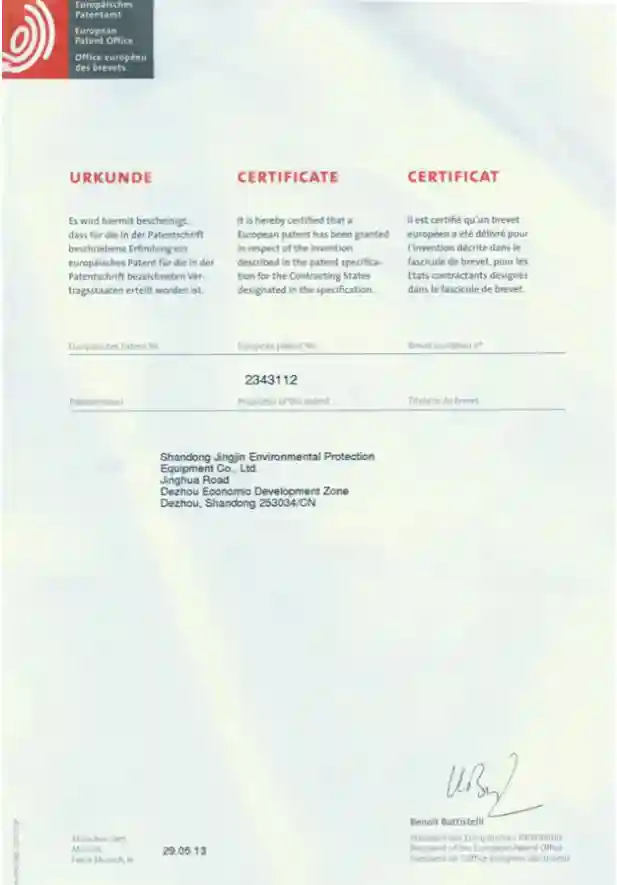
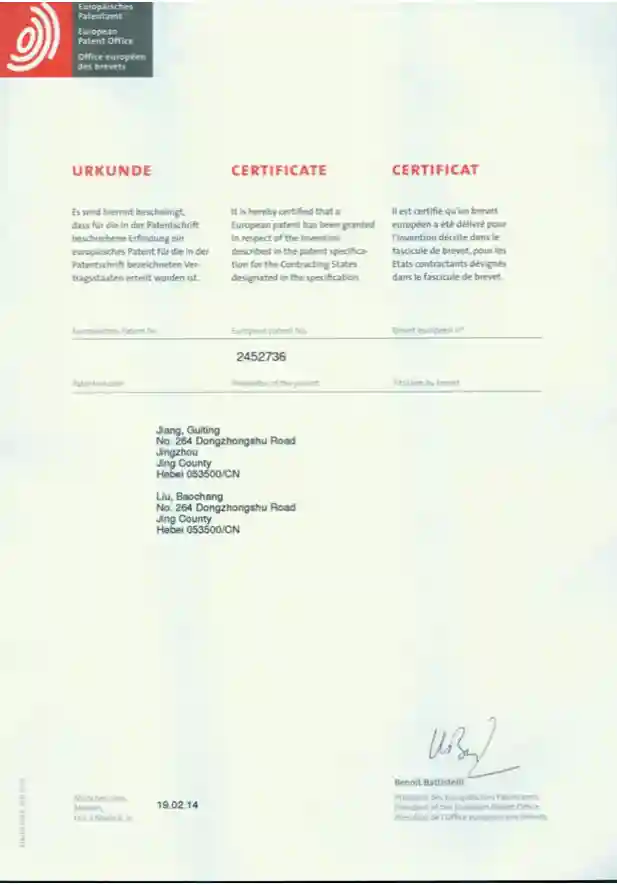
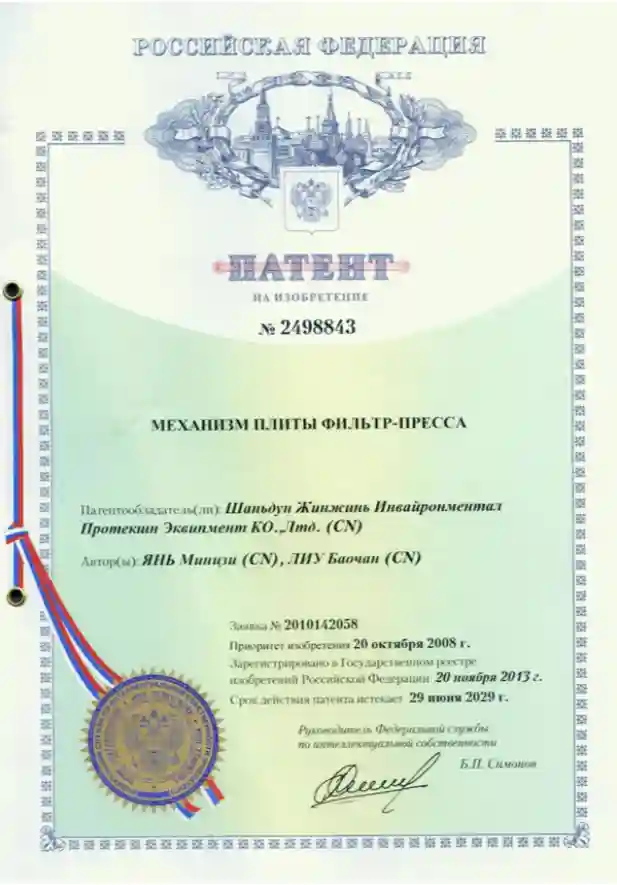
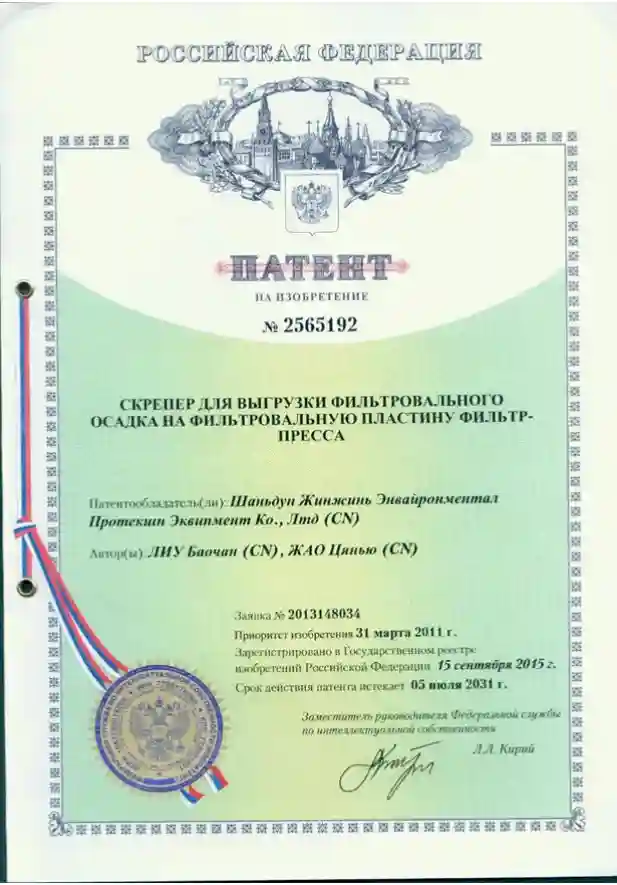
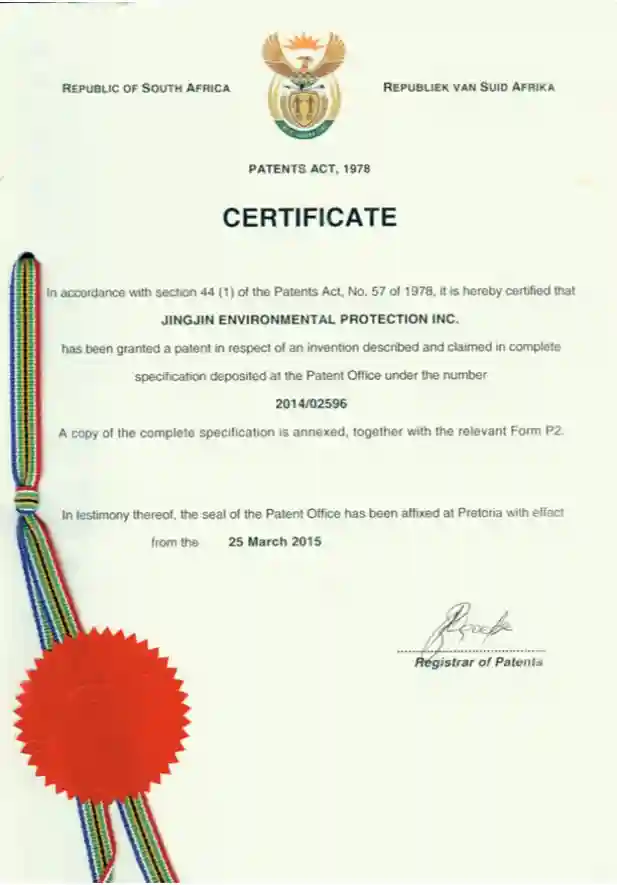
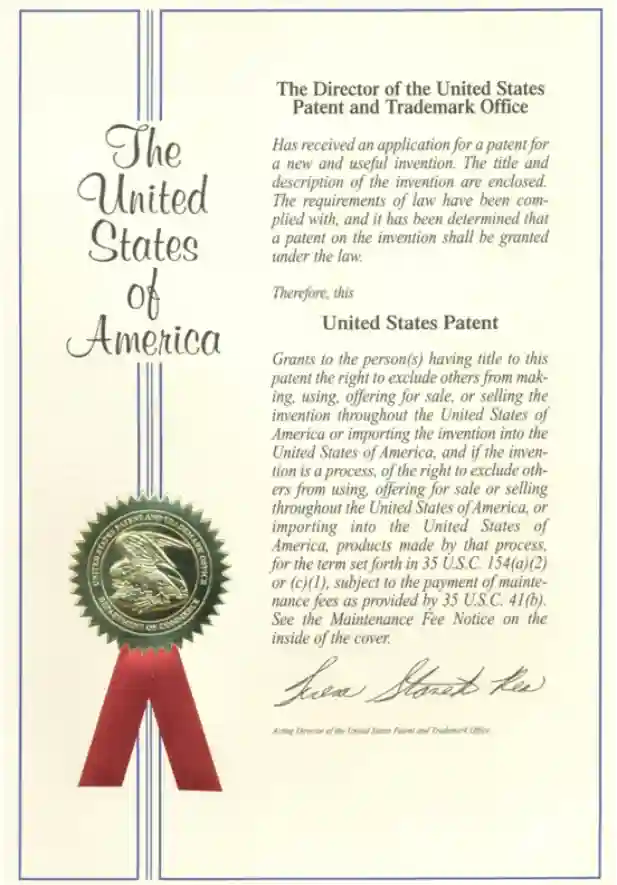
Manufacturing experience and track record indicate supplier dependability. Manufacturers with decades of expertise enhance designs based on thousands of installations in various applications. Leading suppliers have patent portfolios that show technical innovation and intellectual property protection, unlike manufacturers that replicate designs without knowing the functioning principles. Production capacity and quality control assure consistent manufacture and timely delivery. Large-scale vertically integrated component production facilities regulate material quality and dimensional tolerances better than subcontractor-dependent assemblers. ISO 9001 and other quality management system certifications establish documented design control, production, and final inspection techniques that reduce defects and meet specifications. After-sales service infrastructure critically influences long-term satisfaction with equipment purchases. Suppliers with local service networks, spare parts inventories, and technical support teams provide faster response during operational issues. Training programs for operators and maintenance personnel help facilities optimize equipment performance and extend component life through proper operating practices. Remote monitoring services offered by leading manufacturers enable proactive maintenance scheduling and troubleshooting assistance that minimizes downtime and maximizes return on equipment investment.
Conclusion
The Multi-disk screw press is a major development in industrial dewatering technology, outperforming traditional equipment. Its self-cleaning mechanism, low energy consumption, small size, and low water needs solve municipal and industrial problems. The method works with biological sludge, chemical process waste, and mining tailings. As environmental rules tighten and operational efficiency becomes more crucial, this dewatering technology helps municipalities and industrial enterprises enhance performance and save expenses. Understanding operational principles, application compatibility, and supplier competencies helps procurement professionals make value-creating decisions.
FAQ
1. What feed concentrations can multi-disc screw presses handle effectively?
These systems treat sludge from 0.2% to 2% total solids to produce dewatered cake at 15% to 25% solids, depending on material and conditioning. Due to its thickening and dewatering capabilities, the press may replace thickening equipment in many applications. Conventional methods need many process stages, whereas biological treatment or dissolved air flotation systems may handle dilute feeds directly, simplifying plant structure and reducing capital expenditure.
2. How does energy consumption compare to centrifuge dewatering?
Multi-disk screw presses use 0.01 to 0.1 kilowatt-hours per kilogram of dry solids treated at 2 to 4 RPM with low torque, 90% less than decanter centrifuges. Due to the mechanical technique, progressive compression uses far less power than high-speed rotation, creating many g-forces. Even without decreased maintenance costs and prolonged equipment life, moving from centrifuges to screw press technology can return equipment investment in three to five years through energy savings.
3. What maintenance intervals and procedures does this equipment require?
Daily visual evaluation of cake and filtrate properties takes minutes and alerts to performance changes. Weekly drive component and lubrication inspections are quick. Major components are inspected every thousand operation hours, not hundreds like high-speed equipment. Ring replacement due to wear lasts for years, even in abrasive usage, when correct materials are used. No consumable filter media means no belt press replacement costs, lowering long-term operating costs and simplifying maintenance planning.
Partner with Jingjin for Advanced Dewatering Solutions
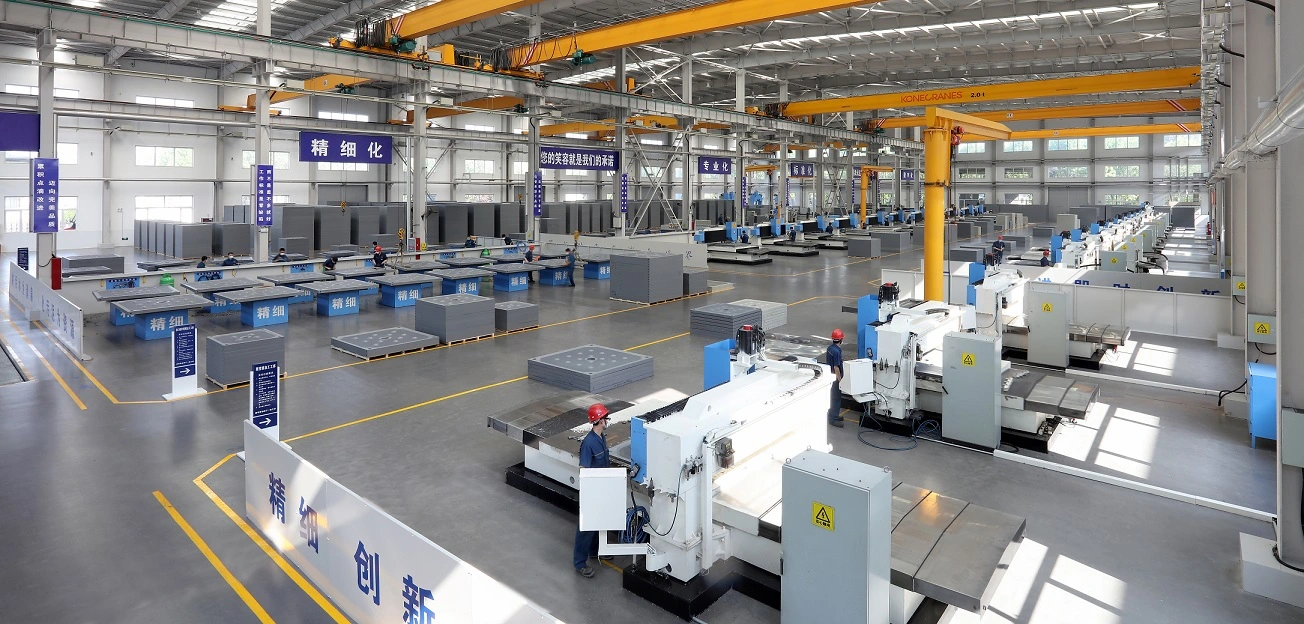
Since 1988, Jingjin Equipment Inc. has made solid-liquid separation systems, gaining dewatering technological knowledge for 123 countries. Every project is backed by over 30 years of engineering knowledge and 136 patents for filtering and separation equipment innovation. We manufacture screw presses, filter presses, and supporting equipment in huge factories to strict quality requirements.
Our technical professionals customize Multi-disk screw press systems for challenging industrial situations to meet process needs. We help clients choose equipment, design systems, supervise installations, train operators, and provide technical support. Contact [email protected] to discuss your dewatering needs and see how proven multi-disc screw press technology can boost efficiency and lower expenses.
References
1. Chen, G., Lock Yue, P., and Mujumdar, A.S. (2002). Sludge Dewatering and Drying: Research Developments in Mechanical and Thermal Technologies. Drying Technology Journal.
2. Industrial Water & Wastes Digest (2019). Advances in Low-Energy Sludge Dewatering Technologies. IWWD Technical Publications.
3. Mahmoud, A., Olivier, J., Vaxelaire, J., and Hoadley, A.F. (2013). Electrical Field: A Historical Review of Its Application and Contributions in Wastewater Sludge Dewatering. Water Research, Volume 47, Issue 8.
4. Water Environment Federation (2018). Design of Municipal Wastewater Treatment Plants: Manual of Practice No. 8, Sixth Edition. McGraw-Hill Professional.
5. Vesilind, P.A. (1994). The Role of Water in Sludge Dewatering. Water Environment Research, Volume 66, Number 1.
6. American Water Works Association Research Foundation (2008). Optimization of Biosolids Dewatering Processes: Equipment Selection and Performance Enhancement. AWWA Research Foundation Report.
jingjin
Founded in 1988, Jingjin specializes in filter presses and liquid-solid separation solutions, serving over 130 countries worldwide, and is a standard-setter in China's filter press industry.
Get the Filter Press guide
Enter Your Email for Technical assistance for the Filter Press.
Recommended Blog
How Global EPC Firms Manage Filter Press Procurement in China?
Best Filter Cloth for Sludge Dewatering: Features and Buying Guide
China Screw Dewatering Machine for International Resellers
_1774493546478.webp)
What Is a Membrane Plate Filter Press and How Does It Work? A Complete Guide