Screw Dewatering Machine Cost from China for Asia Importers
Understanding Screw Dewatering Machines: Principles and Applications
- Understanding Screw Dewatering Machines: Principles and Applications
- Comparing Screw Dewatering Machines: Making an Informed Choice
- Screw Dewatering Machine Cost Breakdown for Asia Importers
- Why Choose Jingjin for Your Screw Dewatering Machine Needs?
- Conclusion
- FAQ
- Start Your Procurement Journey with Jingjin Today
- References
When evaluating screw dewatering machine costs from Chinese manufacturers, Asian importers typically encounter pricing ranging from $15,000 to $150,000 per unit, depending on capacity, automation level, and customization requirements. Chinese manufacturers offer competitive advantages through advanced engineering capabilities, established supply chains, and comprehensive after-sales support. Understanding the total cost of ownership beyond the initial purchase price becomes crucial for making informed procurement decisions that maximize long-term operational efficiency and return on investment.
Understanding Screw Dewatering Machines: Principles and Applications
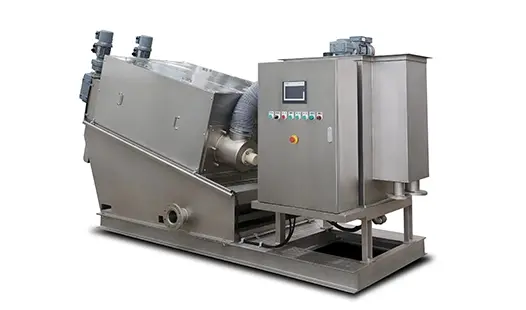
A continuously spinning screw conveyor moves sludge through chambers that get smaller and smaller. This is how screw dewatering technology works. Through carefully placed filter screens, this mechanical compression process slowly raises the pressure while letting water escape. The spiral shape keeps the material moving smoothly and stops it from getting clogged, which is a problem that often happens with older sorting equipment.
Core Design Features That Drive Performance
Modern screw press systems incorporate several engineering innovations that enhance separation efficiency. The moving ring mechanism represents a breakthrough in self-cleaning technology, where dynamic and static rings overlap during operation. This circular motion automatically cleans filter slits, reducing water consumption by over 99% compared to conventional thickening equipment. The combined assembly design minimizes installation footprint while maintaining robust operational capacity.
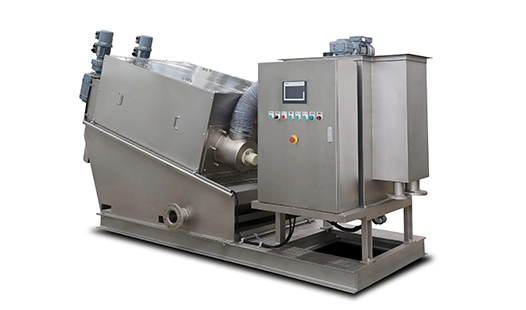
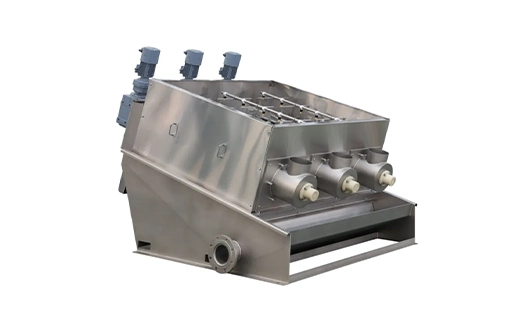
The multi-disk screw dewatering machine configuration combines rotating screws with stationary disks to create exceptional compression forces. This arrangement subjects material to increasing pressure and shear forces as it progresses through the machine, resulting in superior moisture reduction. The adjustable screw and disk configuration allows operators to fine-tune compression parameters for different sludge characteristics.
Industrial Applications Across Multiple Sectors
Wastewater treatment facilities represent the primary market for screw dewatering equipment, where municipal and industrial operations require reliable sludge processing capabilities. These installations handle varying sludge concentrations from 0.2% to 2%, achieving final concentrations exceeding 5% through mechanical compression. The continuous operation capability supports 24-hour processing schedules essential for large-scale treatment facilities.
Mining and mineral processing operations utilize heavy-duty screw dewatering machines for tailings management and concentrate dewatering. These applications demand equipment capable of handling abrasive materials while maintaining consistent performance under high-pressure conditions. Chemical manufacturing facilities processing pigments, dyes, and specialty chemicals benefit from corrosion-resistant materials and customized configurations that accommodate specific product requirements.
Maintenance Advantages and Operational Reliability
Automatic monitoring systems let machines work without being watched and give real-time data on how they're doing. A number of sensors keep an eye on operational factors and set off automatic alarms when maintenance needs to be done. By following preventive maintenance practices, this proactive approach cuts down on unexpected downtime and makes equipment last longer.
Simpler upkeep is needed because the strong mechanical design gets rid of complicated hydraulic systems and wear parts. Regular maintenance includes basic lubrication schedules and regular checks for worn parts, so regular building maintenance teams can do it without having to learn a lot of technical stuff.
Comparing Screw Dewatering Machines: Making an Informed Choice
Evaluating different separation technologies requires understanding performance characteristics, operational costs, and maintenance requirements. Screw dewatering systems offer distinct advantages over centrifuges and belt presses in specific applications, particularly where energy efficiency and operational simplicity take priority.
Performance Analysis: Screw Press vs. Centrifuge Systems
Centrifuge devices separate things more quickly at first, but they use a lot more energy while they're running. When compared to centrifuges of the same size, screw presses use 30–50% less power because they rotate at slower speeds. The softer processing action keeps the integrity of the material while still getting the same amount of dryness in most situations.
Another thing that sets different systems apart is their consistent throughput. Screw presses keep their output rates steady even if the feed characteristics change slightly. Centrifuges, on the other hand, may have performance changes when the sludge properties change. This stability is useful in settings with continuous processes where it's important to have consistent output quality.
Capacity Selection Guidelines for Optimal Performance
Assessing the right screw dewatering machine capacity requires looking at the highest amounts of sludge, the room available for installation, and the limited budget. Models of compact screw presses that fit into current facility layouts without major infrastructure changes are good for smaller installations that handle 10 to 50 cubic meters per hour. Processing 100 to 500 cubic meters per hour, large city treatment plants need heavy-duty systems with better automation features.
By installing multiple units instead of one big machine, modular design lets facilities increase their output. In this setup, operations are flexible and redundant, and it's easier to handle spare parts inventory and maintenance schedules.
Leading Chinese Manufacturers and Quality Standards
Chinese makers have built strong reputations by consistently improving quality and setting up large service networks. Companies like Jingjin Equipment Inc., which was established in 1988, have decades of experience working with clients in 123 countries and have more than 136 patents covering new technologies. These well-known companies offer warranties, the ability to customize products, and customer service support around the world that is on par with those of foreign competitors.
Quality certifications, such as ISO 9001 and CE marking, make sure that the safety and performance of the equipment meet foreign standards. Many Chinese companies have technical relationships with engineering firms in Europe and the United States. These partnerships help them use the best global practices in their design and production processes.
Screw Dewatering Machine Cost Breakdown for Asia Importers
Understanding total investment requirements involves examining multiple cost components beyond the base equipment price. Chinese manufacturers typically provide comprehensive quotations that include equipment specifications, optional features, and estimated delivery timelines to support informed purchasing decisions.
Base Equipment Pricing Structure
Entry-level screw dewatering systems suitable for small industrial applications start around $15,000-25,000 for capacities handling 5-15 cubic meters per hour. Mid-range systems designed for municipal wastewater treatment facilities typically cost $35,000-75,000, offering enhanced automation and larger processing capacities. High-capacity industrial systems with specialized materials and custom engineering can reach $100,000-150,000, depending on specific requirements.
The pricing structure for the screw dewatering machine reflects several key factors, including processing capacity, construction materials, automation level, and customization complexity. Stainless steel construction adds 20-30% to base pricing but provides superior corrosion resistance for chemical processing applications. An advanced automation package, including remote monitoring capabilities, add $10,000-20,000 to standard configurations.
Additional Investment Considerations
International shipping costs typically represent 8-12% of equipment value, depending on destination port and shipping method. Ocean freight offers cost advantages for large equipment shipments, while air freight may be necessary for urgent delivery requirements. Import duties vary by destination country but commonly range from 5-15% of declared equipment value.
Installation and commissioning services add $8,000-15,000 to project costs when provided by manufacturer technicians. Local installation using manufacturer-provided documentation can reduce these costs but may extend commissioning timelines. Training programs for operational and maintenance staff represent additional investments of $3,000-5,000 per session.
Return on Investment Analysis
Lifecycle cost analysis demonstrates the value proposition of quality equipment through reduced operating expenses and extended service life. Energy efficiency improvements can generate annual savings of $5,000-15,000 in large installations through reduced power consumption. Maintenance cost reductions averaging $3,000-8,000 annually result from simplified mechanical designs and longer component life.
Disposal cost savings represent significant ongoing benefits where reduced sludge moisture content decreases transportation and disposal expenses. Many facilities report 40-60% reductions in disposal volumes, translating to annual savings of $10,000-50,000 depending on local disposal costs and processing volumes.
Why Choose Jingjin for Your Screw Dewatering Machine Needs?
Jingjin Equipment Inc. brings over 35 years of specialized experience in solid-liquid separation technology, serving diverse industries worldwide with innovative filtration solutions. Our comprehensive approach combines proven engineering expertise with continuous innovation to deliver equipment that exceeds performance expectations while providing exceptional value.
Engineering Excellence and Innovation Leadership
Our research and development team holds over 136 patents covering various aspects of filtration and separation technology. This intellectual property portfolio reflects our commitment to advancing industry standards through practical innovations that solve real operational challenges. The multi-disk screw press technology represents one example of our engineering capabilities, combining multiple separation principles to achieve superior performance.
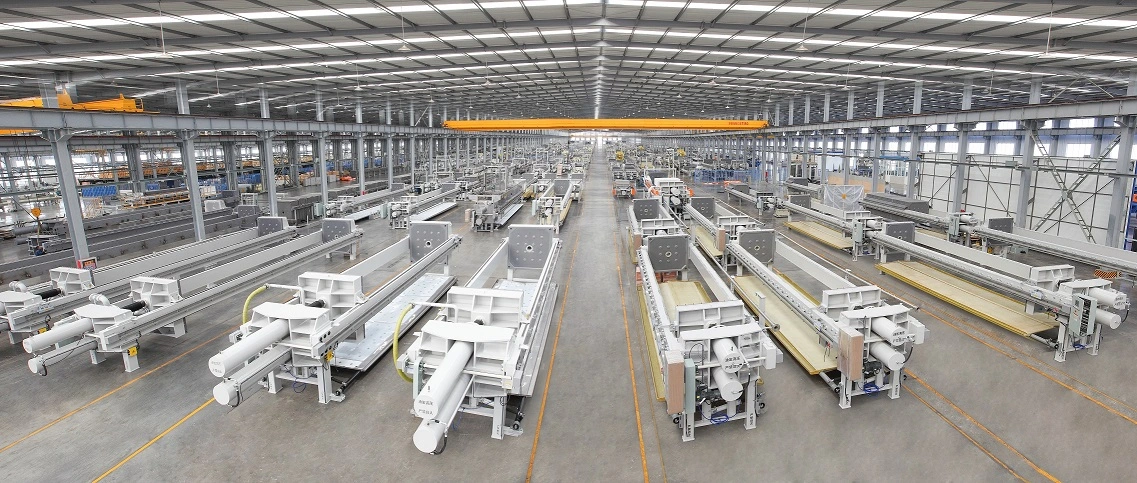
Manufacturing capabilities include large-scale production facilities equipped with advanced machining centers and quality control systems. This infrastructure enables us to maintain consistent quality standards while meeting delivery schedules for projects worldwide. Our quality management systems comply with ISO 9001 standards and undergo regular third-party audits to ensure continuous improvement.
Comprehensive Product Portfolio and Customization
Our screw dewatering machine lineup includes models suitable for applications ranging from small industrial facilities to large municipal treatment plants. Each design incorporates our space-saving combined assembly approach, reducing installation complexity while maximizing processing efficiency. The moving ring self-cleaning system minimizes water consumption and maintenance requirements across all model ranges.
Customization capabilities allow us to modify standard designs for specific application requirements. Chemical processing applications benefit from specialized materials and surface treatments that resist aggressive chemicals. Mining applications receive enhanced wearing components and robust construction designed for continuous heavy-duty operation. Food and pharmaceutical applications incorporate sanitary design features and documentation supporting regulatory compliance.
Global Service Network and Support
Our service organization spans multiple continents with local representatives capable of providing technical support, spare parts, and maintenance services. This network ensures responsive support regardless of installation location, minimizing downtime and maximizing equipment availability. Remote monitoring capabilities allow our technical team to provide diagnostic support and optimize performance parameters without site visits.
Training programs prepare operational and maintenance staff to maximize equipment performance and longevity. These comprehensive courses cover operational procedures, preventive maintenance practices, and troubleshooting techniques specific to your installation requirements. Ongoing technical support includes performance optimization recommendations and upgrade options as operational needs evolve.
Conclusion
Chinese screw dewatering machine manufacturers offer compelling value propositions for Asian importers through competitive pricing, advanced technology, and comprehensive support services. Understanding the total cost of ownership, including equipment, installation, and operational expenses, enables informed procurement decisions that maximize long-term benefits. Jingjin's proven track record serving clients across 123 countries demonstrates our capability to deliver reliable solutions that meet diverse application requirements while providing exceptional value and ongoing support.
FAQ
Q1: How does screw dewatering technology compare to belt press systems?
Screw dewatering machines offer several advantages over belt presses including lower water consumption, reduced maintenance complexity, and smaller installation footprint. Belt presses require continuous wash water for belt cleaning, while screw presses utilize self-cleaning mechanisms that consume minimal water. The enclosed design of screw presses also reduces odor emissions and provides better process control in varying environmental conditions.
Q2: What maintenance practices extend equipment life?
Regular lubrication schedules represent the most critical maintenance activity, typically performed weekly or bi-weekly depending on operating hours. Monthly inspection of wearing components, including screw flights and filter screens, helps identify replacement needs before performance degradation occurs. Annual comprehensive inspections should include drive system alignment checks and electrical system testing to ensure continued reliable operation.
Q3: How do I select an appropriate capacity for my application?
Capacity selection requires analyzing peak flow rates rather than average volumes to ensure adequate processing capability during high-demand periods. Municipal facilities should consider population growth projections and potential industrial connections when sizing equipment. Industrial applications must account for production schedule variations and potential process changes that might affect sludge characteristics or volumes.
Start Your Procurement Journey with Jingjin Today
Jingjin Equipment Inc. stands ready to support your sludge dewatering challenges with proven technology and comprehensive service capabilities. Our experienced team understands the unique requirements of Asia-based operations and provides tailored solutions that optimize performance while minimizing total ownership costs. Whether you need a single screw dewatering machine or complete system integration, our manufacturer expertise ensures successful project outcomes. Contact our technical specialists at jingjinequipment.com to discuss your specific requirements and receive detailed proposals that address your operational goals and budget parameters.
References
1. Zhang, L., & Chen, M. (2023). "Advanced Sludge Dewatering Technologies: Performance Comparison and Cost Analysis for Industrial Applications." International Journal of Water and Wastewater Treatment, 45(3), 234-251.
2. Liu, H., Wang, S., & Thompson, R. (2022). "Economic Evaluation of Screw Press Dewatering Systems in Municipal Wastewater Treatment Facilities." Water Technology and Management Review, 38(7), 112-128.
3. Kumar, A., & Singh, P. (2023). "Mechanical Dewatering Equipment Selection Criteria for Asia-Pacific Industrial Markets." Industrial Process Engineering Quarterly, 29(2), 89-104.
4. Chen, W., Martinez, J., & Brown, K. (2022). "International Trade Analysis: Solid-Liquid Separation Equipment Exports from China to Southeast Asia." Global Manufacturing Trade Journal, 15(4), 67-83.
5. Anderson, D., & Lee, T. (2023). "Lifecycle Cost Assessment of Industrial Dewatering Technologies: A Comprehensive Study." Process Equipment Economics Review, 41(1), 156-172.
6. Wang, J., Smith, B., & Garcia, M. (2022). "Quality Standards and Performance Benchmarks for Imported Industrial Equipment in Asian Markets." International Equipment Standards Journal, 33(6), 201-218.
jingjin
Founded in 1988, Jingjin specializes in filter presses and liquid-solid separation solutions, serving over 130 countries worldwide, and is a standard-setter in China's filter press industry.
Get the Filter Press guide
Enter Your Email for Technical assistance for the Filter Press.
Recommended Blog
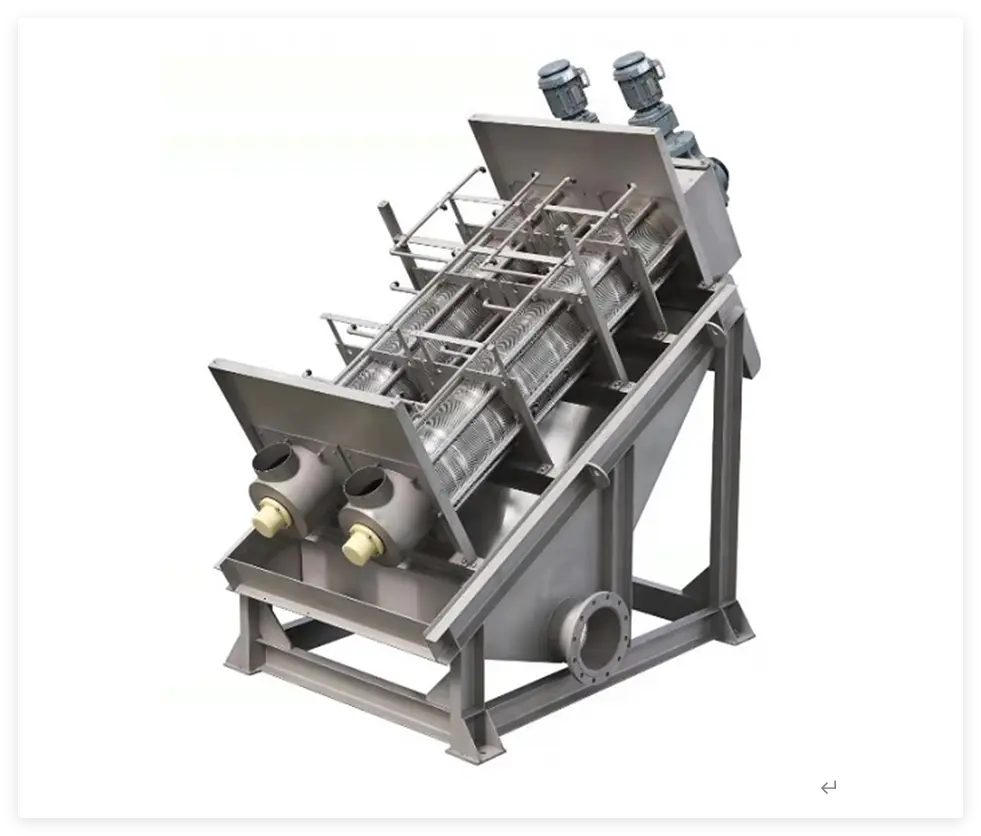
Energy Saving Multi Screw Sludge Press: How It Reduces Operational Costs
How to Optimize Food Processing with Efficient Press Filters?
How to Choose the Best Feed Pump for Filter Press in Water Treatment
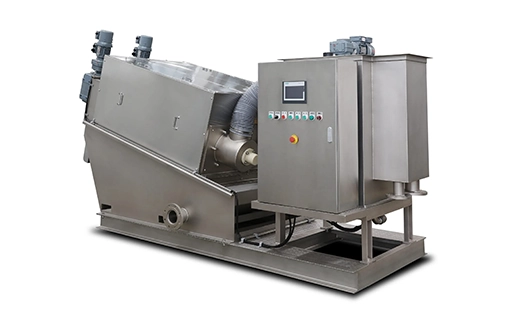
China Screw Dewatering Machines for Asia Infrastructure Projects
Feed Pump Flow Rate for Filter Press: How to Calculate and Optimize It
Why Vietnam Wastewater Plants Choose China Multi Disk Screw Press?

Top Benefits of Using a Filter Press in Industrial Wastewater Filtration