Plate and Frame Filtration System in Industrial Processes
What Is a Plate and Frame Filtration System?
- What Is a Plate and Frame Filtration System?
- Benefits and Applications of Plate and Frame Filtration in Industry
- Comparing Plate and Frame Filtration Systems with Alternatives
- Maintenance, Troubleshooting, and Best Practices
- Procurement Guide: How to Choose and Buy Plate and Frame Filtration Systems
- Conclusion
- FAQ
- Partner with Jingjin for Superior Filtration Solutions
- References
The plate and frame filtration system is one of the most important technologies used in modern industries to separate solids from liquids. It works very reliably in a wide range of factory settings. This tried-and-true method of filtration works by using carefully designed plates and frames to compress filter media under controlled pressure. This effectively traps solid particles while still letting clean liquid flow through. These systems are used in many fields, from treating garbage to making medicines, because they work well, are cost-effective, and can handle different feed conditions with stable results.
What Is a Plate and Frame Filtration System?
Engineers and procurement workers who are looking at solid-liquid separation options need to know how plate and frame filtration technology is put together and how it works. Since it was first used, this technology has changed a lot. It now uses more advanced materials and building ideas to meet the needs of modern industry.
Core Components and Design Architecture
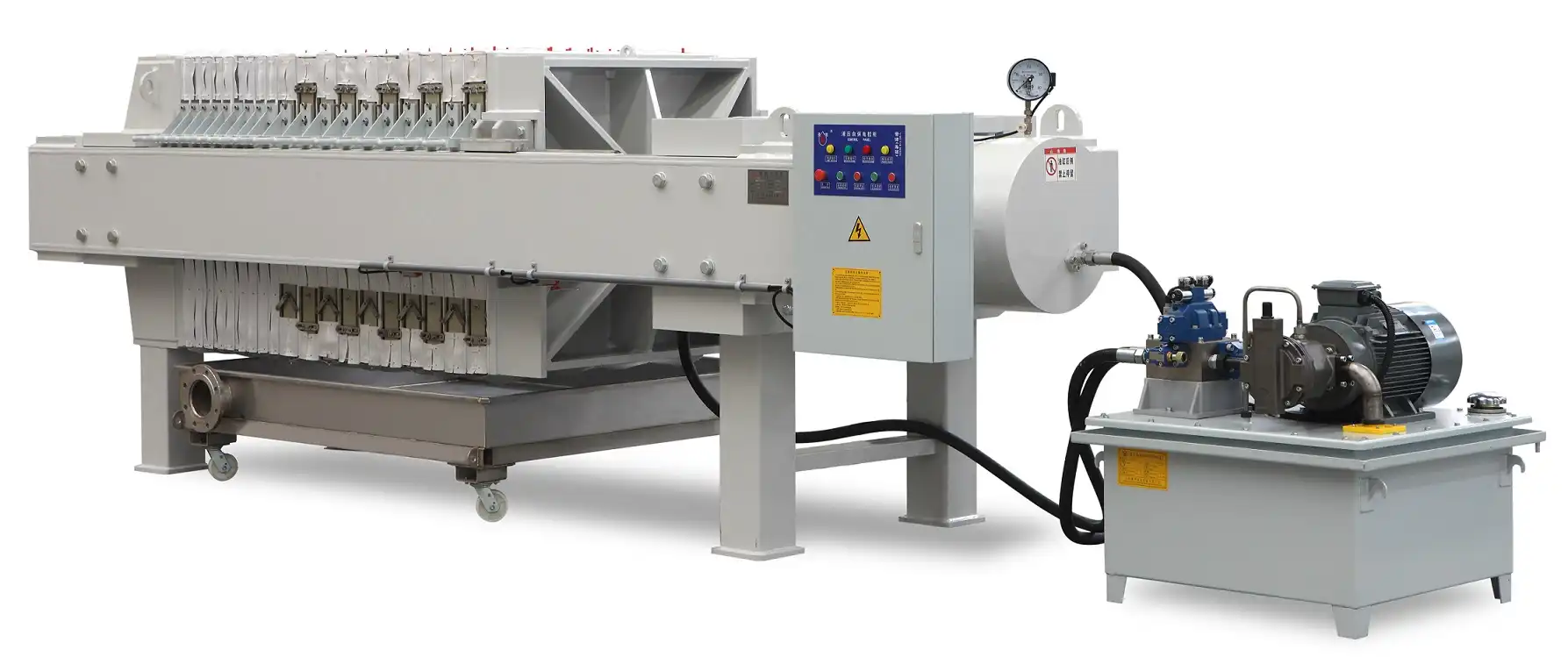
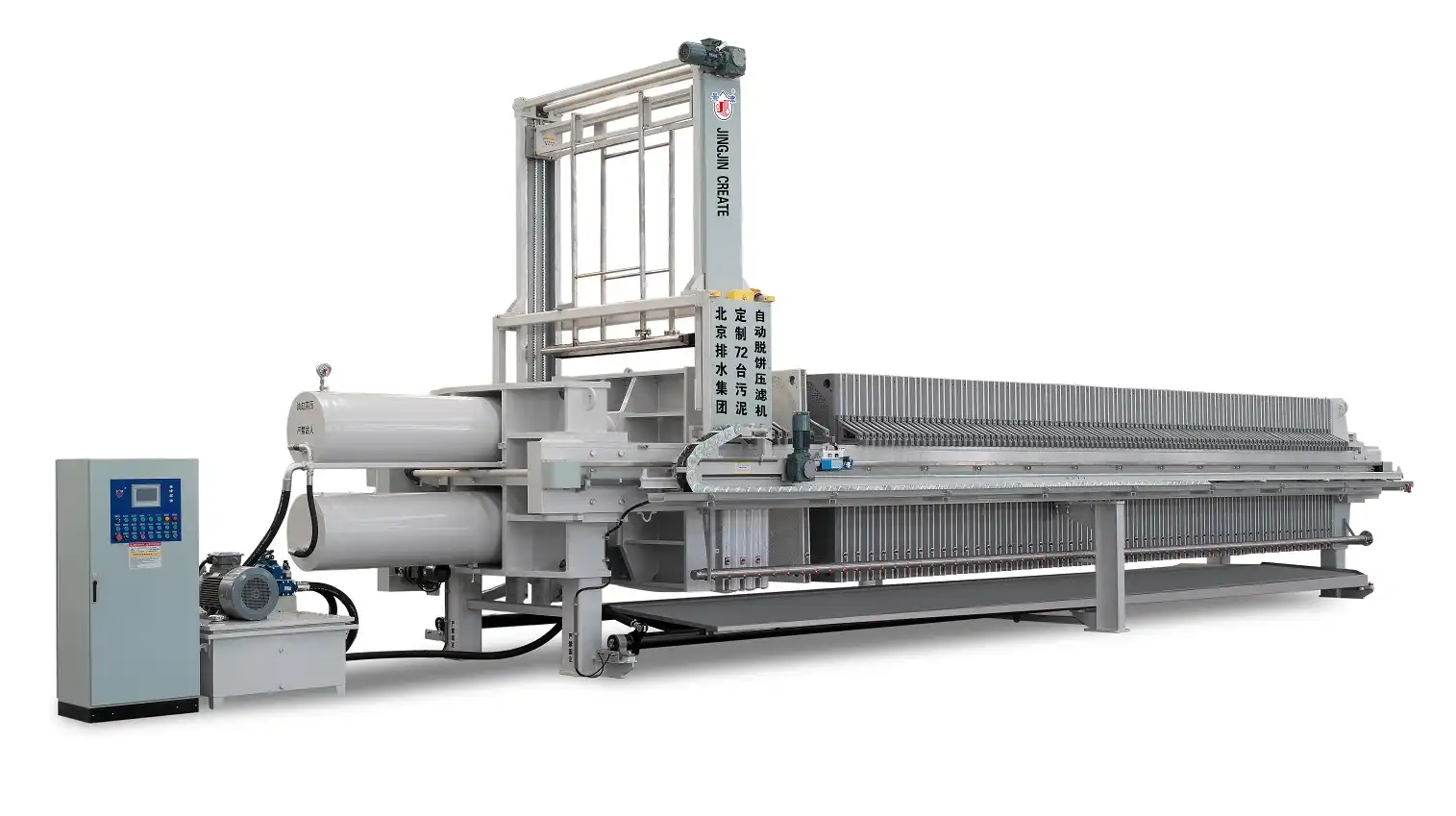
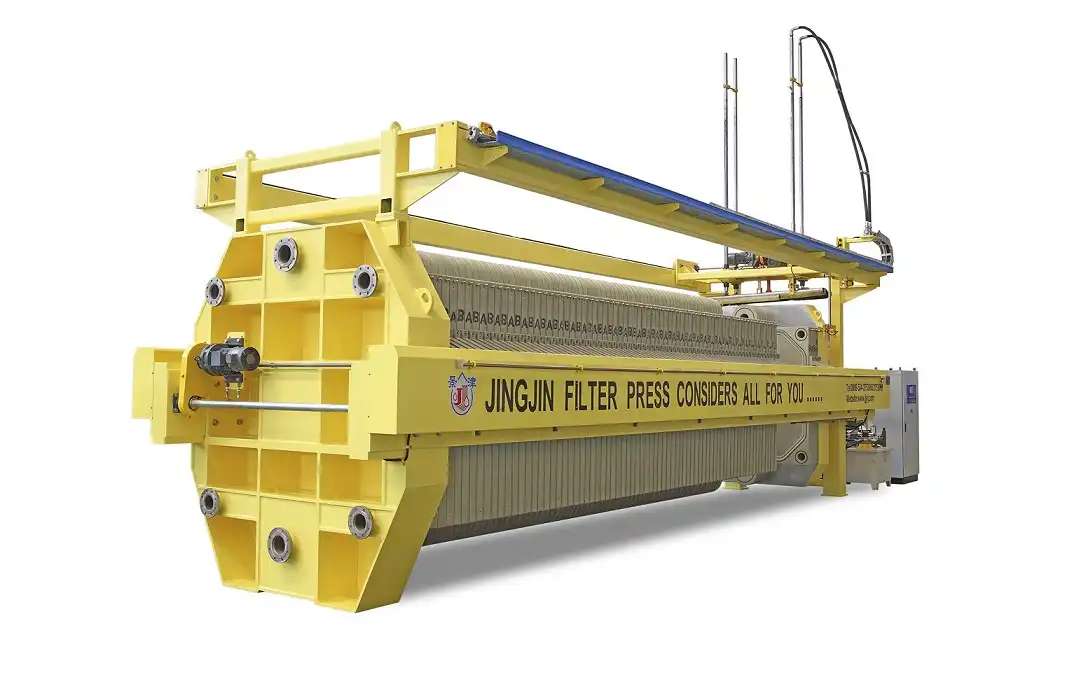
When put together under hydraulic pressure, plate and frame filtration systems are made up of filter plates and frames that move back and forth to create separate filtration rooms. The filter plates are usually made of cast iron, stainless steel, or special polymers. They have exact openings on the surface that make it easy for the filtrate to drain. Between these plates are filter cloths or membranes that separate the liquids and solids. The solids are caught by the membranes or cloths, while the liquids can pass through them.
The frame parts keep the plates at the right distance apart and hold the feed slurry in place during the filtering cycle. Good seals and sealing systems stop bypass and make sure that the filtering works as well as it can. Hydraulic cylinders apply constant pressure across the filter stack, compressing the whole system and making leak-proof seals that are necessary for proper operation.
Operational Principles and Filtration Mechanics
When pressurized liquid comes into the system through feed holes and spreads out evenly on the filter media surface, the filtration process starts. Solid particles stick to the cloth and make a filter cake. This cake actually helps with separation by adding more layers of filtering. The clean runoff goes through the cloth and along the holes in the plate to where it will be collected.
Modern systems have automatic controls that keep an eye on flow rates, pressure differences, and cycle times to get the best performance. Advanced pressure monitors can tell when filter cakes are the right thickness, which ends the cycle automatically and starts the cake disposal process.
Benefits and Applications of Plate and Frame Filtration in Industry
Plate and frame technology has been widely used in many industries because it has an excellent mix of practical and economic benefits. Comparing these systems to other filtering methods, they make the process more efficient and lower the total cost of ownership.
Economic Advantages and Operational Efficiency
Plate and frame methods are much cheaper than other options in a number of important ways. Operating costs stay low because the filters last a long time and don't need much energy. Getting released cakes to have very little moisture content cuts down on the cost of removal and often allows cakes to be recycled or used in a useful way again. The equipment is easy to maintain, and most of its parts can be inspected and replaced without the need for special tools or a lot of downtime.
By adding or removing plates, the modular design lets you change the capacity. This gives you operational freedom that lets you meet shifting production needs without having to make big capital investments. This scalability is especially helpful for sites that need to adjust to yearly changes or slowly add more space.
Industrial Applications Across Key Sectors
Plate and frame filtration systems are used in chemical processing plants to separate catalysts, recover pigments, and clean exotic chemicals. This technology works really well for tasks that need very pure filtrates and full solid recovery. Pharmaceutical companies use these systems to process APIs (Active Pharmaceutical Ingredients), which are very important for keeping products clean and getting them back.
Large-scale plate and frame devices are used in mining to handle tailings, dewater concentrates, and reclaim water. For these uses, strong building and dependable performance are needed in tough conditions with lots of hard and rough materials. More and more, municipal wastewater treatment plants are using this technology to remove water from sludge, which makes the cake much drier and lowers the amount of trash that needs to be thrown away.
Clarification processes, protein recovery, and waste stream cleaning are all used in food and beverage preparation. The systems are reliable enough to keep up with constant production plans while also meeting strict hygiene standards.
Comparing Plate and Frame Filtration Systems with Alternatives
To choose the best filtering technology, you need to look at its performance, how much it costs to run, and the needs of the application. Plate and frame systems have clear benefits in certain working situations, but they also have different drawbacks when compared to other technologies.
Performance Comparison with Membrane and Cartridge Filters
Membrane filter systems are great at getting rid of ultra-fine particles and running continuously, but they usually need more money and more complicated upkeep. Plate and frame technology handles different solid concentrations better and lowers the end moisture content of solids that are released. Even though the cake has to be discharged every so often, the batch operation mode is often better for situations where the feed conditions change.
Cartridge filters are useful for small-scale tasks, but they produce a lot of trash and cost a lot to run when they have to deal with large amounts of solids. Plate and frame systems save money on consumables because the filter cloths can be used more than once. They also allow for full material recovery, which could be useful for value recovery uses.
Advantages Over Centrifuge and Belt Filter Systems
Continuous operation is possible with centrifugal separation equipment, but it usually needs more energy and makes discharge cakes that are thicker. With plate and frame technology, filtration works better and can handle a wider range of particle sizes and feed compositions. The soft filtration process keeps the integrity of the particles, which makes it perfect for uses that need crystal structures to stay intact or minimal particle degradation.
Belt filter systems can work all the time, but they have trouble with sticky materials and need large wash water systems. Plate and frame filtration systems are better at working with tough materials and often get better cake dryness without needing to use wash water.
Maintenance, Troubleshooting, and Best Practices
Comprehensive repair plans help make sure that equipment works at its best, lasts longer, and experiences less unexpected downtime. The total cost of ownership and operational dependability are both affected by good maintenance methods in a big way.
Preventive Maintenance Protocols
As part of regular upkeep, filter cloths should be carefully checked for wear patterns, proper tensioning, and the formation of holes. When to change a cloth depends on how it is being used, but it is usually done every three to twelve months. Plate surfaces need to be cleaned every so often to get rid of buildup that could hurt the quality of the sealing or filter.
Regular fluid analysis, seal inspection, and pressure tests are all parts of hydraulic system care that make sure the compression forces are always the same. To keep cycle time and pressure management at their best, automated control systems need to be calibrated and sensors checked on a regular basis.
Common Operational Challenges and Solutions
Uneven cake production is often a sign of bad feed spread or worn filter cloths that need to be replaced. Longer cycle times may mean that the cloth is blinding, which means that it needs to be cleaned more thoroughly or the material of the cloth needs to be changed. Problems with the quality of the filtrate are usually caused by damaged cloth or not applying enough precoat.
Leaks are generally caused by seals that are worn out, plates that aren't compressed properly, or plate surfaces that are warped. Most sealing problems can be avoided by replacing gaskets on a regular basis and storing things the right way. Making sure the hydraulic pressure stays right during the filtration operation keeps the performance steady and stops bypass situations.
Procurement Guide: How to Choose and Buy Plate and Frame Filtration Systems
For equipment buying to go smoothly, technical needs, provider skills, and long-term support must all be carefully considered. Industrial filtration uses are very complicated, so it's important to pay close attention to the details of the specifications and the skills of the vendors.
Technical Specification Development
When figuring out how much room is available, capacity needs should take into account peak flow conditions and future growth needs. When testing materials, it's important to look at the chemicals in the feed, the temperature ranges, and any toxic conditions that might shorten the life of the equipment. How much automation is needed depends on how many operators are available and how well the new system can work with the old one.
When figuring out the filtration area, safety factors for changing feed conditions and possible process changes should be included. The requirements for pressure ratings must take into account the pump's powers and any pressure spikes that might happen during normal operation.
Supplier Evaluation and Selection Criteria
Reputable filter presses in the pharmaceutical industry offer full technical support, which includes the ability to do sample tests and thorough process models. Global service networks make sure that parts and expert help are always available, no matter where the installation is happening. Manufacturing quality standards and industry examples show that a provider can do what they say they can do and is reliable.
When thinking about long-term help, you should think about things like the availability of spare parts, training programs, and ways to update as processes need change. Established sellers offer useful application knowledge that can improve system performance and stop common operating problems before they happen.
Conclusion
Plate and frame filter systems are still very useful for separating solids from liquids in a wide range of industrial settings, showing steady performance and low costs. Along with ongoing technical changes, the technology has a history of working well in tough conditions, which means it will continue to be useful in modern manufacturing processes. Choosing the right system and keeping it in good shape are important for getting the most out of it and meeting goals for environmental safety and process efficiency.
FAQ
1. What factors determine optimal filter cloth replacement intervals?
When to change the filter cloth depends on a number of important factors, such as the type of feed, the operating pressure, and the quality standards for the filtrate. Abrasive materials make things wear out faster, and chemicals can break down fabric threads over time. When you check the cloth regularly, you can see wear patterns and holes that show it needs to be replaced before it stops working well.
2. How does system efficacy change with high solids content feeds?
Once the first cake forms, high solids amounts actually make filtration more effective because the solids provide more filtering media. Higher particle loads, on the other hand, might need longer cycle times and higher discharge pressure to get rid of cakes effectively. Systems made for using a lot of solids have better ways to release cakes and stronger plate construction.
3. What maintenance practices extend filtration plate lifespan?
When you clean regularly, you stop residue from building up, which could damage the surface or make closing difficult. When you store plates the right way, they are protected from damage from impacts and the surroundings. Plates won't warp or wear out too quickly if you don't use too much compression force and keep the hydraulic system running properly.
Partner with Jingjin for Superior Filtration Solutions
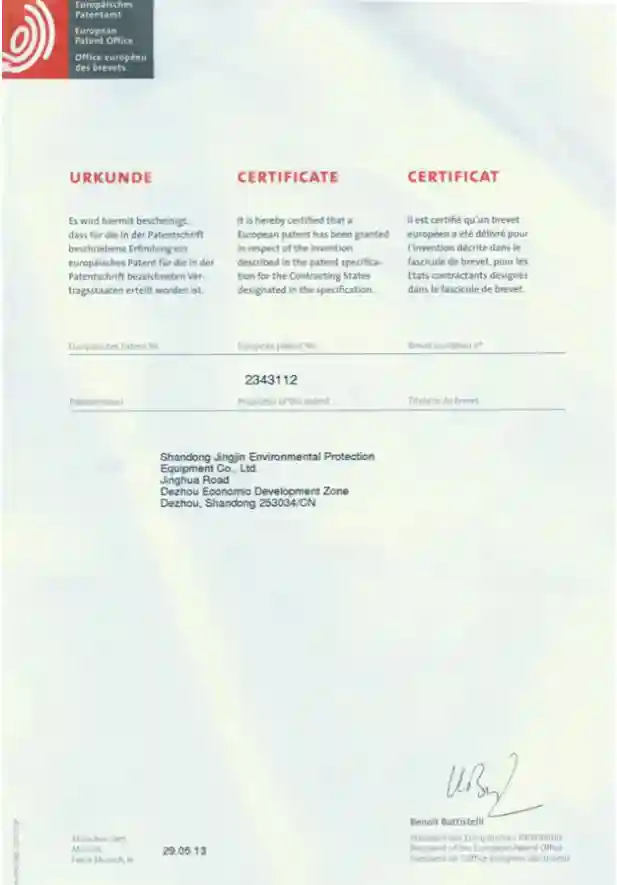
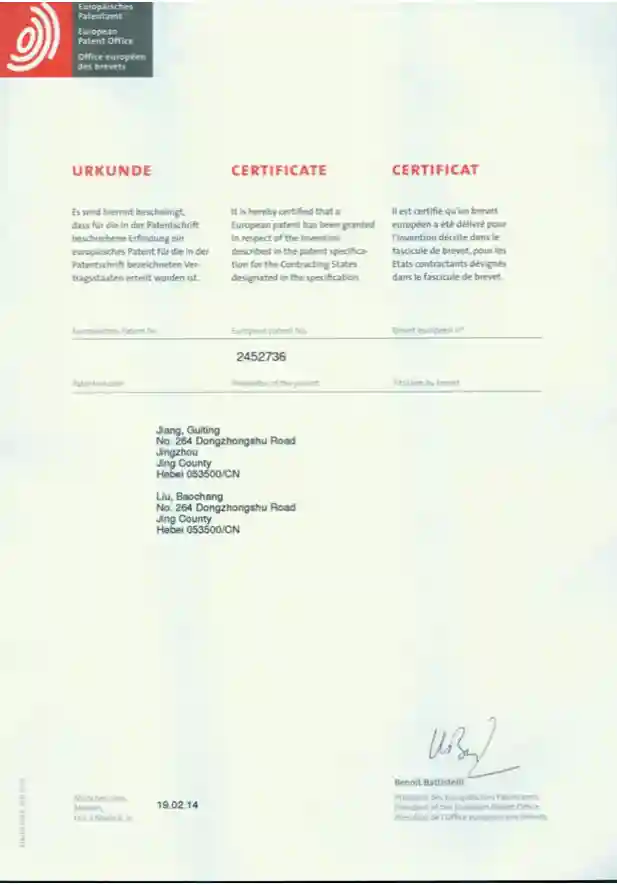
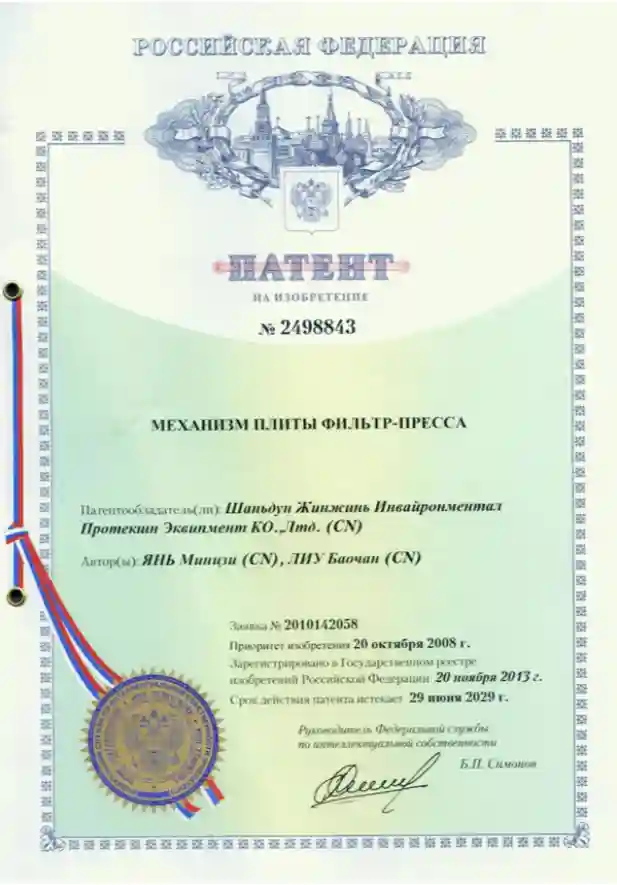
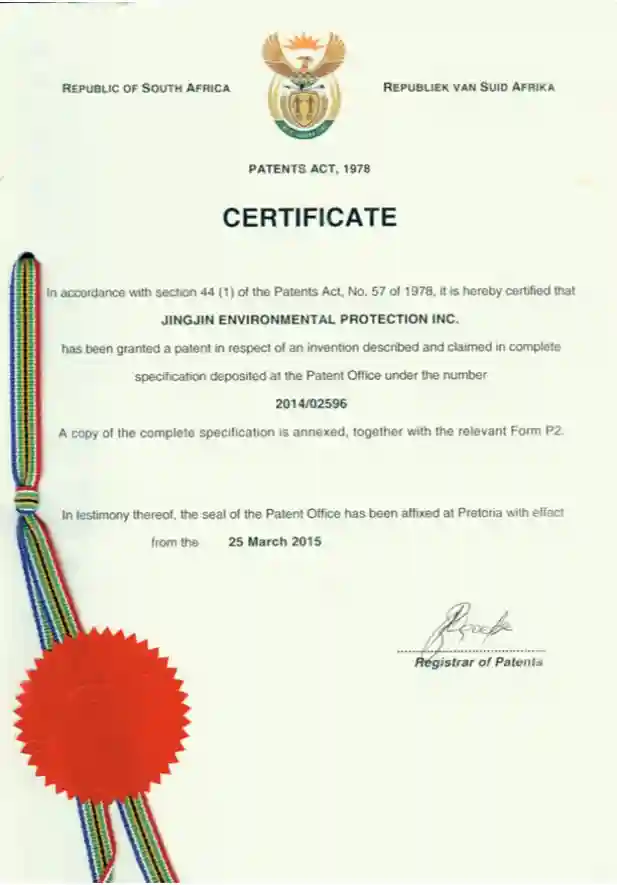
Jingjin Equipment Inc. has been solving industrial filtration problems with proven plate and frame filtration system technology for over 30 years. They have helped clients in 123 countries. We offer a wide range of products, such as advanced filter plates, high-performance filter cloths, and full package systems made for tough industrial uses. With more than 136 patents and a wide range of manufacturing skills, Jingjin provides dependable, low-cost options that improve business efficiency and meet strict environmental standards. Contact our technical team at [email protected] to talk about your unique needs and find out how our experience as a plate and frame filtration system supplier can help your process run more smoothly.
References
1. Perry, R.H., and Green, D.W. "Chemical Engineers' Handbook: Solid-Liquid Separation Equipment Design and Operation." McGraw-Hill Professional, 8th Edition.
2. Svarovsky, L. "Solid-Liquid Separation Technology: Industrial Filtration and Sedimentation Methods." Butterworth-Heinemann Engineering.
3. Wakeman, R.J. and Tarleton, E.S. "Solid/Liquid Separation: Equipment Selection and Process Design. "Advanced Filtration and Separation Technology.
4. American Water Works Association. "Industrial Wastewater Treatment: Filtration and Dewatering Technologies." AWWA Research Foundation.
5. Institute of Chemical Engineers. "Filtration and Separation Technology in Chemical Process Industries: Design, Operation, and Maintenance Guidelines. "IChemE Publications.
6. Environmental Protection Agency. "Industrial Filtration Systems: Performance Standards and Regulatory Compliance for Solid-Liquid Separation." EPA Technical Guidelines.
jingjin
Founded in 1988, Jingjin specializes in filter presses and liquid-solid separation solutions, serving over 130 countries worldwide, and is a standard-setter in China's filter press industry.
Get the Filter Press guide
Enter Your Email for Technical assistance for the Filter Press.

Recommended Blog
How to Choose the Best Feed Pump for Filter Press in Water Treatment
Custom Filter Presses for the Chemical Industry: Choosing the Right Solution
Dewatering Press Machines for Middle East Desalination Plants
Understanding Technical Specifications of Press Filters: A Complete Guide
Why Vietnam Wastewater Plants Choose China Multi Disk Screw Press?
What Are Filter Press Plates and How Do They Work? A Comprehensive Guide
Automated Filter Press Systems: Revolutionizing Industrial Filtration Processes
What Materials Are Used to Make Filter Press Cloths? A Comprehensive Guide