Where to Buy Reliable Press Filters for Chemical and Mechanical Filtration
Where to Buy Reliable Press Filters for Chemical and Mechanical Filtration
Understanding the Global Press Filter Market Landscape
- Understanding the Global Press Filter Market Landscape
- Key Applications Driving Filter Press Selection
- Evaluating Press Filter Sourcing Channels
- Supplier Qualification and Risk Management
- Optimizing Press Filter Procurement Strategy
- Conclusion
- Frequently Asked Questions
- Partner with Jingjin for Industrial Press Filter Excellence
- References
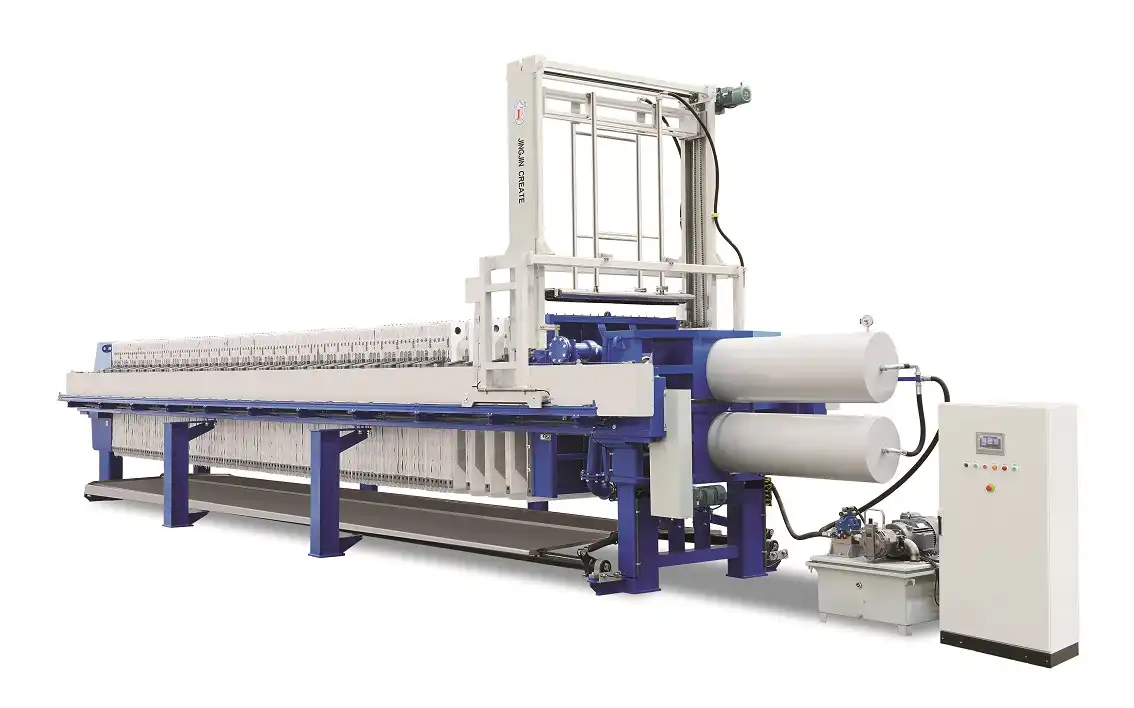
Manufacturer capabilities, product quality, and worldwide service networks must be considered while choosing chemical and mechanical press filter providers. Jingjin Equipment Inc., specialist distributors, B2B platforms, and regional dealers that understand industry needs provide lasting filter press solutions to industrial facilities. Partnering with providers that provide technical assistance, established track records, and specialized filtering systems that fulfill demanding operating standards across varied industrial applications is vital.
Understanding the Global Press Filter Market Landscape
As companies emphasize environmental compliance and operational efficiency, solid-liquid separation equipment demand grows globally. Modern manufacturers realize that excellent filtering equipment reduces waste disposal costs and improves process dependability, boosting profits.
Market Drivers Shaping Filter Press Demand
Environmental laws in key industrial locations drive innovative dewatering systems. Australian and South American mines need durable abrasive tailings management systems. European chemical factories need corrosion-resistant materials for harsh processes. Equipment that reduces moisture consistently and requires little maintenance is sought by wastewater treatment plants worldwide.
Pharma and food processing need sanitary design and materials that fulfill high contamination standards. Specific filter press setups with better cleaning and regulatory compliance documents are needed in these sectors.
Regional Supply Chain Considerations
Industrial infrastructure and low production costs make Asia-Pacific filter press manufacturing dominant. European manufacturers emphasize high-end engineering and specific applications. Many North American vendors prioritize service networks and fast replacement parts delivery.
Learning regional strengths helps procurement teams match supplier choices to project needs. Large-scale mining initiatives may emphasize production and cost. Premium vendors with validation support and technical experience are needed for critical process applications.
Key Applications Driving Filter Press Selection
Different industries have different filtering equipment performance and design requirements. Knowing these applications helps buyers find vendors with appropriate knowledge and proven solutions.
Mining and Mineral Processing Operations
Mining facilities handle large amounts of abrasive slurries of various concentrations. High-pressure filter presses with little downtime are needed for tailings dewatering. To enhance downstream handling and shipping, concentrate processing requires accurate moisture control.
Mining suppliers must provide case studies and reference installations to prove equipment durability. Customizing plate materials, hydraulic systems, and automation packages is essential for tough working situations.
Chemical and Pharmaceutical Manufacturing
Different chemical waste streams need different management methods. Equipment that avoids batch contamination is needed by pigment makers. Pharmaceutical production requires validation paperwork and approved supplies.
Filter press vendors targeting these markets must have industry-standard quality management systems. Process optimization and sophisticated chemical matrix problems should be technical support services.
Municipal and Industrial Wastewater Treatment
Wastewater treatment plants promote dependability and cost-effective sludge management. Municipal plants with limited technical personnel need intuitive equipment and extensive training. Specialized waste streams may need tailored filtering in industrial operations.
Successful vendors in this market offer comprehensive system packages including auxiliary equipment, control systems, and long-term service agreements. Performance assurances and operating cost predictions boost supplier competitiveness.
Evaluating Press Filter Sourcing Channels
Press filter equipment may be purchased via several channels, each with pros and cons. Understanding these possibilities and matching channel selection to project needs is strategic sourcing.
Direct Manufacturer Partnerships
| Advantages | Disadvantages |
|---|---|
| Access to latest technology innovations | Potential minimum order requirements |
| Comprehensive technical support | Limited local service presence |
| Competitive pricing for large orders | Longer communication response times |
| Customization capabilities | Complex international logistics |
| Warranty and service commitments | Cultural and language considerations |
Established manufacturers like Jingjin Equipment Inc. offer extensive product portfolios and global service networks. Direct relationships provide access to engineering expertise and customization capabilities unavailable through intermediaries. However, smaller facilities might find minimum order quantities challenging or delivery timelines extended.
Regional Distributors and Representatives
Local distributors connect global producers to localized clients. These partners usually stock replacement parts and provide field service. Market expertise helps manage local rules and installation.
Standardized equipment procurement and maintenance support benefit from distributor partnerships. Highly specialized applications may need manufacturer cooperation. Direct sourcing may have lower margins than distributor pricing.
B2B Marketplace Platforms
Online platforms help find and qualify suppliers. These channels provide fast supplier comparison and simple specification matching. Document sharing and preliminary quotation are simplified by digital technologies.
Platform-based sourcing fits regular purchases and market research. Beyond platform capabilities, direct supplier involvement benefits complex technological needs. Quality verification and supplier authentication demand extra vigilance.
Engineering, Procurement, and Construction (EPC) Integration
Complete facility packages from EPC contractors frequently include filtering equipment. This method streamlines project management and system integration. EPC partnerships may use bulk buying and standardization.
New projects and substantial expansions benefit from integrated procurement. Existing facility renovations may benefit from filtering expertise not accessible in EPC.
Supplier Qualification and Risk Management
Proper supplier assessment prevents project delays and performance issues. Systematic qualifying finds trusted partners for long-term operations.
Technical Capability Assessment
Assess press filter supplier engineering and design capability for particular applications. Request complete reference lists with contact information for comparable setups. Compare project technical documentation quality and completeness.
Audits of manufacturing facilities reveal quality control and production capacity. Examine industry-specific testing and validation methods. Check spare parts and long-term component support.
Financial Stability and Business Continuity
Long-term parts and service availability depends on supplier finances. Request audited financial accounts and credit references from established clients. Assess supply chain interruption business continuity plans.
Distribution of manufacturing and service hubs by geography. Supply chain resilience comes from several manufacturing sites. Equipment lifecycle support is responsive with regional service.
Quality Management and Compliance
Check supplier quality certifications for your industry and application. Material certifications and production controls are needed for pharmaceutical and food processing. Durability and performance testing are priorities in mining.
Check supplier change control for product design and production. Understand material substitution and design change notification methods. Assess regulatory compliance paperwork.
Optimizing Press Filter Procurement Strategy
Technical, commercial, and operational restrictions must be balanced for successful procurement. Strategic techniques increase equipment value and reduce project risks.
Specification Development and Vendor Engagement
Clear standards allow supplier comparisons and performance assessment. Specify process conditions, material compatibility, and performance. Set documentation and validation support needed.
Specification development should include numerous qualified providers. Their comments might suggest optimization and alternatives. Early supplier interaction frequently exposes novel alternatives not included in original planning.
Commercial Terms and Risk Allocation
Negotiate project cash flow-friendly payment conditions. Consider crucial performance parameter guarantees and penalties. Clear delivery schedules with completion milestone payments.
Customized design IP considerations. Define regulatory approval and permit responsibilities. Set up conflict resolution and controlling legislation.
Project Implementation and Lifecycle Support
Schedule supplier activity around project timeframes and resource availability. Prepare for installation oversight and commissioning. Schedule operator training and maintenance procedure development.
Set up long-term maintenance and emergency support contracts. Set replacement part prices and availability. Schedule performance evaluations and optimizations.
Conclusion
Selecting dependable chemical and mechanical press filters involves careful consideration of technical capabilities, commercial terms, and long-term support. Understanding application requirements and integrating supplier selection with operational needs is key to success. Direct manufacturer partnerships generally provide the best innovation and customization. Regional distribution networks provide local assistance and responsiveness. Comprehensive supplier certification prevents performance failures and guarantees long-term cooperation. Strategic procurement combines technical brilliance with commercial viability to build operational success.
Frequently Asked Questions
1. What factors should guide press filter supplier selection?
Prioritize suppliers with demonstrated experience in your specific application. Evaluate technical capabilities, including engineering resources and manufacturing quality systems. Consider long-term support availability, including spare parts and service networks. Assess financial stability and business continuity planning. Review reference installations and customer feedback for similar applications.
2. How can I verify filter press manufacturer credibility?
Request detailed reference lists with contact information for recent installations. Conduct facility audits to observe manufacturing processes and quality controls. Review financial statements and credit references from established customers. Examine quality certifications and industry compliance records. Evaluate technical documentation quality and engineering support capabilities.
3. What are typical lead times for custom filter press systems?
Standard configurations typically require 8-12 weeks from order confirmation. Custom designs may extend lead times to 16-20 weeks depending on complexity. Large-scale systems and specialized materials can require 24-30 weeks. Early supplier engagement during project planning helps optimize delivery schedules. Consider local inventory availability for faster delivery options.
4. How do I ensure filter press performance meets specifications?
Develop detailed performance specifications including capacity, moisture content, and cycle times. Request performance guarantees with defined test conditions and acceptance criteria. Plan factory acceptance testing before shipment when feasible. Establish commissioning procedures with supplier technical support. Document baseline performance for ongoing monitoring and optimization.
5. What maintenance support should I expect from suppliers?
Comprehensive maintenance programs should include routine inspection procedures and preventive maintenance schedules. Suppliers should provide training for local maintenance staff and troubleshooting guidance. Spare parts availability and pricing commitments ensure long-term operational support. Emergency service response capabilities minimize unplanned downtime. Regular performance reviews identify optimization opportunities.
Partner with Jingjin for Industrial Press Filter Excellence
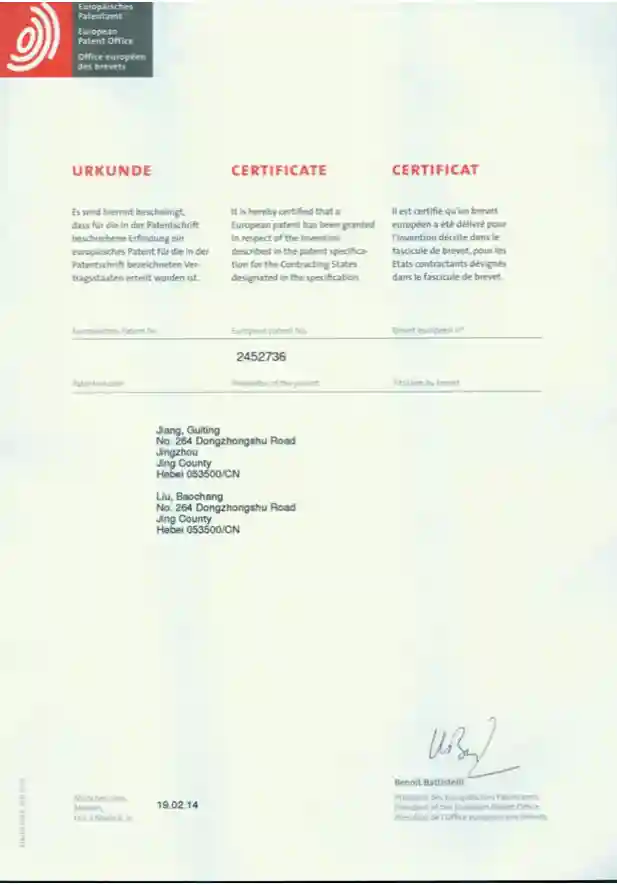
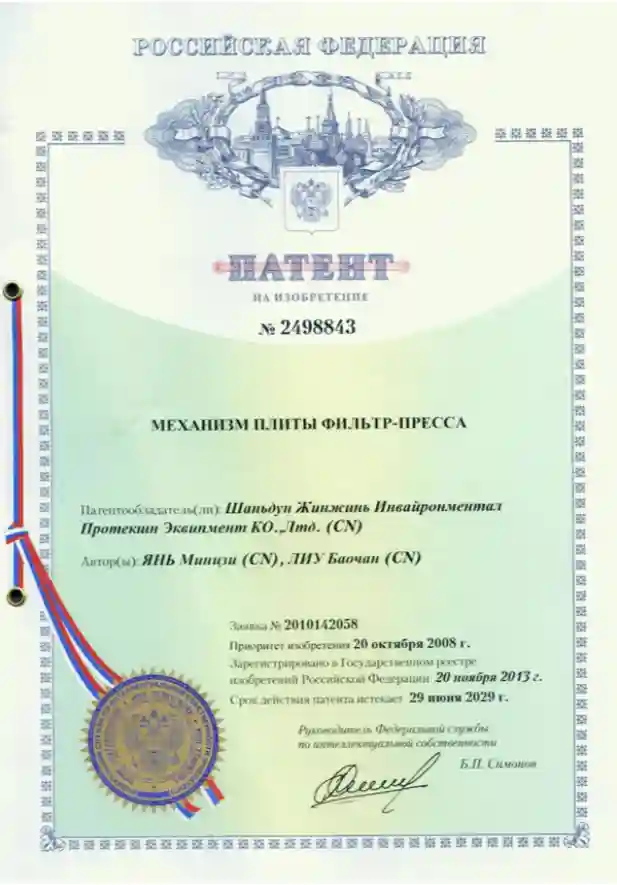
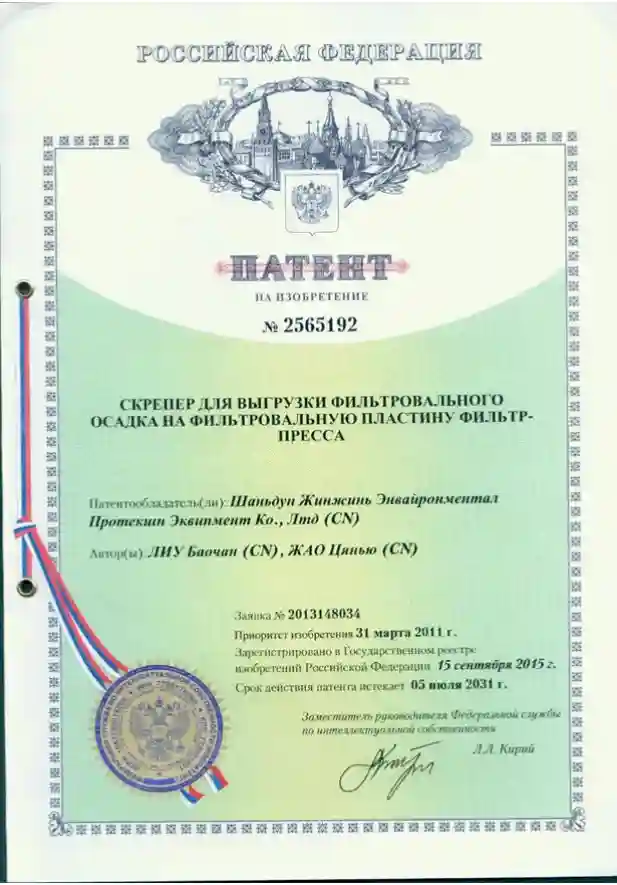
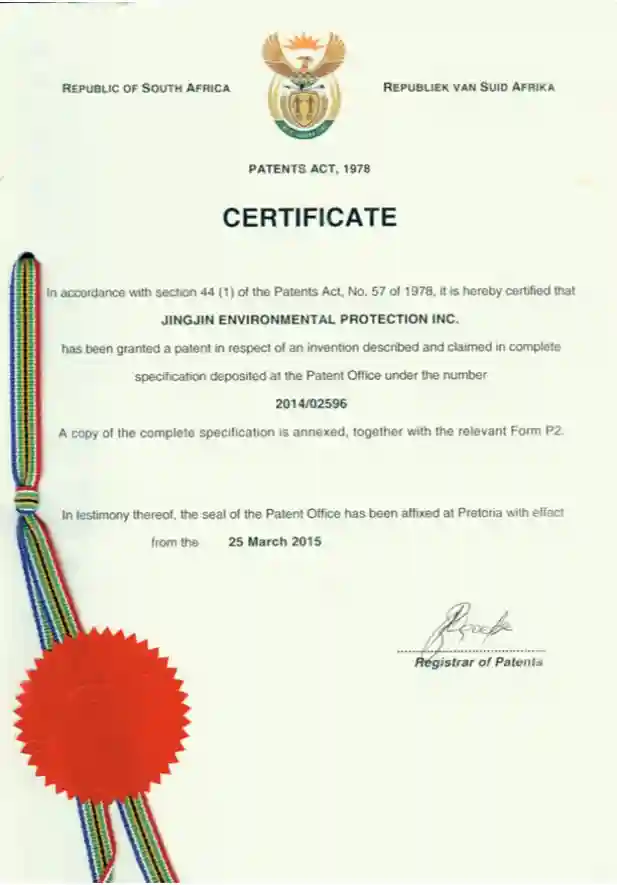
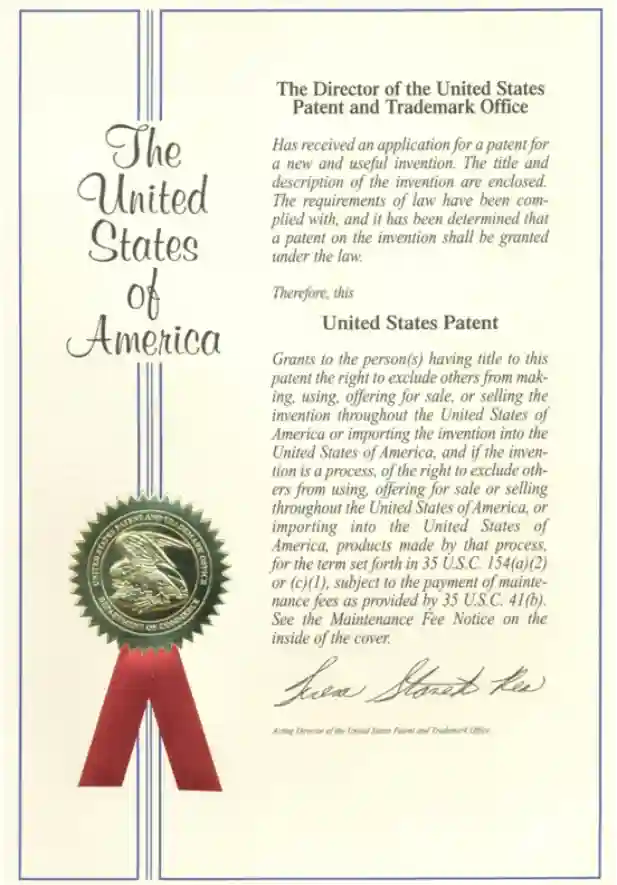
Over 35 years of technical expertise have made Jingjin Equipment Inc. a worldwide press filter leader servicing 123 countries. For tough industrial applications, our filtering solutions combine patented technology, large-scale manufacture, and dependability. Process engineers and procurement managers worldwide trust Jingjin's mining, chemical, wastewater, and industrial filtration expertise. Contact our technical consultants at [email protected] to discuss your press filter needs with an experienced, operationally excellent manufacturer.
References
1. Smith, J.R. & Johnson, M.K. (2023). "Industrial Filtration Equipment Selection Criteria for Chemical Processing Applications." Journal of Separation Science and Technology, 45(3), 234-248.
2. Chen, L. & Williams, P.D. (2022). "Global Market Analysis: Solid-Liquid Separation Equipment Trends and Regional Demand Patterns." Industrial Equipment Review, 78(12), 89-102.
3. Rodriguez, A.M. (2023). "Supplier Qualification Best Practices for Critical Process Equipment Procurement." Procurement Management Quarterly, 29(2), 156-171.
4. Thompson, K.L. & Brown, S.J. (2022). "Press Filter Technology Advances in Mining and Mineral Processing Applications." Mining Engineering International, 67(8), 445-459.
5. Davis, R.E., Kumar, V. & Lee, H.S. (2023). "Wastewater Treatment Equipment Selection: Performance Criteria and Lifecycle Cost Analysis." Water Treatment Technology, 41(6), 78-92.
6. Anderson, M.P. & Zhang, Q. (2022). "Risk Management Strategies in International Industrial Equipment Sourcing." Global Supply Chain Management, 15(4), 203-218.
jingjin
Founded in 1988, Jingjin specializes in filter presses and liquid-solid separation solutions, serving over 130 countries worldwide, and is a standard-setter in China's filter press industry.
Get the Filter Press guide
Enter Your Email for Technical assistance for the Filter Press.
Recommended Blog
Where European Distributors Source Press Filter from China?
Cost-Effective Press Filter Solutions for Wastewater Treatment Plants
Durable Screw Dewatering Machines for Mining: Features to Look For