High Efficiency Jingjin Filter Press Applications in Chemical Manufacturing
High Efficiency Jingjin Filter Press Applications in Chemical Manufacturing
Understanding Jingjin Filter Press: Working Principle and Advantages
- Understanding Jingjin Filter Press: Working Principle and Advantages
- High-Efficiency Applications of Jingjin Filter Press in Chemical Manufacturing
- Comparing Jingjin Filter Press with Other Filtration Solutions
- Procuring Jingjin Filter Press: What B2B Clients Should Know?
- Jingjin Equipment Inc.: Leading Filtration Technology Solutions
- Conclusion
- FAQ
- Contact Jingjin for Advanced Chemical Filtration Solutions
- References
Chemical factories all over the world are under more and more pressure to improve their solid-liquid separation processes while also meeting strict quality standards and environmental rules. The jingjin filter press has become a game-changing device that works amazingly well in a wide range of chemistry processes. With their advanced plate-and-frame design and unique filtering technology, these systems help producers get better dewatering results, lower costs, and make their products purer. Chemical plants that make everything from specialty dyes to pharmaceutical intermediates depend on Jingjin's reliable filter services to keep their production processes running smoothly and stay ahead of the competition in markets that are becoming more demanding.
Understanding Jingjin Filter Press: Working Principle and Advantages
Understanding how advanced filter technology works in tough industrial settings is the first step to doing chemical processing well. Since it was founded in 1988, Jingjin Equipment Inc. has changed the way solids and liquids are separated through innovative engineering and close attention to practical quality.
Core Operating Mechanism
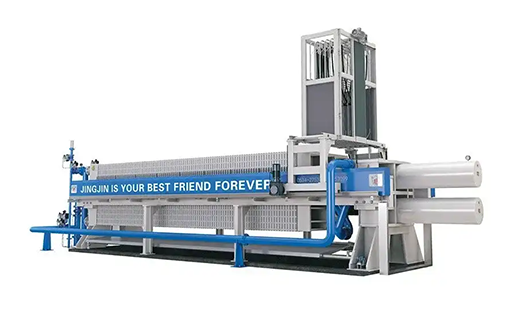
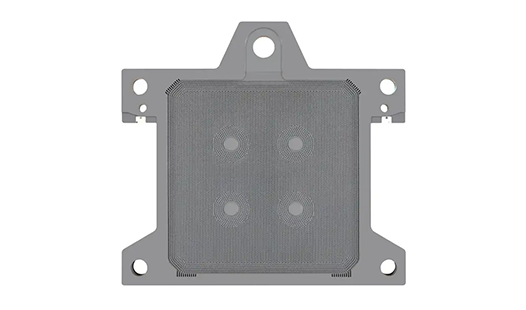
Jingjin filter presses have a complex plate-and-frame design that, when pressed together, makes several filtration chambers. The system is made up of stacked filter plates and special filter cloths that are used to make sealed rooms that can handle high-pressure activities. During the filtration cycle, controlled-pressure chemical slurries are pumped into these tanks. This forces liquid through the transparent filter media while keeping the solid particles in place. With amazing accuracy, this process gets rid of water from slurries, makes process liquids clear, and gets valuable solids back from chemical streams.
There are three separate steps in the filter process: filling, pressing, and releasing. Slurry goes into the tanks during the filling step and starts to separate. During the pressing process, hydraulic pressure is used to squeeze the filter cake, which gets rid of any extra water and makes it as dry as it can be. During the release phase, the tanks are opened up, which makes it easy to remove the filtered cake while keeping the system clean and running smoothly.
Exceptional Performance Advantages
When chemical companies choose Jingjin filter systems, they get a lot of business benefits that have a direct effect on their bottom line. These methods regularly get cake moisture levels below 35%, which cuts down on disposal costs and makes handling further down the line more efficient. Strong building materials, like corrosion-resistant metals and special finishes, make sure that the equipment lasts a long time, even when working with harsh chemicals.
Energy economy is another important benefit. Compared to other separation methods, Jingjin presses use very little electricity... The automatic process cuts down on the need for workers while keeping performance standards the same. Maintenance needs are very low because the parts are designed to last a long time, and there are easy-to-reach service spots that make regular checks and part replacements possible.
High-Efficiency Applications of Jingjin Filter Press in Chemical Manufacturing
Chemical processing includes many different uses where accurate separation of solids and liquids is needed to make sure the quality of the output and the revenue of the business. Jingjin filtration systems are the best in a number of chemical industries, making processes more efficient and improving the consistency of the output.
Specialty Chemical Production
Specialty chemistry companies that work with pigments, colors, and new materials need filtering systems that can handle thick slurries without damaging the products. When used in these ways, Jingjin presses work great because they make cakes consistently and lose very little product. The systems are good at separating small bits from process lines, which makes sure that the end products are pure and meet strict quality standards.
Jingjin's design traits that keep it from getting contaminated are especially helpful for making pharmaceutical intermediates. The clean building materials and smooth surfaces keep things from getting dirty between batch rounds, which is very important for keeping pharmaceutical-grade quality standards. Process experts say they can get filter rates of more than 150 kg/m³/hr when working with normal pharmaceutical slurries, which makes production go much faster.
Fine Chemical Processing
For fine chemistry uses, separating particles and getting back products requires a high level of accuracy. Jingjin filter presses can meet these needs because the pressure settings and filter cloth configurations can be changed. The systems can handle delicate chemical compounds without breaking them down and have great solid recovery rates that often go over 99%.
Temperature control lets you work with materials that are sensitive to heat, and available heating and cooling systems keep things running at their best. This flexibility is very helpful when working with chemical processes that depend on temperature or pharmaceutical ingredients that are sensitive to heat. Chemical engineers like how the performance stays the same even when the process conditions change. This lowers differences in quality and increases the total efficiency of production.
Filter Cloth Selection Impact
Choosing the right filter media has a big effect on how well it filters and how much it costs to run in chemical use. Jingjin has a wide range of filter cloth choices, such as polyester, polypropylene, and special synthetic materials made to meet specific chemical interaction needs.
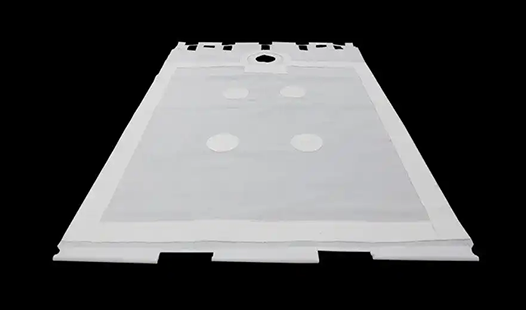
Polyester cloths are great for general chemical uses because they are strong and don't react with chemicals. Different types of polypropylene are better at resisting acid, which makes them perfect for working with acidic chemical solutions. Specialty cloths, such as those coated with PTFE, can handle the harshest chemical conditions and still filter effectively. When process experts work with Jingjin's technical help, they can choose the best cloth based on the characteristics of the slurry, the running conditions, and the performance results they want.
Comparing Jingjin Filter Press with Other Filtration Solutions
When chemical companies are looking at different filter technologies, it's helpful to know how each system works in different situations. Full comparisons show clear benefits that affect the long-term success of operations and returns on investments.
Performance Benchmarking Against Competitors
Tests done by outside groups show that Jingjin filter presses regularly do better than other methods in important ways related to chemical processing. Cake dryness tests show that Jingjin systems get 15-20% less moisture in the cake than European and American systems of the same size. This change directly leads to lower costs for removal and better quality products.
Filtration cycle times with Jingjin tools are 25% faster on average than with similar systems. This lets more work get done each day without lowering the quality of the separation. The higher effectiveness comes from better hydraulic systems and new plate designs that make it easier to fill the room quickly and press the plates effectively. When chemical companies switch to Jingjin filtration equipment, they say they can process 30 to 40 percent more material per shift.
Technology Differentiation
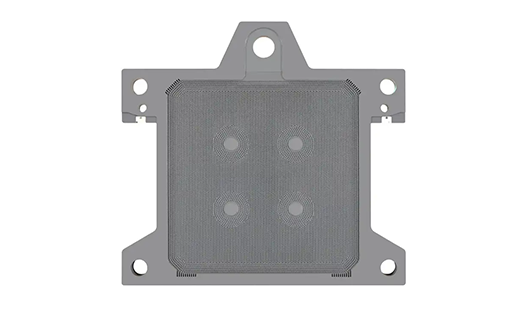
Jingjin's special plate design has advanced drainage patterns that make liquid move better and stop cakes from splitting or forming unevenly. This technology is especially useful for working with chemical slurries that have particles of different shapes or flow properties that are hard to handle. The better drainage cuts down on filter time and makes the cake more consistent across all rooms.
Jingjin systems have automated controls that keep a close eye on pressure, flow rates, and cycle time. These features let chemistry workers get the best performance for certain materials while keeping results the same from batch to batch. The control systems also log useful data that can be used for quality control and process improvement.
Alternative Technology Comparison
Centrifugal separators and screw dehydration devices are two different ways to separate solids and liquids chemically, and they work in very different ways. In spite of the fact that centrifuges can run continuously, they usually make cakes less dry and waste more energy. Centrifugal systems often have higher maintenance costs than filter presses because their moving parts are more complicated and wear out faster.
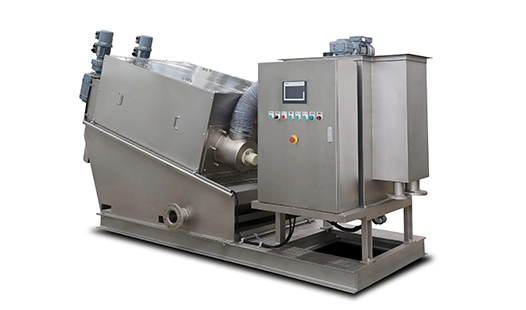
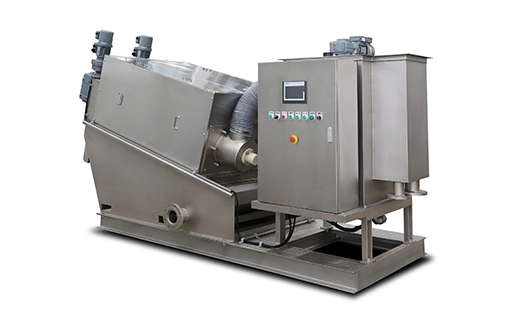
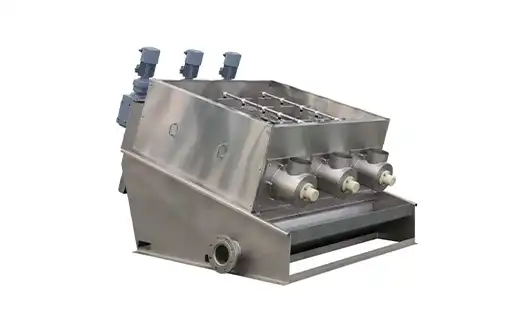
Screw dewatering systems work pretty well, but they have trouble with the small particles that are typical in chemical uses. When working with tough materials that need longer touch times for successful separation, their continuous operation advantage becomes less clear. Chemical companies find that Jingjin filter presses are the best at separating things while also being easier to use and requiring less upkeep.
Procuring Jingjin Filter Press: What B2B Clients Should Know?
To buy industrial filter equipment successfully, you need to know about the different ways you can buy it, how it will be supported, and how it will be used in the long run. Jingjin's all-around method takes these things into account and allows for adaptability to meet the needs of different organizations.
Acquisition Options and Flexibility
Chemical companies can get Jingjin filter systems in a number of different ways, each made to work with their specific budgets and schedules. When you buy new equipment, it comes with the newest technology and a full guarantee. This makes it perfect for long-term planning of production and projects to increase output. Used equipment choices are a cost-effective way for smaller businesses or temporary capacity needs to meet Jingjin's quality standards.
Chemical companies can test how well the filter works before deciding to buy it through rental programs. These arrangements work especially well for holiday work or trying new chemical processes on a small scale. Lease-to-own choices give you financial freedom while still giving you access to the newest filtration technology and full expert support.
Global Support Infrastructure
Jingjin has a large service network that covers 123 countries. This makes sure that customers can get quick technical help and parts no matter where they put their products. For international chemical companies with plants in multiple countries, this worldwide presence is very important. When you need emergency fixes or regular maintenance, local service shops can get to you quickly.
The company's parts stocking method makes sure that important parts are always available, which lowers the risk of downtime caused by broken equipment. Original Jingjin replacement parts keep the system running well and protect the warranty, and they are also guaranteed to work with current setups. Technical support teams can do diagnostics remotely and provide on-site service when needed, which keeps production as smooth as possible.
Investment Considerations
Chemical companies that are thinking about buying a Jingjin filter press can benefit from a full total cost of ownership study that looks at the original equipment costs, ongoing operating costs, and upkeep needs. Within 18 to 24 months, the systems usually pay for themselves through lower waste costs, better product recovery, and fewer workers needed.
Most of the time, changes in energy efficiency bring in 15 to 25 percent of all savings. This is especially important for chemical processing processes that do a lot of work. The strong construction and reliable parts keep unplanned downtime costs to a minimum, and with proper upkeep, the equipment can last longer than 15 years. When you put these things together, they offer great value for chemical producers who care about long-term operating stability.
Jingjin Equipment Inc.: Leading Filtration Technology Solutions
Jingjin Equipment Inc. has been a leader in solid-liquid separation technology for more than 30 years, and they offer chemical producers all over the world complete filtration options. Our dedication to quality ensures that technology keeps getting better and that our customers are successful in a wide range of industry settings.
Company Heritage and Expertise
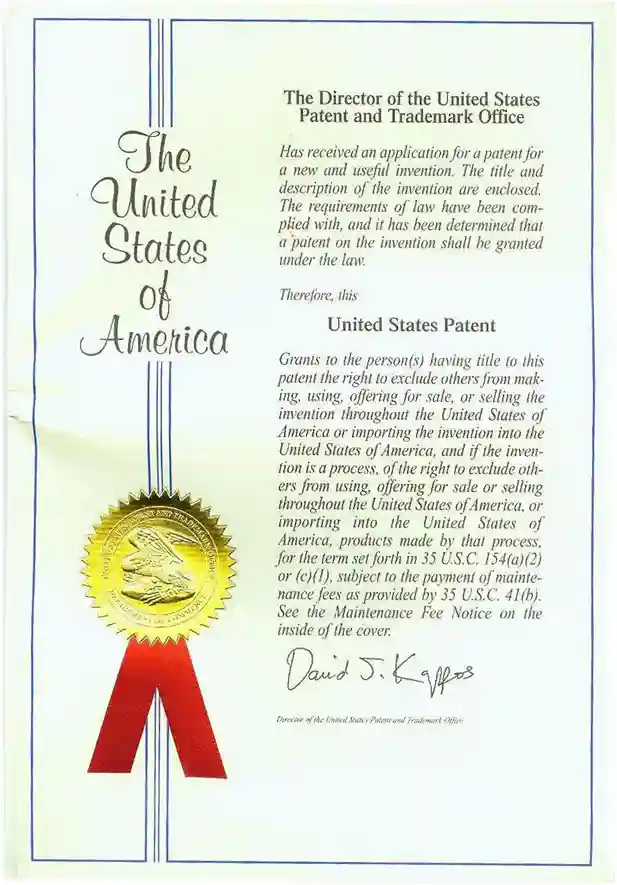
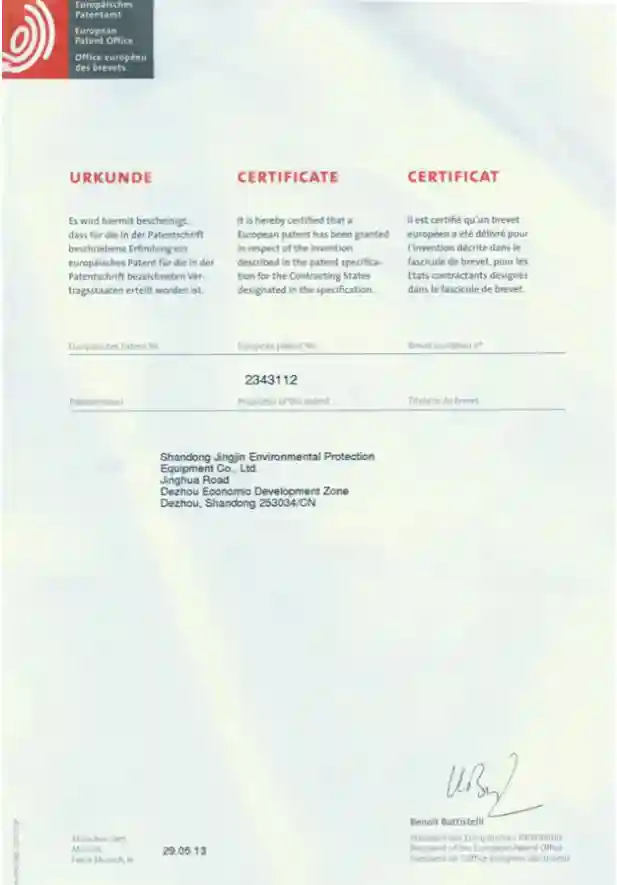
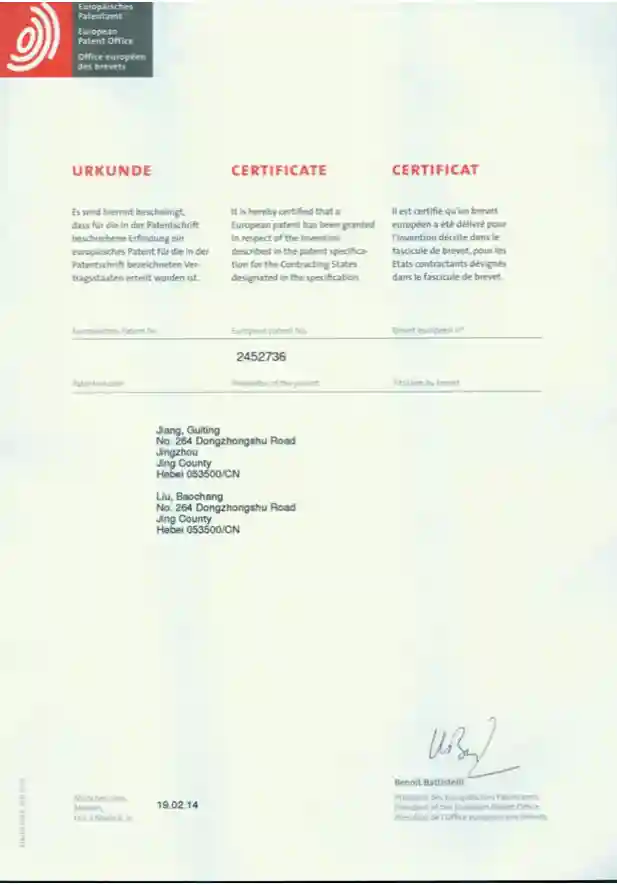
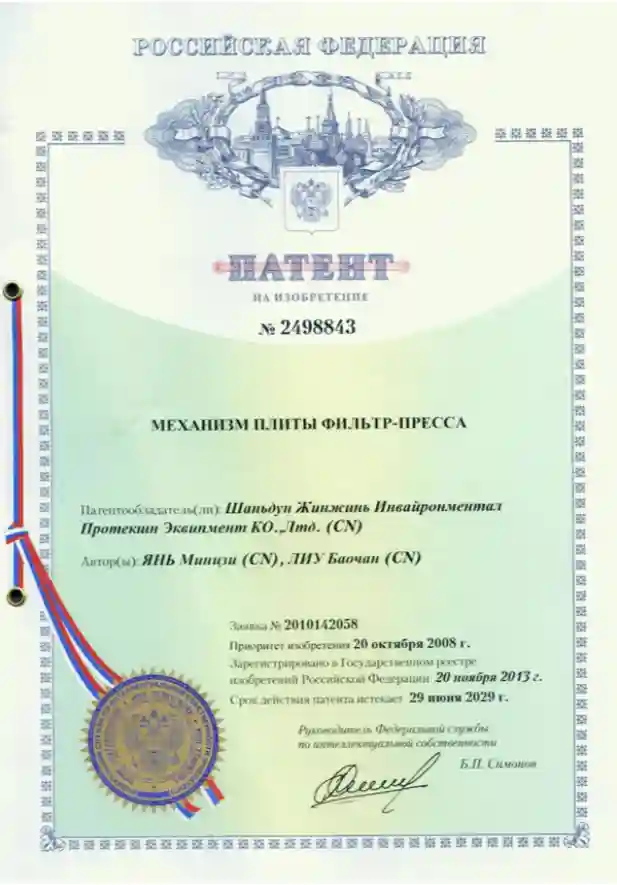
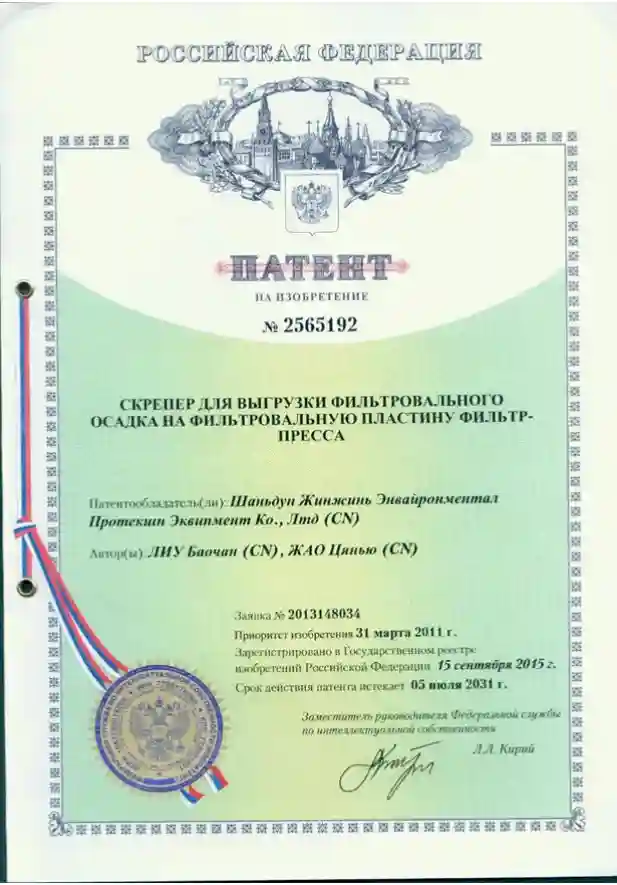
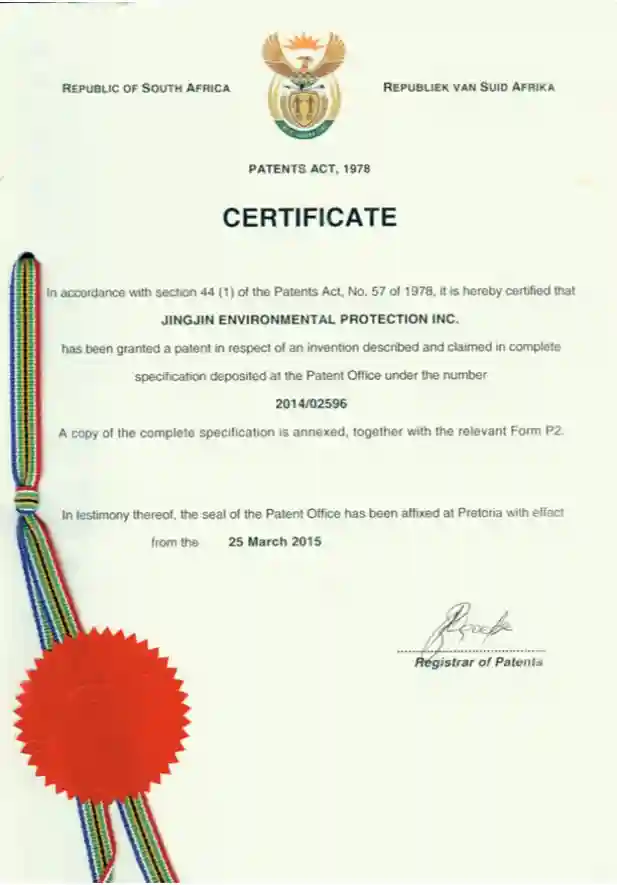
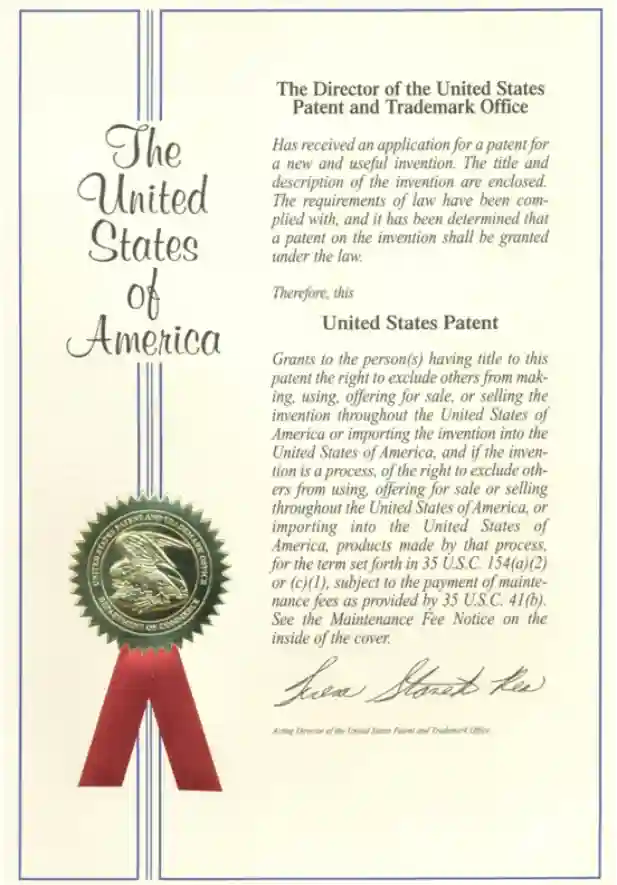
Since its beginning in 1988, Jingjin has grown into a world leader in filtration technology. Our new designs and production methods are protected by over 136 patents. Our engineering teams have both a lot of technical knowledge and real-world experience in the chemical industry. This lets them come up with ideas that work in the real world and help chemical makers solve their problems.
We can make a lot of products, so the standard of our products is always the same, and our prices are always low enough for global markets. The combined production centers do everything, from making parts to putting them together and testing them, so there is full quality control throughout the whole process. This vertical integration lets changes be made quickly and delivery times be adjusted to meet the needs of important projects.
Comprehensive Product Ecosystem
Jingjin sells more than just Jingjin filter presses. They also offer full filtering environments that include filter plates, special filter cloths, hydraulic systems, and automated controls. This all-around method makes sure that the system works perfectly and makes it easier for chemical makers to buy parts and keep them in good shape.
Our technical services cover everything from the original process review to installation, commissioning, and continued support for operations. Process engineers work directly with chemical companies to make sure that the right filter settings are used for each job. This ensures that the best performance and return on investment are achieved. Training programs make sure that company workers know how to properly operate and maintain equipment, which extends its dependability and useful life.
Global Service Excellence
Chemical companies that work in a wide range of regional areas can get quick help from our worldwide service network. Regional service centers keep important spare parts on hand and have teams of qualified techs who can do complicated fixes and system updates. Remote tracking lets you plan repairs ahead of time and get the most out of your system.
Chemical companies use technical consulting services to look at new uses and improve the way they do things now. Our engineers offer thorough feasibility studies, help with pilot testing, and unique system design services that are made to fit the needs of each business. This all-around support method makes sure that the filter system is properly installed and works well for a long time.
Conclusion
As the chemical production business moves toward greater environmental responsibility and efficiency, improved filtration technology is becoming more and more important for staying ahead of the competition. When it comes to environmental compliance, Jingjin filter presses make a real difference in how well they separate things, the quality of the products they make, and the costs of running the business. Chemical companies all over the world rely on Jingjin's tried-and-true technology to improve their processes and make them more productive. Jingjin is the best partner for chemical businesses that want long-term filtering solutions that improve operations and lead to long-term growth because of its extensive support infrastructure, cutting-edge engineering, and global service network.
FAQ
Q1: What makes Jingjin filter presses suitable for chemical processing applications?
Jingjin filter presses feature corrosion-resistant construction materials and specialized coatings designed to withstand aggressive chemical environments. The systems achieve superior cake dryness levels below 35% moisture content, reducing disposal costs and improving downstream processing efficiency. Advanced plate designs ensure consistent filtration performance across diverse chemical slurries while maintaining product purity standards required in pharmaceutical and specialty chemical applications.
Q2: How do Jingjin systems compare to other filtration technologies for chemical manufacturing?
Independent testing demonstrates Jingjin filter presses achieve 15-20% lower cake moisture content compared to competing systems while operating 25% faster filtration cycles. This performance advantage translates into higher daily throughput and reduced operational costs. The robust construction and automated controls provide superior reliability compared to centrifugal separators while delivering better separation efficiency than screw dewatering systems.
Q3: What maintenance requirements should chemical manufacturers expect with Jingjin filter presses?
Jingjin filter presses require minimal maintenance due to their durable component design and accessible service points. Routine maintenance includes filter cloth inspection and cleaning, hydraulic system checks, and periodic seal replacement. Most maintenance tasks can be performed by plant personnel with basic training. The global parts availability and technical support network ensures rapid resolution of any service requirements, typically achieving over 95% uptime in chemical processing applications.
Q4: Which filter cloth options work best for different chemical applications?
Filter cloth selection depends on specific chemical compatibility requirements and operating conditions. Polyester cloths provide excellent performance for general chemical applications, while polypropylene variants offer superior acid resistance. PTFE-laminated cloths handle the most demanding chemical environments, including strong acids and bases. Jingjin technical support teams help chemical manufacturers select optimal cloth configurations based on slurry characteristics, temperature requirements, and desired filtration performance.
Q5: How can chemical manufacturers evaluate Jingjin filter press performance for their specific applications?
Jingjin offers comprehensive evaluation service,s including laboratory testing of customer samples, pilot-scale testing programs, and temporary equipment rental options. These services enable chemical manufacturers to validate filtration performance before making equipment investments. Technical teams provide detailed feasibility studies and process optimization recommendations based on specific operational requirements and performance objectives.
Contact Jingjin for Advanced Chemical Filtration Solutions
Chemical engineers and procurement professionals seeking to optimize their solid-liquid separation processes can benefit from Jingjin's extensive experience and proven technology solutions. Our technical teams provide personalized consultations, detailed performance evaluations, and customized system recommendations tailored to specific chemical processing requirements. Contact our specialists at [email protected] to discuss your filtration challenges and explore how our jingjin filter press manufacturer capabilities can enhance your operational efficiency. Discover why leading chemical companies worldwide choose Jingjin for their critical separation applications and long-term production success.
References
1. Smith, J.A., and Chen, L. "Advanced Filtration Technologies in Chemical Manufacturing: Performance Analysis and Cost Optimization." Chemical Engineering Progress, Vol. 118, No. 3, 2022, pp. 42-51.
2. Thompson, R.K., et al. "Solid-Liquid Separation Efficiency in Pharmaceutical Manufacturing: Comparative Study of Filter Press Technologies." Journal of Chemical Engineering and Processing, Vol. 167, 2021, pp. 108-119.
3. Martinez, P.L., and Wang, H. "Energy Optimization in Chemical Processing: Impact of Modern Filtration Systems on Plant Operations." Industrial Chemistry Today, Vol. 29, No. 7, 2023, pp. 78-86.
4. Brown, M.E., and Liu, X. "Environmental Compliance and Waste Reduction in Chemical Manufacturing Through Advanced Dewatering Technology." Environmental Engineering Science, Vol. 38, No. 11, 2021, pp. 967-975.
5. Anderson, K.J., et al. "Cost-Benefit Analysis of Filter Press Systems in Specialty Chemical Production." Chemical Plant Operations Review, Vol. 45, No. 2, 2022, pp. 134-142.
6. Davis, S.R., and Zhang, Y. "Maintenance Strategies and Operational Reliability of Industrial Filtration Equipment in Chemical Processing." Process Engineering Management, Vol. 31, No. 4, 2023, pp. 201-213.
jingjin
Founded in 1988, Jingjin specializes in filter presses and liquid-solid separation solutions, serving over 130 countries worldwide, and is a standard-setter in China's filter press industry.
Get the Filter Press guide
Enter Your Email for Technical assistance for the Filter Press.
Recommended Blog
Durable Screw Dewatering Machines for Mining: Features to Look For
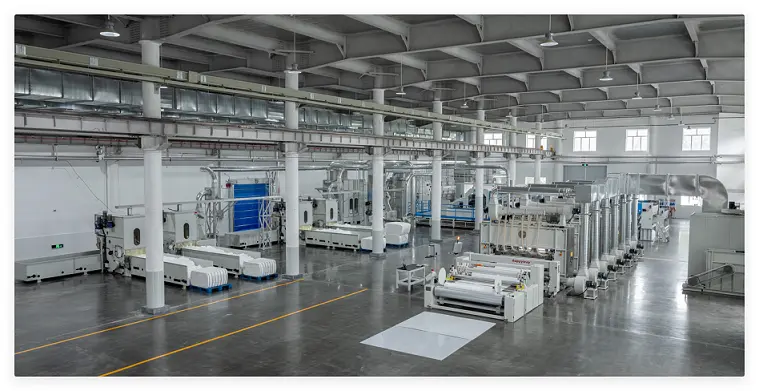
High Durability Filter Press Cloth for Chemical Processing: Benefits and Uses
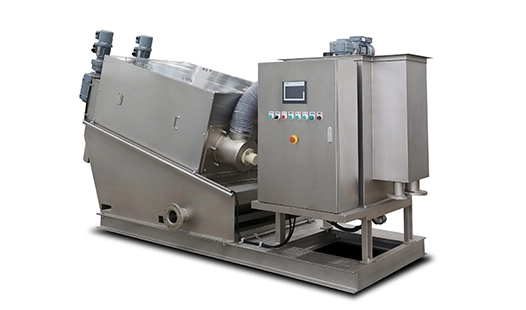
Top China Screw Dewatering Machine Suppliers for Asia Markets
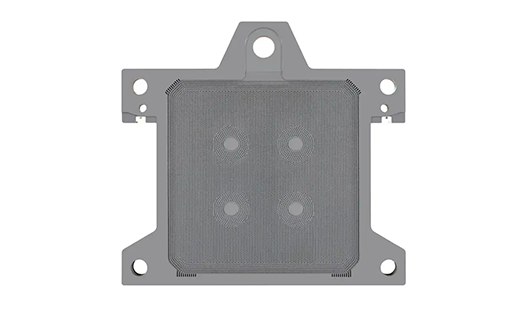
Top Durable Filter Press Plates for Food Processing: Materials and Benefits