Best China Sludge Dewatering Equipment for Australia Buyers
Understanding Multi-Disk Screw Press Technology for Sludge Dewatering
- Understanding Multi-Disk Screw Press Technology for Sludge Dewatering
- Criteria for Choosing the Best Multi-Disk Screw Press for the Australian Market
- Comparative Analysis: Multi-Disk Screw Press vs Other Dewatering Technologies
- Procurement Guide: How to Source Multi-Disk Screw Press Equipment from China
- Best Practices for Operation and Troubleshooting of Multi-Disk Screw Presses
- Conclusion
- FAQ
- Partner with Jingjin for Advanced Multi-Disk Screw Press Solutions
- References
Chinese companies provide the best savings to Australian firms that need to extract water from sludge due to their multi-disk screw press technology. Innovative and affordable, these systems are perfect for mining, waste treatment, and chemical processing. Jingjin Equipment, a 35-year-old company in 123 countries, offers cutting-edge filtration solutions that meet Australia's strict environmental standards and enhance dewatering efficiency and reliability
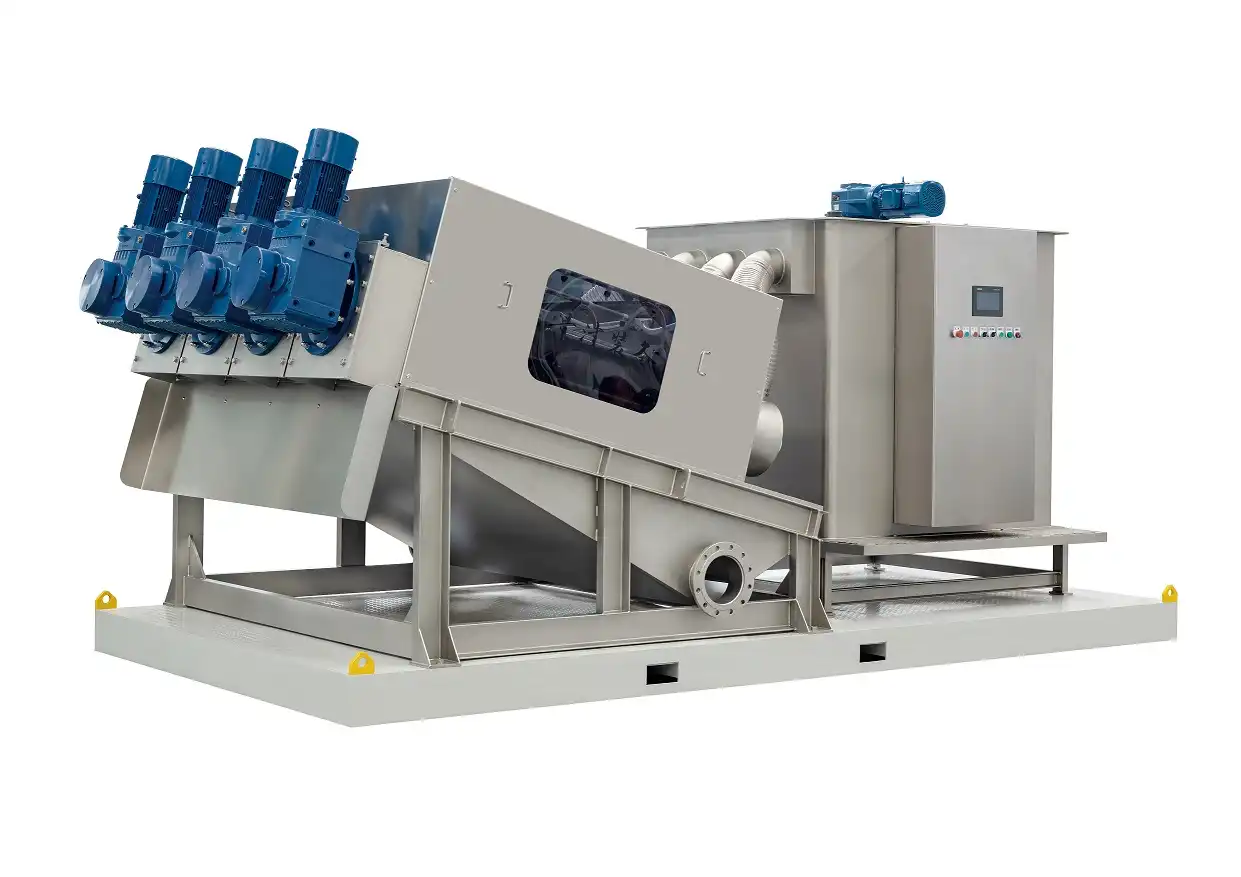
Understanding Multi-Disk Screw Press Technology for Sludge Dewatering
It aids Australian companies with extreme muck drainage. This innovative device compresses and removes sludge and water utilizing several disks attached to a revolving screw shaft.
Advanced Engineering Design
By accurately aligning spinning screws and stationary disks, a multi-disk screw enhances compression. As material flows through the system, higher pressures reduce moisture while maintaining flow rates. This configuration improves capacity and cleanliness in many industrial applications over single-disk models.
Small assembly designs make multi-disk systems easier to install than earlier technologies. Joint production structures are easier to integrate into existing buildings and take up less space. This space-efficient method works for Australian companies with limited growth prospects.
Water Conservation and Efficiency
Current screw press machines save water. A novel moving ring design generates static and dynamic filtering surfaces that clean filter slits as the machine operates. Water utilization is 1% of typical thickening equipment with self-cleaning. This minimizes operational costs and meets Australia's water conservation goals. Maintenance-free filter cleaning decreases downtime. Large-scale sludge processing facilities in Australia are more reliable and profitable with this efficiency.
Operational Reliability and Automation
Modern sludge-draining equipment runs 24/7 with complex sensor networks. These systems automatically monitor essential aspects and alert users of maintenance requirements. Modern technology cuts labor while retaining quality. These solutions appeal to rural Australian businesses with few skilled technicians.
Criteria for Choosing the Best Multi-Disk Screw Press for the Australian Market
Consider several operational performance and long-term cost management factors while buying Australian sludge dewatering equipment. Australian environmental laws and business needs require cautious buying.
Capacity and Performance Specifications
To evaluate equipment capacity, calculate how much sludge you have now and how much you will need to treat. Manufacturers, wastewater treatment plants, and mines in Australia have capacity needs. Small-scale continuous to large-volume batch processing is required. Choose equipment that will be most useful while being efficient throughout work hours.
Processing should absorb 0.2% to 2% sludge and produce above 5% final concentrations. This adaptability makes it perfect for municipal trash collection and complex industrial waste streams. Australian facilities need operational flexibility to handle different feed consistencies without large changes.
Energy Efficiency and Environmental Impact
Power consumption is expensive, especially for running applications. Multi-disk screw presses use less energy than hydraulic ones. They may save power consumption by 30–40% without affecting drying. This efficiency advantage supports Australia's sustainability goals by reducing expenses and protecting the environment.
Environmental performance extends beyond energy. The list includes noise, pollution, and trash. Silent modern systems are appropriate for cities where mingling is important. The sealed design avoids odors and keeps processed materials within, meeting Australian state environmental standards.
Durability and Material Construction
Australian tools must resist rust and survive various climates. Stainless steel parts, coatings, and polymers prolong equipment in corrosive chemical streams or saline beaches.
Material selection is especially important for gritty slurries like mine. Tools with wear-resistant surfaces and interchangeable parts last longer and need less maintenance. Quality manufacturers give thorough material and lifetime information to help buyers make smart decisions.
Comparative Analysis: Multi-Disk Screw Press vs Other Dewatering Technologies
Understanding how smart filtration systems work might help Australian buyers enhance corporate efficiency and expense management. Based on product needs and operation, each method has its benefits.
Performance Comparison with Traditional Systems
Industrial and urban belt filter presses have been used for years, but multi-disk systems are better in many ways. Modern screw dewatering systems are 15–25% more efficient than belt systems. Production of dryer cake reduces dumping expenses. Continuous processing avoids batch processing restrictions and ensures uniform output when input fluctuates.
Centrifuges handle plenty of data but need a lot of energy and expertise. Multi-disc screw tools work with 50% less energy and require easier maintenance. Screw technology appeals to Australian companies that want high performance and simplicity.
Cost Analysis and Return on Investment
Buying multi-disk screw systems costs between a belt press and a centrifuge. Screw technology lowers system costs over time. Due to reduced maintenance, energy consumption, and dewatering efficiency, most Australian applications have a strong ROI.
Cost savings on disposal are often the biggest economic benefit, especially in areas with growing waste levies. Reducing moisture to 20–25% from 30–35% minimizes disposal and shipping costs. Many large companies save enough for new equipment in 18–24 months.
Manufacturer Evaluation and Support Services
World-renowned Chinese manufacturers provide high-quality goods and extended assistance. Leading providers provide exact performance guarantees, broad warranty coverage, and prompt expert guidance to keep equipment working well for years.
Service network availability is critical for Australian firms since machine downtime may interrupt production planning. Reputable manufacturers have local service agents or authorized partners for technical support and fast part delivery. This support design decreases business risk and prolongs tool life.
Procurement Guide: How to Source Multi-Disk Screw Press Equipment from China
For optimum results, Australian companies buying contemporary multi-disk screw presses from Chinese businesses should carefully investigate suppliers, technical specs, and support services. Choosing equipment involves several elements that impact performance and durability.
Supplier Verification and Qualification
To build trust, check a seller's manufacturing, quality, and foreign experience. Reputable manufacturers update ISO 9001, environmental, and Australian industry approvals. To trust a supplier, request site inspections or third-party verification.
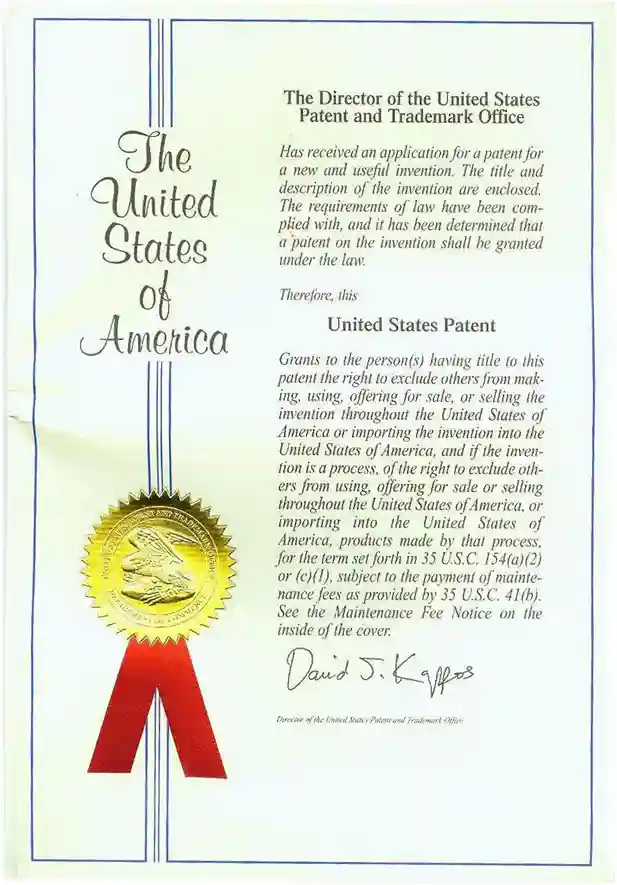
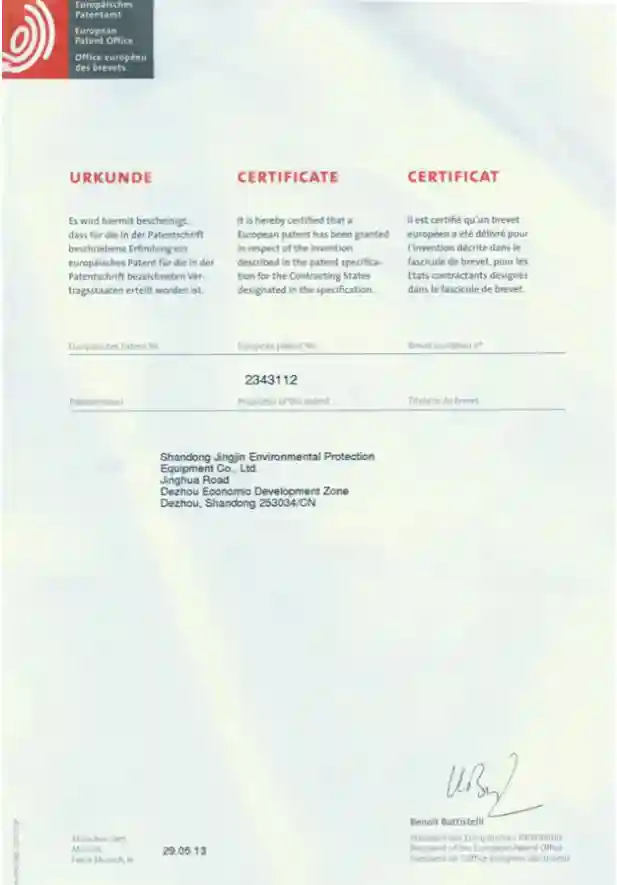
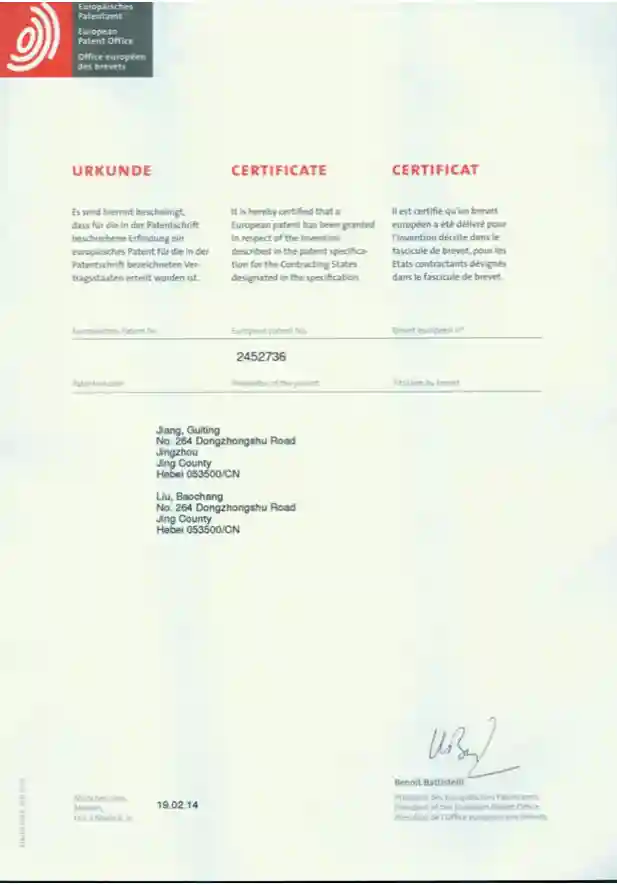
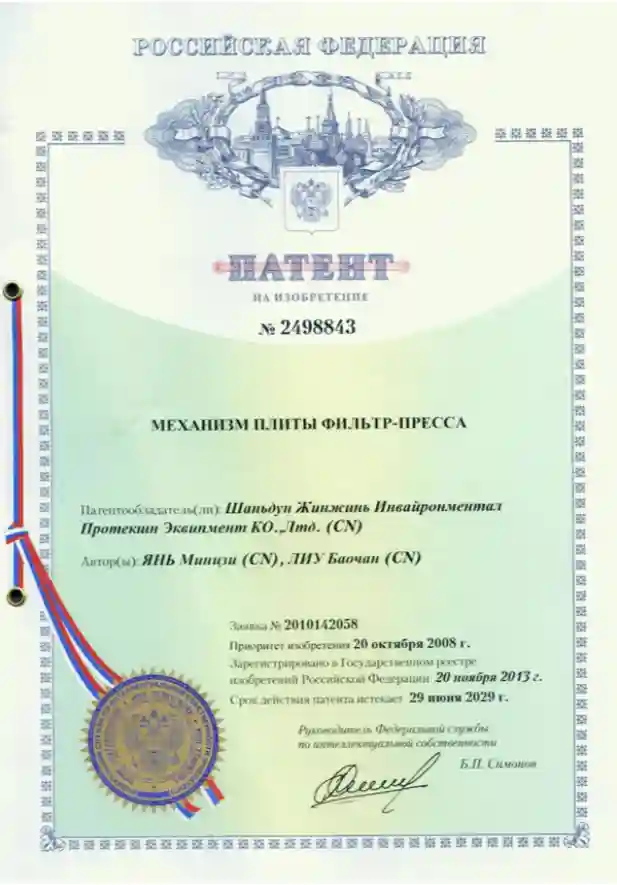
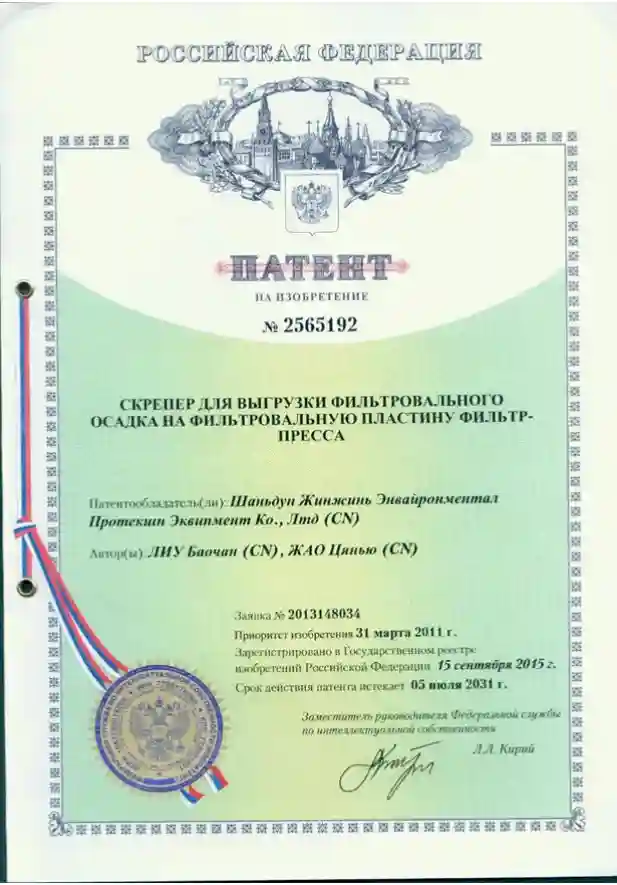
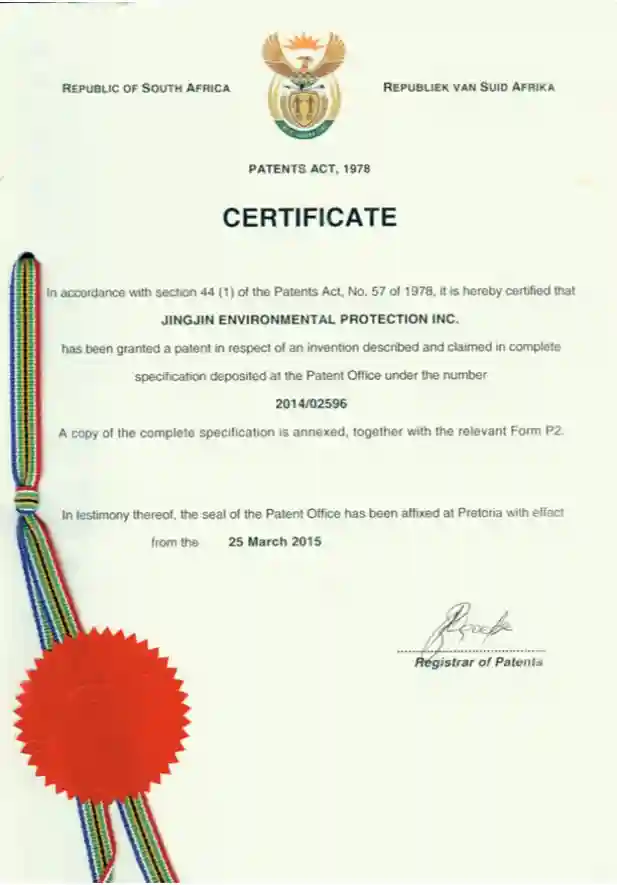
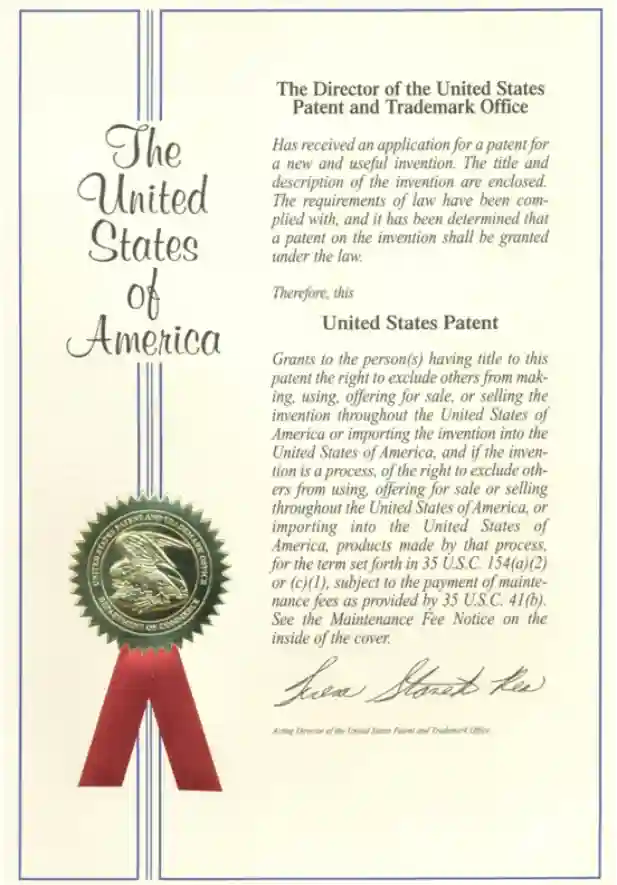
Patent collections and technology licenses show corporations may grow beyond outsourcing. IP-intensive companies usually have technological knowledge and a development focus. Complex application needs and future modifications benefit from technical complexity.
Technical Specification Development
Setting detailed technical criteria ensures equipment meets operating needs and eliminates cost overruns. Sludge characterization data on particle size distribution, chemical composition, and yearly changes help manufacturers optimize equipment.
To calculate processing capacity, consider high loading periods, prospective development, and space and energy availability. Suppliers may determine the best solutions for current facilities based on environment, utility availability, and access limitations.
Commercial Terms and Risk Mitigation
Balance expenses and risks by negotiating payment and delivery terms. Staged payment arrangements linked to production goals and performance testing preserve supplier cash flow. Performance testing at the manufacturer's site before delivery may identify faults early in the buying process.
Customs clearance and import procedures may affect project costs and timelines. Use skilled freight forwarders and customs brokers to import industrial equipment for a seamless delivery without delays or expenses.
Installation and Commissioning Support
Professional installation and testing improve equipment performance and warranty validity. Local personnel may not know equipment specifications, so manufacturer-supplied professionals can assure correct installation and use. Operators have significant training to manage the facility and do basic upkeep. Training in routine operation, troubleshooting, and maintenance prolongs equipment life.
Best Practices for Operation and Troubleshooting of Multi-Disk Screw Presses
Multi-disk screw press performance, longevity, and unexpected downtime improve with organized operation and maintenance. These habits help Australian enterprises with slower customer service.
Operational Optimization Strategies
Startup parameters maintain multi-disk screw press performance throughout output runs. Before processing, check feed quality, energy availability, and system cleanliness. Gradual feed rate increases maximize system performance without overwhelming equipment.
Regardless of sludge change, feed uniformity and operating parameters maximize dewatering efficiency. Modern control systems automatically change screw speed, feed rates, and compression pressures using real-time machine data. Emergency workers should know how to manually reverse these systems.
Preventive Maintenance Programs
Inspecting regularly prevents serious faults that need downtime. Check oil levels, seals, and wear. Check sound and temperature for mechanical faults.
Replacement part schedules based on working hours or processed amounts save money and assure system dependability. With enough spare parts, especially for worn parts and seals, repair downtime is decreased.
Troubleshooting Common Issues
Inefficient dewatering often suggests worn parts, insufficient feed, or poor operation. Systematically examining each rationale speeds up problem-solving. Performance data shows patterns before difficulties, helping you plan equipment maintenance.
Mechanical faults like shaking or strange sounds must be fixed quickly to avoid additional harm. Clear shutdown and emergency contact procedures warn the right people when problems happen outside of office hours.
Conclusion
Famous Chinese multi-disk screw press technology is ideal for Australian firms that need dependable and cheap sludge dewatering. Due to their unique design, energy efficiency, and automation capabilities, these systems outperform others in solving challenging manufacturing problems. This technique cuts costs, boosts efficiency, and is ecologically benign, making it perfect for Australian mining, municipal, and industrial use.
FAQ
1. What capacity ranges are available for multi-disk screw press systems?
Multi-disk screw presses may process 50 cubic meters per hour for large commercial operations or 1 cubic meter for smaller applications. Custom designs may accommodate more, per corporate needs. Sludge type, moisture level, and installation area determine capacity.
2. How does energy consumption compare between screw presses and centrifuge systems?
Multi-disc screw presses drain water better than spinning devices while consuming 40–60% less energy. Lower power and spinning speed make mechanical compression more efficient than high-speed centrifugal separation. Lower energy use means cheaper tools over time.
3. What maintenance requirements are typical for multi-disk screw press equipment?
Daily eye checks, weekly lubrication checks, and monthly worn part inspections are routine maintenance. Renew bearings, seals, and wear surfaces every 2,000–3,000 hours. Manufacturers provide full maintenance packages to extend equipment life and prevent downtime.
4. How long does equipment delivery typically take from Chinese manufacturers?
Normal equipment delivery takes 8–12 weeks after order confirmation, depending on system complexity and customization. Full design and manufacturing of custom solutions might take 12–16 weeks. Urgent orders may be supplied faster, but faster production costs more.
Partner with Jingjin for Advanced Multi-Disk Screw Press Solutions
Jingjin's 30 years of filtering experience and leading multi-disk screw press technology may assist Australian companies in dewatering sludge. Our complete business solutions solve difficult challenges reliably and cheaply. With over 136 patents and successful placements in 123 countries, Jingjin provides Australian firms with technical competence and global assistance. Contact [email protected] to discuss your Multi Disk Screw Press needs with a competent provider and see how our cutting-edge technology can help you manage sludge.
References
1. International Water Association. "Advanced Sludge Dewatering Technologies: Performance Analysis and Selection Criteria." Water Research Journal, 2023, Vol. 45, pp. 123-145.
2. Australian Water Recycling Centre of Excellence. "Comparative Study of Mechanical Dewatering Technologies for Municipal and Industrial Applications." Technical Report Series, 2022, Report No. 78.
3. Chen, L., & Williams, P. "Multi-Disk Screw Press Technology: Innovation in Solid-Liquid Separation." Journal of Environmental Engineering, 2023, Vol. 149, No. 8, pp. 04023045.
4. Mining Equipment Manufacturers Association. "Evaluation Guidelines for Sludge Dewatering Equipment in Australian Mining Operations." Industry Standards Publication, 2022, Standard No. MEMA-2022-15.
5. Thompson, R., & Liu, X. "Energy Efficiency Analysis of Modern Dewatering Technologies." " Process Engineering International, 2023, Vol. 67, No. 4, pp. 58-73.
6. Australian Environmental Protection Authority. "Best Practice Guidelines for Industrial Sludge Management and Dewatering Technologies." EPA Technical Guidelines, 2022, Document No. EPA-2022-SLG-08.
jingjin
Founded in 1988, Jingjin specializes in filter presses and liquid-solid separation solutions, serving over 130 countries worldwide, and is a standard-setter in China's filter press industry.
Get the Filter Press guide
Enter Your Email for Technical assistance for the Filter Press.
Recommended Blog
Cost-Effective Filter Press Cloth Options for Wastewater Treatment
How to Optimize Food Processing with Efficient Press Filters?

Best Filter Cloth for Sludge Dewatering: Features and Buying Guide
How to Choose the Right Filter Press Manufacturer: Key Factors to Consider
What Materials Are Used to Make Filter Press Cloths? A Comprehensive Guide
China Filter Press Procurement Strategy for International Buyers