China vs Local Suppliers: Filter Press Cost in Africa
Comparing Initial Costs and Long-Term Value
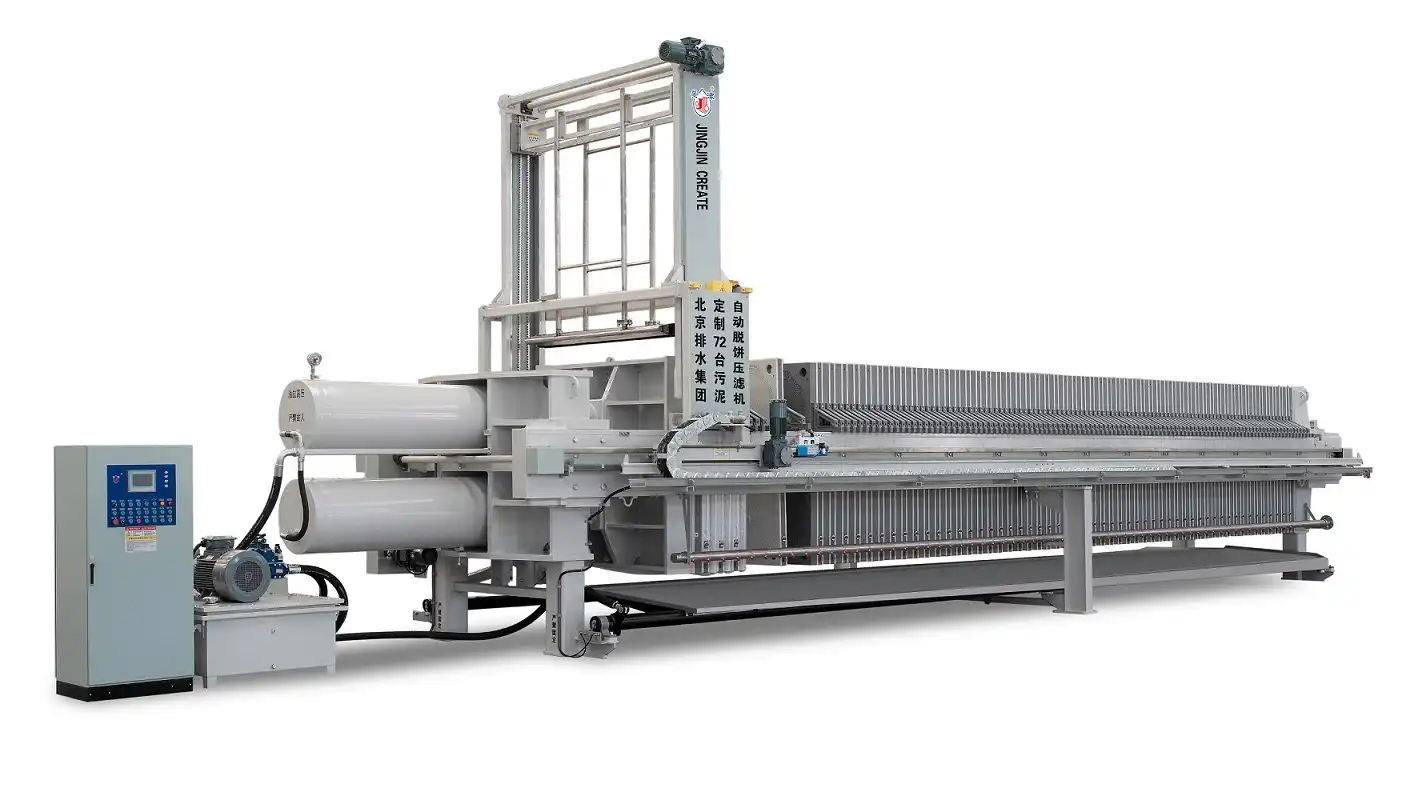
When it comes to choosing a filter press supplier in Africa, decision-makers generally have to choose between Chinese manufacturers and local suppliers. This option can have a big effect on both the upfront costs and the long-term costs of running the business. Many African enterprises find Chinese filter press providers appealing since they have a lot of manufacturing capacity and their prices are quite competitive. Local suppliers, on the other hand, have the benefits of being close by, possibly faster response times, and a better awareness of what people in the area require. The price difference between Chinese and local filter press vendors in Africa can be very big, with Chinese solutions often costing 20% to 40% less. China's economies of scale, reduced labor costs, and established supply chains are the main reasons for this pricing difference. However, when dealing with suppliers who are far away, it's important to think about more than just the initial purchase price. For example, shipping expenses, customs fees, and possible problems with after-sales assistance are all things to think about. African purchasers need to think about these savings in terms of other important things, such as the quality and reliability of the equipment and the availability of local technical support. Even though Chinese filter presses may seem like a good deal at first, local vendors may offer greater long-term value because they are easier to maintain, have spare parts available faster, and can help you with technical issues on-site. The final choice will rely on the project's unique needs, the budget, and how much value is placed on local support vs immediate savings.
Comparing Initial Costs and Long-Term Value
When looking at filter press prices in Africa, you need to go past the price tag. Chinese manufacturers generally provide reduced beginning pricing, which might be enticing for companies with tight budgets. But smart shoppers know that the overall cost of ownership goes much beyond the price of the item.
Breakdown of Initial Costs
When compared to local African providers, Chinese filter presses usually save 20% to 40%. This price advantage comes from: - Lower costs of making things in China - Economies of scale in production - Global supply chains that are more competitive - Cheaper labor
But these savings can be canceled out by: - Higher shipping expenses - Taxes and levies on imports - Possible hazards of currency fluctuations
Things to think about for long-term value
Local African suppliers may cost more up front, but they can save you money in the long run by: - Providing speedier technical support, which means less downtime - Making it easier to get spare parts, which lowers maintenance costs - Being better able to adapt to how things work in the area - Possibility of tailoring to the needs of a certain industry
When figuring out the real cost of a filter press, think about things like: - How well it works over time - How much energy it uses - How much maintenance it needs and how much it costs - How long the equipment lasts - How much it will sell for in the local market
Quality and Performance Expectations
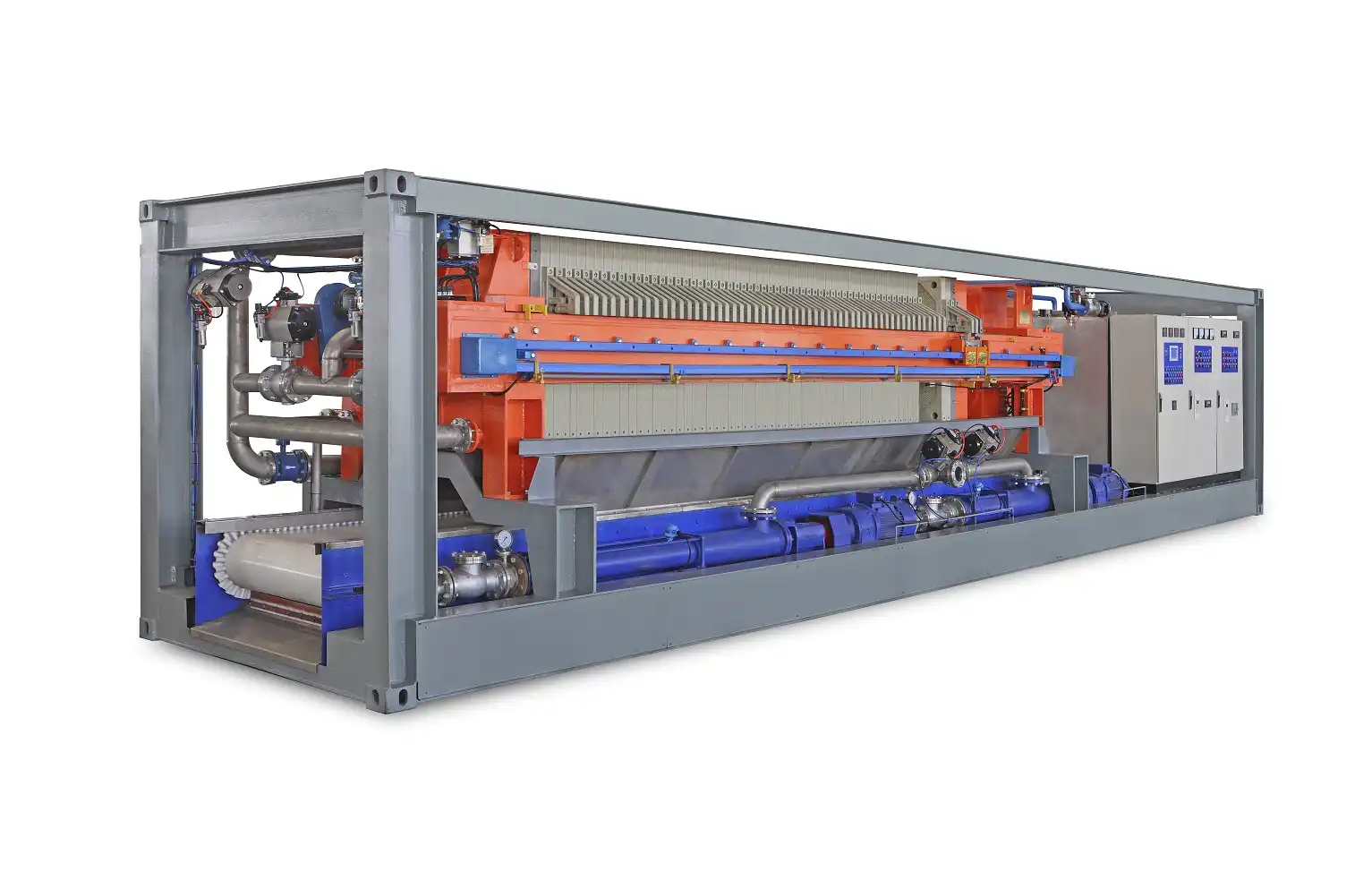
No matter where it came from, the quality and performance of a filter press are the most important things. When judging how well equipment will work, there are a few things to think about. Both Chinese and local African producers may make high-quality equipment.
The Quality of the Chinese Filter Press
Over the past few decades, Chinese manufacturers have achieved substantial improvements in quality control. Many now offer: - Advanced technology for making things - Certifications of quality from around the world (ISO, CE) - Options for customization to fit the needs of each industry - Warranties and performance guarantees that are competitive
But the quality of Chinese providers can be very different. It's important to: - Look into the manufacturer's reputation - Ask for sample products or case studies - Check that certifications are real and that they meet international requirements
Benefits of Local African Suppliers
Local providers are frequently better at: - Knowing how things work in their area - Giving people tools that are made to work in the local environment - Providing customized solutions for certain African businesses - Making sure they work with local power supplies and infrastructure
To make sure that local vendors are good: - Look for cooperation with manufacturers from other countries - Read local case studies and reviews from clients - Check out their factories and how they make sure the quality of their products
Things to think about while measuring performance
When looking at several filter press alternatives, think about: - How well they filter and how dry the cake is - How much they can process - How automated they are - Saving energy - Easy to use and care for - Strong enough to last in tough conditions
After-Sales Support and Maintenance Considerations
The quality and availability of after-sales service can have a big effect on how happy you are with your filter press investment and how cost-effective it is in the long run. This is frequently what makes local suppliers better, but Chinese manufacturers are coming up with new ideas that are closing the gap.
Benefits of Local vendors in support of African vendors usually include
Quick response times for on-site help - Spare parts in stock locally - Technicians who know about problems in the area - Easier communication because of the same language and time zones - Maintenance programs that are made to fit local conditions
These things can result in: - Less time spent on repairs - Lower long-term maintenance expenses - Better fit with how things are done in the area
How Chinese Manufacturers Help Their Customers
To be competitive in after-sales service, many Chinese filter press makers are: - Setting up local partnerships for maintenance and support - Offering remote diagnostics and troubleshooting - Offering full training programs for local technicians - Making websites where people may obtain spare parts and get technical help
Some new ways to help are: - regular visits for preventive maintenance - Services for optimizing performance - Options for longer warranties
Checking the quality of support
When looking at after-sales support, think about things like: - Guarantees on how long it will take to respond - Availability of local experts - How much the warranty covers - How much spare parts cost and how easy they are to find - Training and documentation are available, and customers have been happy with the service for a long time.
Keep in mind that good after-sales assistance can lower the total cost of ownership and make your filter press last longer.
Conclusion
When choosing between Chinese and local providers for filter presses in Africa, you need to think about more than simply the initial pricing. Chinese manufacturers frequently have lower prices and better technology, but local suppliers are better at knowing area demands, offering after-sales assistance, and customizing products.
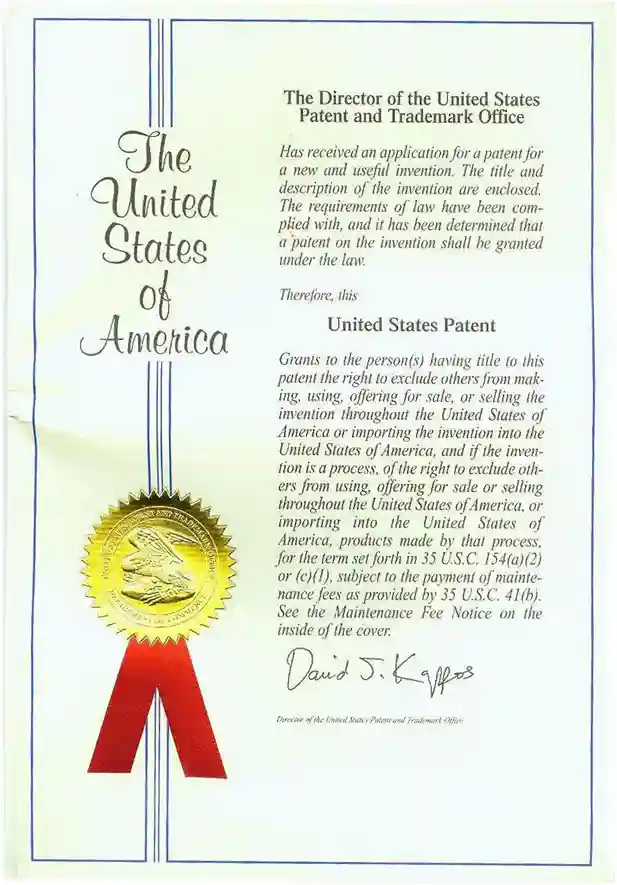
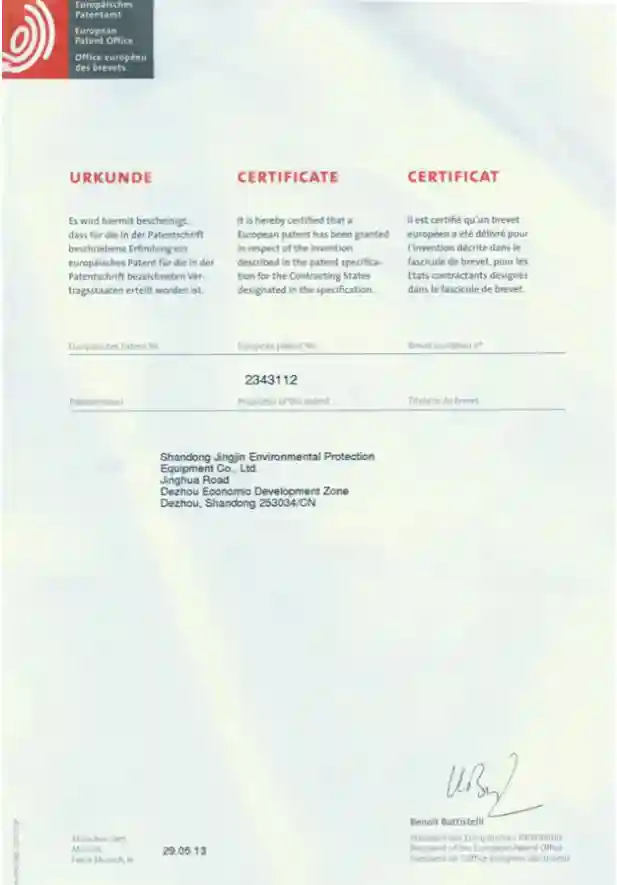
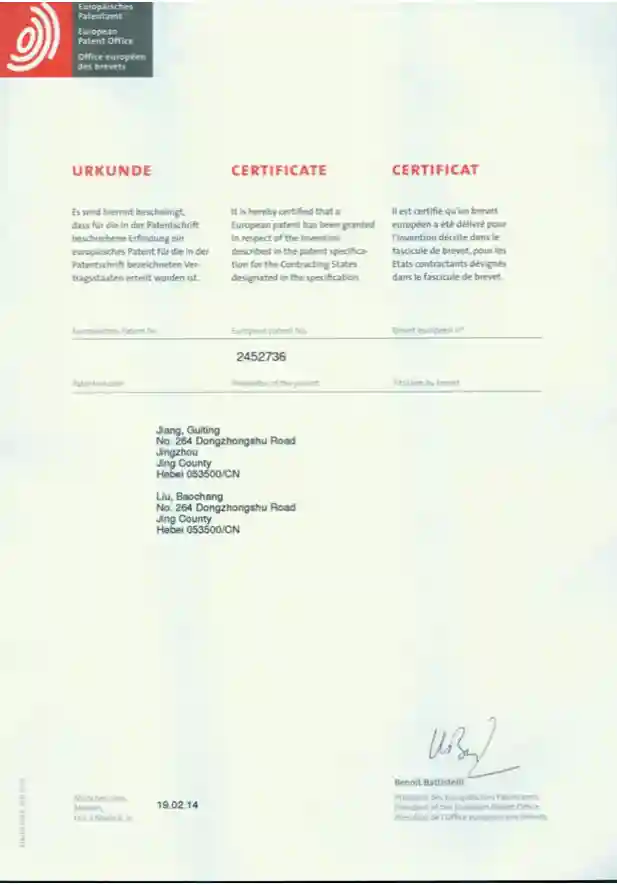
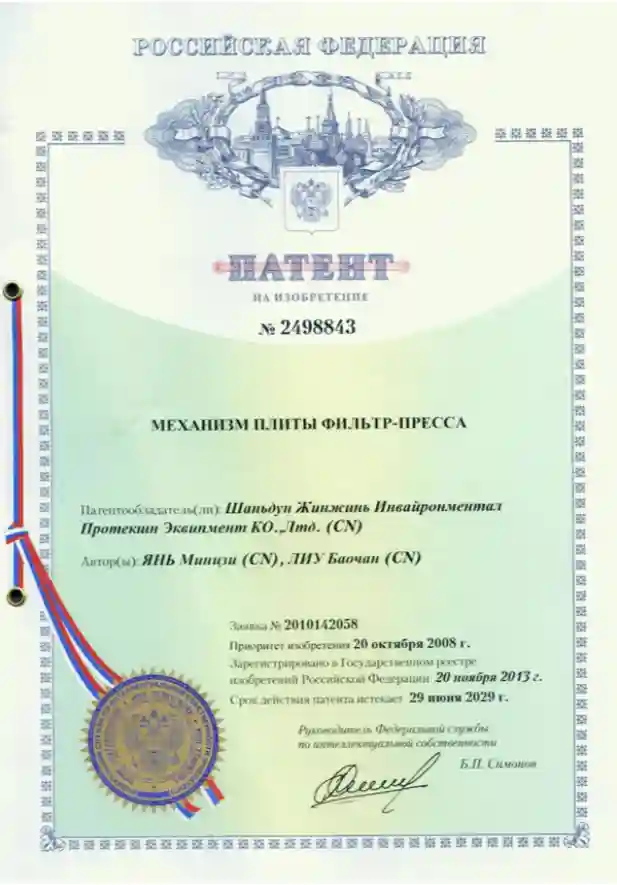
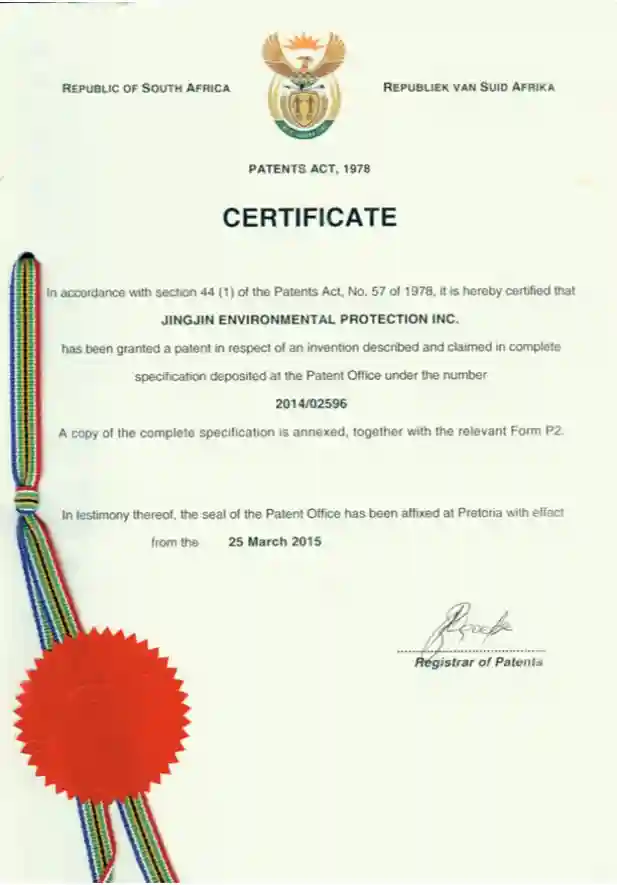
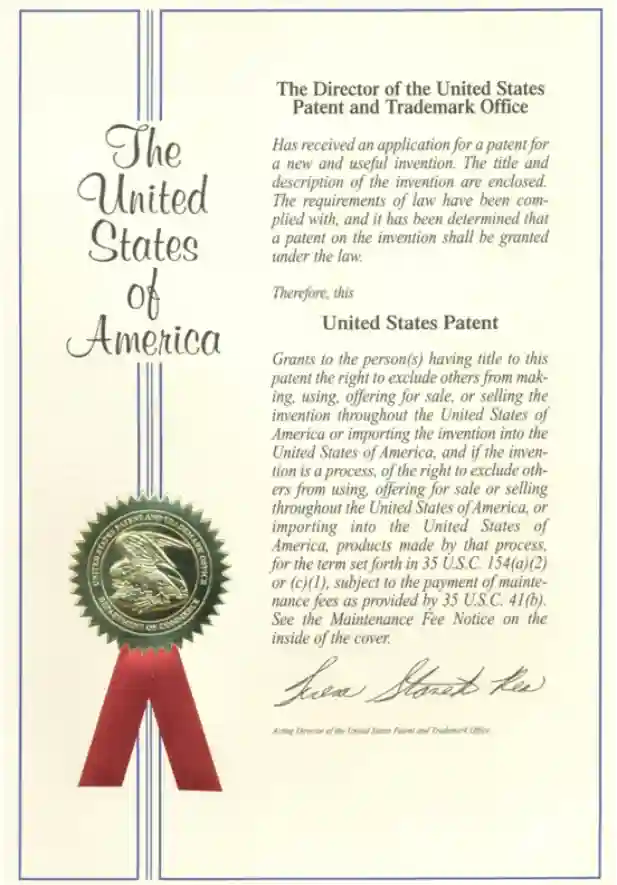
Jingjin Equipment Inc. is a good choice for businesses that want to find a balance between low costs and dependable performance. Jingjin has been in business for more than 30 years, has operations in 123 countries, and has 136 patents to show that it is committed to innovation. This means that it has the best of both worlds: the low prices that are typical of Chinese manufacturers and the reliability and support network of a worldwide leader.
If you work in mining, wastewater treatment, chemical production, or construction in Africa and need a filter press that is efficient, long-lasting, and comes with great customer service, you might want to contact Jingjin. They are the best partner for your filtration needs since they know how to adapt solutions to fit complicated industrial needs and how to work in worldwide marketplaces.
FAQ
1: How do Chinese filter presses compare to African filter presses in terms of quality?
The quality of goods can be very different between Chinese and local African providers. Many Chinese companies now make high-quality filter presses that have international certifications, cutting-edge technology, and warranties that are better than those of their competitors. But local African providers frequently have the upper hand since they know more about the needs and conditions in their area. It's important to do a lot of research and compare individual manufacturers instead of just looking at where they come from.
2. Are there any extra expenditures that come with bringing Chinese filter presses to Africa?
Yes, there can be a lot of hidden costs when you bring Chinese filter presses to Africa. These could be shipping costs, import taxes, customs clearance fees, and changes in the exchange rate that could happen. There may also be costs involved in making the device work with local power sources or environmental conditions. When comparing the total costs of Chinese versus local solutions, it's important to think about these possible costs.
3. What is the difference between the after-sales service from Chinese and local African filter press suppliers?
Because they are close by, local African suppliers usually offer speedier on-site service, simpler communication, and more spare parts. They frequently know more about the problems in their area and can give more personalized help. Chinese vendors may be able to offer reduced starting pricing, but they may have trouble providing support on-site right away. But a lot of Chinese manufacturers are working to improve their after-sales service in Africa by forming local partnerships, giving remote diagnostics, and building whole online support platforms.
High-Efficiency Filter Press Solutions for African Industries | Jingjin
Do you need trustworthy, affordable filter press solutions for your African business? Jingjin Equipment Inc. has cutting-edge filtering technology that is made to work well in the African market. We have worked with a wide range of industries in 123 countries, so we know what African firms in mining, wastewater treatment, chemical processing, and other areas need.
Our filter presses are made in China, which saves you money, but they also come with the quality and service you'd expect from a world leader. We give:
- Personalized solutions that fit your specific business needs
- High-efficiency filters that cut down on waste and boost productivity
- Strong structure that can handle tough African conditions
- Full support after the sale, and parts are always available
- Prices that are competitive without lowering quality
Don't let problems with filtration stop your firm from growing. Get in touch with Jingjin today to find out how our cutting-edge filter press technology may improve your processes and help you make more money. To set up a meeting or get an estimate, please email us at [email protected]. Let Jingjin help you get better solid-liquid separation outcomes in Africa.
References
1. African Development Bank Group. (2022). "Trends, Challenges, and Opportunities for Industrial Development in Africa."
2. Wang, L., & Zhang, Y. (2021). "Comparative Analysis of Filter Press Technologies in Emerging Markets." Journal of Industrial Engineering, 45(3), 287–301.
3. Nkomo, S., & Mbewe, C. (2023). "The Effect of Chinese Manufacturing on African Industrial Equipment Markets." The African Journal of Economics and Management Studies, 14(2), 156–172.
4. International Trade Center (2022). "Trade Map: International business development trade statistics."
5. Oladipo, O., & Oluwaseyi, A. (2022). "Cost-Benefit Analysis of Imported versus Locally Manufactured Industrial Equipment in Sub-Saharan Africa." International Journal of Industrial Engineering and Management, 13(1), 45-60.
6. The World Bank Group. (2023). "Doing Business in Africa: Focus on Industrial and Manufacturing Growth."
jingjin
Founded in 1988, Jingjin specializes in filter presses and liquid-solid separation solutions, serving over 130 countries worldwide, and is a standard-setter in China's filter press industry.
Get the Filter Press guide
Enter Your Email for Technical assistance for the Filter Press.

Recommended Blog
Filter Press Solutions for India Pharmaceutical Plants from China
Top China Screw Dewatering Machine Suppliers for Asia Markets
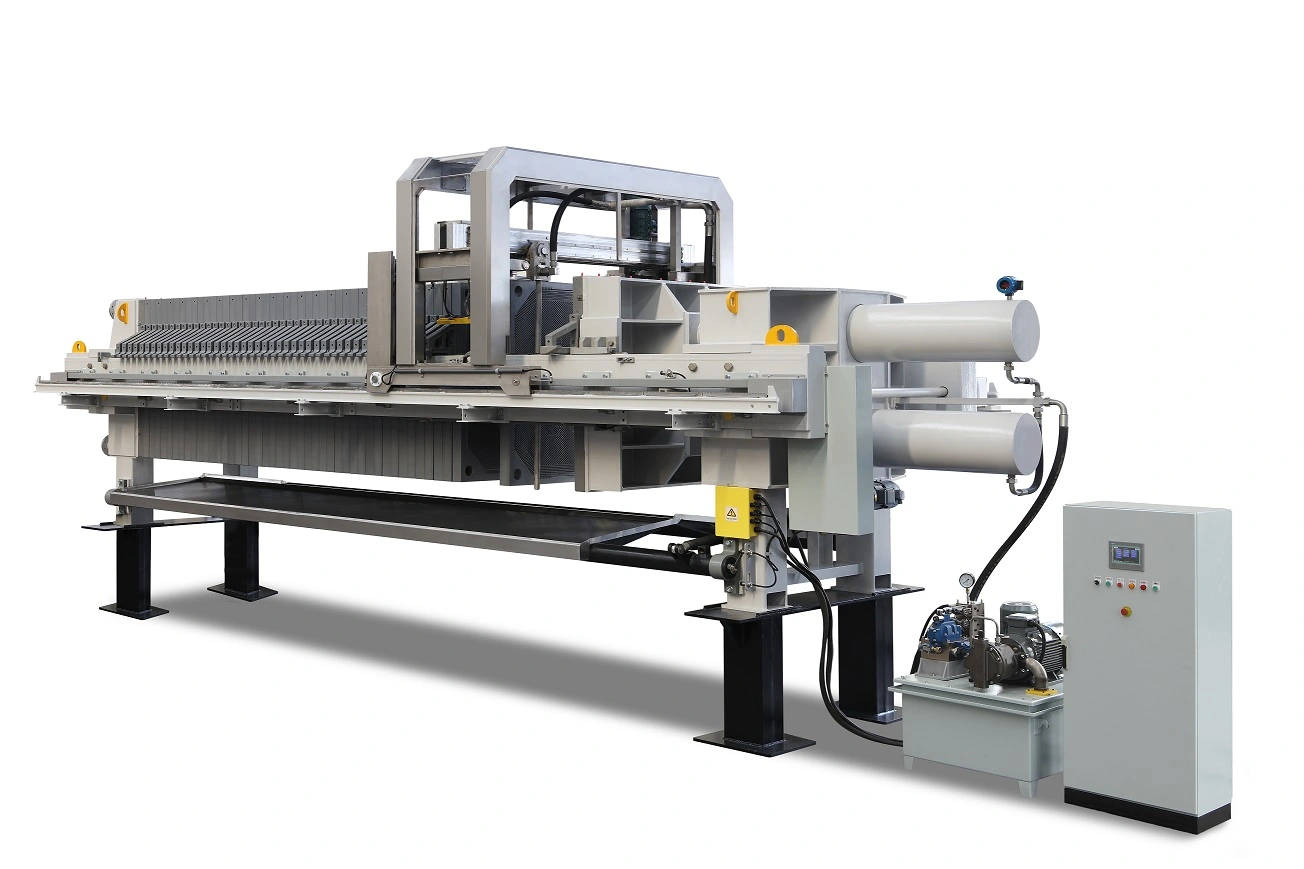
How Does a Filter Press Work in Wastewater Treatment? A Comprehensive Guide
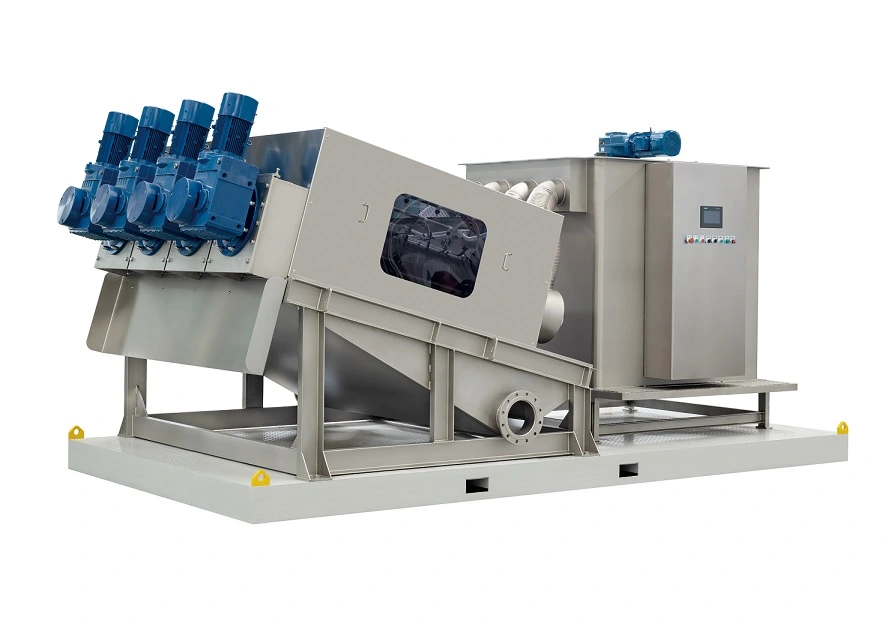
How Foreign Buyers Choose Reliable Multi Disk Screw Press in China?
Why Vietnam Wastewater Plants Choose China Multi Disk Screw Press?