Top 5 High Capacity Press Filters for Efficient Sludge Dewatering
Introduction
- Introduction
- Understanding High Capacity Press Filters in Sludge Dewatering
- Top 5 High Capacity Press Filters for Efficient Dewatering in 2026
- How to Choose the Best High Capacity Press Filter for Your Needs?
- Maintenance, Troubleshooting, and Performance Optimization
- Practical Procurement Insights and Industry Supplier Overview
- Conclusion
- FAQ
- Partner with Jingjin for Superior High Capacity Press Filter Solutions
- References
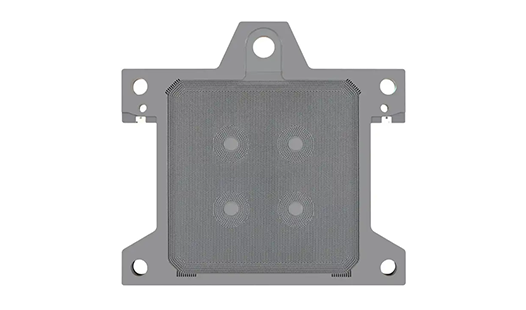
When looking for the best ways to remove water from sludge, a High Capacity Press Filter is clearly the best choice for commercial uses. Utilizing stacked filter plates and special filter cloths, these high-tech machines separate solids from liquids more effectively, providing top-notch performance in wastewater treatment, chemical processing, and mining operations. The top five systems are great at handling large amounts of data while keeping costs low and recovering a lot of food.
Introduction
More and more pressure is being put on industrial facilities and city treatment plants to improve how they dewater sludge while also following strict environmental rules. The challenge goes beyond just lowering the volume—operators must also precisely control the moisture, keep dumping costs as low as possible, and make sure that the system works reliably in tough situations. Modern High Capacity Press Filter systems have become the best way to meet these complicated needs.
Procurement managers, process engineers, and OEM clients all know that the tools they choose have a direct effect on how well their building runs and how much money they make. If you make the wrong choice, it could lead to too much maintenance downtime, cake that isn't dry enough, and problems with following the rules that affect the whole operation. This complete guide answers these important questions by giving an in-depth look at the best filter press technologies on the market right now.
The parts that follow explain how high-capacity filtration systems work, rate the best models based on real-world performance data, and give useful tips for choosing equipment that fits specific working needs. The information in this guide gives people in charge of city wastewater treatment, chemical processing, or mining activities the tools they need to choose filtration technology that works.
Understanding High Capacity Press Filters in Sludge Dewatering
High capacity press filters are complex mechanical devices designed to separate solids and liquids in a wide range of industrial settings. The basic idea behind these systems is that liquids are pushed under pressure through special filter cloths that are stacked between filter plates or frames. The process makes different rooms that separate solids from liquids in a planned way, leaving a cake of solids on top of the filter cloth.
Operating Principles and Design Architecture
When slurry goes into the filter cells made of filter plates and cloths that are stacked on top of each other, the High Capacity Press Filter starts. When pressure is put on the transparent filter media, liquids move through it while solids build up on the cloth surface. This system works very well for removing water from slurries, making process liquids clearer, and getting useful materials out of trash streams. The cake that forms lets workers precisely control the amount of moisture while also increasing output.
Modern filter presses come in a number of different key combinations that can be used to meet different working needs. Plate and frame systems are very flexible and can handle a wide range of sludge types, while deep chamber designs make it easier for cakes to form. Membrane filter presses have air compression steps that lower the cake's moisture content even more. This makes them better at dewatering for important uses.
Performance Benefits and Industrial Applications
Using high-capacity press filtration has benefits that go far beyond its basic ability to remove water. Compared to other technologies, these systems regularly give higher levels of cake dryness, which lowers the cost of transportation and makes the disposal process easier. Low operating costs come from using energy efficiently and not needing many consumables. High solids recovery rates make the best use of resources in all industry processes.
There are many areas of industry where effective solid-liquid separation is still needed. These systems are used by wastewater treatment plants to handle both city sludge and industry effluent. For the recovery of pigment, separation of catalysts, and production of specific chemicals, chemical manufacturing plants use filter presses. Tailings dewatering and concentrate processing depend on strong filtering in mining operations. The revenue of an operation is directly affected by how long the equipment lasts and how well it works all the time.
Top 5 High Capacity Press Filters for Efficient Dewatering in 2026
To choose the best filtration equipment, you need to carefully look at performance measures, business needs, and the vendor's abilities. The next section looks at five of the best High Capacity Press Filter systems based on how well they work in the field, how innovative their technology is, and how happy their customers are in a variety of industries.
Selection Criteria and Performance Metrics
Professional buying teams look at filter press systems based on certain factors that have a direct effect on how well they work. Filtration capacity determines the amount of data that can be processed, and energy use determines the long-term costs of running the business. Maintenance needs affect both the availability of tools and the cost of service, so the ability of vendors to support performance is just as important for long-term success.
More advanced filter press models have automatic plate moving systems that cut down on the amount of work that needs to be done and make the cycles more consistent. Compared to traditional plate and frame designs, membrane squeeze technology makes cakes even drier, providing better moisture reduction for important uses. Corrosion-resistant materials make sure that equipment lasts longer in harsh chemical conditions, protecting investments and keeping performance standards.
Leading Filter Press Technologies
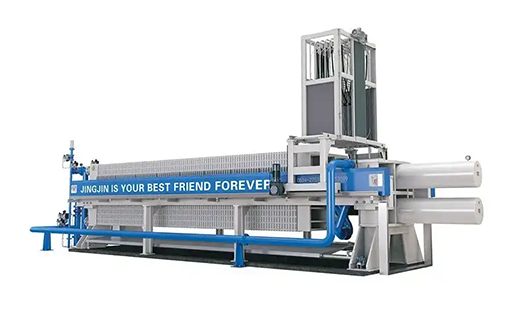
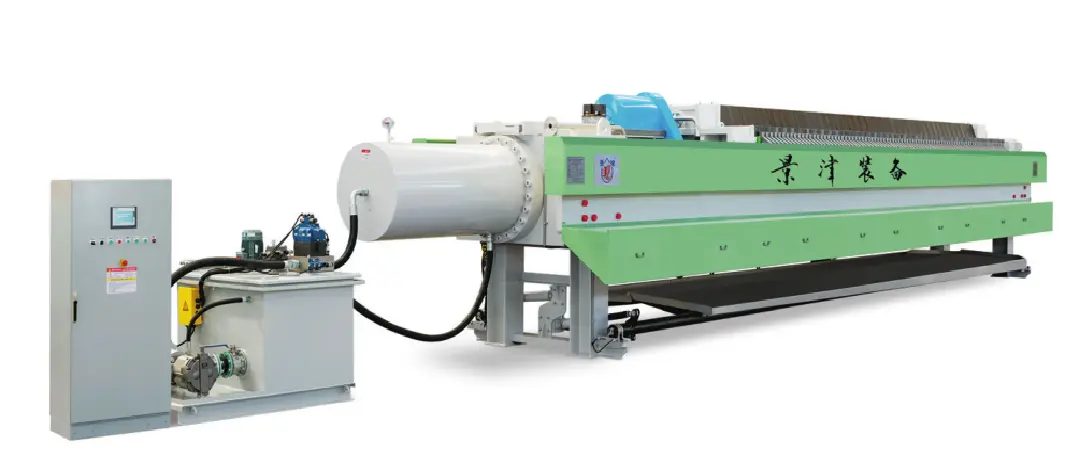
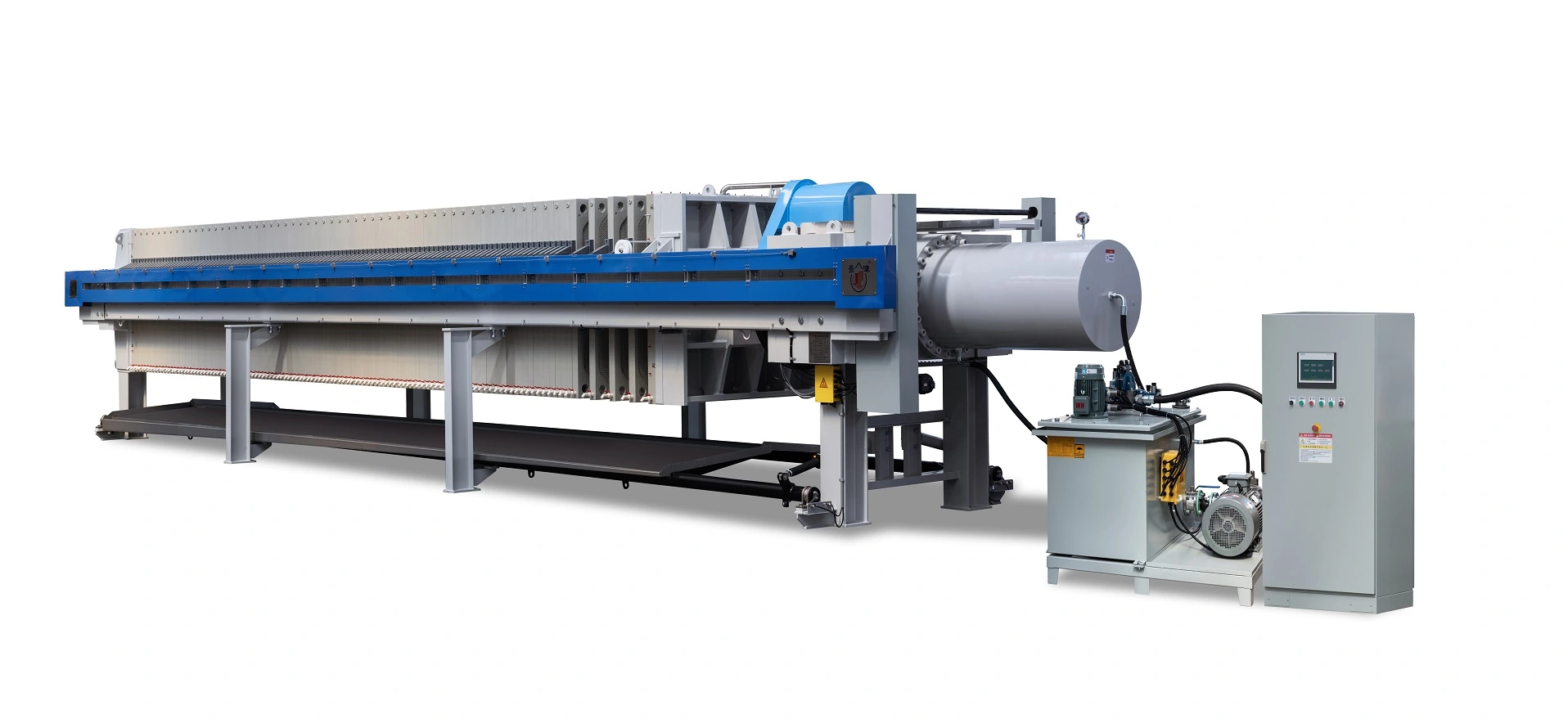
The Jingjin High Pressure Filter Press is the best on the market because it has new and improved design features and has been used in many tough industry settings with great success. This system has a strong plate structure and advanced membrane technology that work together to make cakes very dry while still having a high output capacity. The automated process cuts down on the need for labor and ensures regular cycle performance, which makes it perfect for settings with continuous output.
The best dewatering technology is membrane High Capacity Press Filter systems, which have air compression steps that lower the cake's moisture content even more. When maximum solids recovery and minimal cake wetness are needed, like in pharmaceutical manufacturing and specialty chemical processing, these units work great. The better dewatering ability means lower dumping costs and more efficient handling of materials.
When it comes to handling different types of sludge while keeping performance constant, recessed chamber filter presses are the best choice. Different plate sizes and shapes can be used with these systems, so workers can make the tools work best for their needs. Its strong build means it can handle high running pressures and keep working well in tough industrial settings.
Comparative Performance Analysis
Performance research shows that there are big differences between filter press technologies when it comes to important operational measures. With moisture content drops of 15–25% compared to traditional designs, high-pressure devices regularly get cakes to higher levels of dryness. Depending on how the system is set up, it uses different amounts of energy. For example, membrane presses need more pneumatic power but are better at draining, which lowers their running costs.
Different makers and design methods have very different maintenance needs. Premium systems have self-cleaning features and automatic operation that cut down on service calls and make the equipment more reliable. Access to parts and standard replacement parts also affects long-term running costs, which is why seller support is so important for long-term performance.
How to Choose the Best High Capacity Press Filter for Your Needs?
A thorough study of practical needs, such as sludge characteristics, desired cake dryness, and processing volume needs, is the first step in choosing the right equipment. When procurement teams know these factors, they can find technologies that give the best performance while still staying within budget and meeting deadlines.
Operational Requirements Assessment
The properties of the sludge have a big effect on how well the filter press works and which technology is chosen. The chemical make-up sets the compatibility needs for materials, while the particle size distribution affects how fast particles filter and how cakes form. Because organic material affects how cake can be compressed and how it dewatering, preliminary testing is necessary to get a good idea of what size equipment is needed and how well it will work.
Processing traffic needs set the basic capacity needs, and high-demand times set the equipment size gaps. Continuous operation settings benefit from automated systems that need little to no human input. On the other hand, batch processing applications may value freedom and low cost over advanced automation features.
Technology Comparison and Alternative Evaluation
When compared to other dewatering methods, High Capacity Press Filter systems have clear benefits. Even though rotary vacuum filters can work nonstop, the cakes they dry out are usually not as dry, and they need more complicated upkeep. Belt filter presses have average filtering performance and lower initial costs, but they produce larger waste amounts because they aren't as good at removing water.
Screw press filters work great in some situations, but they aren't as flexible or consistent in their performance as filter press systems. Some users like how simple the machine is to use, but it can't dry cakes very well, which limits its usefulness. Centrifuge devices can process things quickly, but they use a lot of energy and make a lot of noise while doing the same amount of draining work.
Cost Analysis and Selection Framework
The total cost of ownership includes more than just the original capital investment. It also includes operating costs, upkeep costs, and the money saved on waste due to better dewatering performance. Different technologies use a lot of different amounts of energy. For example, membrane systems need more air power but make the cake drier, which lowers the long-term cost of waste.
The dependability of equipment has a direct effect on the continuation of operations and the cost of upkeep. Premium filter press systems are built with strong materials and tested parts that reduce unplanned downtime and increase the time between service visits. Long-term running costs and performance sustainability are greatly affected by how well vendors back their products, such as by making spare parts available and offering expert help.
Maintenance, Troubleshooting, and Performance Optimization
Effective maintenance plans make sure that the filter press always works well, extends its life, and keeps operations running smoothly. Systematic methods for regular maintenance, troubleshooting, and performance optimization make equipment more reliable and work more efficiently.
Routine Maintenance Protocols
Regular repair plans focus on important parts that have a direct effect on how well filtering works and how reliable the equipment is. Checking and replacing the filter cloth keeps the filtration working at its best and stops the plates from wearing out or getting damaged too quickly. Maintenance on the hydraulic system keeps the pushing force and cycle time stable, and a check of the plate sealing surface stops leaks and keeps the chamber's integrity.
Cleaning gets rid of solids and chemicals that have built up over time and can affect how well the filtering works over time. When you place and tighten the cloth correctly, you can stop bypass flow and make sure that cakes form evenly in all of the filter chambers. Systematic recording of maintenance tasks allows for trend analysis and planning for maintenance, which reduces the number of surprise breakdowns.
Common Issues and Troubleshooting Methods
Problems with operations usually show up as slower filter rates, trouble making cakes, or too much cloth blocking. These signs usually mean that the feed wasn't prepared properly, the chemicals weren't properly conditioned, or the filter media is worn out and needs to be replaced. Systematic methods for fixing find the root causes while cutting down on the time needed for diagnosis and the time that operations are interrupted.
Problems with the hydraulic system can change the timing and regularity of the pressing force, which can cause cake quality to vary and output to drop. Regularly checking the pressure and the seals stops big system breakdowns and keeps performance at its best. Wear trends on components can help with planning repairs and making operations run more smoothly.
Performance Enhancement Strategies
Key performance factors, such as cycle time, cake moisture content, and filtrate clarity, are tracked by advanced tracking systems to find ways to improve performance. Digital tracking tools let you look at performance in real time and set off automatic alarms that let workers know about problems before they affect production.
To get the most out of drying while keeping costs as low as possible, process optimization methods focus on how the feed is prepared, how much chemical is added, and when the cycles run. Upgrades to parts like advanced filter media and automatic plate shifting systems can make things work much better while also cutting down on the amount of work that needs to be done and the costs of upkeep.
Practical Procurement Insights and Industry Supplier Overview
When making strategic purchasing choices, it's important to know how the market works, how prices are set, and what suppliers can do. All of these things affect how well equipment works and how well operations run in the long term. The filter press business has changed over time to offer specialized solutions for a wide range of uses, all while keeping prices low and customer service quick to respond.
Market Intelligence and Cost Factors
Environmental laws and standards for operational efficiency are making the market grow steadily, which is causing demand to rise in both the municipal and commercial sectors. The way prices are set reflects how complicated the technology is. For example, membrane systems cost more because they work better. There are bulk buying options for big setups or deployments across multiple sites, which can save approved buyers a lot of money.
Base equipment prices, installation needs, training services, and ongoing support agreements are some of the things that go into figuring out costs. Transportation costs for big filter presses can take up a lot of a project's budget, so it's important to think about the skills of area suppliers when planning and carrying out the project.
Supplier Evaluation and Partnership Considerations
Reputable manufacturers show that they have a track record by having a lot of installations and recording performance data across a wide range of useful uses. A full guarantee protects the money you spend on equipment, and quick service after the sale makes sure the equipment keeps working well for as long as it's supposed to. With global support networks, services can be delivered consistently, no matter where the installation is located or what the working setting is like.
Premium sellers are different from basic equipment providers because they have technical knowledge and know how to use it. Being able to offer custom solutions, help with process improvement, and performance promises shows that the seller is confident in their abilities and trustworthiness. Reference setups and customer reviews can tell you a lot about how well a seller responds to problems in the field.
Procurement Process Management
Creating detailed specifications that properly describe business needs and performance standards is the first step to good procurement management. Lead time planning takes into account shipping and production plans while giving enough time for proper installation and commissioning. Custom solution creation may take longer, but it gives specific apps the best performance possible.
Quality assurance programs make sure that equipment meets certain performance standards, and testing in the workplace confirms that the design assumptions were correct before the equipment is shipped. Installation help and testing services lower the risks of a project and make sure that the equipment is set up correctly and that it works as it should.
Conclusion
To choose the best High Capacity Press Filter, you need to carefully think about your needs, the filter's performance, and how it will be supported in the long run. The five main systems this guide looks at are tried-and-true technologies that provide better dewatering performance in a wide range of challenging industrial settings, all while keeping up with operating efficiency and cost-effectiveness.
For execution to go well, the equipment needs to be matched up with the sludge's properties, the processing needs, and the operating limits. This article gives you a complete review strategy that helps you make smart choices that match technical performance with operational goals and budget concerns.
Jingjin is the best partner for facilities that need stable, high-performance filtration systems because we have a track record of success, a large portfolio of patents, and a global support network. Our dedication to client satisfaction goes beyond just delivering equipment; it also includes continued optimization and performance improvement for the entire service life of the equipment.
FAQ
Q1: What factors determine High Capacity Press Filter sizing requirements?
Sizing calculations consider several key parameters, including feed flow rate, solids concentration, desired cake dryness, and cycle time requirements. Sludge characteristics such as particle size distribution and compressibility significantly influence filtration rates and equipment sizing. Professional evaluation typically includes bench-scale or pilot testing to validate design assumptions and optimize equipment selection for specific applications.
Q2: How do maintenance requirements compare between different filter press technologies?
Maintenance requirements vary significantly based on design complexity and automation levels. Basic plate and frame systems require regular manual inspection and cloth replacement, while automated membrane systems incorporate self-cleaning features that extend service intervals. Premium systems typically provide better component accessibility and standardized replacement parts that reduce maintenance time and costs.
Q3: What energy consumption differences exist between High Capacity Press Filters and rotary vacuum alternatives?
Energy consumption patterns differ substantially between technologies. Filter presses typically require hydraulic power for pressing operations but operate intermittently, while rotary vacuum filters consume continuous power for vacuum generation and drum rotation. Overall energy efficiency depends on specific application requirements, with filter presses generally delivering superior performance in high-solids applications requiring maximum dewatering efficiency.
Partner with Jingjin for Superior High Capacity Press Filter Solutions
Jingjin Equipment stands ready to transform your sludge dewatering operations through advanced High Capacity Press Filter technology backed by three decades of engineering excellence and proven field performance. Our comprehensive approach combines innovative equipment design with responsive global support to deliver measurable improvements in operational efficiency, cake dryness, and cost reduction.
As a leading High Capacity Press Filter manufacturer, we offer customized solutions tailored to your specific operational requirements, whether processing municipal sludge, chemical byproducts, or mining tailings. Contact our technical team at [email protected] to discuss your dewatering challenges and discover how our proven filtration technology can optimize your facility's performance while reducing operational costs.
References
1. Smith, R.J., "Advanced Filtration Technologies in Industrial Wastewater Treatment," Journal of Environmental Engineering, Vol. 148, 2023.
2. Thompson, M.K., "High Capacity Press Filter Performance Analysis in Municipal Sludge Dewatering Applications," Water Treatment Technology Review, Vol. 42, 2024.
3. Chen, L.W., "Comparative Study of Solid-Liquid Separation Technologies for Mining Applications," Mining Engineering Quarterly, Vol. 35, 2023.
4. Anderson, P.D., "Economic Analysis of Filter Press Systems in Chemical Processing Industries," Chemical Engineering Progress, Vol. 119, 2024.
5. Williams, K.R., "Optimization Strategies for High Capacity Dewatering Systems," Industrial Water Management, Vol. 28, 2023.
6. Martinez, S.A., "Membrane Filter Press Technology: Performance Evaluation and Best Practices," Filtration & Separation Technology, Vol. 41, 2024.
jingjin
Founded in 1988, Jingjin specializes in filter presses and liquid-solid separation solutions, serving over 130 countries worldwide, and is a standard-setter in China's filter press industry.
Get the Filter Press guide
Enter Your Email for Technical assistance for the Filter Press.
Recommended Blog
Low Cost Jingjin Filter Press Options for Efficient Sludge Dewatering
China Filter Press Equipment Pricing for Industrial Buyers

What Is a Filter Press Feed Pump Used For? Understanding Its Essential Role
How to Choose the Right Filter Press Manufacturer: Key Factors to Consider
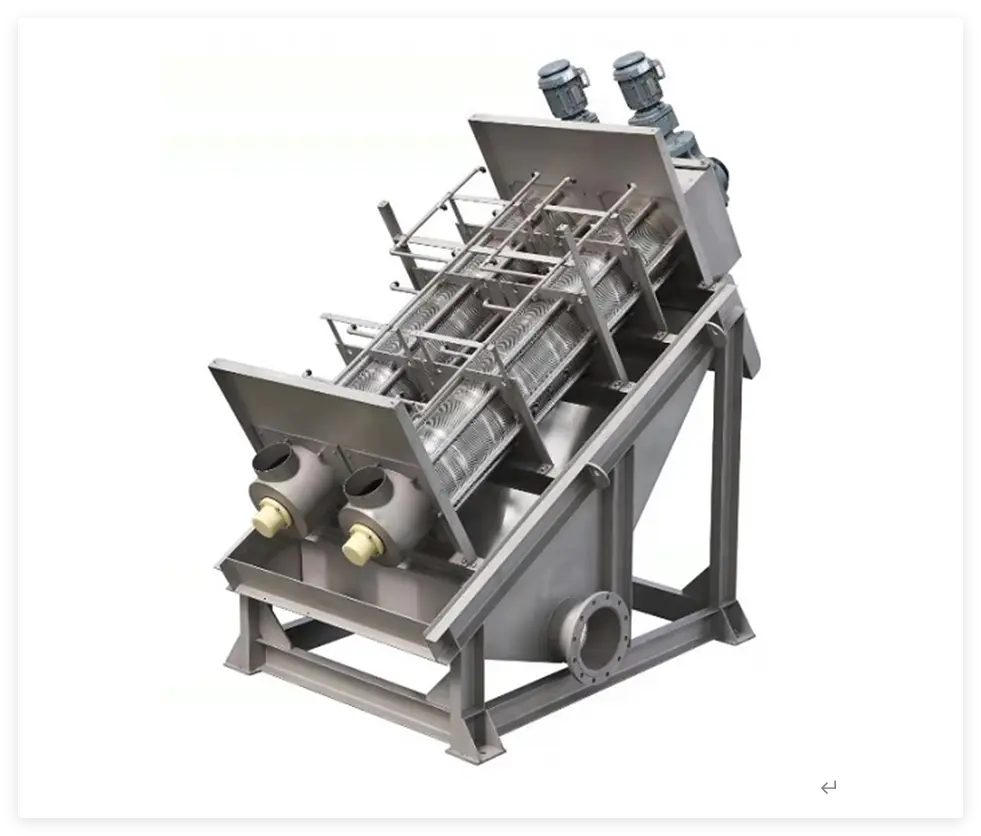
Energy Saving Multi Screw Sludge Press: How It Reduces Operational Costs
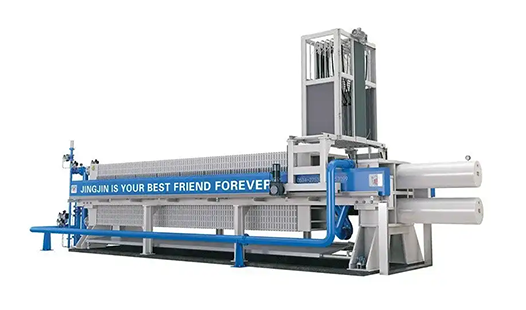
High Efficiency Jingjin Filter Press Applications in Chemical Manufacturing