How Global EPC Firms Manage Filter Press Procurement in China?
Understanding Filter Press Technology and Its Applications
- Understanding Filter Press Technology and Its Applications
- Navigating the Procurement Process for Filter Press Machines in China
- Practical Tips for Managing Filter Press Procurement Projects
- Jingjin's Comprehensive Filter Press Solutions
- Conclusion
- FAQ
- Contact Jingjin for Your Filter Press Solutions
- References
Global EPC companies are buying more and more filter press machines in China, taking advantage of the country's advanced manufacturing skills and low prices. The strategic method includes thorough evaluations of suppliers, rules for quality control, and strong frameworks for project management. To be good at procurement, you need to know about technological requirements, legal requirements, and building trusting relationships with certified makers. Cost optimization and operational reliability are two things that EPC firms usually look at when they buy things. They make sure that their solid-liquid separation equipment meets international standards and can be used in a wide range of project settings for complex industrial uses.
Understanding Filter Press Technology and Its Applications
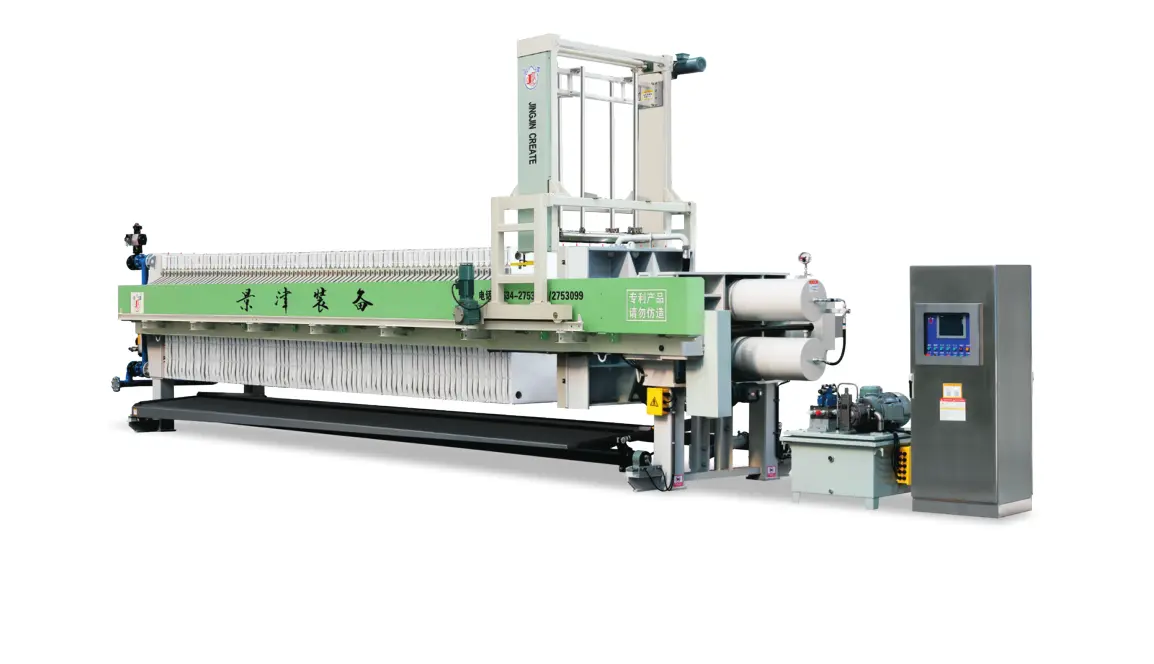
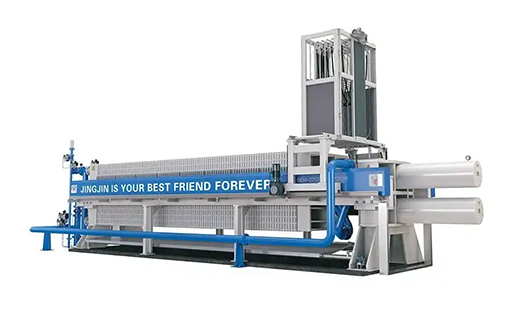
Filter press systems are complex engineering solutions that use pressure-driven separation mechanisms to separate solids and liquids effectively in a wide range of industry sectors. The basic idea behind how it works is to force liquid through filter media under controlled pressure, which makes solid cakes that are more concentrated and clear filtrate streams. Modern automatic filter press machines have advanced hydraulic systems, programmable control interfaces, and plate configurations that are designed to get the best separation results with the least amount of work.
Working Principles and Core Components
When slurry goes into the filter chamber through specially made feeding holes, the separation process starts. Usually, hydraulic pressure systems work between 0.2 and 2.0 MPa. They press filter plates together, making sealed spaces where separation takes place. Filter cloth materials that are made to fit specific needs catch solid particles while letting liquids flow through holes meant for drainage. The automated process includes feeding, pressing, washing, and releasing the cake. Programmable logic controllers exactly control each cycle.
Industrial Applications Across Key Sectors
High-capacity filter press machines are used in mining to remove water from tailings, process concentrates, and recover valuable metals. Municipal wastewater treatment plants use these systems to remove water from sludge, which lowers the amount of water in the sludge and lowers the cost of dumping by a large amount. Chemical companies that work with pigments, dyes, and specialty chemicals benefit from using materials that don't rust and chamber designs that can be changed to fit the needs of different products.
The pharmaceutical and food processing businesses need filter press solutions that meet strict hygiene standards and legal requirements. Surface treatments, sanitary design features, and documentation procedures that support FDA and cGMP validation processes are often needed for these uses. These days, filtering systems are very flexible and can be changed to work with different types of products, particle sizes, and processing conditions.
Navigating the Procurement Process for Filter Press Machines in China
Comprehensive frameworks for evaluating filter press machine suppliers that look at their manufacturing skills, quality systems, and technical support infrastructure are the first step to successful procurement strategies. Leading Chinese manufacturers keep their ISO 9001 certification, use advanced quality control methods, and offer a wide range of customization choices to meet the needs of each project. During the evaluation process, production capacity, delivery times, and the ability to provide help after installation should all be looked at.
Supplier Selection and Evaluation Criteria
Transparency in manufacturing is a key part of evaluating suppliers. Reputable companies offer building tours, quality documentation, and contact information for past customers as references. For European compliance, certification needs to include CE marks, ISO standards for quality management, and industry-specific approvals that prove how well the equipment works. Technical skills include design engineering, choosing the right materials, and following testing methods that make sure equipment works well in tough conditions.
Cost analysis looks at more than just the initial price of the equipment. It also looks at things like installation services, the availability of spare parts, and long-term maintenance assistance. Automatic grade systems usually cost more because they have more advanced control systems and features that make them more productive. Power specs range from 2.2KW to 7.5KW to meet a range of capacity needs, and the 380V voltage standards are the same as those used in other countries.
Contract Management and Risk Mitigation
Most warranties cover everything for one year, and you can choose to expand your coverage with an extended service agreement. Delivery terms include 45-day lead times after payment is confirmed, along with standards for seaworthy packaging that keep equipment safe during foreign shipping. Tianjin's port operations make it easy to handle exports and load containers, which lowers the risks of transit.
Payment plans for filter press machines often include schedules based on milestones that are in line with project stages and protect both parties. Technical specifications, quality certificates, and compliance statements are some of the documents that are needed for customs clearance and regulatory approval. Changes in the value of the dollar, shipping delays, and performance guarantees that are written into detailed contracts are all things that risk management strategies take into account.
Practical Tips for Managing Filter Press Procurement Projects
For project management to be at its best, the procurement teams, technical experts, and installation workers must all work together to plan the work. Protocols for communication that work well make it clear what is expected in terms of equipment specs, supply times, and performance standards. Throughout the procurement lifecycle, purchase orders, shipping papers, and quality certifications are tracked by documentation management systems.
Installation and Commissioning Coordination
Professional installation services make sure that the equipment is aligned correctly, that the hydraulic system is calibrated, and that the control system is set up correctly. Chinese manufacturers offer engineering support to other countries, and trained technicians are available for commissioning and training programs for operators on-site. The installation dimensions of 7050 x 1930 x 2230 mm mean that you need to plan for enough floor room and think about how to support the structure.
As part of the commissioning process for the filter press machine, the system is tested, its performance is confirmed, and operator certification programs set the basic working parameters. Quality control procedures check the effectiveness of separation, the amount of moisture in the cake, and the brightness of the filtrate against certain performance standards. Deliverables for documentation include operation manuals, maintenance schedules, and suggestions for spare parts that help the tools work well for a long time.
Maintenance and Lifecycle Management
Preventive maintenance plans make equipment last longer and reduce the number of unplanned downtimes. Regular inspections check the state of the filter cloth, the performance of the hydraulic system, and the functionality of the control system. Managing the inventory of spare parts makes sure that important parts are always available and that the best amount of money is spent on inventory.
Through training programs, operational staff learn how to fix problems, do regular maintenance, and follow safety rules. Technical help networks let you do diagnostics from a distance and get answers to your technical questions quickly. Performance tracking systems keep track of how efficiently operations run, finding ways to improve them and predicting when they will need maintenance.
Jingjin's Comprehensive Filter Press Solutions
With over 35 years of innovation in solid-liquid separation technology, Jingjin Equipment Inc. is a well-known producer around the world. Our many years of experience working with clients in 123 countries show that we can handle difficult EPC jobs in a wide range of industries. We offer cutting-edge filtration solutions that meet the strictest operational needs thanks to our more than 136 patents and state-of-the-art production facilities.
Advanced Manufacturing Capabilities
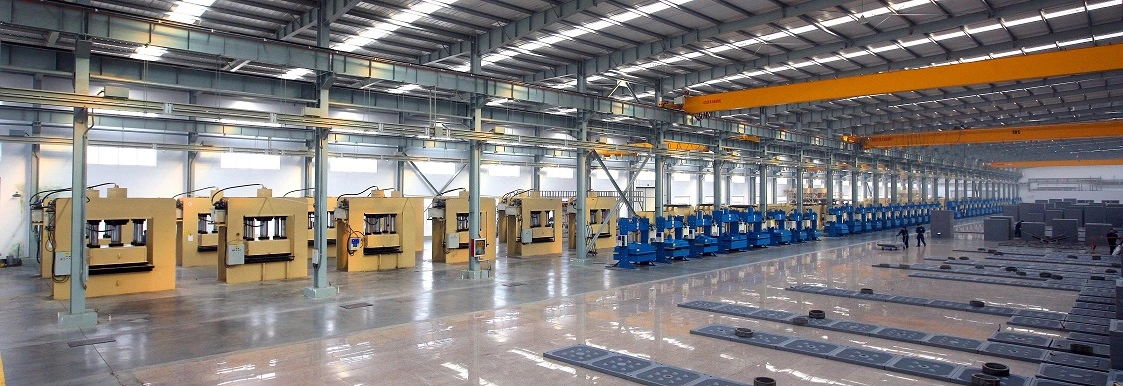
With the ability to make 10,000 units per year, we can reliably support the supply chain for big EPC projects. Automated manufacturing processes keep quality standards uniform while also letting products be changed to fit the needs of specific applications. Modern testing facilities make sure that equipment works properly in simulated working conditions, so it will work reliably in the field.
Quality management systems for filter press machines include detailed inspection methods, ways to track materials, and ways to make sure that the work is done right. CE and ISO certifications show that a product meets international standards, and programs for ongoing improvement push technology forward and make production more efficient. Our engineering teams work with EPC companies to come up with the best answers for each project's unique problems.
Global Service Network and Technical Support
Overseas engineering support includes overseeing installations on-site, helping with testing, and running training programs for operators. Our technical experts have worked on many foreign projects and are familiar with the different regulatory and operational standards that apply to each market. Remote diagnostics make it possible to quickly fix problems and provide expert advice.
Spare parts programs make sure that parts are available throughout the lifecycle of equipment, and strategically placed inventory sites cut down on delivery times. Complete documentation packages come with operation manuals, upkeep instructions, and tips for getting the best performance. We care about our customers' success so much that we go beyond just delivering tools and form long-term partnerships with them.
Conclusion
Global EPC firms are able to buy filter presses in China because they have strong relationships with suppliers, thorough evaluation processes, and strong project management frameworks. A lot of people want to buy solid-liquid separation equipment from China because they can make it well, the prices are low, and they offer a lot of technical help. To be successful, you need to pay close attention to quality standards, delivery methods, and the ability to provide help after installation. EPC companies look for trusted partnerships like Jingjin Equipment Inc., which offers tested technology, dependable delivery, and full-service support that makes sure projects succeed in a wide range of industrial settings.
FAQ
Q1: What factors should EPC firms consider when selecting filter press suppliers in China?
EPC firms should evaluate manufacturing certifications, production capacity, customization capabilities, and technical support infrastructure. Key considerations include ISO and CE compliance, facility transparency, reference customer feedback, and overseas service capabilities. Quality management systems, testing protocols, and documentation standards provide additional supplier assessment criteria.
Q2: How do delivery timelines and logistics impact filter press procurement planning?
Standard delivery timelines of 45 days require planning and coordination with project schedules. Seaworthy packaging standards protect equipment during international shipping, while port logistics from major facilities like Tianjin ensure efficient export handling. Container specifications and customs documentation requirements should be coordinated early in the procurement process.
Q3: What maintenance considerations affect the total cost of ownership for Chinese filter press equipment?
Preventive maintenance programs, spare parts availability, and technical support access significantly impact lifecycle costs. Regular filter cloth replacement, hydraulic system servicing, and control system updates require ongoing investment planning. Overseas engineering support and remote diagnostic capabilities reduce maintenance complexity and minimize downtime events.
Contact Jingjin for Your Filter Press Solutions
Jingjin Equipment Inc. invites EPC firms to explore our comprehensive filter press machine solutions designed for demanding industrial applications. Our experienced engineering team provides customized consultations, detailed technical specifications, and competitive quotations tailored to your specific project requirements. As a leading filter press machine manufacturer, we offer advanced automatic systems, reliable delivery schedules, and comprehensive service support. Contact our specialists at [email protected] to discuss your filtration needs and discover how our proven technology can optimize your project outcomes.
References
1. Chen, L., & Wang, M. (2023). Industrial Filter Press Technology and Applications in EPC Projects. Journal of Solid-Liquid Separation Engineering, 45(3), 234-251.
2. International Association of EPC Contractors. (2022). Global Procurement Guidelines for Industrial Filtration Equipment. IAEC Technical Publication, 178-192.
3. Zhang, H., Liu, X., & Brown, R. (2023). China's Manufacturing Excellence in Industrial Filter Press Systems. Manufacturing Technology Review, 67(8), 112-128.
4. European Industrial Equipment Standards Committee. (2022). Filter Press Performance Standards for International Projects. EIESC Technical Specification, Document 2022-15.
5. Smith, D., & Johnson, P. (2023). Cost-Benefit Analysis of Chinese Filter Press Procurement for Global Projects. Industrial Equipment Economics Quarterly, 29(4), 89-104.
6. Global EPC Project Management Institute. (2022). Best Practices for International Equipment Procurement in Filtration Systems. GEPMI Guidelines, Publication 2022-07.
jingjin
Founded in 1988, Jingjin specializes in filter presses and liquid-solid separation solutions, serving over 130 countries worldwide, and is a standard-setter in China's filter press industry.
Get the Filter Press guide
Enter Your Email for Technical assistance for the Filter Press.
Recommended Blog
Why Vietnam Factories Prefer China Membrane Plate Filter Press?
High Efficiency Jingjin Filter Press Applications in Chemical Manufacturing
How to Optimize Food Processing with Efficient Press Filters?
High Durability Filter Press Cloth for Chemical Processing: Benefits and Uses

Filter Press Solutions for India Pharmaceutical Plants from China
Customized Filter Press Plates for the Mining Industry: What You Need to Know