China Filter Press Procurement Strategy for International Buyers
Understanding Filter Press Equipment—Basics and Benefits
- Understanding Filter Press Equipment—Basics and Benefits
- Comparing Filter Press Solutions—Making an Informed Decision
- Step-by-Step Procurement Strategy for International Buyers
- Maintenance and Troubleshooting for Filter Press Equipment
- Case Studies—Successful Procurement and Application of Chinese Filter Press Equipment
- Conclusion
- FAQ
- Partner with Jingjin for Your Filter Press Equipment Needs
- References
Filter press equipment from China offers cutting-edge solids-and-liquids separation technology at competitive costs. Industrial filtration manufacturers in China have improved, and leading businesses like Jingjin now export high-performance solutions to 123 countries. Smart purchase strategies guide individuals through technical requirements, supplier assessment, and quality assurance to acquire dependable equipment that fulfills tight operational demands in chemical processing, wastewater treatment, and mining.
Understanding Filter Press Equipment—Basics and Benefits
Filter press technology is crucial for separating solids and liquids in various industries. Pressure-driven filtration improves drying in these powerful systems. This makes them vital for effective material processing and environmental compliance.
Working Principles and Core Components
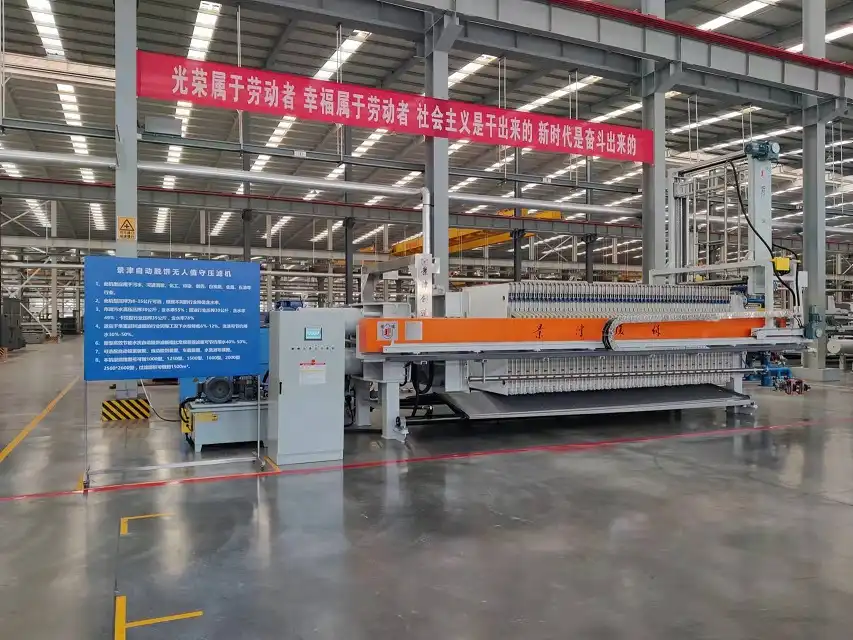
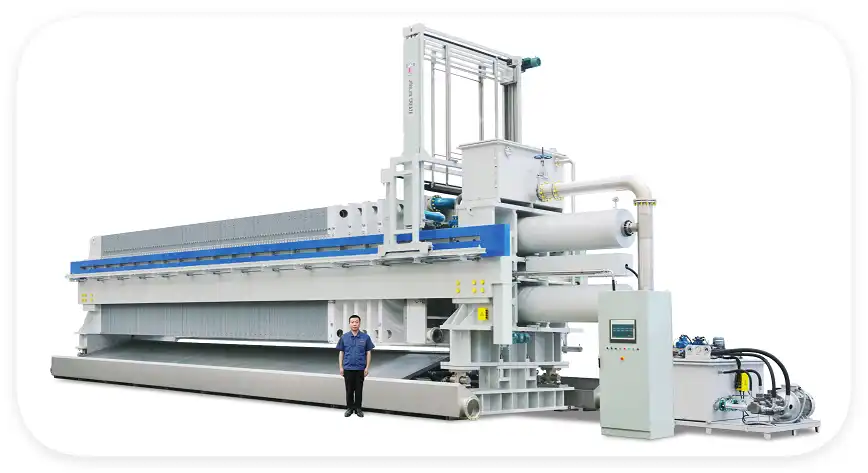
Modern filter tools are simple yet effective. Upon entering the system, slurry runs into filter tubes between specific plates under regulated pressure. As pressure increases, liquid flows through the filter medium, and particles form thick cakes. Important pieces include the frame structure, filter plates, hydraulic closure mechanism, and filtering medium. All are designed for tough industrial conditions.
The hydraulic closing mechanism maintains room pressure, and complex control systems monitor operating variables in real time. Good manufacturers employ automated cleaning and cake discharge systems to save labor and enhance output.
Types and Applications
Three basic kinds of industrial filter presses are best suited for different types of processing:
- Plate and Frame Design: Ideal for frequent filter media changes and adjustable container sizes.
- Large-scale operations that require managing cake thickness and release benefit from recessive plate systems.
- Membrane filter presses compress membranes with air to achieve ultra-low moisture levels in final items.
The configurations fulfill varied industrial needs, such as dependable sludge dewatering for local wastewater treatment or robust tailings management for mining.
Automation Advantages
More advanced automation distinguishes modern Chinese filter presses from traditional techniques. With automatic cycle control, operators perform less labor, and the machine operates the same regardless of feed circumstances. You can precisely schedule filling, pressing, washing, and discharging using programmable logic controls. Labor expenses drop, and production rises.
Remote tracking lets plant managers monitor performance, schedule preventive maintenance, and repair issues before they hinder output. Foreign purchasers who conduct business in areas with few experienced specialists benefit from these qualities.
Comparing Filter Press Solutions—Making an Informed Decision
Detailed comparisons of solid-liquid separation technologies aid worldwide buying decisions. Buyers may pick the best solutions by understanding performance, operating expenses, and maintenance.
Filter Press vs. Centrifuge Technology
Both processes separate solids and liquids, but in distinct ways. Filter presses are ideal for releasing dry cakes or processing difficult materials. They often obtain final commodities with less than 20% moisture, compared to 25–35% for centrifuges.
Filter press equipment is cheaper and better for irregular processing when batch operation fits production planning. Centrifuges are excellent for high-volume usage but cost more and need particular maintenance.
Key Procurement Considerations
Buying from Chinese manufacturers requires careful consideration of many variables. Processing speed must meet existing and future production rates, and materials must be chosen based on chemical compatibility and equipment lifespan.
The key factors affecting long-term equipment performance are:
- Pressure ratings for your hydraulic system must equal or exceed the peak operating pressures for your tasks.
- The plate material should resist corrosion from process chemicals and retain its form after several pressure cycles.
- Automation must match operator expertise and desired pace.
- Long-term running expenses depend on replacement parts and local service.
Before picking a supplier, conduct thorough research since these factors affect equipment reliability and cost.
Supplier Evaluation Criteria
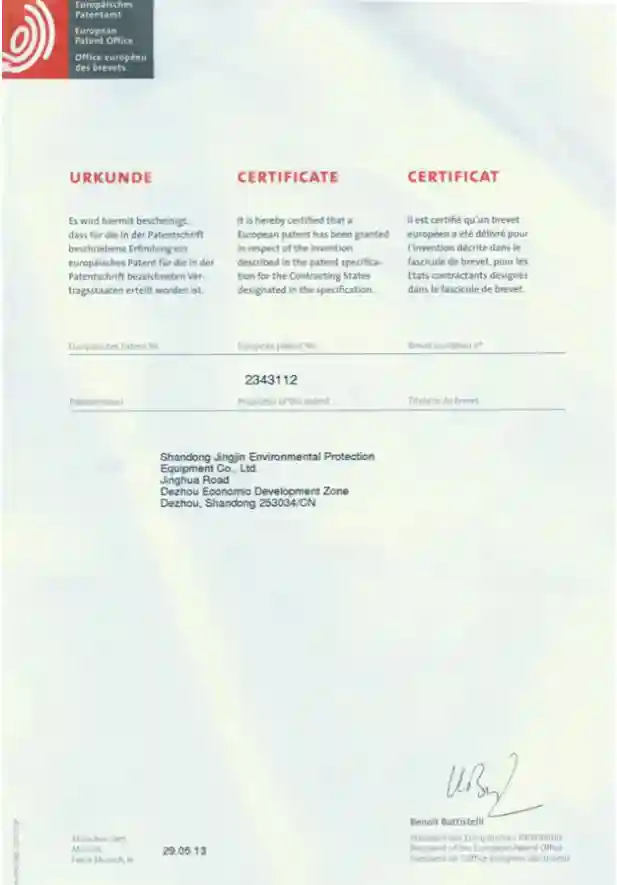
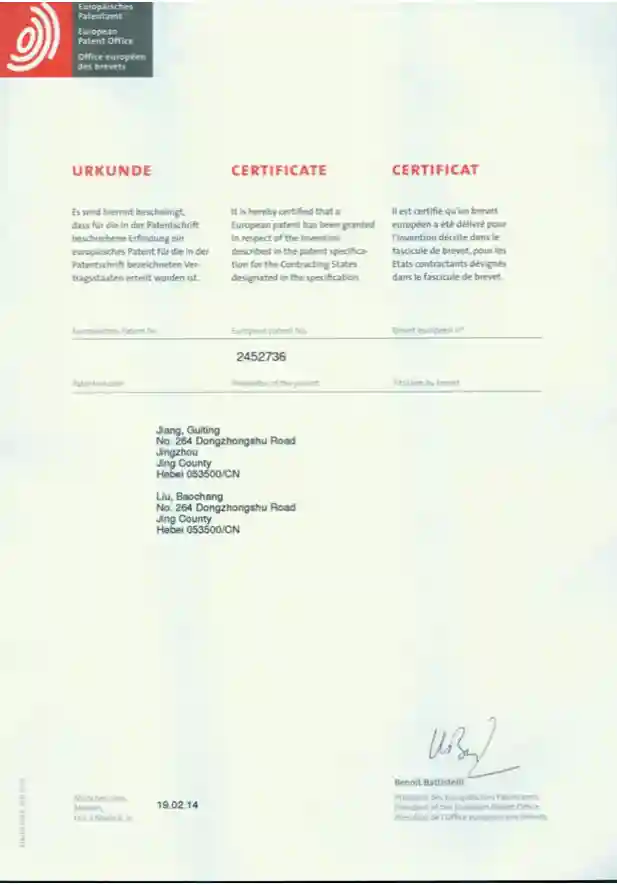
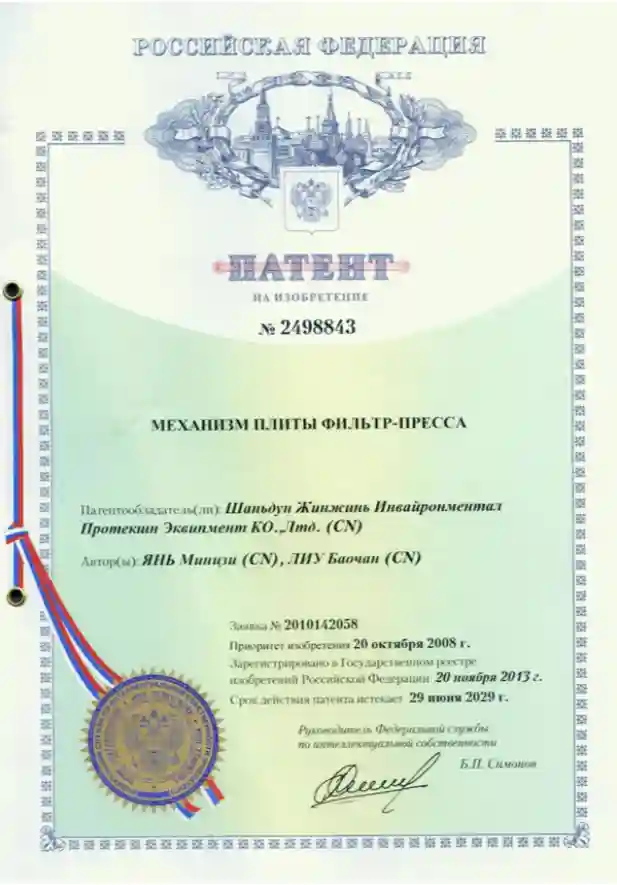
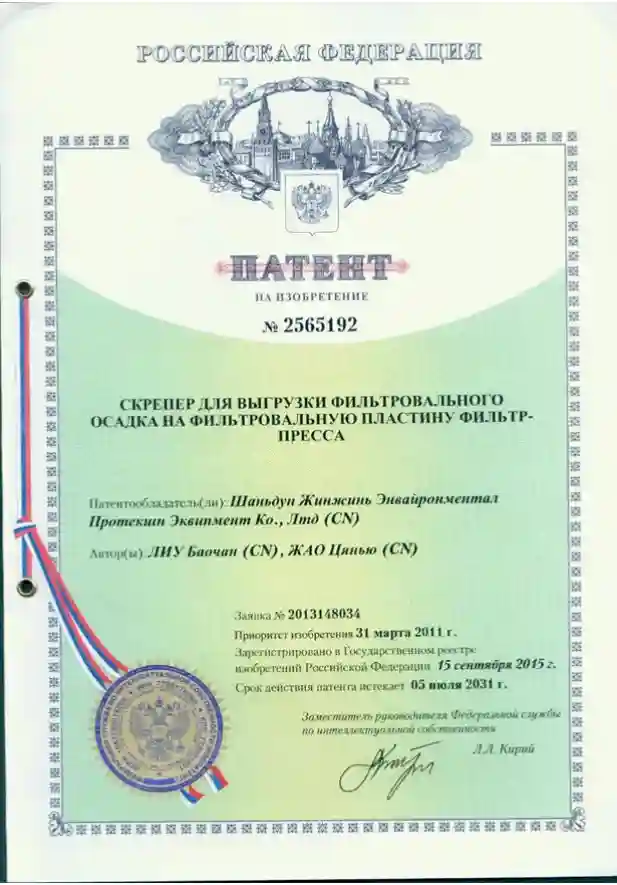
Various Chinese enterprises create filter presses, from specialized instruments to whole industrial systems. Jingjin Equipment Inc., with over 136 patents and a global service network, has succeeded in severe conditions.
Check suppliers' manufacturing certificates, reference installations, and support expertise. An ISO 9001 quality management certification demonstrates you can regulate quality, while an industry-specific accreditation shows you know your field.
Step-by-Step Procurement Strategy for International Buyers
A planned procurement process must include technical requirements, supplier verification, and risk management throughout. This systematic approach helps purchasers avoid frequent errors and acquire durable equipment.
Defining Technical Requirements
Technical requirements begin with a thorough analysis of your operating environment. The particle size distribution, chemical composition, and solids concentration of the feed material affect tool size and material choice.
The operational environment comprises temperature, services, and space. The cake wetness, filter clarity, and cycle time processing objectives measure equipment performance.
Supplier Sourcing and Verification
Beyond marketing presentations, there are other ways to verify sources. Factory inspections show how items are manufactured, how quality is managed, and how much can be made.
Customers who have used comparable apps may recommend speed and reliability. Famous companies preserve thorough case study files and make it simple to contact individuals who have used comparable items.
Negotiation and Contract Terms
Filter press equipment negotiating pricing, delivery conditions, and risk allocation with the long-term objective of producing value is key. Shipping terms greatly impact project cost. CIF protects buyers during international shipment.
The warranty should cover manufacturing defects and performance under defined circumstances. Payment conditions normally involve a deposit upon purchase confirmation and the balance before shipping. Letter of credit programs safeguard bigger transactions.
Quality Control and Logistics
Pre-shipment inspection protocols ensure equipment fulfills technical and quality standards. Third-party testing services verify production and measurement quality. Coordinating foreign operations involves customs paperwork, shipping, and scheduling. Experienced vendors aid with customs clearance and on-time delivery.
Maintenance and Troubleshooting for Filter Press Equipment
Proactive maintenance programs maximize equipment uptime and minimize long-term expenditures. Plant personnel may prolong equipment life by understanding typical operational issues and how to address them.
Essential Maintenance Protocols
Structure, hydraulic systems, and filter media should be inspected regularly. The system's performance depends on hydraulic oil quality. When oil is polluted, valves cease operating, and pressure control is inaccurate.
How frequently to replace the filter cloth depends on the feed material and machine operation. Fitting correctly ensures uniform closure and prevents flow-arounds that reduce separation.
Common Operational Challenges
Pressure variations can indicate filter media blinding or hydraulic system issues. Gradual pressure increases indicate filter cloth replacement, whereas sudden pressure dips indicate seal failure or escape.
Cake discharge issues are mainly caused by too much moisture, insufficient pressing time, or worn discharge systems. Changing cycle times or replacing worn components usually addresses these issues without major system adjustments.
Professional Support Resources
Chinese manufacturers often provide remote diagnostics, spare parts delivery, and field assistance. Having local service representatives helps resolve operational issues rapidly.
Plant operators and maintenance staff get training to maximize equipment performance and reduce issues. Many manufacturers provide plant-based training and education.
Case Studies—Successful Procurement and Application of Chinese Filter Press Equipment
Real-life implementations demonstrate tool purchase and setup. These stories demonstrate excellent practices and solutions for international purchasers' issues.
Wastewater Treatment Plant Upgrade
A southeast US wastewater treatment facility is required to increase sludge filtering capacity to meet population growth. The former system struggled with cake discharge with a lot of water, which increased cleanup costs and plant inefficiency.
The membrane filter press equipment Jingjin designed could wash itself and cycle automatically. The new apparatus reduced cake moisture to 18%, whereas the previous approach increased it to 28%. Waste cost reductions exceeded $150,000 annually, and 40% less operator labor was required.
Mining Industry Implementation
A copper mine in South America required tailings dewatering instruments that could handle solids and tough conditions. Old equipment was hard to maintain and didn't always operate in difficult situations.
Deep plate filter presses constructed of durable, rust-resistant materials were the solution. With a 16-bar operating pressure, challenging tailings streams were effectively handled. Equipment reliability improved, and unscheduled downtime was reduced 75% from the prior system.
Conclusion
When buying filter press equipment from China, pay attention to technical details, supplier evaluation, and quality guarantee. To succeed, you must employ tools that match the task and collaborate with reliable manufacturers that can give complete assistance. Leading vendors like Jingjin Equipment Inc. provide proven technology, worldwide service networks, and application experience to reduce procurement risks and ensure long-term success. International purchasers may take advantage of China's manufacturing expertise and inexpensive pricing while accessing sophisticated filtering technology that fulfills high industry standards in many situations.
FAQ
1. How can international buyers verify the quality of Chinese-made filter press equipment?
Workplace audits, third-party evaluations, and customer references may verify product quality. ISO 9001 accreditation indicates ordered quality management, whereas industry-specific certificates indicate expertise. Qualified third parties assess production quality and technical standards before shipping.
2. What are typical lead times for filter press equipment procurement from China?
Standard equipment takes 8–12 weeks to deliver following purchase confirmation. Depending on complexity, personalized systems might take 12–16 weeks to deliver. Delivery timeframes depend on equipment size, automation, and production goals. Famous vendors provide specific shipment timetables during quotations.
3. What customization options are available for Chinese filter press systems?
Chinese manufacturers enable you to choose plate material, automation, capacity, and customized parts for specialized needs. Custom engineering services include process, environment, and integration demands. Leading suppliers have engineering teams that can provide customized system solutions.
Partner with Jingjin for Your Filter Press Equipment Needs
For over 35 years, Jingjin Equipment Inc. has made high-quality items that have sold in 123 countries. They can aid in solid-liquid separation. We provide filter press systems, parts, and technical assistance. World-leading business expertise and over 136 patents. Our staff can provide you with innovative solutions that increase speed, reliability, and cost-effectiveness for new or upgraded projects. Talk to our buying specialists at [email protected] about your specific requirements and obtain precise technical proposals from a trusted filter press equipment vendor.
References
1. Chen, Wei, and Liu, Ming. "Advanced Filter Press Technology in Industrial Applications: Performance Analysis and Economic Benefits." Journal of Industrial Equipment Engineering, 2023.
2. International Association of Water Treatment Equipment Manufacturers. "Global Filter Press Market Analysis and Technology Trends Report." Industrial Filtration Quarterly, 2023.
3. Rodriguez, Carlos, and Smith, Jennifer. "Comparative Study of Solid-Liquid Separation Technologies in Mining Operations." Mining Engineering and Technology Review, 2022.
4. Thompson, David A. "Procurement Best Practices for Industrial Equipment: A Guide for International Buyers." Global Manufacturing and Supply Chain Management, 2023.
5. Wang, Li, and Brown, Robert. "Maintenance Strategies for Industrial Filter Press Systems: Maximizing Equipment Lifecycle and Performance." Process Equipment Maintenance Journal, 2022.
6. Zhang, Huang, and Williams, Sarah. "Quality Assurance in International Equipment Procurement: Risk Management and Supplier Evaluation Strategies." International Business and Manufacturing Review, 2023.
jingjin
Founded in 1988, Jingjin specializes in filter presses and liquid-solid separation solutions, serving over 130 countries worldwide, and is a standard-setter in China's filter press industry.
Get the Filter Press guide
Enter Your Email for Technical assistance for the Filter Press.
Recommended Blog

Top Benefits of Using a Filter Press in Industrial Wastewater Filtration
Why Brazil Food Plants Import Multi Disk Screw Press from China?
Customized Multi Disk Screw Press Solutions for Specific Sludge Processing Needs
Best Press Filter Models for Pharmaceutical Filtration Needs
Step-by-Step Guide: How to Maintain a Filter Press for Optimal Performance
China Screw Dewatering Machines for Vietnam Food Factories