From Wet Sludge to Dry Cake: Filter Press Dewatering Explained
Understanding Sludge Dewatering and the Role of Filter Presses
- Understanding Sludge Dewatering and the Role of Filter Presses
- Common Sludge Dewatering Challenges and How Filter Press Solutions Address Them
- Comparing Filter Presses with Other Sludge Dewatering Methods
- Selecting the Right Filter Press Dewatering Solution for Your Operation
- Enhancing Filter Press Dewatering Performance and Sustainability
- Conclusion
- FAQ
- Partner with Jingjin: Your Trusted Filter Press for Sludge Dewatering Supplier
- References
Every day, sludge treatment plants and industrial facilities have to deal with the same tough problem: turning huge amounts of wet, uncontrollable muck into dry, stable solids. A filter press for sludge dewatering is a heavy-duty separation system that is made to deal with this issue by using high hydraulic pressure—up to 25 bar in some models—to push liquid through special filter media while keeping solids in place. This process cuts the amount of sludge by a huge amount, which lowers the cost of disposal and helps places meet strict rules for environmental release. This machine solves the main problems that process engineers and plant managers face every day by turning liquid slurry into low-moisture filter cakes.
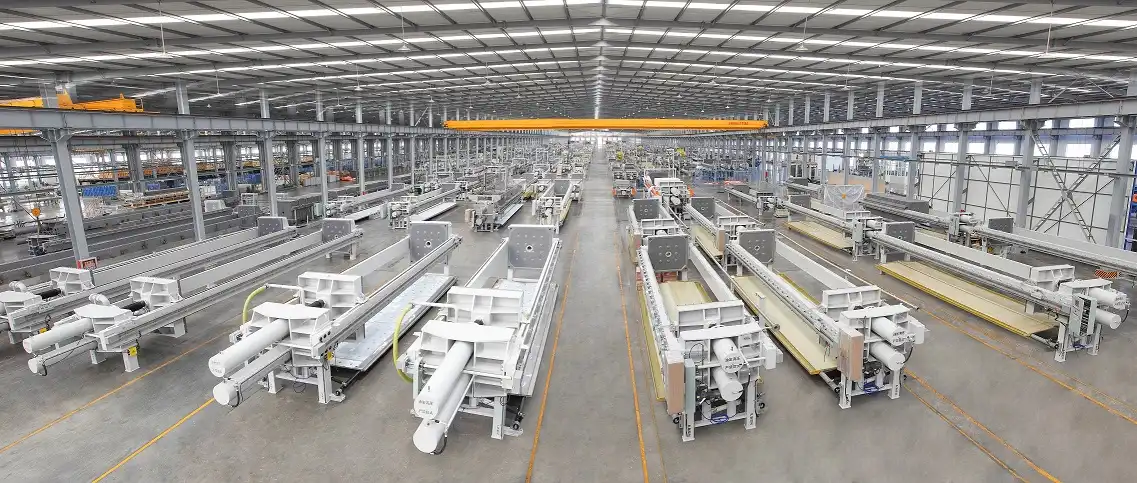
Understanding Sludge Dewatering and the Role of Filter Presses
Trash treatment becomes more viable with sludge filtering. Raw muck is primarily water, making it difficult to move and dispose of, and harmful to the environment if not treated appropriately. Dewatering's major purpose is to minimize the volume, which lowers shipping costs, disposal fees, and compliance with dry and liquid discharge restrictions.
What Makes Sludge So Difficult to Handle?
The cause of sludge greatly affects its uniformity. Municipal biological sludge contains seasonal organic materials, whereas mining waste contains abrasive minerals. Handle chemical process sludges carefully since they might be toxic or acidic. This diversity makes it difficult for standard dewatering technologies to respond to feedstock qualities without reducing output or cake dryness.
How Filter Press Technology Outperforms Alternatives
Filter presses dry better than centrifuges or belt presses due to higher pressure differences. Belt filter presses generate 75–85% water cakes using gravity and mechanical pressure, while centrifuges employ spinning. In contrast, filter presses utilize regulated hydraulic power in sealed chambers. Depending on the sludge and treatment, this can lower cake moisture to 20–40%. The mechanical benefit is clear when you consider how much trash must be removed and how much moisture is present.
The Filter Press Process: From Slurry to Solid Cake
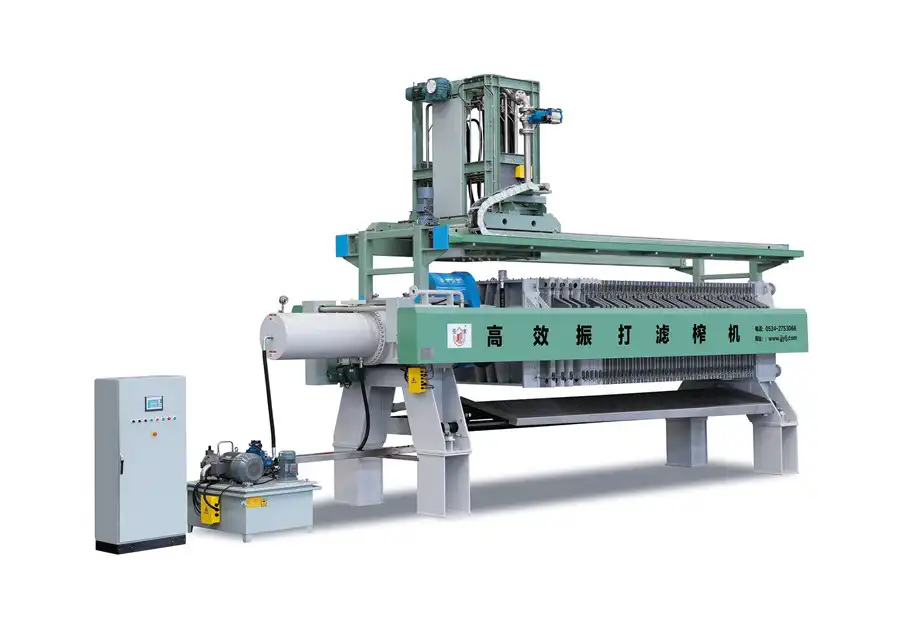
The filter press for sludge dewatering has a dewatering cycle that begins with sludge preparation. To simplify screening, polymers or chemical coagulants aggregate tiny particles. Treated sludge is piped into tanks with grooved filter plates and filter cloths. As pressure rises, filtrate passes through the cloth, and solids form thick cakes on the plate surfaces. When the rooms are full, the hydraulic system opens the press, and mechanical or automated mechanisms push out the cakes. This batch method perfectly controls pressure, dwell duration, and cake formation—all crucial parameters that continuous systems cannot.
Common Sludge Dewatering Challenges and How Filter Press Solutions Address Them
Operators often run into issues that make draining less effective and raise running costs. By understanding these problems, you can see why modern filter press systems have changed to use better materials and automated features that give reliable results in a wide range of situations.
Excessive Moisture in Filter Cakes
The cake will be watery if there isn't enough filtering pressure, the sludge isn't correctly handled, or tiny particles become caught in the filter media pores. When cakes retain water, removal costs rise, and heat drying methods are less effective. To prevent this, modern filter press systems employ flexible plate materials like polyethylene or rubber-coated steel that can withstand greater pressures and chemicals. Precision hydraulic controls maintain proper filter closing force throughout the cycle. This ensures pressure uniformity.
Equipment Clogging and Cloth Blinding
Changes in sludge particle size and organic compounds accelerate filter cloth deterioration. Clogging slows cycles and demands a lot of manual work, which adds labor costs and puts operators at danger of injury during high-pressure operations. High-pressure water jets clean filter media between rounds in modern filter presses' automated cloth-washing systems. This prolongs textile life and permeability. Programmable logic controllers monitor cycle parameters in real time and adjust feed rates and pressure ramps to prevent premature blinding.
High Energy Consumption and Operational Costs
Energy expenses rise when pump systems fail or cycle durations are high, especially in continuous-duty settings. Unbalanced equipment, pump curves, and operations not linked to upstream cooling systems can waste energy. Energy-efficient filter presses employ hydraulic pump variable-frequency drives to reduce power usage when demand is low. Strategic integration with chemical dosing systems maximizes polymer utilization, minimizing chemical costs and energy needed to break through improperly prepared sludge. Filter presses consume 30–40% less energy per tonne of dry solids than centrifuges when correctly constructed, according to studies.
Comparing Filter Presses with Other Sludge Dewatering Methods
To pick the best dewatering technology, you need to compare different systems' technical principles, performance measures, and total cost of ownership. Different types of machines, like filter presses, belt presses, and centrifuges, are used for different things and have different objectives.
Filter Press vs. Belt Filter Press
A belt filter press has a continuous belt system that moves sludge through wedge zones, compression rollers, and gravity drains. This design works great for tasks that need constant feed and average draining. Belt presses can get cake solids of 15–25%, which means they can be used for low-density sludges where room is limited and complete drying is not important. As part of regular maintenance, the belt needs to be replaced, the tension needs to be adjusted, and drainage areas that tend to get clogged need to be cleaned.
When filter presses work in batch mode, they can handle much higher pressures, usually between 6 and 15 bar for sewage sludge and up to 25 bar for industrial uses. This benefit in pressure directly leads to drier cakes, with solids contents hitting 40–60% in well-conditioned sludges. Cycle time needs to be thought about when using a batch method, but automatic systems require less work and give you more control over each drying step. Facilities that want to cut down on waste as much as possible and save money on dumping costs prefer filter presses, even though they cost more to buy.
Filter Press vs. Centrifuge Dewatering
The high-speed spinning of centrifuges creates centrifugal forces that separate solids from liquids. These machines can handle big changes in flow rate and quickly adapt to new sludge properties. This makes them a good choice for sites with changing loads. Centrifuges are in the middle of belt presses and filter presses because they make cakes with 20–30% solids.
As a filter press manufacturer, filter presses dry cakes more completely than centrifuges, but they need more careful process control and longer cycle times. Centrifuges have a lot of mechanical wear because their parts rotate at thousands of RPM. This means that bearings need to be replaced often, and vibrations need to be checked and balanced. Filter presses have fewer parts that wear out quickly, mostly hydraulic seals and filter cloths. This means that they require less upkeep over time. The decision depends on whether the business wants to be able to change the output (centrifuge) or get the most dry material with the fewest parts (filter press).
Manual vs. Automated Filter Press Systems
Manual filter presses need an operator to empty the cake, clean the plates, and maintain the cloth. This adds to the cost of labour and the safety risks that come with using high-pressure equipment. Automated systems have pneumatic or hydraulic release devices, customisable controls, and automatic plate moving. Automation improves process stability by getting rid of human mistakes in cycle timing and pressure application. It also makes the workplace safer by limiting the amount of time workers are exposed to pressurised chambers. Facilities that work multiple shifts or deal with dangerous sludges get a big return on their investment (ROI) from automation. They usually get their extra investment back within 18 to 24 months through reduced downtime and saved labour.
Selecting the Right Filter Press Dewatering Solution for Your Operation
When making a procurement choice, practical factors, supplier skills, and total lifecycle costs need to be carefully looked at. Structured models that match equipment specs with facility-specific needs are helpful for process engineers and buying managers.
Critical Parameters: Sludge Characteristics and Throughput
The makeup of the sludge is the most important factor in choosing the right tools. Characterisation should include the range of particle sizes, the amount of organic and inorganic matter, how easily the material can be compressed, and how well it reacts with chemicals. Mining waste that has a lot of sand needs plate coats that don't wear down easily and heavy-duty hydraulic systems. Biological sludge, on the other hand, needs materials that don't rust so they can handle the breakdown products made by microbes. The size of the room, the number of plates, and the power of the pump are all determined by the throughput goals, which are given in cubic meters per hour or tonnes per day. If you make accurate forecasts, you won't undersize, which can cause problems, or oversize, which raises the costs of capital and operations.
Target Cake Dryness and Budget Constraints
Structures of disposal costs have a big effect on goal dryness requirements. When landfills charge fees per wet tonne, they encourage the greatest drying of trash. On the other hand, facilities that burn trash or compost it on-site may be able to handle higher moisture levels to speed up cycle times. A budget includes more than just the cost of buying the equipment. It also includes how hard it is to install, the cost of building the base and pipes, the cost of wiring for control systems, and the cost of keeping extra parts on hand. Leasing or renting gives you more freedom for short-term projects or yearly demand spikes, but buying the equipment outright saves you money over its 15–25-year life span.
Evaluating Global Suppliers and Service Networks
Leading makers set themselves apart by letting you customise their products, providing help after the sale, and having a track record of success. Jingjin Equipment Inc. was established in 1988 and has factories that make more than 136 unique filter press technologies that are used in 123 countries. This level of size makes it possible to quickly send out replacement parts, provide detailed technical information, and set up field service networks that can help with installs in chemical plants or remote mines. Check the certifications of suppliers, ask for references from clients who have worked on similar projects, and look at the quality of the paperwork. Detailed O&M guides and exploded-view drawings are very helpful during maintenance events.
Competitor offerings from Andritz, Alfa Laval, and local makers all make competing products, but their design philosophy, choice of materials, and customer service all come with trade-offs. When you compare guarantee terms, the prices of spare parts, and the times that emergency help arrives, you can find hidden costs that affect the total cost of ownership.
Enhancing Filter Press Dewatering Performance and Sustainability
Sustainability measures are being added to standard cost and efficiency benchmarks in sludge dewatering operations that are striving for operational success. Resource recovery, energy optimisation, and circular economy concepts that turn waste streams into goods with extra value are important parts of modern practices.
Optimizing Energy Consumption Through Automation
Modern process controls make the most of the energy that is used by matching the pump's operation to the real resistance of the filter. Variable-frequency drives change the speed of a hydraulic pump based on real-time pressure input. This means that energy isn't lost through throttling valves or running at full speed all the time. By streamlining the cake discharge and plate preparation processes, automated systems also cut down on idle time between cycles. This makes it possible for effective utilisation rates to rise from 60–70% in manual systems to 80–90% in fully automated setups.
Chemical Conditioning: Balancing Performance and Environmental Impact
Polymer conditioning agents make particles stick together better, which makes filters much more effective and cuts down on cycle times. The best amount of polymer to use—usually 2 to 8 kg per tonne of dry solids—needs to be changed all the time based on the features of the sludge that comes in. Overdosing raises the cost of chemicals and adds manmade polymers to discharged cakes, which makes it harder to handle them further or use them in agriculture. Not giving enough of a dose leads to bad cake formation, long cycles, and too much cloth blindness. Automated dose systems with direct mixing and feedback loops keep precise control, reducing the amount of chemicals used and increasing the efficiency of filtration.
Sludge as a Resource: Circular Economy Opportunities
Filter press for sludge dewatering produces dewatered sludge cakes that can be used to collect resources, which can help pay for disposal costs and bring in revenue. When properly treated, municipal biosolids can be used as soil amendments that meet standards for land application. They provide nutrients and organic matter to farming activities. Industrial sludges that contain metals that can be recovered, like zinc hydroxide from electroplating, are good candidates for secondary processing to get the valuable materials out of them. High-BTU sludges can be turned into energy products using thermal conversion technologies like pyrolysis and gasification. This completes the waste management cycle.
A municipal wastewater authority in the southeastern United States replaced old belt presses with automatic filter press systems. This cut yearly disposal costs by 35% and energy use by 28%. The improved method made Class A biosolids that could be used on any land. This got rid of the need for dumping fees and brought in a small amount of money from farmers. The capital investment paid for itself in 4.2 years, and over the next 20 years, it is expected to save more than $2.3 million.
Conclusion
Sludge filtration that works well strikes a mix between technical performance, cost-effectiveness, and regulatory compliance in tough industrial settings. High-pressure mechanical separation in filter press technology makes cakes drier than ever before. This directly solves the problems that garbage managers and process engineers face with reducing volume and lowering dumping costs. Automated systems make things more reliable while also requiring less work, and choosing the right tools for the right kind of sludge guarantees the best long-term performance. As facilities strive for both practical success and environmental stewardship, sustainability factors like energy efficiency and resource recovery are becoming more and more important in the purchasing decisions they make.
FAQ
Q1: How does filter press energy consumption compare to centrifuge systems?
Filter presses use about 20–30 kWh per tonne of dry solids they process, which is about the same as or a little less than centrifuges that work at the same rate. Variable-frequency drives in energy-efficient hydraulic systems cut use even more. Maintenance energy costs are higher for centrifuges because they need vibration tracking, cooling systems, and a lot of mechanical work. On the other hand, the energy profiles of filter presses stay the same over their lifetime.
Q2: What routine maintenance does a filter press system require?
Operators should check filter cloths once a week for damage or blinding, and they should be replaced every 6 to 18 months, based on how rough the sludge is and how well the wash cycle works. Every month, you should check the hydraulic fluid level and the stability of the seals. Seals and lines should be replaced once a year. Automated systems need to have their PLCs calibrated and their sensors checked every three months to keep the control accurate and stop drift that hurts performance.
Q3: Can filter presses handle different sludge types without equipment modification?
Instead of changing the way the machines are set up mechanically, filter press systems can handle different types of sludge by changing the treatment chemicals, pressure profiles, and cycle time. Extreme changes, like going from biological sludge to abrasive mine tailings, might require upgrading plate materials or changing cloth specifications, but the basic structure of the machine stays the same. Because they are so flexible, filter presses are good for places that deal with a lot of different types of waste.
Partner with Jingjin: Your Trusted Filter Press for Sludge Dewatering Supplier
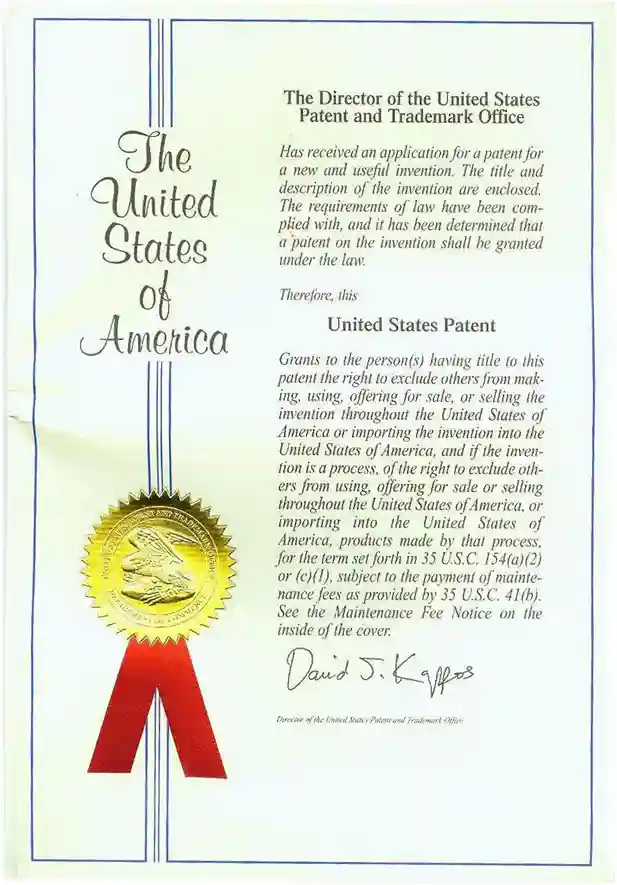
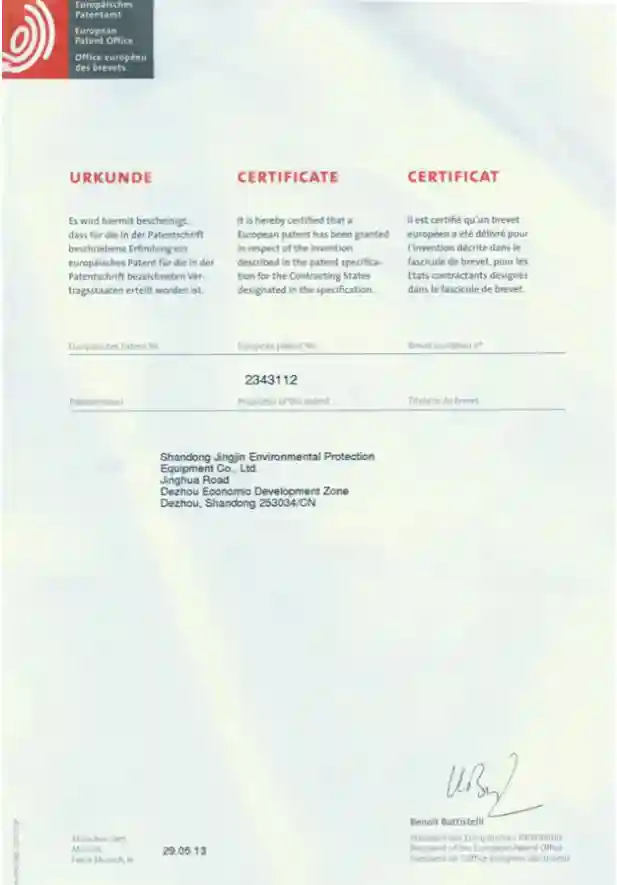
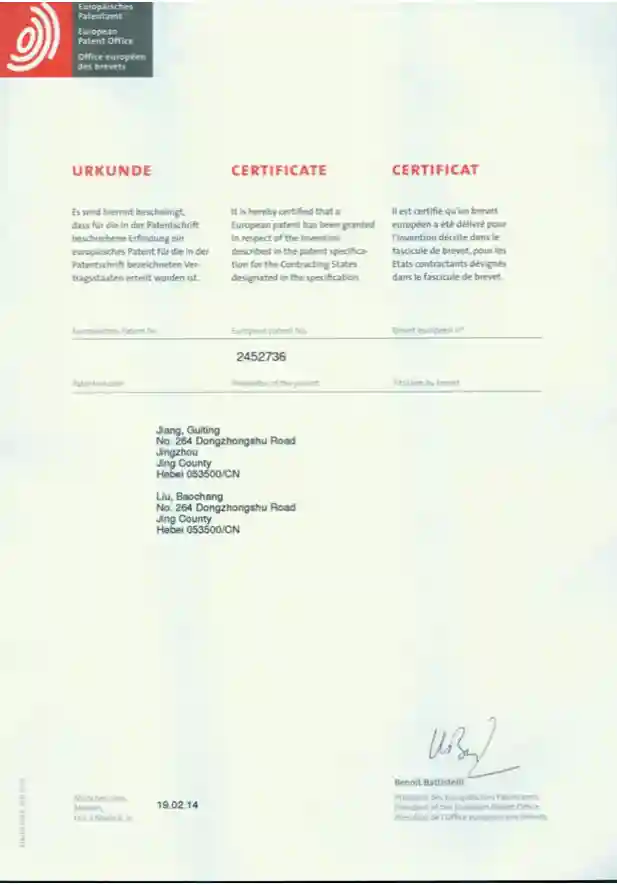
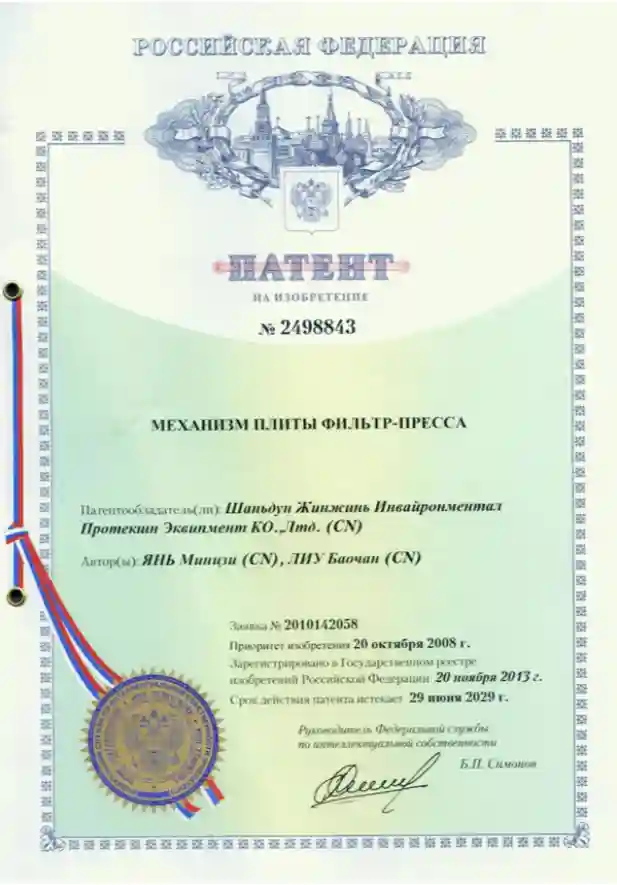
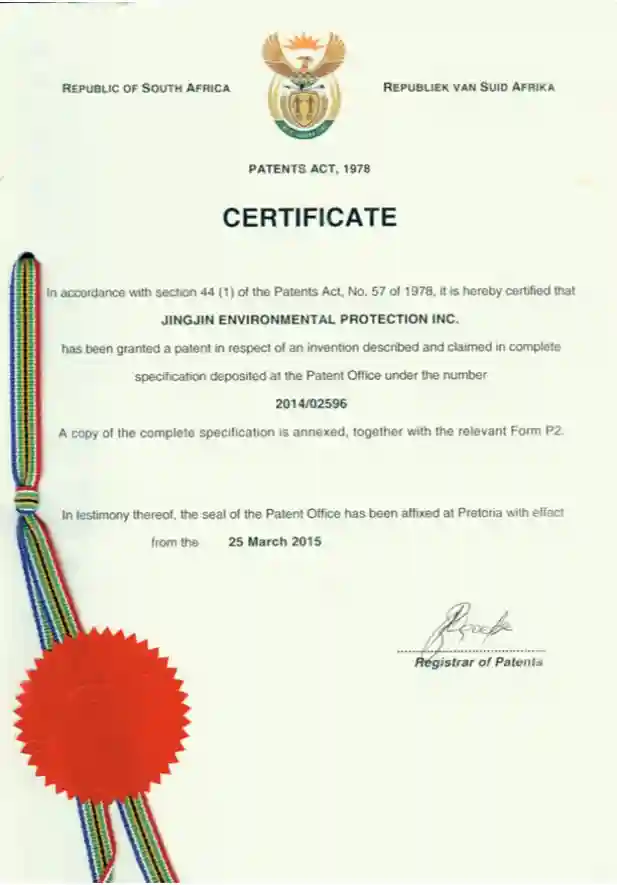
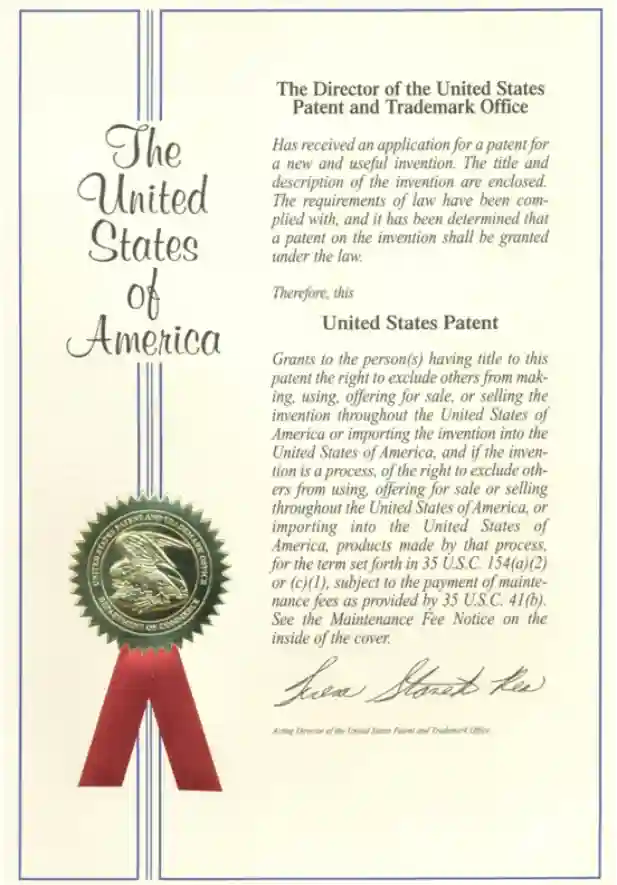
When it comes to demanding industrial settings where dependability can't be compromised, Jingjin Equipment Inc. offers full filtration options, including the filter press for sludge dewatering. Jingjin has been making things for more than 30 years and has 136 patents covering new designs. They work with clients in 123 countries in the mining, chemical processing, garbage management, and environmental engineering fields. Our wide range of products includes custom-built filter press systems, new filter plates and cloths, hydraulic parts, and automation packages that are made to fit the needs of each process. Global service networks offer quick technical support, on-site testing, and user training programs that speed up rollout and make sure that equipment is always up and running. Our applications engineering team can be reached at [email protected] by procurement managers, process engineers, and plant leaders who want to get performance reviews, help with sizing equipment, and site-specific offers. Find out how Jingjin's tried-and-true filter presses for sludge dewatering technology can change the way you handle waste and save you money while also meeting the strictest environmental standards.
References
1. Metcalf & Eddy, Inc. (2014). Wastewater Engineering: Treatment and Resource Recovery (5th ed.). McGraw-Hill Education.
2. Tchobanoglous, G., Stensel, H. D., Tsuchihashi, R., & Burton, F. (2013). Wastewater Engineering: Treatment and Resource Recovery. McGraw-Hill Professional.
3. Cheremisinoff, N. P. (1995). Handbook of Water and Wastewater Treatment Technologies. Butterworth-Heinemann.
4. Wakeman, R. J., & Tarleton, E. S. (2005). Solid/Liquid Separation: Principles of Industrial Filtration. Elsevier Science.
5. Mahmoud, A., Olivier, J., Vaxelaire, J., & Hoadley, A. F. A. (2013). Electrical field: A historical review of its application and contributions in wastewater sludge dewatering. Water Research, 47(6), 2153–2166.
6. American Water Works Association & Water Environment Federation. (2012). Design of Municipal Wastewater Treatment Plants: WEF Manual of Practice No. 8 (5th ed.). McGraw-Hill Education.
jingjin
Founded in 1988, Jingjin specializes in filter presses and liquid-solid separation solutions, serving over 130 countries worldwide, and is a standard-setter in China's filter press industry.
Get the Filter Press guide
Enter Your Email for Technical assistance for the Filter Press.

Recommended Blog
China Screw Dewatering Machines for Asia Infrastructure Projects
How to Choose the Best Feed Pump for Filter Press in Water Treatment
Top Durable Filter Press Plates for Food Processing: Materials and Benefits
China Multi Disk Screw Press Buying Guide for International Buyers
Why Your Sludge Dewatering Process Needs a Filter Press Upgrade?
Top Maintenance Tips to Keep Your Filter Press Machine Running Smoothly
Screw Press Sludge Dewatering Machine for Municipal Wastewater