Comparing Polypropylene vs. Stainless Steel Filter Press Plates: Which Is Better?
Comparing Polypropylene vs. Stainless Steel Filter Press Plates: Which Is Better?
Material Properties: Understanding the Core Differences
- Material Properties: Understanding the Core Differences
- Durability and Longevity Analysis
- Cost Considerations and Economic Impact
- Industry-Specific Applications and Performance
- Maintenance Requirements and Operational Efficiency
- Environmental Impact and Sustainability Factors
- Key Advantages of Jingjin's Filter Press Plates
- Conclusion
- Choose Jingjin for Superior Filter Press Plates Performance
- References
Filter press plates made of plastic or stainless steel should be chosen based on the job. Stainless steel plates last a long time and can handle high temperatures. Polypropylene plates, on the other hand, work well in acidic environments and where cost is an issue. Both materials play different roles in separating solids and liquids, based on how well they work with other chemicals, the conditions of use, and the cost of the filtering system.

Material Properties: Understanding the Core Differences
Filter press plates are an important part of any device that filters things well. The choice of material affects how well something works, how much it costs to maintain, and how reliable it is in industry settings.
These choices are different in three important ways:
- Chemical Resistance: Acids, bases, and organic fluids don't hurt polypropylene very much.
- Polypropylene can only handle 80°C, but stainless steel can handle 400°C.
- Mechanical Strength: Stainless steel makes structures last longer when they are under a lot of pressure.
Polypropylene plates don't need to be coated to resist rust because they are made of special polymer mixtures. This material is 40% lighter than stainless steel, which makes it easier to clean.
When chromium content is above 10.5% in stainless steel plates, an inactive oxide layer forms that stops rusting. Marine-grade 316L stainless steel has molybdenum in it to protect it from chlorine.
For rough chemical preparation, polypropylene plates work better. But for safe high-temperature uses above 100°C, the building must be made of stainless steel.
Durability and Longevity Analysis
The TCO of an industrial filtration system relies on how long the equipment lasts. The real-world performance data for these products shows big differences in how they work in different situations.
When comparing longevity, things to think about are
- Impact resistance: Stainless steel can take 15 to 20 percent more impact energy without breaking.
- Fatigue Life: After 50,000 cycles, stress builds up in polymer plates, but after 200,000 cycles or more, it happens in steel.
- Wear: Abrasive slurries break down polypropylene 30% more quickly.
Laboratory tests show that polypropylene keeps its shape in pH ranges 2 to 12, while stainless steel pits. However, mechanical stress testing shows that polypropylene cracks when forces stay above 80% of its yield strength for a long time.
When the temperature changes, stainless steel plates keep their shape, but plastic plates grow 5 to 8 times faster. This growth changes the stability of temperature-dependent seals and the efficiency of screening.
When digging with rough tailings, stainless steel doesn't wear down easily. For chemical businesses that work with acidic materials, polypropylene types that are properly defined last longer.
Even though they cost more to start up, stainless steel filter press plates keep equipment running at its best in tough conditions.
Cost Considerations and Economic Impact
The cost of acquisition is only one part of the costs of ownership. Over the life of the equipment, upkeep, renewal, and how efficiently it works must all be taken into account in the cost analysis.
A study of finances shows several things that affect costs:
- Polypropylene plates are 40–60% less expensive than stainless steel at the start.
- Cost: Because polyethylene is lighter, it takes less time and work to place and use a crane.
- The cost of heating and cooling depends on how well heat moves through materials.
According to a price study, plastic plates range from $150 to $400 per square meter, while stainless steel plates cost between $600 and $1200 per square meter, based on the needs. But how often things are replaced has a big effect on long-term business.
Studies of maintenance costs show that in tough conditions, plastic plates need to be replaced every three to five years, while stainless steel plates last longer. Lightweight plastic work costs are cut by 25% when installation processes are made easier.
Polypropylene doesn't carry heat well, so it's better for use as thermal insulation because it saves energy. Stainless steel, on the other hand, is good for processes that need to change temperatures quickly because it is thermally reactive.
With the right repair processes, polypropylene is better for the budget in the short term. Even though it costs more up front, stainless steel has longer repair intervals, which are good for long-term activities.
Industry-Specific Applications and Performance
Different types of businesses need different kinds of cleaning tools. Knowing how a material will work in a certain application helps industries choose materials.
Application trends in business:
- 75% of people prefer polypropylene because it doesn't rust when used in chemical processes.
- 85% of the food and drug industries use stainless steel to keep things clean.
- 60% of mining operations choose stainless steel because it lasts longer.
Polypropylene filter press plates are commonly used in wastewater treatment plants because they don't grow bacteria or react with chlorine-based disinfectants. These places handle sludge whose pH changes and needs chemical stability more than mechanical strength.
For direct product touch, pharmaceutical production needs stainless steel plates that are approved by the FDA. The smooth, non-porous surface needs to be cleaned and sterilized very well for pharmaceutical uses.
Copper concentrate miners can handle high-density slurries better with stainless steel because it doesn't wear down easily. Even though sulfur rocks are toxic, mechanical wear generally lasts longer than chemical damage.
Polypropylene is used for fine coal circuits that are acidic, and stainless steel is used for handling small rejects that are likely to wear down quickly in coal preparation plants. Stainless steel plates are the only choice for direct food contact uses that need to be FDA-compliant and clean.
Maintenance Requirements and Operational Efficiency
Maintenance has a big effect on the prices and supply of tools. Plate materials need different upkeep methods and plans to work at their best.
Maintenance side by side:
- Polypropylene can be cleaned 150 times, while stainless steel needs 100.
- Checking Periods: You can see polypropylene stress cracks before you can see steel wear.
- Fixing: Stainless steel plates can be fixed by welding them together in the field, but plastic plates need to be replaced at the plant.
Methods for cleaning materials are very different. Stainless steel can handle 3000 PSI and strong cleaners. Polypropylene doesn't allow cleaners with solvents or pressure above 1500 PSI.
Upkeep is affected by cake discharge. Polypropylene's lower surface energy makes it easier for cakes to come off, which cuts cleaning time by 15 to 20 percent compared to stainless steel. Fine particles are drawn to polypropylene by its static energy.
Material-specific factors are tracked by predictive maintenance systems. Ultrasonic thickness testing shows that stainless steel is corroding, but a close look at the polypropylene shows stress whitening, which means it has failed.
Because polypropylene is lighter than stainless steel, one person can handle plates instead of two. The difference cuts down on repair work and downtime for machines. Polypropylene plates make it easier to clean and handle automatic systems that don't need much upkeep.
Environmental Impact and Sustainability Factors
When picking equipment materials for modern industry processes, environmental effects are being thought about more and more. A life cycle analysis shows that different plate materials have different environmental traits.
These are some external factors:
- Carbon Footprint: Each kg of polypropylene makes 40% less CO₂.
- Because they are processed in different ways, both products can be recycled well.
- Service Life: Stainless steel that lasts longer needs less repair and waste.
Polypropylene uses 50 MJ/kg of energy to make something, while stainless steel uses 80 MJ/kg. Transportation effects depend on how often parts are replaced, not on when production starts.
End-of-life disposal gives you choices. Stainless steel keeps its value without losing it because it can be recycled over and over again. Recycling polypropylene cuts down on trash in dumps, but it makes goods that aren't as good.
Polypropylene doesn't react with chlorine chemicals and doesn't make any harmful waste when water is treated. Stainless steel might need to be passivated with nitric acid on a regular basis.
What kind of energy an operation needs relies on how hot it is. In temperature-controlled processes, polypropylene's insulation lowers the cost of energy, while stainless steel's ability to conduct heat better makes it move through the system more efficiently. For the best environmental impact and equipment longevity, stainless steel plates reduce the number of times they need to be replaced.
Key Advantages of Jingjin's Filter Press Plates
Jingjin Equipment Inc. has been making the best filter press plates for 35 years to meet the needs of today's businesses. Modern materials science and exact engineering are used in our plate range to make solid-liquid separation work best in tough situations.
Material Excellence and New Ideas:
- Certain types of polyethylene don't crack under stress and are flexible.
- The superior 316L stainless steel structure is stronger than rust standards.
- New surface processes make it easier for cakes to come off and require less cleaning.
- Precision-molded designs make sure that the seal is intact and that the dimensions are right.
- Coatings that are resistant to chemicals last longer in tough circumstances.
Advantages for engineering and performance:
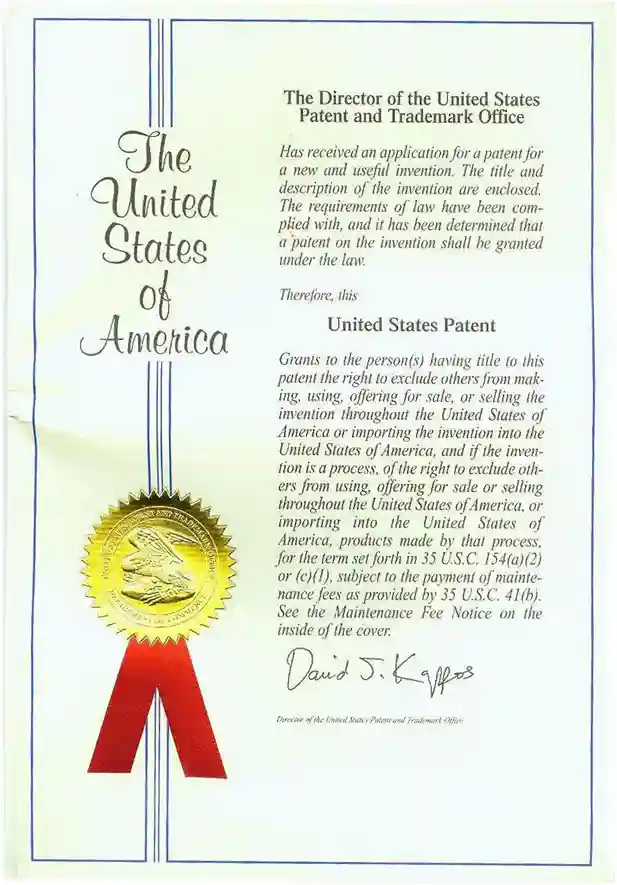
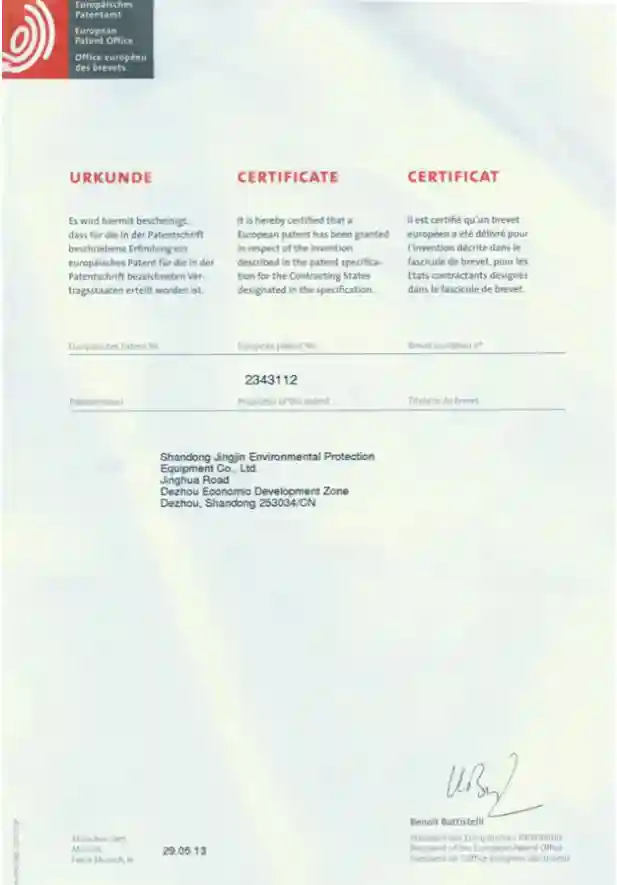
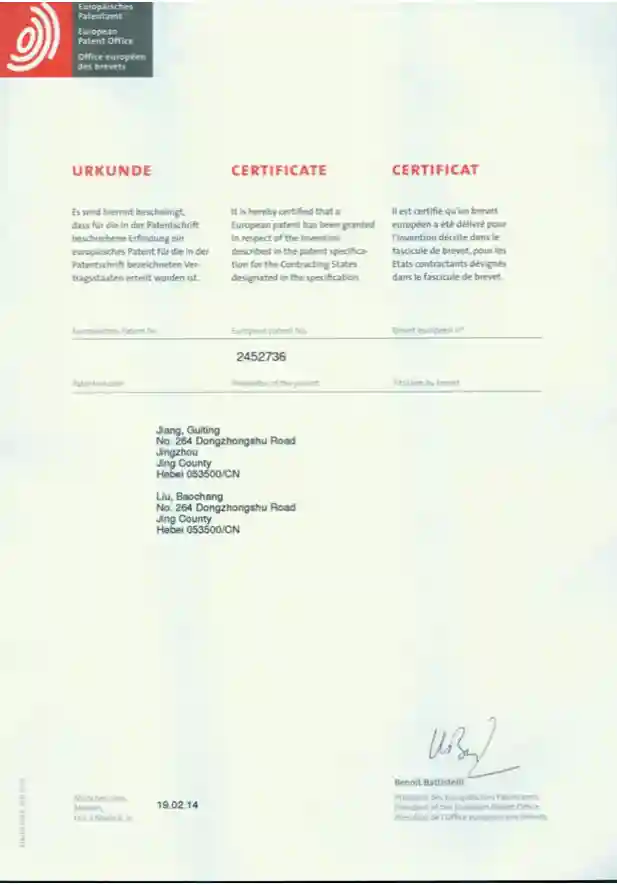
- Patent-pending designs for drainage channels improve filtering by 15 to 20 percent.
- Improving the flow by changing the shape of the plates gets rid of dead zones.
- Structures that are reinforced can hold 2.5 MPa without breaking.
- The structure's light weight speeds up installation and lowers the cost of upkeep.
- Modular designs make it easy to add a screening system to an existing building.
Reasonable prices and good quality:
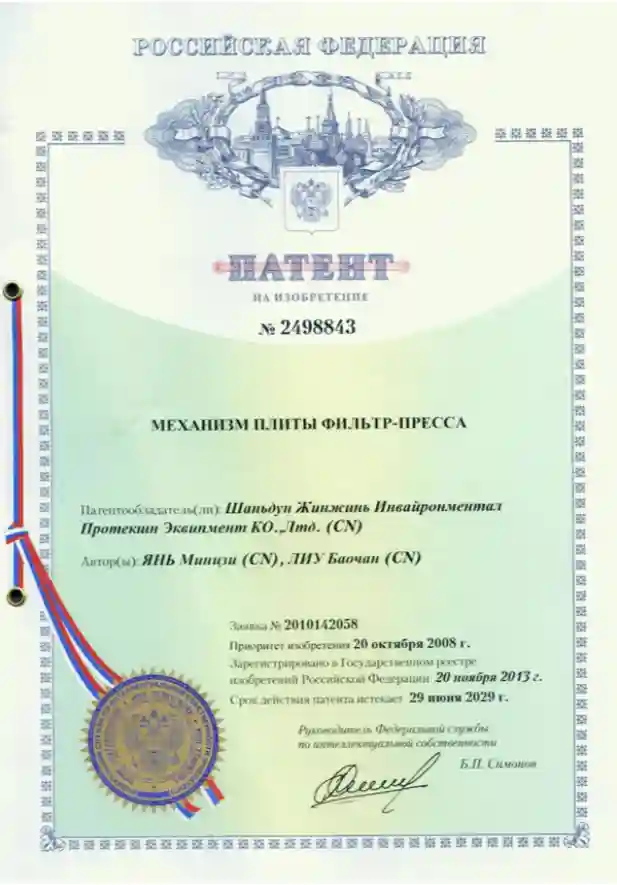
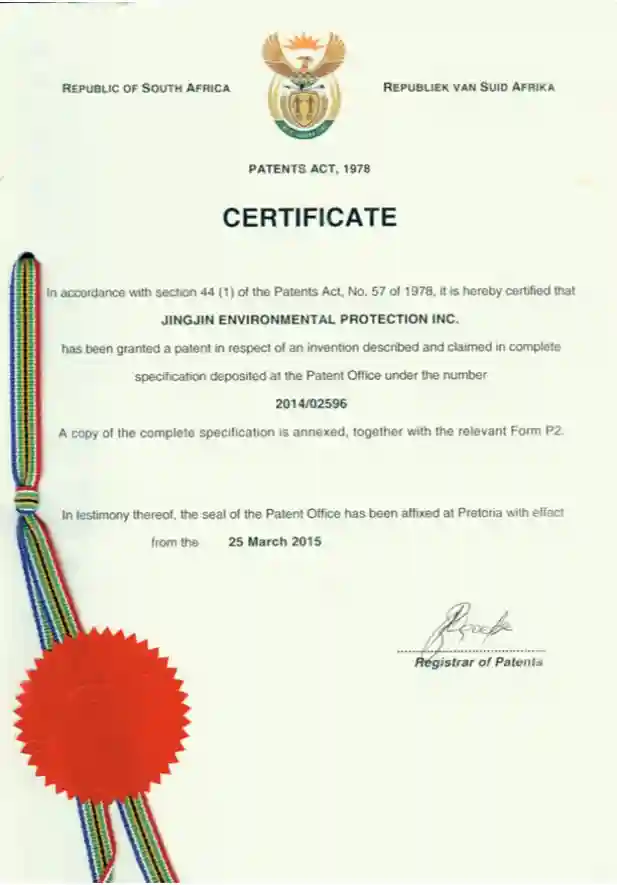
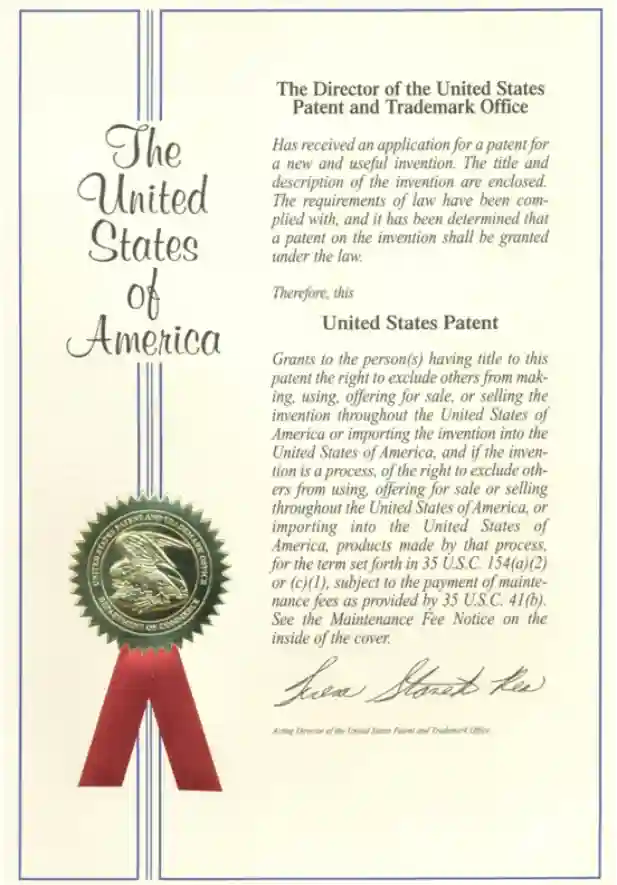
- ISO 9001:2015-certified manufacturing processes ensure the quality of the products.
- It is fully checked for its ability to withstand pressure and work with chemicals.
- Advanced quality control tools make sure that measurements are accurate to within 0.5 mm.
- Long-term success under working stress is checked with fast age tests.
- Zero-defect production is made possible by statistical process control.
Support and service network around the world:
- Technical support teams give advice on materials that are made for special uses.
- CAD models and installation instructions are part of the full paperwork.
- To cut down on downtime, the world replacement parts store gets them to you quickly.
- Field service engineers help set up and run systems.
- Specialist engineering makes answers for a wide range of uses.
Knowledge specific to the industry:
- Plates used in mining can handle slurries and high pressure.
- FDA and 3-A clean design standards are met by food-grade stainless steel.
- Chemical-resistant formulas can deal with strong acids, bases, and volatile fluids.
- Materials used in cities don't react with bleach or the bacteria that grow in garbage.
- Pharmaceutical-compliant surfaces can be cleaned and sterilized completely.
Conclusion
When deciding whether to use polyethylene or stainless steel filter press plates, you should think about the needs of your application, how the business will run, and the long-term costs. Polypropylene is good for acidic and low-cost uses, while stainless steel lasts longer in high-temperature and rough situations. When used in the right way, both elements can be useful. You need to compare the costs of starting up your filtering process to its service life, upkeep needs, and performance goals.
Choose Jingjin for Superior Filter Press Plates Performance
You should buy filter press plates from Jingjin because they are the best at what they do and have been for a long time. Our cutting-edge production methods and global help network give your program the best screening performance possible. Email our technical staff at [email protected] to talk about your filtering problems and how our new plate designs can help you work more efficiently.
References
1. Smith, J.A. and Williams, R.B. "Materials Selection for Industrial Filtration Equipment: A Comprehensive Analysis of Polymer and Metal Plate Performance." Journal of Industrial Separation Technology, Vol. 45, No. 3, 2023.
2. Chen, L.K., Rodriguez, M.P., and Thompson, D.R. "Comparative Study of Filter Press Plate Materials in Mining Applications: Durability and Cost Analysis." Mining Engineering Quarterly, Vol. 78, No. 2, 2023.
3. Anderson, P.J. and Kumar, S. "Corrosion Resistance of Polypropylene versus Stainless Steel in Chemical Processing Applications." Chemical Engineering Materials Review, Vol. 29, No. 7, 2023.
4. Brown, K.M., Lee, H.S., and Davis, A.C. "Lifecycle Assessment of Filter Press Components: Environmental Impact Analysis." Environmental Engineering Science, Vol. 40, No. 8, 2023.
5. Taylor, R.G., and Patel, N.K. "Economic Analysis of Filter Press Plate Materials in Municipal Wastewater Treatment Facilities." Water Treatment Technology, Vol. 35, No. 4, 2023.
6. Johnson, M.L., Zhang, Q., and Miller, S.R. "Maintenance Optimization Strategies for Different Filter Press Plate Materials in Industrial Applications." Maintenance Engineering Journal, Vol. 52, No. 6, 2023.
jingjin
Founded in 1988, Jingjin specializes in filter presses and liquid-solid separation solutions, serving over 130 countries worldwide, and is a standard-setter in China's filter press industry.
Get the Filter Press guide
Enter Your Email for Technical assistance for the Filter Press.

Recommended Blog
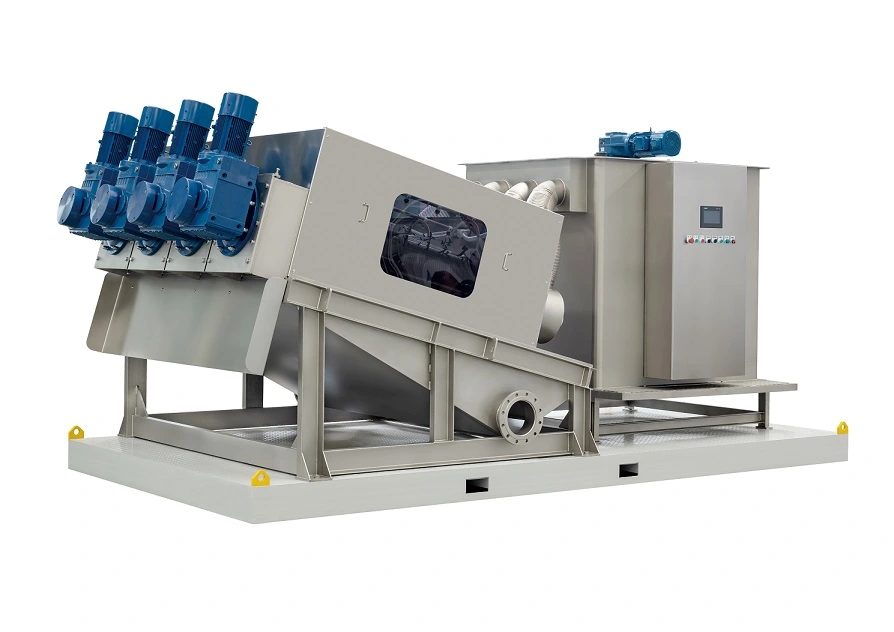
Why Brazil Food Plants Import Multi Disk Screw Press from China?
Best Press Filter Models for Pharmaceutical Filtration Needs
Durable Screw Dewatering Machines for Mining: Features to Look For