How to Choose the Best Feed Pump for Filter Press in Water Treatment
Understanding Filter Press Feed Pumps: Working Principles and Design Features
- Understanding Filter Press Feed Pumps: Working Principles and Design Features
- Critical Factors to Consider When Choosing a Filter Press Feed Pump
- Common Issues and Maintenance Tips for Filter Press Feed Pumps
- Making Informed Procurement Decisions: Sources, Pricing, and Services
- Customized solutions and making sure your filter press feed pump system will work in the future
- Conclusion
- FAQ
- Contact Jingjin for Expert Filter Press Feed Pump Solutions
- References
Picking the correct filter press feed pump is very important for getting the best solid-liquid separation in water treatment processes. These special pumps move slurry at precise pressures between 8 and 30 bar. This keeps flow rates steady, which has a direct effect on how well the filters work and how long the cycles take. In the selection process, the characteristics of the slurry, the operational needs, and the compatibility of the materials are all looked at to avoid expensive downtime and get the best dewatering results. This complete guide talks about how important it is to choose the right feed pump for filter presses used in water treatment processes. Feed pumps keep the flow and pressure of the slurry steady, which has a direct effect on how well and reliably the filter press works. This piece is written for people who work in B2B procurement. It talks about how pumps work, important design factors, maintenance tips, procurement factors, and solutions that are ready for the future. The goal is to give procurement managers and engineers the information they need to improve operational results, cut down on downtime, and make water treatment more cost-effective and long-lasting.
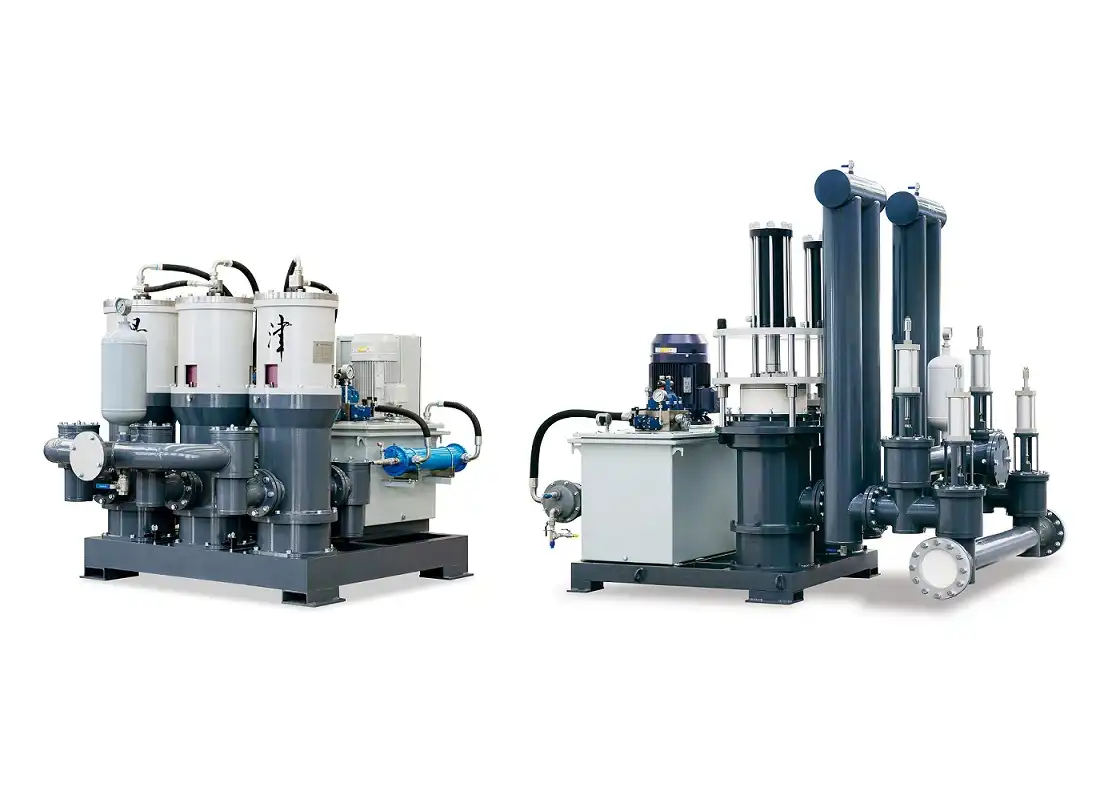
Understanding Filter Press Feed Pumps: Working Principles and Design Features
Filter press feed pumps send slurry to the filter press at a steady flow and pressure, which is important for separating solids from liquids. There are three main jobs that these pumps do that make them essential for water cleaning. They move slurry from storage tanks into filter press chambers, build up the pressure needed to push liquid through filter cloths while a solid cake forms, and adjust the speed of filtration and the level of dryness of the cake to get the best cycle times.
Core Pump Technologies and Their Applications
There are a number of tried-and-true methods on the market for industrial pumps, and each has its own benefits for certain uses. When procurement teams know about these differences, they can make better choices based on their operational needs.
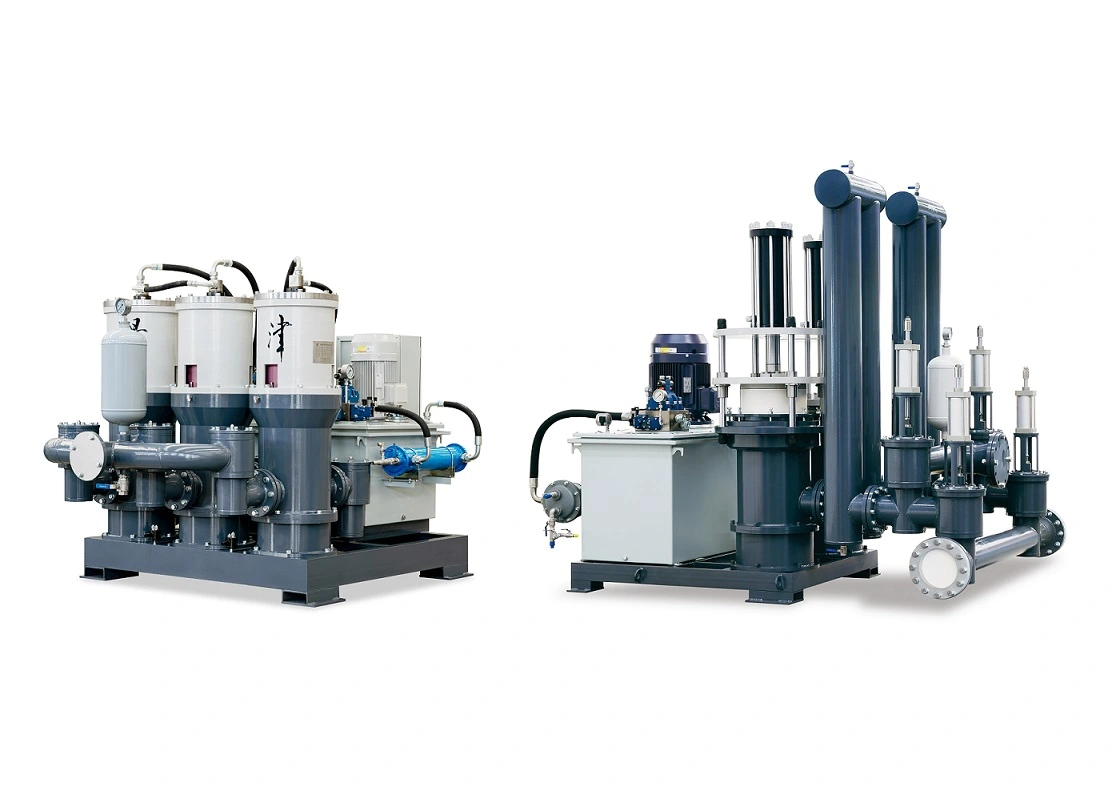
Because they can precisely control pressure, piston diaphragm pumps are the most common choice in modern setups. Variable frequency drives (VFDs) make these units work efficiently and with little wear. They can handle gritty slurries and keep up their performance. Because they are built to last, they are perfect for challenging situations where dependability is key.
Progressive cavity pumps (PCPs) use a rotating rotor and stator device to keep flow rates steady. This makes them good for uses that need smooth, pulse-free delivery. However, they may not work as well when dealing with very rough slurries, so it's important to choose the right material for wet parts.
Centrifugal pumps are great for quickly filling up containers at the beginning of the filter cycle, but they might not be able to handle the high pressure needed for effective dewatering later on. Air-operated double diaphragm (AODD) pumps are easy to use and don't cost as much at first, but they need systems that compress air, which uses more energy overall.
Material Considerations and Construction Standards
The hard-working conditions of water treatment plants mean that the materials used to build the filter press feed pump need to be chosen with care. Wet components must be able to handle both corrosive chemicals and rough particles that are common in slurry uses. Stainless steel, high-chrome alloys, and special elastomers all have longer service lives while still meeting the performance standards needed for continued use.
Critical Factors to Consider When Choosing a Filter Press Feed Pump
To choose the best feed pump, you need to know exactly how much flow and pressure you need, taking into account the properties of the slurry and the specs of the filter press. This part tells procurement workers how to correctly calculate these metrics to keep the system from breaking down and lower operational risks.
Slurry Characteristics Analysis
Knowing the qualities of your slurry is the first step in choosing the right pump. The amount of solids in a fluid affects how quickly pumps wear out and how much pressure they need. Higher amounts of solids require stronger equipment. The amount of abrasiveness affects the choice of material and how often it should be maintained, while viscosity affects how fluids flow and how much energy they use. Corrosiveness affects the materials used for wet parts and the covering needs.
Together, these traits set operational factors that have a direct effect on how well the pump works and how long it lasts. Proper classification keeps equipment from breaking down too soon and makes sure it works the same way throughout its lifecycle.
Operational Requirements Assessment
Calculating flow rates for the filter press feed pump needs to take into account the size of the filter press, the cycle times that are wanted, and the times of high demand. Depending on the goal, cake thickness, and the properties of the slurry, the pressure needs to be between 8 and 30 bar. When thinking about duty cycle, you should think about whether the work will be continuous or intermittent and how that will affect the size and choice of equipment.
As technology lives longer and costs more to run, energy efficiency becomes more important. Modern pumps use less power while still meeting performance standards because they have variable speed drives and hydraulic systems that work better.
System Integration and Compatibility
For a pump installation to go smoothly, the current infrastructure and process controls need to be carefully thought through. Electrical compatibility, space limitations, and ease of maintenance access all affect the choice of tools and the cost of installation. Integration of control systems makes sure that they work well with current SCADA systems and automated process controls.
Common Issues and Maintenance Tips for Filter Press Feed Pumps
Problems like leaks, clogging, and worn-out parts can make it hard for feed pumps to work reliably, which can cost a lot in downtime. This part lists common problems and their signs, giving procurement and support teams useful information for fixing issues.
Identifying and Preventing Common Problems
When a pump fails, it usually shows up as less efficient operation, strange noises, or leaks that can be seen. Knowing these warning signs lets you do preventative maintenance that keeps things from breaking down badly and makes tools last longer.
Here are the most common problems that come up when filter press feed pump systems are being used:
- Failure of seals and gaskets—often due to abrasive particles or chemical attack—which can cause leaks and poisoning risks on the outside. Pump housings and drive components don't get additional damage when they are inspected and replaced regularly.
- Impeller or rotor wear: This happens when rough material is handled and shows up as lower flow rates and pressures. Keeping an eye on performance curves helps you see how wear is progressing before the whole thing breaks.
- Clogging and blockages: Large pieces or fibrous materials can get stuck inside the pump, limiting flow and possibly damaging it. These problems happen less often when the entrance is properly screened and cleaned regularly.
- Problems with the drive system: Motor breakdowns, misaligned couplings, and electrical problems can make the whole system less reliable. These parts are taken care of by preventive maintenance plans before they affect how well the pump works.
These problems need organized ways to be stopped and fixed, which shows how important it is to have complete upkeep plans.
Preventive Maintenance Strategies
Setting up regular maintenance plans for equipment increases its life and lowers the chance of unexpected breakdowns. Visual inspections find early warning signs, and performance tracking keeps an eye on trends that show decreasing efficiency. Managing the stockpile of spare parts makes sure that important parts are always available when they are needed.
Lubrication programs keep bearings and seals working well, and regular alignment checks keep wear from happening too soon. In documentation systems, the history of maintenance is kept, and problems that keep happening may be a sign of problems with the design or the program.
Troubleshooting Guidelines and Technical Support
When issues arise with the filter press feed pump, methodical fixing cuts down on the time needed for diagnosis and keeps parts from having to be replaced when they aren't needed. Measurements of performance, analysis of vibrations, and visual checks can all help with diagnosis.
When problems are too big for the company to handle on its own or require specialized knowledge, it needs to call in the manufacturer's technical help. Good documentation and communication make remote help work better and cut down on the time it takes to solve problems.
Making Informed Procurement Decisions: Sources, Pricing, and Services
During the procurement phase, sellers are judged on the quality of their products, how reliable they are, and how well they follow industry standards. This part talks about how to evaluate makers and original equipment manufacturers (OEMs) to make sure you get high-performance pumps.
Supplier Evaluation Criteria
Quality certifications show that the production process is consistent and meets international standards. Systematic quality management is shown by ISO 9001 certification, while application-specific standards cover the needs of specific industries. Reference installations show that a product has worked well in similar situations before.
An evaluation of a manufacturing capability looks at things like production capacity, quality control systems, and technical help resources. Global service networks make it possible for local help to keep up with manufacturer knowledge and parts availability.
Cost Analysis and Value Engineering
When comparing prices for a filter press feed pump, it's important to look at the total cost of ownership as well as the initial buy price. Among the costs of doing business are the amount of energy used, the need for repairs, and the supply of spare parts. Warranty terms and service assistance are valuable in addition to providing basic equipment.
Customization options can be used to meet the needs of a particular application, but they may change delivery times and costs. Standard goods have shorter lead times and have been shown to be reliable, while customized solutions are better for specific uses.
Service and Support Considerations
Installation help makes sure that the commissioning and start-up work go smoothly. Training programs help people in-house do their own repair, which means they don't have to rely on outside service providers as much. Technical documentation makes it easier to fix problems and plan for upkeep.
Long-term operational costs and downtime risks are affected by the supply of spare parts. Local inventory programs cut down on shipping times, and global distribution networks make sure that parts are always available for the life of an item.
Customized solutions and making sure your filter press feed pump system will work in the future
Customizing the pump is very important for heavy-duty industries like mining and other tough slurry uses. This part talks about how changing the pump's specs can help with certain problems in the workplace, like slurry roughness and thickness.
Application-Specific Modifications
When compared to treating wastewater in cities, mining uses need stronger resistance to wear and higher pressure capabilities. Specialized materials and containment devices are needed for chemical processing. Understanding these changes helps with making specifications and choosing equipment.
Upgrades to the materials, pressure ratings, and integration of the control system are all examples of customization choices. These changes improve speed and solve some operational problems that come up in demanding applications.
Emerging Technologies and Efficiency Improvements
Variable frequency drives, new materials, and smart control systems are used in modern filter press feed pump designs to make them more reliable and efficient. Condition monitoring tools help make maintenance schedules more effective by letting you know early on when problems are starting to happen.
Digital integration makes it possible to watch from afar and plan maintenance ahead of time. These technologies cut down on running costs while making systems more reliable and available.
Scalability and Future Expansion
Modular designs let you add more capacity or change the way something works without having to update the whole system. Standardized interfaces let you upgrade your tools while keeping the infrastructure investments you've already made.
Planning for future needs keeps things from becoming obsolete too soon and lowers long-term capital costs. Flexible designs can be changed to meet new operating needs while still meeting performance standards over a longer service life.
Conclusion
To choose the best filter press feed pump, you need to carefully look at the features of the slurry, the operational needs, and the long-term performance goals. Knowing about different types of pumps, how often they need to be serviced, and what suppliers can do lets you make smart buying choices that lower your total cost of ownership. Choosing the right ones and keeping them in good shape are important for making sure they work well and keeping downtime and costs as low as possible. Working with experienced makers like Jingjin gives you access to tried-and-true technologies and a wide range of support services that make the project more likely to succeed.
FAQ
Q1: What pump type works best for highly abrasive mining slurries?
Piston diaphragm pumps with hardened wetted components typically perform best in abrasive applications. Their positive displacement design maintains consistent pressure while specialized materials resist wear from abrasive particles.
Q2: How do I calculate the required pump pressure for my filter press?
Pump pressure requirements depend on desired cake dryness, slurry characteristics, and filter cloth resistance. Typical applications require 8-30 bar pressure, with higher pressures needed for finer particles and drier cakes.
Q3: What maintenance intervals minimize downtime risks?
Daily visual inspections, weekly performance monitoring, and monthly detailed inspections prevent most failures. Seal replacement typically occurs every 6-12 months depending on application severity and operating hours.
Q4: Can existing pumps be retrofitted for improved efficiency?
Variable frequency drives and modern control systems can often upgrade existing installations. Efficiency improvements of 10-20% are common while extending equipment life through reduced wear rates.
Contact Jingjin for Expert Filter Press Feed Pump Solutions
Optimize your water treatment efficiency with Jingjin's proven filter press feed pump manufacturer expertise and comprehensive solution portfolio. Our engineering team provides customized pump selection guidance based on your specific slurry characteristics and operational requirements. With over 35 years of industry experience and global project success, we deliver reliable pumping systems that maximize dewatering performance while minimizing operational costs. Contact [email protected] today for technical consultation and competitive quotations tailored to your project needs.
References
1. Perry, R.H., Green, D.W. "Perry's Chemical Engineers' Handbook: Solid-Liquid Separation Equipment," 8th Edition, McGraw-Hill Professional, 2008.
2. Svarovsky, L. "Solid-Liquid Separation: Principles of Industrial Filtration," 4th Edition, Butterworth-Heinemann, 2000.
3. Wakeman, R.J., Tarleton, E.S. "Solid/Liquid Separation: Equipment Selection and Process Design," Advanced Filtration and Separation Technology Series, 1999.
4. American Water Works Association. "Water Treatment Plant Design Guidelines: Sludge Handling and Dewatering Systems," 5th Edition, 2012.
5. Cheremisinoff, N.P. "Handbook of Water and Wastewater Treatment Technologies," Butterworth-Heinemann Industrial Environmental Series, 2002.
6. Tchobanoglous, G., Burton, F.L., Stensel, H.D. "Wastewater Engineering: Treatment and Reuse," Metcalf & Eddy Series, 4th Edition, McGraw-Hill Education, 2003.
jingjin
Founded in 1988, Jingjin specializes in filter presses and liquid-solid separation solutions, serving over 130 countries worldwide, and is a standard-setter in China's filter press industry.
Get the Filter Press guide
Enter Your Email for Technical assistance for the Filter Press.



Recommended Blog

How to Choose the Best Feed Pump for Filter Press in Water Treatment
China Filter Press Equipment Pricing for Industrial Buyers
Essential Maintenance Tips for Press Filters in Industrial Plants
How Does a Filter Press Work in Wastewater Treatment? A Comprehensive Guide
