The Essential Guide to Filter Press Plates in Industrial Filtration
Understanding Filter Press Plates: Basics and Functional Principles
- Understanding Filter Press Plates: Basics and Functional Principles
- Selecting the Best Filter Press Plates for Your Industrial Needs
- Maintenance, Cleaning, and Maximizing Filter Press Plate Lifespan
- Procurement and Supply Considerations for Industrial Buyers
- Conclusion
- FAQ
- Partner With Proven Filtration Experts at Jingjin
- References
It is very important for process engineers and plant managers to understand filter press plate technology when they are looking for reliable ways to separate solids from liquids. A filter press plate is the main part of any filtration system. It creates the closed spaces where slurry turns into dry cake, and filtrate runs away neatly. These precision-engineered parts decide not only how well your drainage works, but also how much it costs, how well it meets regulations, and how long your equipment lasts. If you're in charge of handling sludge from cities, mine waste, or waste from chemical processing, choosing the right plate design and material can mean the difference between meeting discharge standards and getting fined a lot of money.
Understanding Filter Press Plates: Basics and Functional Principles
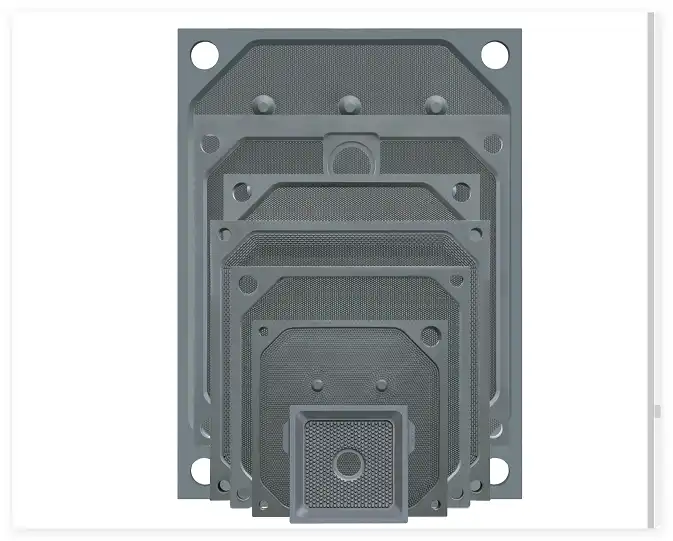
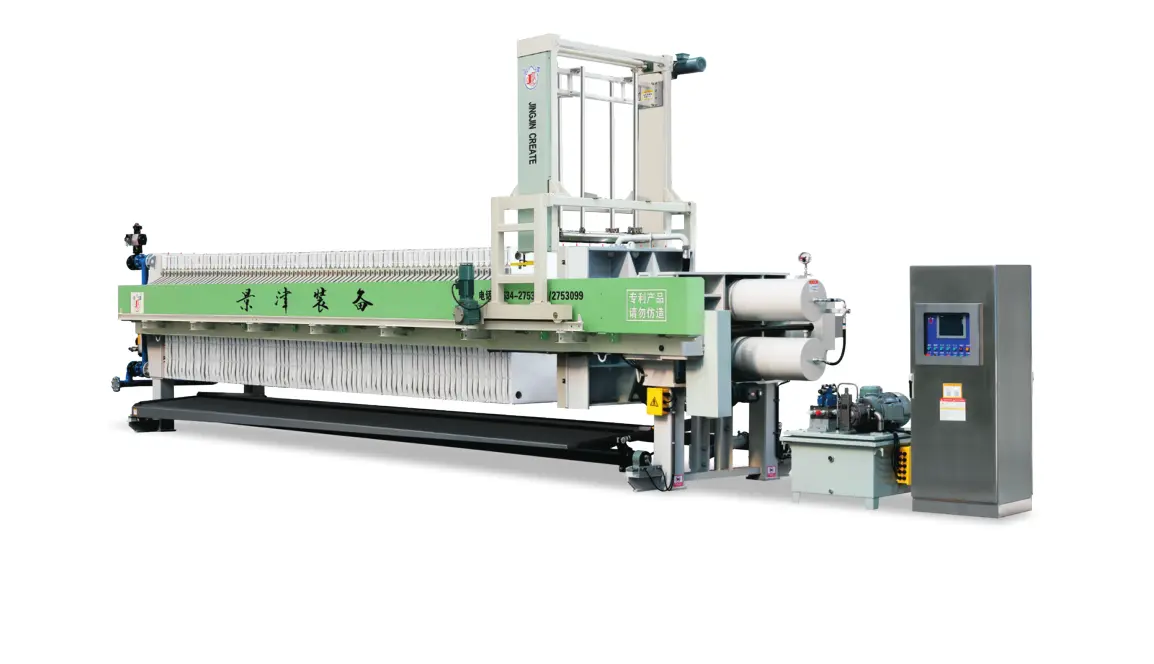
As the structure that holds filter cloth and makes filtering tanks, filter press plates are the building blocks of industrial filtration systems. These parts stack one on top of the other, and hydraulic pressure pushes them together to make sealed spaces where solids and liquids can separate.
Core Design Features and Plate Configurations
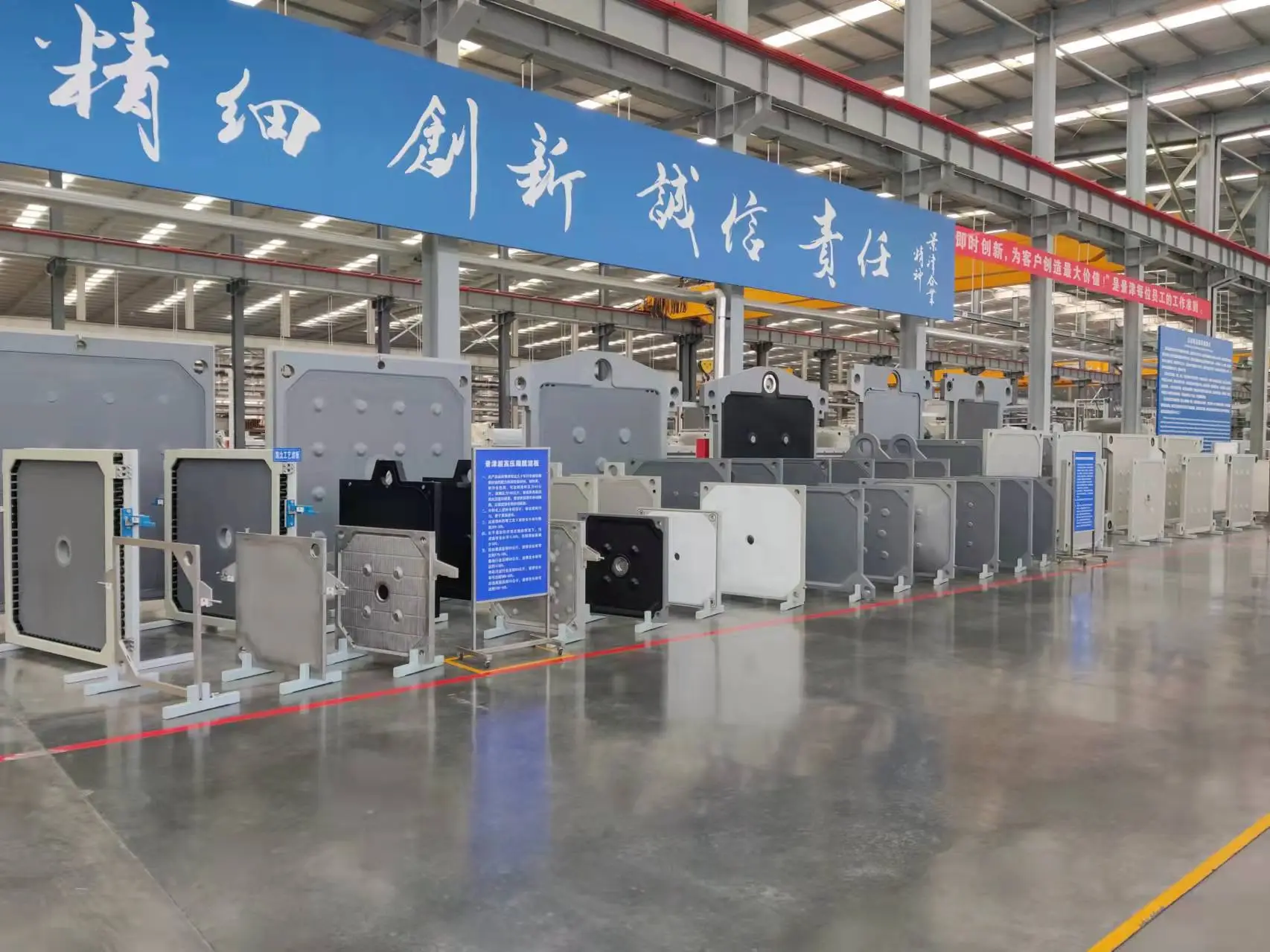
Modern filters employ three plate types. All tackle distinct problems. Recessed chamber plates contain 15–50 mm deep pockets on both sides. A complete chamber is created when two plates connect without two frames. The likelihood of leaks decreases. This shape is ideal for fast and reliable thick cakes.
After the first flow, the membrane plates' flexible diaphragms are inflated with water or compressed air. The second squeeze process reduces end moisture by 5–15% compared to chamber plates. One of the biggest sludge dewatering issues has been solved. The membrane's mechanical force replaces the sluggish final filter step, reducing cycle durations by 20–40%.
Plate-and-frame designs with solid plates and hollow frames are typical. This design isn't utilised much in high-pressure applications, but it makes it simpler to unload sticky cakes and provides you with additional chamber volume possibilities.
Material Selection and Performance Impact
Materials affect how long something lasts, how well it reacts to chemicals, and how much it costs to possess. Industrial application of modified polypropylene (RCPP) is high due to its chemical resistance and ability to work at 90°C and pH levels 2–12. High-molecular-weight polypropylene can withstand repeated compression and release and endure 5–7 years in tough mining conditions.
In high-temperature procedures, stainless steel plates are most durable. They also have strong stability at pressures exceeding 225 psi. Despite its higher cost, chemical industries that work with acidic dyes and resins use 304 or 316-grade stainless steel since it lasts longer and doesn't break down like plastic.
Sometimes, mechanical strength is more essential than weight; hence, cast iron plates are employed. Their corrosion sensitivity prevents them from being employed in acidic or oxidising environments. However, their thermal properties make them suitable for temperature-changing operations.
The Filtration Process Explained
Slurry enters through feed holes in the middle, corner, or top, depending on the material. As pressure rises from 6 to 30 bar, liquid flows through the filter fabric and solids accumulate. Precision-machined sealing areas surrounding each plate prevent escape, ensuring every drop enters the filter medium.
The cloth gets less transparent as the masses pack down, forming cakes from the top. This self-limiting system requires higher feed pressure to maintain flow. Feeding ceases when tanks fill or pressure rises. The squeeze cycle in membrane systems squeezes the cake even further, releasing more liquid and drying it better than pressure filtering.
Selecting the Best Filter Press Plates for Your Industrial Needs
To match filter press plate specs to your separation needs, you have to look at a lot of different process factors and operational goals. Systematic review stops both over-engineering, which loses money, and under-specification, which leads to long-term performance problems.
Evaluating Slurry Characteristics
The proper plate configuration depends on particle sizes. Fine particles under 10 microns provide low-permeability cakes that require longer cycle periods or membrane squeezes. Standard chamber plates perform effectively for mining companies that handle 15–25 micron flotation products. However, membrane technology is usually superior for the pharmaceutical manufacture of active substances under 1 micron.
Slurry dryness and feed pressure depend on the solids percentage. Concentrated feeds (>15% solids) compress fast, but if not scattered uniformly, the chamber may not fill evenly. Slurries with solids below 3% require longer cycle durations, making other methods cheaper unless batch quantities are limited.
Chemical constitution determines material compatibility. Strongly acidic mine drainage with a pH below 3 eliminates non-stainless steel parts in damp places. Even though PVDF plates are more costly, organic liquids may require them for medical filtering. Work with an experienced filtering equipment maker to review the true process chemistry to avoid early failures from picking incompatible materials.
Supplier Evaluation Criteria
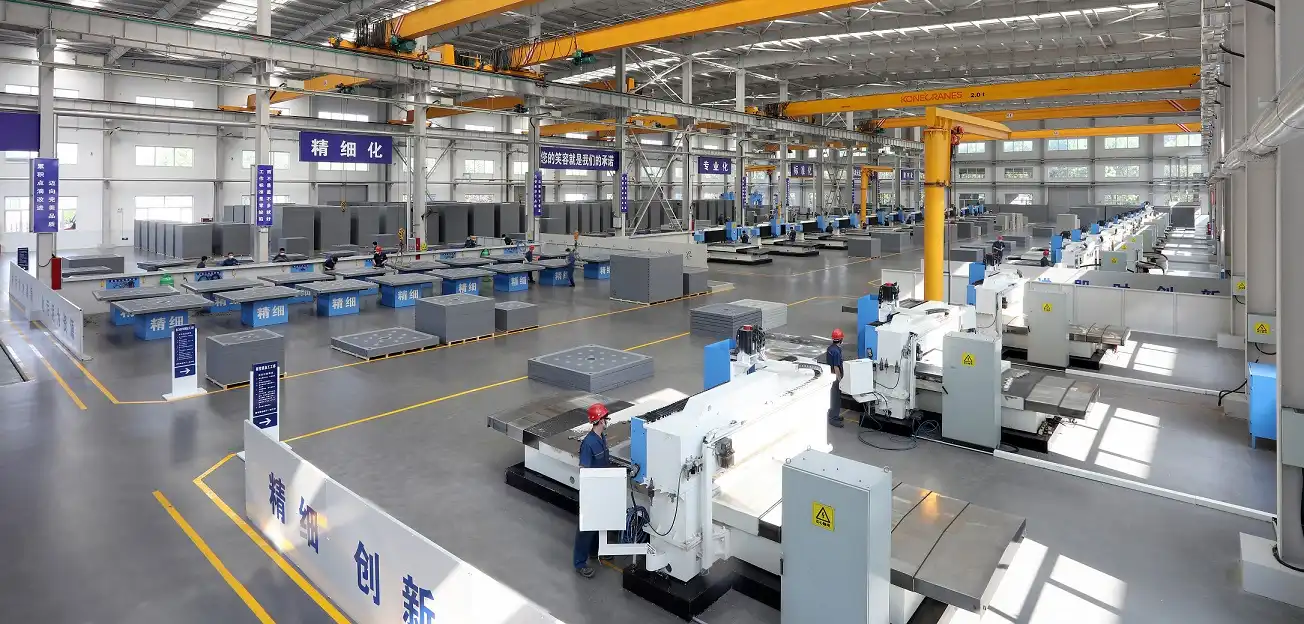
Global vendors' part quality varies; thus, choosing the correct seller is crucial for long-term company success. Check facility reports or third-party licenses to see if a firm can create anything. ISO 9001 accreditation proves you understand fundamental quality management systems, while business credentials demonstrate your expertise.
Customisation distinguishes filtering partners from equipment suppliers. Changing feed port placements, chamber depths, or hybrid plate designs can alleviate application-specific difficulties, but standard stock items can't. EPC contractors managing large, complex projects appreciate suppliers that can provide engineering assistance, accurate technical documents, and the flexibility to adapt designs as project needs evolve.
The warranty conditions demonstrate the company's confidence in product durability. Standard packages cover production issues for 12–18 months. Premium suppliers provide 24-36-month performance guarantees with minimum cake dryness or cycle time constraints. These pledges help procurement managers reduce risks and be accountable.
How soon operational issues are resolved depends on after-sales support. When suppliers have replacement parts in the US, emergency requests can be fulfilled in 24–48 hours instead of 4–6 weeks abroad. Technical support workers who understand the filtration process, not just the product, can help fix issues to save downtime and maximise performance.
Volume Considerations and Bulk Procurement
Volume purchase can save money on large installations and fleet regularisation. Plates cost 15–25% less when purchased in full press sets. Using a single plate design across many sites simplifies repair staff training and part tracking.
OEM original designs are affordable when more than 500 to 1,000 plates are created annually. In niche markets, unique installations that address separation issues or offer private features give organisations an edge. Over several manufacturing runs, specific tool engineering costs pay for themselves.
Maintenance, Cleaning, and Maximizing Filter Press Plate Lifespan
Systematic repair practices have a direct effect on how reliable equipment is and how much it costs to own. Setting up structured inspection habits and the right cleaning procedures can make filter press plates last longer while keeping their best separation performance.
Routine Inspection Protocols
Visual assessment before each shift reveals new issues before they become significant. The 25mm edge, where most leaks start, should be checked for dust on sealing surfaces. Cracks, chips, or warping in this crucial location damage the seal and must be repaired immediately. Targeted resurfacing can remedy early faults. However, neglected damage spreads and requires plate replacement.
Watch for wear around feed ports, especially when using a gritty solution. In silica-filled tailings mineral processing plants, high-speed entry points wear more quickly. Rotating plates inside the pack spreads wear patterns, increasing service life by 20–30%.
Squeeze-type devices require special membrane maintenance. Check the rubber for swelling, hardening, or tears after 500 cycles. Early membrane deterioration detection prevents big failures that contaminate numerous rooms and necessitate extended downtime.
Cleaning Techniques and Best Practices
In smaller firms and slow cycles, manual cleaning is still frequent. High-pressure water cleaning removes most industry waste without damaging plate surfaces at 1,500–2,000 psi. When running a machine, operators should watch the cloth drainage lines and feed distribution holes for material buildup. Building in these spots reduces the effective filter area and unevenly distributes pressure.
High-throughput facilities with numerous rounds per day are worth it with automated cleaning systems. These approaches improve cleaning consistency and reduce pack cleaning time from 30 to 45 minutes by hand to 8 to 12 minutes automatically. For two-shift firms, labour savings pay for themselves in 12–18 months.
Chemical cleansers must break down plate material and leftovers. Alkaline cleansers remove biosolids, whereas acidic cleaners remove mineral scaling. Chemical compatibility should be checked with the manufacturer's recommendations because powerful cleansers might harm plastic and metal.
Troubleshooting Performance Degradation
Gradual cycle time increases typically indicate cloth blindness, not plate wear. Use a precision straight edge to evaluate plate binding flatness if changing the cloth numerous times doesn't enhance performance. Since polypropylene cannot be re-machined, plates with warping over 0.5 mm must be replaced.
More material in the filtrate indicates broken seals or fabric damage. While searching for the broken part, pressure-test each chamber separately. When gasket gaps are destroyed, edge leakage, or "wicking," occurs. Maintaining the press frame and correcting the balance generally cures these issues without replacing the plates.
Procurement and Supply Considerations for Industrial Buyers
When buying filter press plate parts strategically, you have to weigh the needs of the current job against the needs of long-term operations. Knowing how the market works and what suppliers can do helps you make better decisions and handle risks better.
Global Supply Chain Navigation
There are both well-known foreign companies and local experts in the filter press plate market. Global leaders bring uniform quality, a lot of tech resources, and support networks that span continents. These qualities are useful for EPC contractors handling foreign projects and multinational companies that need consistent specs across all of their sites.
When it comes to responsiveness and tailoring for specific uses, regional providers often offer benefits. Shorter communication lines and being close to factories make quick prototyping and design changes possible. When you buy something from within your own country, you don't have to pay import taxes or freight costs, but sellers must carefully check quality standards and production capabilities.
Digital methods of buying have changed the way businesses buy things. For example, many sellers now offer technical specs, CAD models, and basic sizing tools online. Even though these tools speed up the planning phase of a project, direct engineering advice is still recommended for more complicated uses.
Pricing Dynamics and Lead Time Planning
Material costs make up 40–50% of plate prices, which means that changes in the polypropylene market have a direct effect on quotes. Material surcharges are now common for big orders with long delivery times. This protects both buyers and sellers from changes in the prices of commodities.
Pricing is affected by design complexity in a big way that goes beyond the cost of materials. Standard sunken chamber plates in popular sizes (800–1500mm) don't cost much more than other types. Due to the need for custom tools, custom setups with specific port arrangements, mixed membrane-chamber designs, or odd sizes may add 25–40% to the base price.
Tiering for volume discounts is normal in the business, and breaks usually happen at 50, 100, and 500 units. When buying a whole press, buying it as a package is often a better deal than buying individual parts. Buyers should ask for detailed quotes to see how the costs are split between plates, clothes, frames, and hydraulic systems.
Lead times are very different depending on the specifications and the supplier's availability. Standard plastic plates in popular sizes usually get sent out in 4 to 6 weeks. For custom patterns, it takes 10 to 14 weeks to make the tools and meet the production schedule. Due to restricted production capacity and heavy machining needs, stainless steel plates often take 12 to 16 weeks.
Quality Assurance Through Certification
ISO 9001 approval gives you basic trust in the quality management of manufacturing, but it doesn't cover the skill in filtering. Look for providers that have ISO 14001 environmental management certification. This shows that they are committed to using sustainable manufacturing practices, which are becoming more and more important to business purchasing policies.
For filter press plates manufacturers, the CE mark shows that a product meets European safety standards and guarantees that the basic design is correct. Products that are going to be sold in North America should meet the ASME guidelines for pressure-containing parts. In addition to what the seller says, third-party testing documents for chemical protection, pressure ratings, and dimensional tolerances of the material add more proof.
Traceability tools that let you find out about different lots of materials and when they were made help with quality investigations if problems happen in the field. Premium providers keep detailed records that connect installed equipment to specific production batches. This makes it easier to do focused recalls or proactive replacement programs if serious problems are found.
Conclusion
The choice of filter press plates has a big impact on how well, reliably, and cheaply your filtering system works. The differences between sunken chamber and membrane designs, the materials used (from polypropylene to stainless steel), and the setup details (like plate thickness) all have a direct effect on how well dewatering works and how long the equipment lasts. For buying to go well, technical needs must be balanced with budget limits, and the customization, support, and quality assurance skills of the seller must be given the most weight. Then, systematic care will protect your investment. Regular checks and following the right cleaning procedures will greatly increase the service life. Environmental rules are getting stricter, and the cost of disposal is going up. This means that optimizing solid-liquid separation through properly stated components is becoming more and more important for all industry sectors to be successful and follow the rules.
FAQ
Q1: What causes filter press plates to crack during operation?
Filter press plates often break too soon because the pressure isn't distributed evenly. This can happen when the chamber isn't fully filled or when the feed is blocked. Chemical conflict can break down materials, which can also make structures weak. When hydraulic systems are used beyond their stated closing pressure, stress cracks happen faster, especially near the mounting points and feed ports.
Q2: Can membrane plates and standard chamber plates be mixed in the same press?
It is certainly possible to mix different types of plates in the same press pack, but it is hard to do in practice. The membrane plates need links for water or air that regular plates don't have, which makes designing the manifold harder. More importantly, the different compression features cause uneven pressure distribution, which can hurt sealing surfaces and make filters less effective overall. All manufacturers strongly advise against mixed setups.
Q3: How do I determine when plates need replacement versus refurbishment?
Use precise straight lines to check how flat the sealed surface is. Deviations greater than 0.5 mm across any span mean that the seal needs to be replaced because warping destroys its integrity permanently. Small damage to the surface that only affects places that aren't sealed might not affect the function. Talk to qualified providers of filter press plates to find out if localized fixes are cheaper than full replacements for your particular setup.
Partner With Proven Filtration Experts at Jingjin
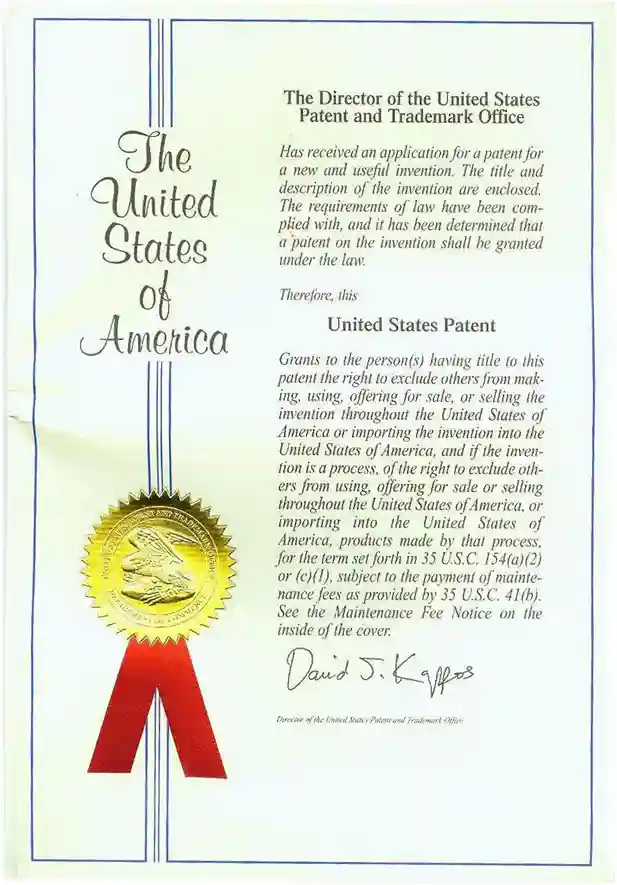
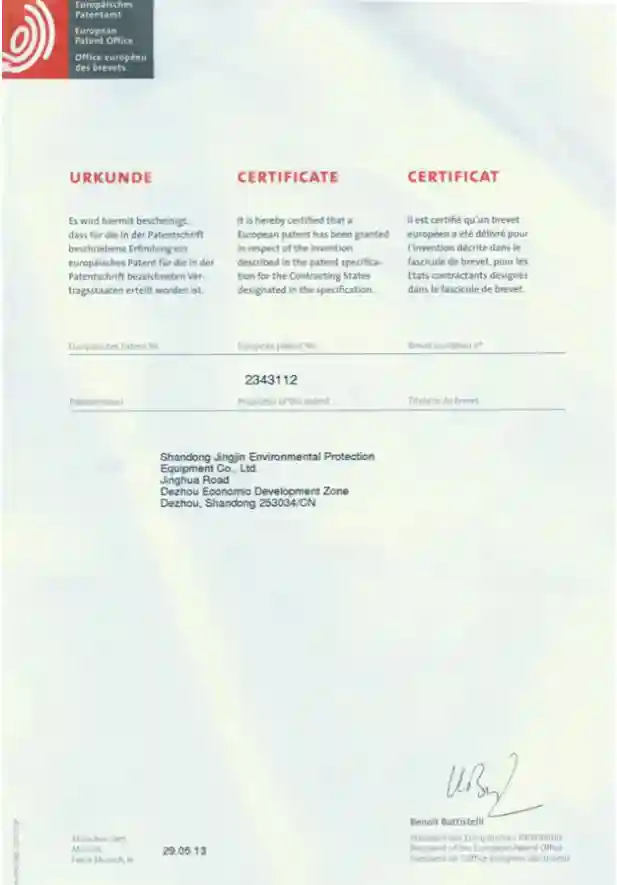
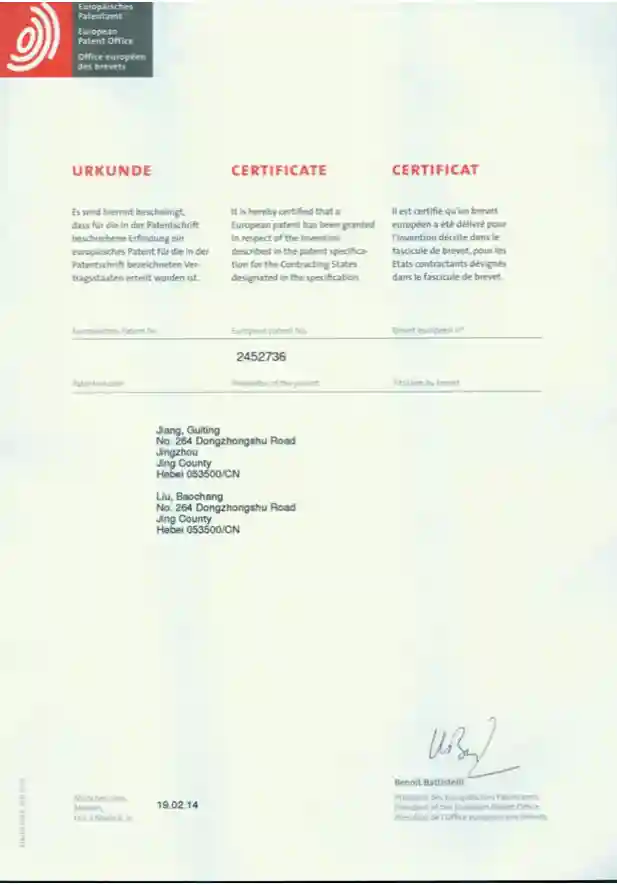
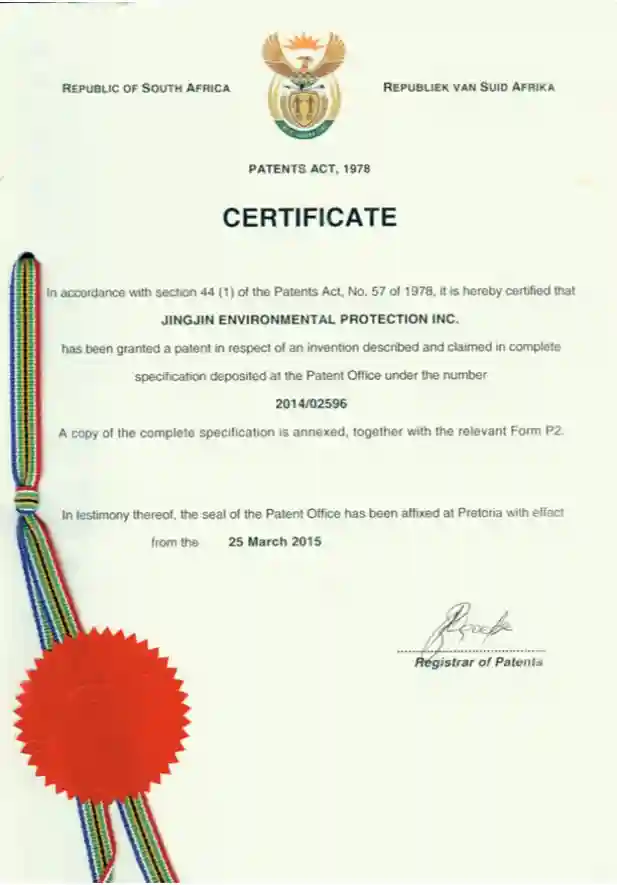
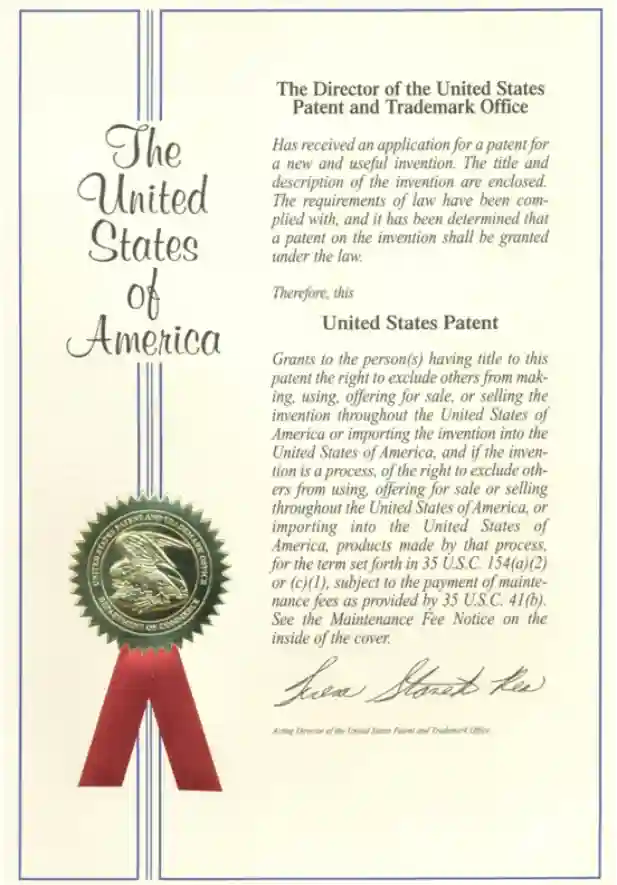
To get the most out of your solid-liquid separation process, you need to do more than just pick parts out of a catalog. You need to work with an experienced filter press plate maker who knows how hard your operations are. There are 136 patents and placements by Jingjin Equipment Inc. in 123 countries that show their filter engineering skills. They have over 35 years of experience and bring that to every project. We have recessed chamber plates, membrane squeeze plates, and unique shapes made from polypropylene, stainless steel, and other materials that are designed to work with your particular application.
Whether you're dealing with chemical industrial waste, dewatering city biosolids, or processing mining concentrates, our expert team gives you advice based on a thorough study of the process. We keep a large collection in North America so that we can deliver quickly, and we offer full system integration support for EPC companies who are in charge of complicated projects. Get in touch with our filter experts at [email protected] to talk about your separation needs and find out how choosing the right plates can make a difference in how dry the cake is, how well the cycle works, and how reliable the machine is in the long term.
References
1. Purchas, D.B. & Sutherland, K. (2002). Handbook of Filter Media, 2nd Edition. Oxford: Elsevier Science Ltd.
2. Svarovsky, L. (2000). Solid-Liquid Separation, 4th Edition. Oxford: Butterworth-Heinemann.
3. Tarleton, E.S. & Wakeman, R.J. (2007). Solid/Liquid Separation: Equipment Selection and Process Design. Oxford: Elsevier Advanced Technology.
4. Wakeman, R.J. & Tarleton, E.S. (2005). Solid/Liquid Separation: Principles of Industrial Filtration. Oxford: Elsevier Advanced Technology.
5. Sutherland, K. (2008). Filters and Filtration Handbook, 5th Edition. Oxford: Elsevier Ltd.
6. Cheremisinoff, N.P. (1998). Liquid Filtration, 2nd Edition. Boston: Butterworth-Heinemann.
jingjin
Founded in 1988, Jingjin specializes in filter presses and liquid-solid separation solutions, serving over 130 countries worldwide, and is a standard-setter in China's filter press industry.
Get the Filter Press guide
Enter Your Email for Technical assistance for the Filter Press.


Recommended Blog
How to Customize a Filter Press for Specific Applications and Industries
Top 5 High Capacity Press Filters for Efficient Sludge Dewatering
How to Troubleshoot Common Filter Press Machine Issues Quickly and Effectively
Customized Filter Press Plates for the Mining Industry: What You Need to Know
Comparing Jingjin Filter Press with Other Brands: Which One Suits You Best?
Essential Maintenance Tips for Press Filters in Industrial Plants
Screw Press Sludge Dewatering Machine for Municipal Wastewater