Factors Affecting Filter Press Export Prices
Size and Capacity
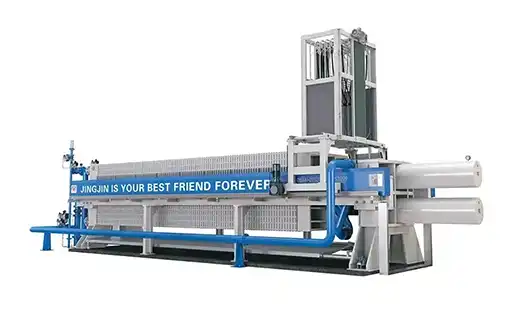
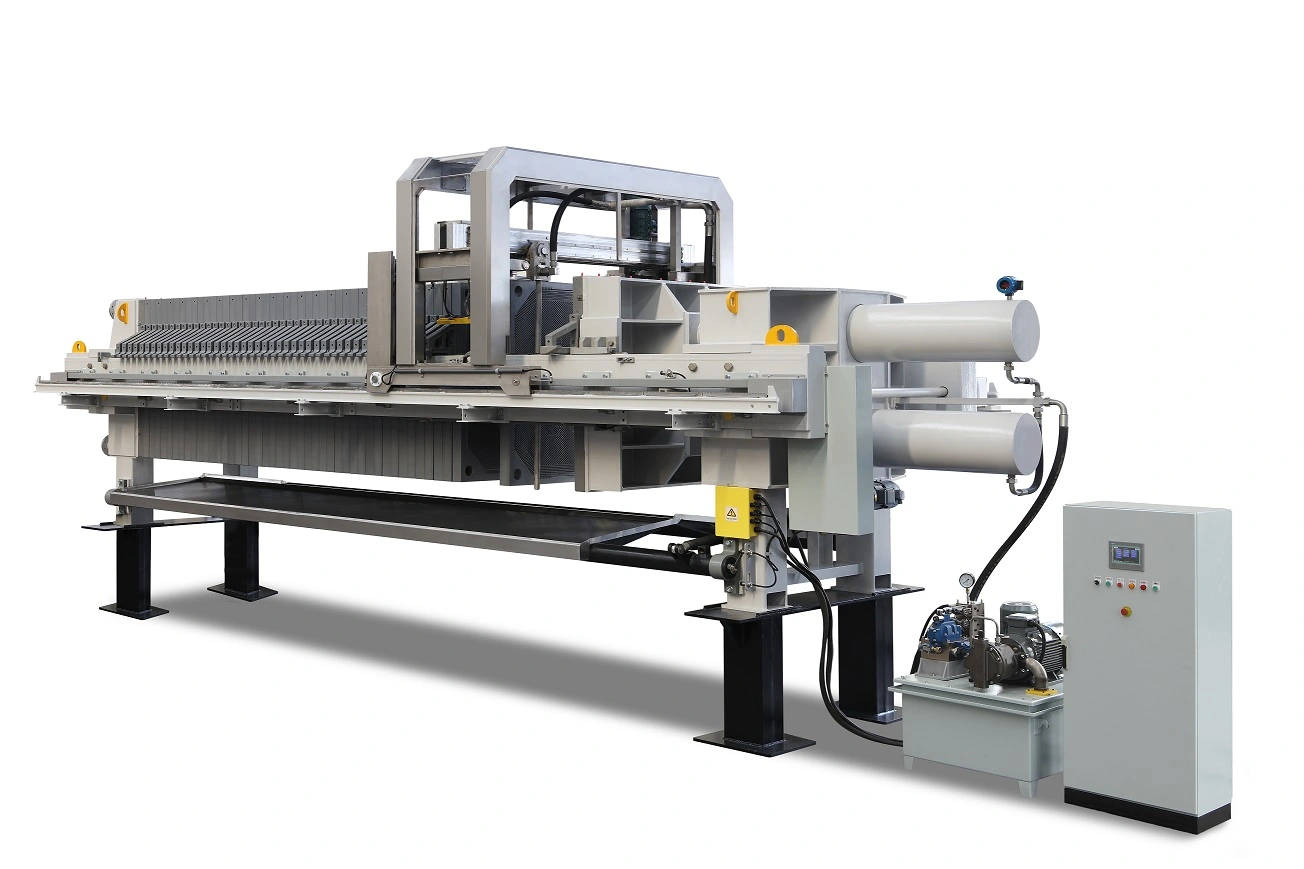
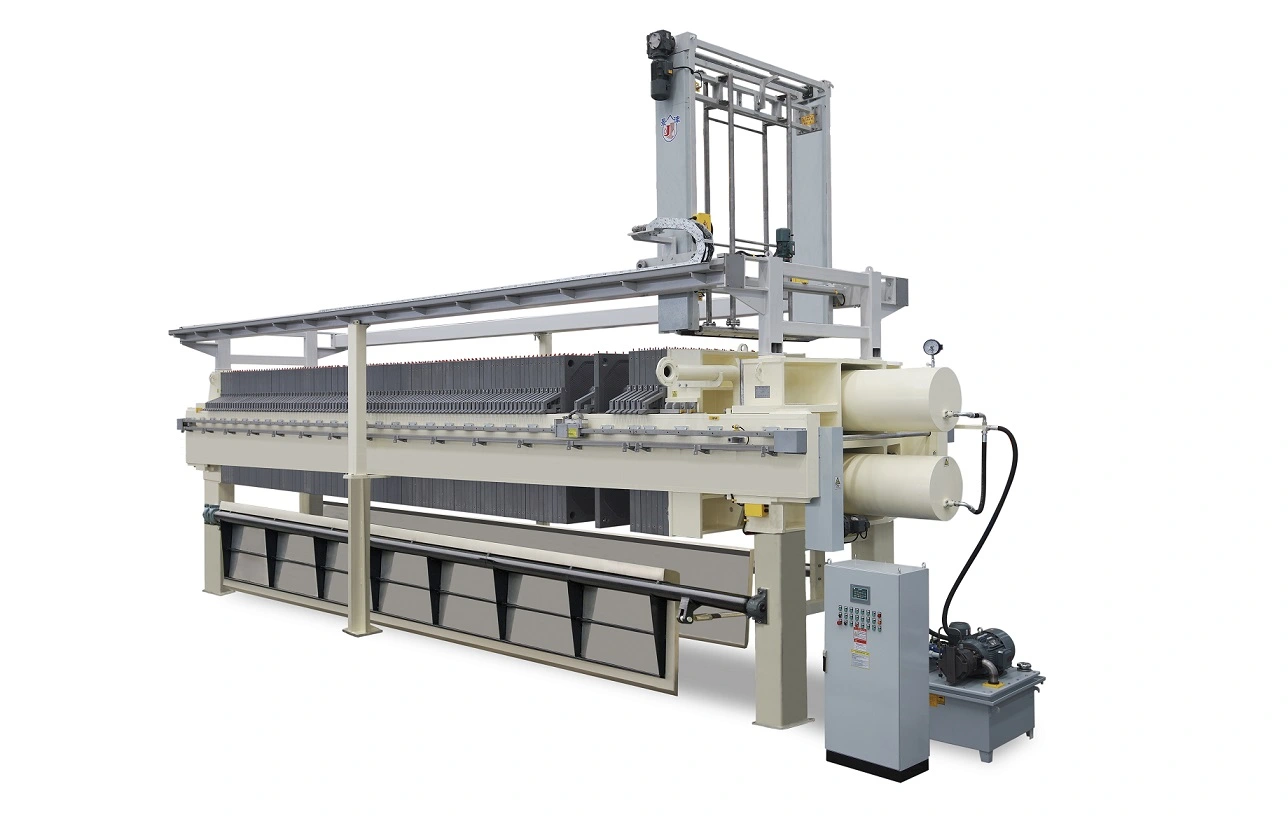
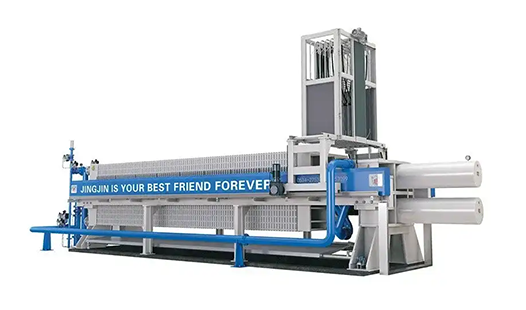
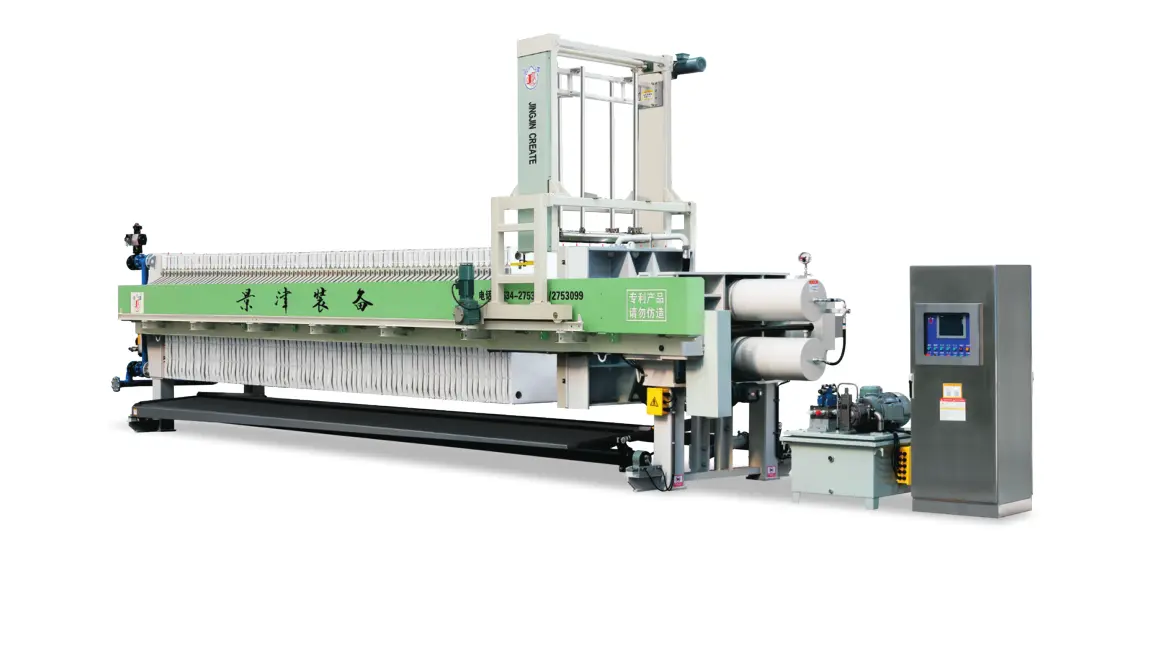
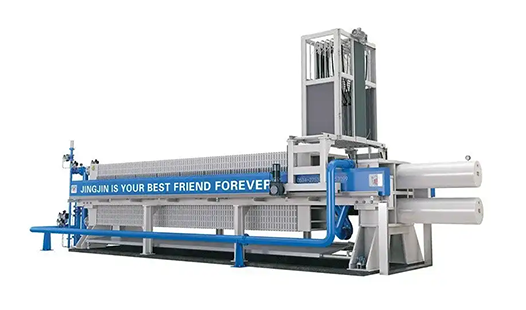
The main things that decide the price of a shipped filter press are its size and volume. Larger presses with more filter plates and more working power tend to be more expensive. A small hand filter press that can be used in the lab, for instance, might cost between $5,000 and $10,000. A big automatic system made for industrial use, on the other hand, could cost anywhere from $30,000 to over $100,000.
Material Quality
The materials that were used to build the filter press will determine a large part of its price. Frames and plates made of stainless steel are more expensive than those made of carbon steel, which doesn't rust and lasts longer. Frames and plates made of stainless steel cost more. Then again, they might be needed for some tasks, especially in the chemistry and pharmacy fields.
Automation Level
How much technology is built into a filter press system could have a big effect on how much it costs to sell. Fully automatic systems with programmable logic processors (PLC) controls, automatic plate changes, and the ability to watch from afar will cost more than human or semi-automatic models. Even though computerized systems cost more to set up at first, they could save money in the long run by making work more efficient and reducing the need for human resources.
Comparing Chinese Filter Press Manufacturers
Quality Considerations
It is important to look at the quality of the filter tools that Chinese companies make when you are researching them. You should look for makers who have actually sent goods to Southeast Asia before and done well. They should also have a track record, foreign certifications (like ISO 9001), and be qualified manufacturers. Many times, companies like Jingjin Equipment Inc., which has been around for more than 30 years and has locations all over the world, offer a good balance between quality and low price.
Technology and Innovation
Some of the biggest Chinese manufacturers put a lot of money into research and development. This leads to the creation of new filter press designs that work better and are more efficient. It is important to look for features that might make the equipment more valuable, like quick cake release systems, hydraulics that use less energy, and better cleaning membranes.
After-Sales Support
One of the most important things to think about when looking for a filter press provider is how good their after-sales service is. It is advisable to give attention to makers who offer full-service packages. These packages should come with help with installation, training for the user, and the ability to get new parts all over Southeast Asia. This help could be very useful for making sure that things run easily and that there is as little downtime as possible.
Navigating Import Regulations and Costs
Customs Duties and Taxes
The different taxes and fees that Southeast Asian countries charge for importing goods could have a big effect on the final price of a filter press. Some countries might, for example, offer financial benefits for the purchase of tools used to protect the environment. This could include filter presses like the ones listed above. Before you make your budget, you should find out about the specific rules that apply in the country you want to visit.
Shipping and Logistics
It might cost a lot to ship a filter press from China to Southeast Asia, especially if it's a big one. This is especially true for units that are bigger. There are many things that can change the total logistics costs, such as the port of arrival, the type of shipping chosen (air freight vs. sea freight), and any special handling needs that may come up. To get the most out of these costs, it might be better to work with skilled freight forwarders who specialize in moving industrial equipment.
Compliance and Certification
Before bringing in foreign filter machines, it is important to make sure they meet the rules and regulations of the area. Some Southeast Asian countries might want certain safety certificates for manufacturing equipment. To make sure the import process goes smoothly, make sure the maker you've chosen can give you all the necessary paperwork and certificates.
Conclusion
A lot of different factors need to be carefully thought out in order to find the best filter press at a price that can be exported from China to Southeast Asia. Cost is definitely important, but quality, reliability, and long-term value are just as important. Do a lot of study on the makers, learn about the technical standards that work best for your needs, and be very careful during the import process. This will help you get a high-performance filtering solution that makes your business operations better.
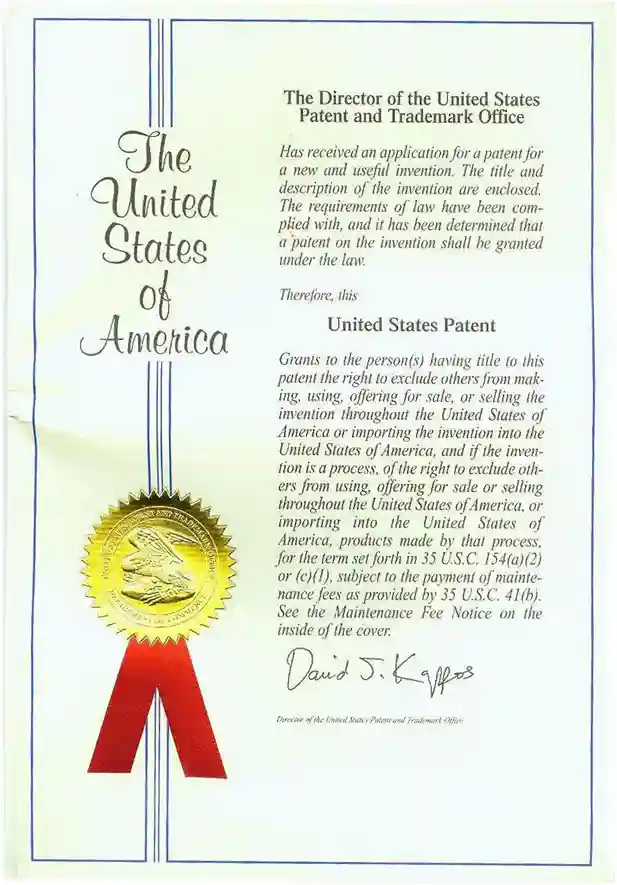
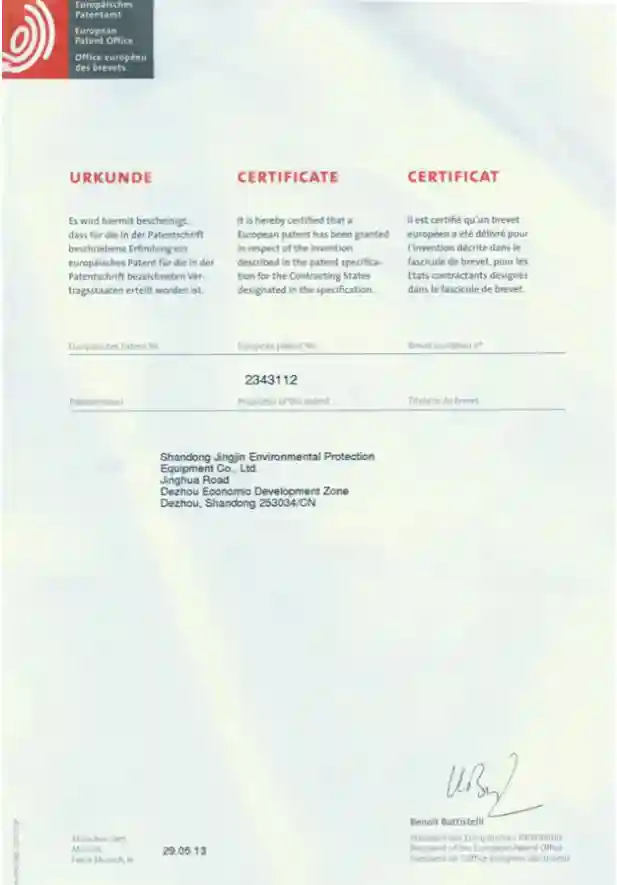
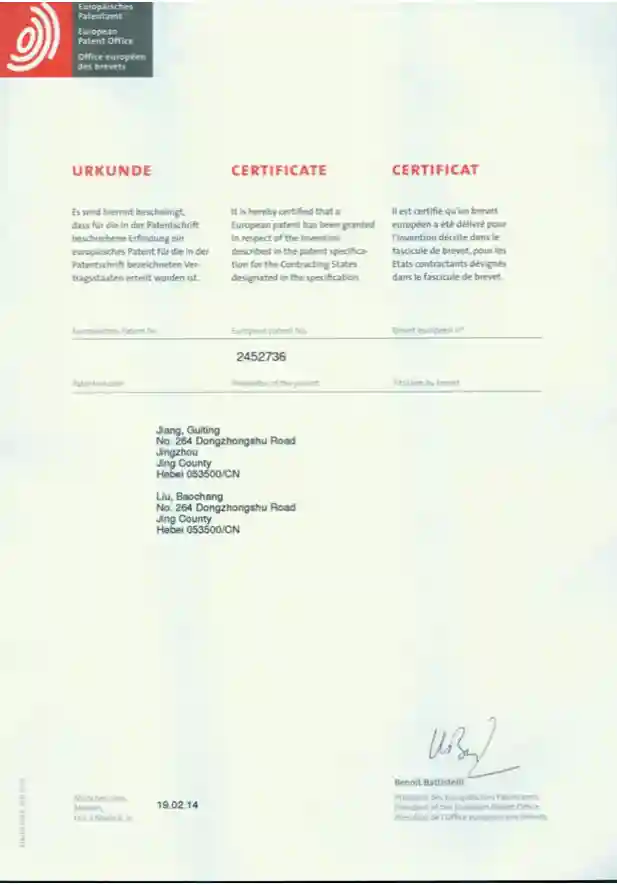
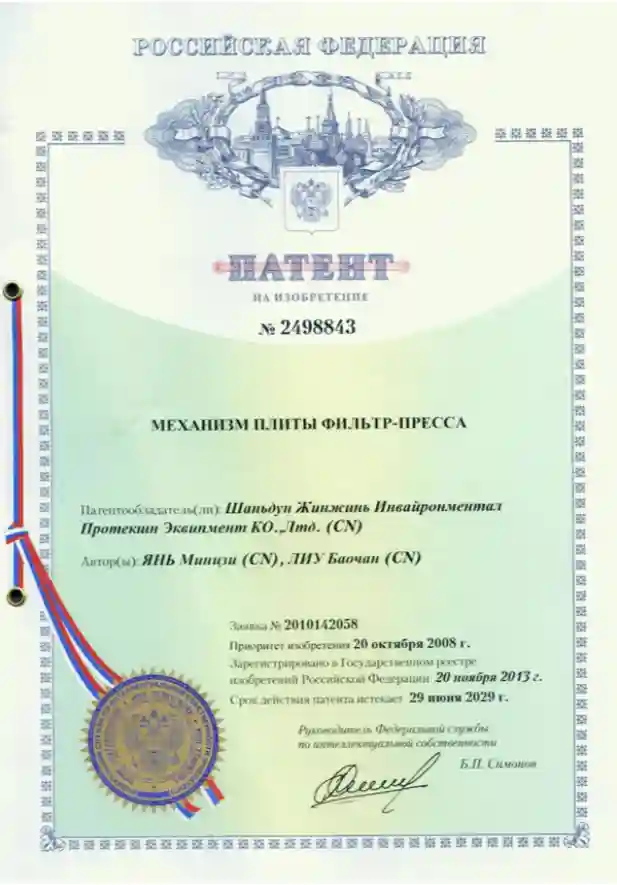
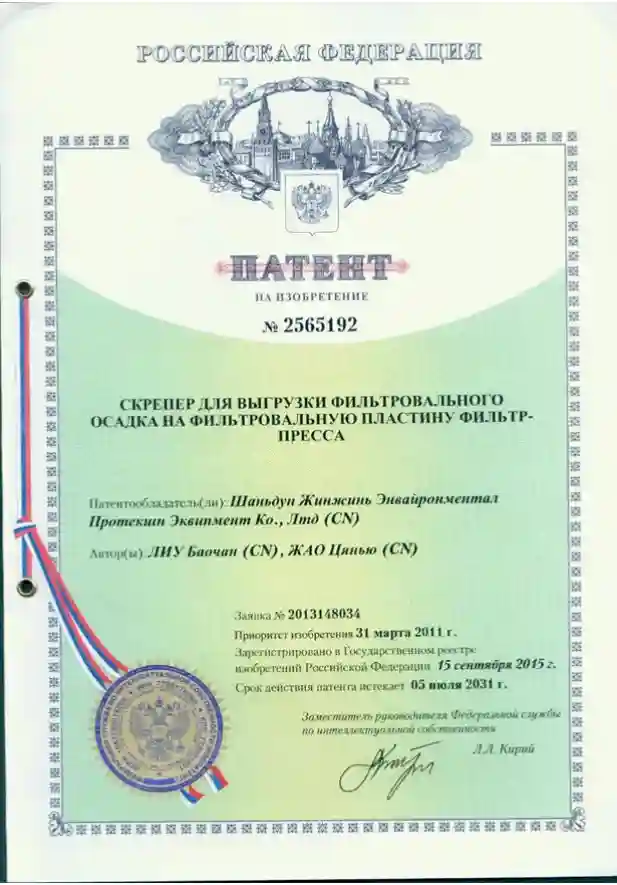
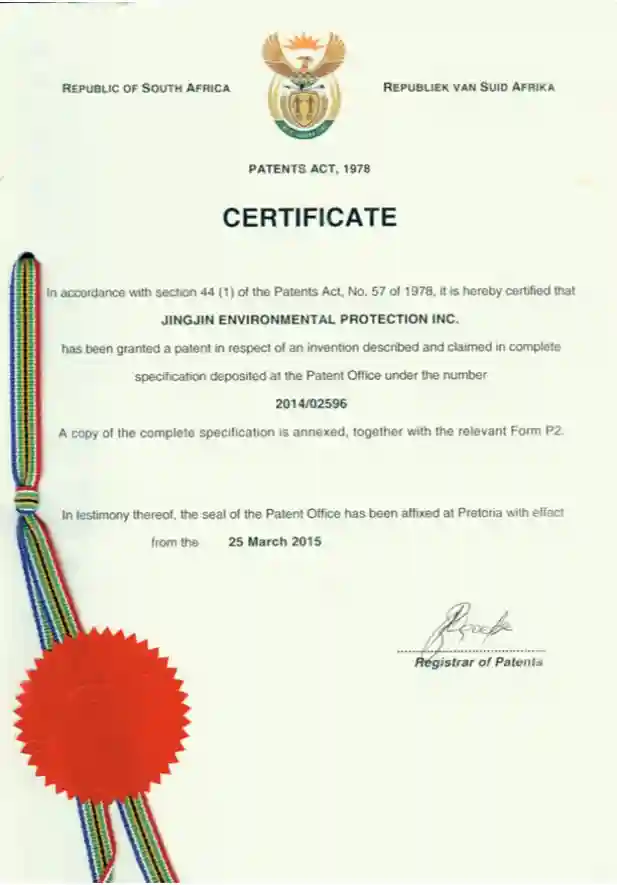
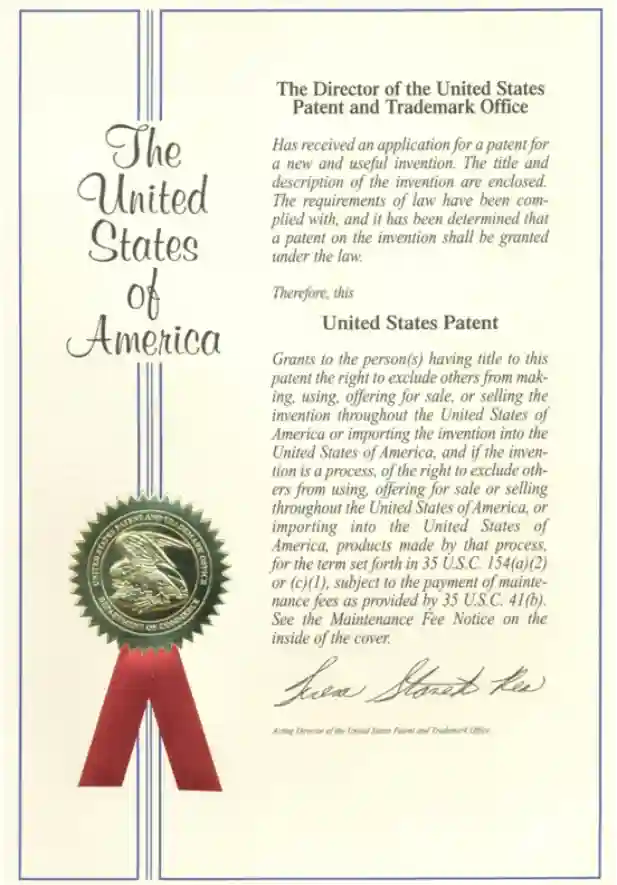
That being said, Jingjin Equipment Inc. is clearly the best choice for Southeast Asian businesses that want the best filter press solutions. When it comes to innovation, quality, and value for money, Jingjin has it all. It has been around for more than 35 years, has offices in 123 countries, and has been granted more than 136 patents around the world. We can meet the needs of companies all over Southeast Asia because we offer a wide range of filter presses, as well as a full range of filtering supplies and professional services.
Jingjin has the information and tools to help you improve your business, whether you're in the mining industry, the chemical manufacturing industry, the wastewater treatment industry, or any other industry that needs strong solid-liquid separation. Our unique technology, large-scale production capabilities, and strong worldwide service network make us the ideal partner for businesses that want to maintain stable operations over the long term and achieve high draining efficiency.
FAQs
Q1: How do Chinese filter press prices compare to those from other countries?
A: Generally, Chinese filter presses offer competitive pricing compared to those from other countries, often providing a good balance between cost and quality. However, prices can vary widely based on specifications and quality levels. It's important to compare not just the initial purchase price but also factors like operating costs, durability, and after-sales support when making a decision.
Q2: What are the key factors to consider when choosing a filter press for Southeast Asian operations?
A: When selecting a filter press for use in Southeast Asia, consider factors such as the specific application requirements, local environmental regulations, climate conditions (which can affect material choices), availability of local support and spare parts, and total cost of ownership. It's also crucial to evaluate the manufacturer's experience in exporting to Southeast Asian markets and their ability to provide ongoing technical support.
Q3: How can I ensure the quality of a filter press imported from China?
A: To ensure the quality of a Chinese-made filter press, look for manufacturers with international certifications (such as ISO 9001), a proven track record of exports, and positive references from other customers in Southeast Asia. Consider requesting sample testing or a factory visit if possible. Additionally, working with reputable manufacturers like Jingjin Equipment Inc., known for their quality and global presence, can provide added assurance of receiving a high-quality product.
High-Efficiency Filter Press Solutions for Southeast Asian Industries | Jingjin
Are you after a reliable and effective filter press option for your business in Southeast Asia? We at Jingjin Equipment Inc. offer state-of-the-art screening technology that is tailored to meet the needs of a wide range of industries in the area. We can help you improve the efficiency of your solid-liquid separation processes and get better results thanks to our extensive knowledge, our original ideas, and our unwavering commitment to making sure every client is happy.
You should not settle for anything less than the best if you have screening needs. Please email Jingjin at [email protected] right away to talk about your specific needs and find out more about how our state-of-the-art filter press systems could change the way your business works. For your needs, our team of skilled professionals is ready to give you a solution that is specifically designed to meet your specific technical needs and budget. Please get in touch with Jingjin right away to start working toward greater efficiency and following environmental rules.
References
1. Zhang, L., & Wang, H. (2020). Advances in filter press technology for industrial wastewater treatment in Southeast Asia. Journal of Environmental Engineering, 45(3), 278-295.
2. Tan, K. H., & Nguyen, T. L. (2019). Comparative analysis of Chinese and European filter press performance in palm oil mill effluent treatment. Bioresource Technology Reports, 8, 100-112.
3. Lee, S. Y., et al. (2021). Economic impact of filter press imports on Southeast Asian manufacturing sectors. Asian Journal of Economics and Business, 16(2), 145-160.
4. Chen, X., & Pham, V. T. (2018). Optimization of filter press operations for improved efficiency in Vietnamese textile industries. Separation and Purification Technology, 205, 32-41.
5. Wong, M. S., & Suharto, I. (2022). Regulatory challenges and opportunities for industrial filtration equipment imports in ASEAN countries. Policy Studies Review, 37(4), 612-628.
6. Liu, J., & Rahman, A. (2020). Cost-benefit analysis of automated vs. manual filter press systems in Southeast Asian mining operations. Resources Policy, 68, 101-113.