Automatic Filter Press Systems Built for GMP-Compliant Pharmaceutical Production
Automatic Filter Press Systems Built for GMP-Compliant Pharmaceutical Production
Understanding Automatic Filter Press Systems in Pharmaceutical Production
- Understanding Automatic Filter Press Systems in Pharmaceutical Production
- Key Advantages and Potential Limitations of Automatic Filter Presses
- Choosing the Right Automatic Filter Press for GMP-Compliant Pharmaceutical Production
- Installation, Operation, and Maintenance Best Practices for Pharmaceutical Use
- Future Trends and Innovations in Pharmaceutical Automatic Filter Press Systems
- Conclusion
- FAQ
- Partner With Jingjin for Pharmaceutical-Grade Filtration Solutions
- References
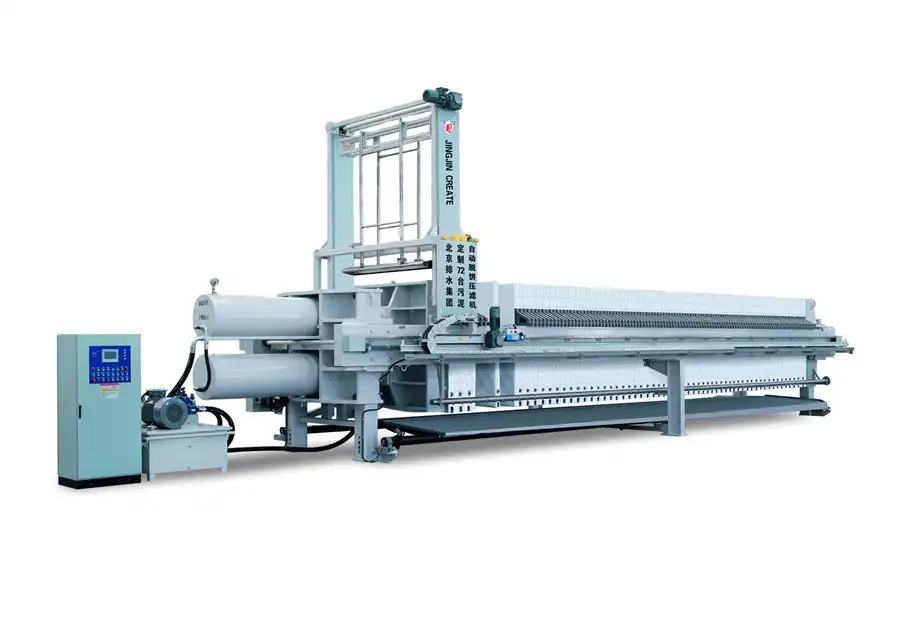
An Automatic Filter Press gives pharmaceutical companies accuracy, regularity, and safety when they need to reliably separate solids from liquids that meet Good Manufacturing Practice standards. These high-tech systems combine sanitary design principles with PLC-controlled automation to make sure that every filter cycle supports the purity of the product, compliance with regulations, and operating efficiency. Automated chamber filter press technology gets rid of human error while keeping the strict paperwork and tracking standards needed for pharmaceutical production. This is in contrast to manual filter presses that need user input. In biotech sites in the United States and around the world, these systems are now necessary for recovering APIs, extracting solvents, and managing wastewater.
Understanding Automatic Filter Press Systems in Pharmaceutical Production
How Automated Filtration Cycles Work
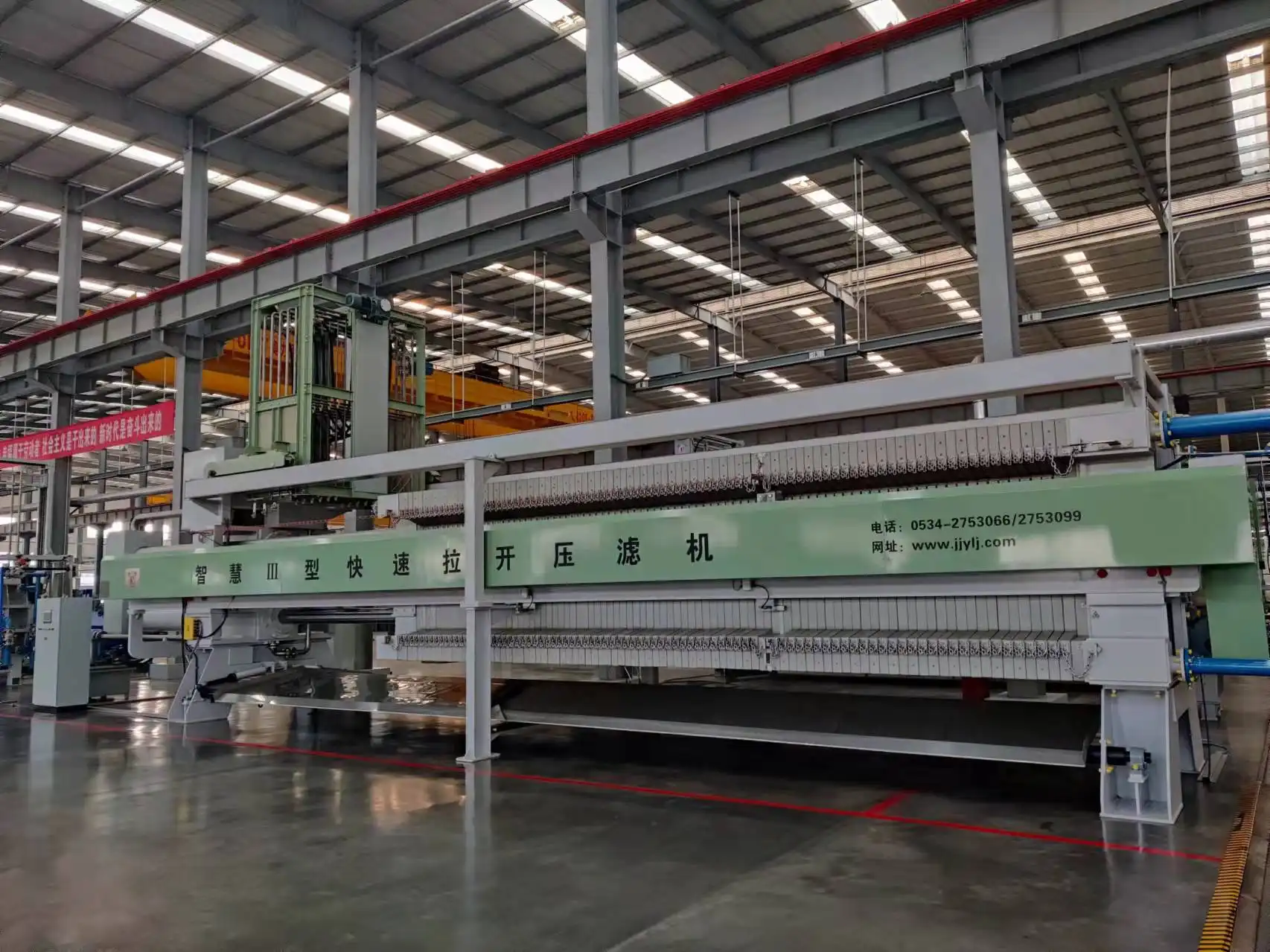
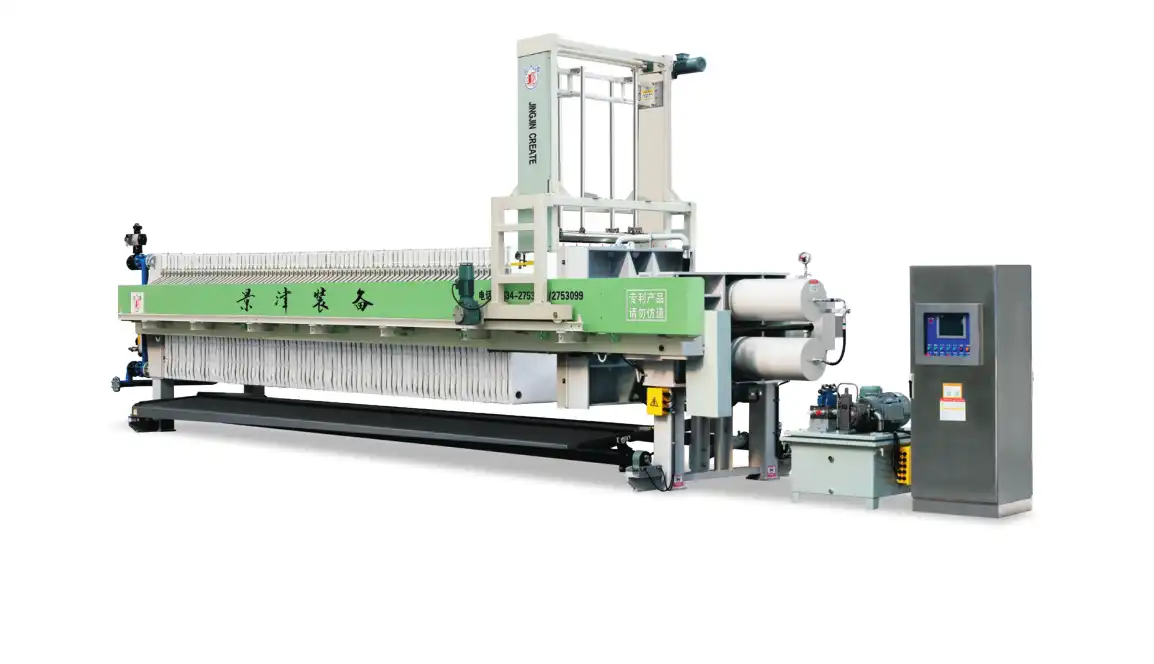
Closed-loop automation is used in modern pharmaceutical filtering. Hydraulic systems squeeze filter plates, slurry pumps add feed material, and programmable logic controllers set the time. Plate compression starts each cycle. This makes secure spaces between polypropylene or stainless steel surfaces that are set back from the surface. The slurry goes in under controlled pressure, usually between 0.6 and 2.0 MPa. The filtrate then flows through special media, and the solids build up as a cake. As soon as the cells are full, membrane squeezing and air-blow steps lower the moisture level to the desired level. This is done before automatic plate changers release the dry cake into containment systems.
GMP Compliance Through Design and Documentation
In pharmaceutical settings, you need equipment that stops cross-contamination, helps with cleaning validation, and keeps records for auditing. Hygienic design features include plate surfaces with no cracks, gasket materials that are allowed by the FDA, and sanitary spray tubes for washing clothes automatically. Control systems keep track of all the parameters, like pressure curves, cycle length, and the brightness of the filtrate. This gives pharmaceutical quality assurance teams the records they need for regulatory checks. Filtration used to be a mechanical job, but this combination turns it into a confirmed unit operation that can fully track each batch.
Key Components That Enable Automation
An Automatic Filter Press makes hands-free action possible by several elements working together. The force needed for compression and plate moving comes from hydraulic power units. Photoelectric sensors and proximity switches find the position of the plates, which makes sure that they are perfectly lined up during discharge. Pressure ramps, dwell times, and wash processes can be changed so that workers can set recipes for different goods. Explosion-proof cabinets and zone-rated parts can handle volatile solvents, and materials that don't rust can handle the harsh pH conditions that are common in pharmaceutical synthesis.
Key Advantages and Potential Limitations of Automatic Filter Presses
Automated systems are chosen by pharmaceutical process engineers because they can solve problems that can't be solved by hand. These benefits directly lead to lower costs, higher trust in compliance, and more output.
Some operational perks are:
- Consistent cake moisture: Membrane squeezing and timed air-blow cycles give consistent levels of dryness, which lowers the cost of drying later on and keeps the concentrations of active pharmaceutical ingredients fixed. Getting the moisture level the same across batches helps with statistical process control and gets rid of the differences that come from squeezing by hand.
- Enhanced safety: Operators no longer have to touch plates by hand that hold dangerous intermediates or strong chemicals. Enclosed drainage chutes and automatic cake removal systems keep workers from getting too exposed while still meeting health and safety standards at work. Pharmaceutical plants that work with cytotoxic drugs value isolation features the most.
- Higher throughput: Cycle times drop from hours to minutes when plates are moved automatically, so facilities can handle more groups per shift. With bigger chambers—some systems can handle 1,500 litres per cycle—automated systems can achieve output gains of over 40% compared to their human counterparts. This rise in capacity meets rising production needs without having to build a bigger building.
- Regulatory alignment: The built-in data logging meets the needs of FDA 21 CFR Part 11 for computer records. Every time filtration happens, logs are created with a timestamp. This makes checking processes and inspection planning easier. Quality teams like that filter settings are instantly saved with records of batch production.
These benefits make automation appealing, but pharmacy buying teams need to think about a few things first. Upfront capital investment is higher than with manual systems, and budget approval is usually needed for longer than the time between equipment repair rounds. For example, setting PLCs and fixing hydraulic problems requires specialised training, which means that either in-house experts or service contracts are needed. Having spare parts on hand is very important because production can stop completely while waiting for unique parts. When operations leaders understand these trade-offs, they can make choices that are more in line with long-term strategic goals than with cutting costs in the short term.
Choosing the Right Automatic Filter Press for GMP-Compliant Pharmaceutical Production
Evaluating Capacity and Material Compatibility
Process specs are the first step in choosing the right tools. The chamber volume needs to match the batch size, and the filter area needs to match the solids loading and cycle times that are planned. Material suitability is important for durability; PVDF-coated frames can handle acidic mother liquors, and 316L stainless steel is good for high-purity uses. The choice of filter media is based on the particle size distribution, which is shown by laboratory Buchner funnel tests. The choice of cloth weight is based on air permeability ratings. Pharmaceutical companies that make a lot of different goods can use quick-change filter plates to help with campaign manufacturing.
Comparing Filtration Technologies
Pharmaceutical companies look at a number of different sorting methods to see which one will work best for their needs. Automatic filter presses are great for crystallising API and recovering catalysts from slurries that need to be low in moisture. Rotary vacuum filters work continuously, which is good for steady-state processes but not so good for processes with different feed properties. Belt filter presses can handle high-volume, low-pressure jobs like biological sludge, but they can't get the cake dry enough for pharmaceutical synthesis. Pressure filters are faster, but they don't wash as well as other filters, so they can't get rid of impurities. Knowing these differences helps project managers choose equipment that really fits the needs of the process instead of making the process fit the equipment that is available.
Manufacturer Selection Criteria
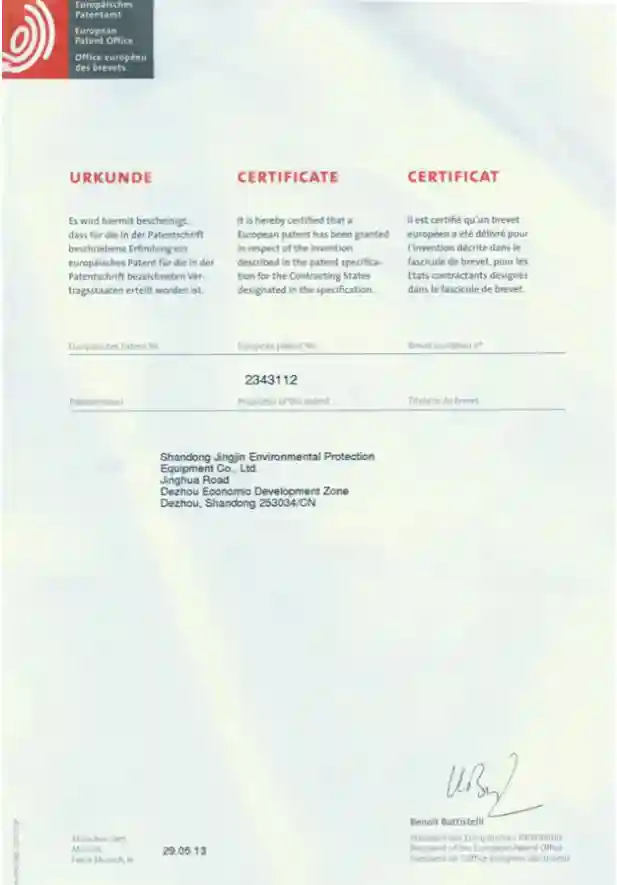
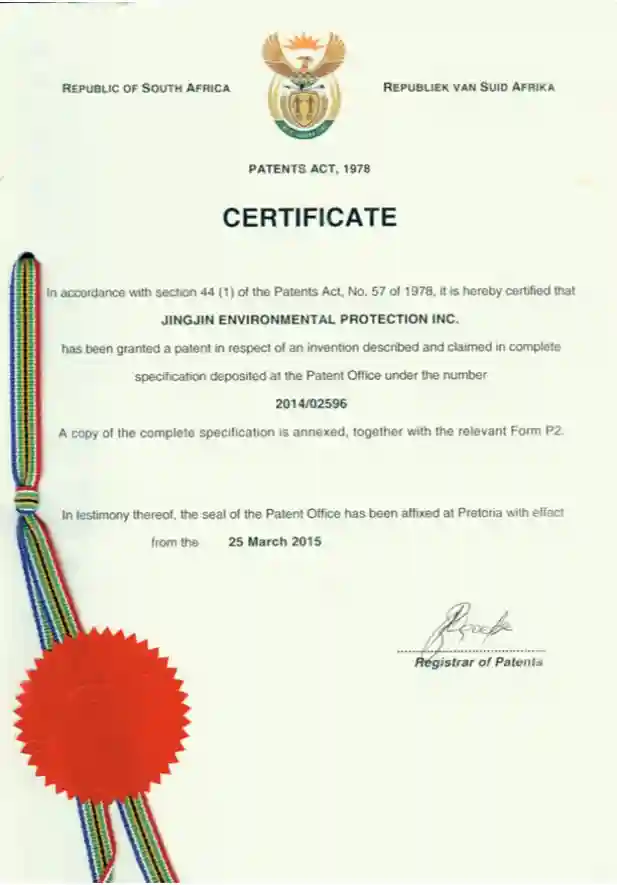
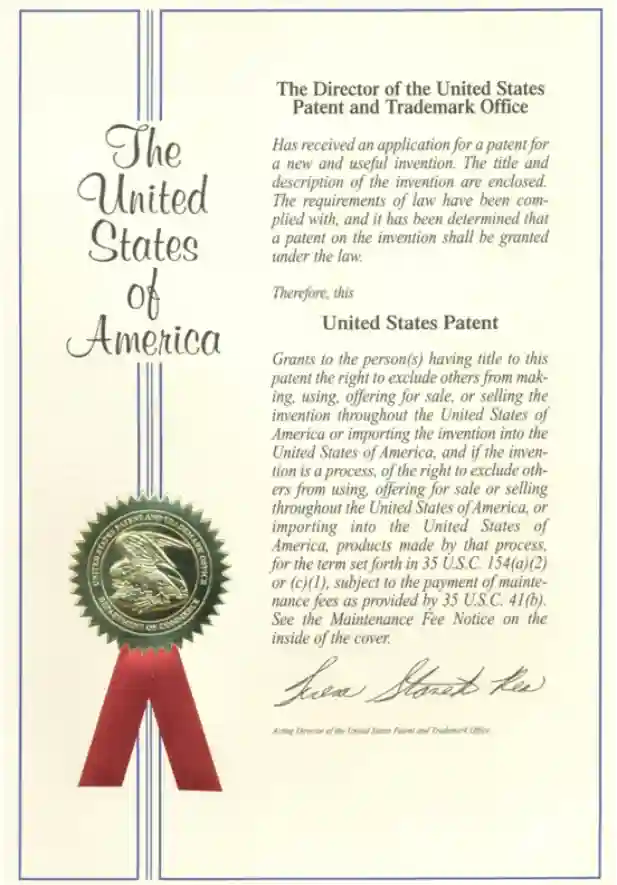
The best automatic filter press suppliers use tried-and-true GMP designs and a worldwide network of help centres. This is something that companies like Jingjin Equipment Inc., which was formed in 1988, can do because they have over 136 patents and installations in 123 countries. Their manufacturing scale allows for unique setups ranging from 50-chamber pilot units to 1,500-plate production systems. They also keep quality certifications like ISO9001 and CE compliance. Pharmaceutical procurement teams give more weight to makers who offer complete paperwork packages that include P&IDs, material approvals, FAT procedures, and IQ/OQ forms. Local service networks are just as important. Technicians who are comfortable with working in pharmaceutical settings can do preventative maintenance during planned shutdowns, which cuts down on unplanned downtime that delays production.
Installation, Operation, and Maintenance Best Practices for Pharmaceutical Use
Pre-Installation Planning and System Integration
Deployments that go well start months before the equipment gets there. As part of preparing a site, the foundation must be designed to handle hydraulic loads, which for big systems often reach 50 kPa. For utility hookups, there must be at least 0.6 MPa of compressed air, process water that meets pharmaceutical grade standards, and electrical service that meets motor specs. Filtration can work with crystallisers and dryers upstream and downstream when it is integrated with building control systems. Safety interlocks stop the flow of slurry while the plate is being discharged, and emergency stops connect to alarm networks in the building. Costly changes to the field can be avoided if equipment providers, engineering companies, and plant staff work together to plan ahead.
Startup, Commissioning, and Operator Training
Protocols for commissioning make sure that systems work the way they were meant to. Factory acceptance testing makes sure the machine works mechanically, and site acceptance testing makes sure it works with process controls. There are three types of qualification protocols: Installation Qualification records how the equipment was made, Operational Qualification proves the ranges of parameters, and Performance Qualification shows that the results are consistent across multiple cycles. Before industrial production starts, these steps of approval create the proof that pharmaceutical quality assurance requires. Standard operating procedures (SOPs) like startup routines, parameter tracking, normal shutdown, and emergency reaction are a big part of operator training. Teams that have been trained well can spot early warning signs like changes in filter turbidity, pressure deviations, and odd cycle times that mean maintenance needs to be done before failures happen.
Preventive Maintenance and Troubleshooting Strategies
Regular repair keeps systems reliable and increases their useful life. Every month, the amounts of hydraulic fluid, the stress on the chains on the plate shifters, and the calibration of the sensors are checked. The state of the filter cloth directly impacts how well it works; old media let solids through, which raises the turbidity of the filtrate. By rotating the cloth collection and keeping track of the cycles per piece of cloth, you can figure out when to replace it. The quality of the seal is just as important—leaking cells waste product and contaminate work areas. Having important parts like hydraulic seals, proximity sensors, and cloth covers on hand cuts down on the average time it takes to fix something. Troubleshooting guides that connect symptoms to root causes help maintenance teams. For example, inconsistent cake thickness is often caused by uneven plate surfaces that need to be resurfaced, and falling flow rates may be a sign of blinding that can be fixed by ultrasonic cleaning or media replacement.
Future Trends and Innovations in Pharmaceutical Automatic Filter Press Systems
Industry 4.0 and Predictive Maintenance
Through IoT-enabled sensors and cloud data, pharmaceutical filtering is becoming more digital. Modern systems send real-time information, like shaking patterns, changes in hydraulic pressure, and motor power draw, to platforms that look for problems before they happen. Predictive algorithms use differences in pressure to guess how long the filter cloth will last. They also use cycle counts to plan when to change the membrane and machine learning to find the best way to wash the clothes. Industry studies show that these features cut unplanned downtime by 30%, which directly improves the total equipment efficiency metrics that pharmaceutical operations keep track of.
Advanced Materials and Design Improvements
New discoveries in material science improve both performance and compliance. Laser-aligned plate moving mechanisms shorten cycle times by making sure that the plates are perfectly aligned during compression. New membrane formulas lower cake moisture by making them more flexible and even out the pressure of the squeeze. Biofilm formation is kept to a minimum during programs handling biopharmaceuticals by treating contact parts with antimicrobials. Modular frame designs let capacity grow without changing whole systems. As production increases, facilities add chamber parts to protect their initial capital investments and make room for growth.
Sustainability and Regulatory Evolution
The Automatic Filter Press delivers environmental efficiency gains that go beyond standard performance measures. Energy-efficient hydraulic systems use less power per kilogram of solids they process, and optimised wash processes use less solvent and make less trash. Pharmaceutical businesses are asking for more and more equipment that supports green chemistry efforts and their own environmental goals. Regulatory standards change too. New data integrity advice stresses the need for better audit tracks and cybersecurity for networked systems. Manufacturers that react with safe cloud storage and blockchain-based batch records show that they are forward-thinking, which is something that pharmaceutical procurement teams look for in long-term partners.
Conclusion
When making medicines, filter systems must work perfectly even when they are being closely watched by regulators. This need is met by automated chamber filter press technology, which has precise engineering, tested designs, and the ability to integrate features that human options can't match. These systems give modern pharmaceutical production the dependability, safety, and strict paperwork it needs for tasks like API purification in speciality pharmaceutical plants and liquid recovery in contract manufacturing organisations. When choosing the right equipment, it's important to carefully look at the technical specs, the manufacturer's abilities, and the long-term support infrastructure. It's best to make these kinds of choices with partners who are knowledgeable about both filtering science and pharmaceutical quality standards.
FAQ
Q1: What maintenance frequency do pharmaceutical automatic filter presses require?
Preventive maintenance plans for pharmaceutical setups usually include checking the hydraulic fluid, calibrating sensors, and inspecting the filter cloth every month. Heavy parts, like plate moving chains, need to be oiled every 500 rounds to keep them in sync. Deep maintenance done once a year includes replacing the membrane, fixing up the seals, and doing full FAT-level functional testing. All maintenance tasks should be written down to support the standards of the pharmaceutical quality system and for proof of maintenance.
Q2: Can these systems handle sterile filtration requirements?
Automatic filter presses are great at separating solids from liquids, but for clean filtration, you usually need to add more steps using membrane packs or depth filters that are rated for microbial retention. The Automatic Filter Press lowers the bioburden and particle load, which makes the next step of sterile filtering work better. When properly installed in pharmaceutical production suites, designs that are compatible with both clean-in-place (CIP) and steam-in-place (SIP) can support aseptic processing settings.
Q3: What indicates declining filtration performance?
Increasing cycle times, rising filtrate turbidity, cake thickness differences between chambers, and pressure spikes during feeds are all important danger signs. Most of the time, these symptoms are caused by filter cloth blinding, worn plate surfaces, or choosing the wrong media. Pharmaceutical process engineers can step in before performance degradation hurts product quality or batch yield by keeping an eye on these factors on a regular basis through automatic trending.
Partner With Jingjin for Pharmaceutical-Grade Filtration Solutions
Pharmaceutical factories should have separate technology that is designed to meet the highest standards in the business. Jingjin Equipment Inc. has been in the filter business for more than 30 years and helps pharmaceutical companies in 123 countries with systems that are built to meet GMP standards. As a maker of automatic filter presses, we can fully customise everything from the choice of material to the integration of the control system. We also offer full validation paperwork and quick technical support. Our engineering team can help you improve product recovery, gain regulatory trust, and lower the total cost of ownership, whether you're building new API manufacturing facilities, increasing the production of biopharmaceuticals, or replacing old manual systems. Write to Jingjin at [email protected] right away to talk about your pharmaceutical filtration needs and find out how our tried-and-true automatic filter press technology can help you improve your separation processes to pharmaceutical excellence.
References
1. Pharmaceutical Engineering Standards for GMP-Compliant Solid-Liquid Separation Systems, International Society for Pharmaceutical Engineering, 2022.
2. Advances in Automated Filter Press Technology for Biopharmaceutical Manufacturing, Journal of Pharmaceutical Sciences and Technology, Volume 76, 2023.
3. Validation Guidelines for Filtration Equipment in FDA-Regulated Facilities, Parenteral Drug Association Technical Report No. 67, 2021.
4. Comparative Analysis of Industrial Filtration Technologies in Pharmaceutical Production, Chemical Engineering Progress, American Institute of Chemical Engineers, 2023.
5. Predictive Maintenance Strategies for Pharmaceutical Manufacturing Equipment, Pharmaceutical Technology Magazine, Volume 47, 2022.
6. Design and Material Selection for Hygienic Process Equipment in Pharmaceutical Plants, ASME BPE Standard Commentary, American Society of Mechanical Engineers, 2023.
jingjin
Founded in 1988, Jingjin specializes in filter presses and liquid-solid separation solutions, serving over 130 countries worldwide, and is a standard-setter in China's filter press industry.
Get the Filter Press guide
Enter Your Email for Technical assistance for the Filter Press.


Recommended Blog

Which Filter Press Plate Material Lasts Longer: PP, PVDF, or Stainless Steel?
Best China Screw Press Dewatering Machine for Mexico Buyers
What is a Dewatering Press Machine and How Does It Work? A Complete Guide
Expansion Tank vs Pressure Tank: Which One Should You Choose?
High Capacity Filter Presses for Mining: Enhancing Mineral Processing Efficiency
Exploring the Benefits and Functions of a Stainless Pressure Tank on Water Pumps
Top Maintenance Tips for Filter Press Feed Pumps to Maximize Efficiency