Sludge Filter Press Machine Operating Cost Analysis
Understanding the Operating Costs of Sludge Filter Press Machines
- Understanding the Operating Costs of Sludge Filter Press Machines
- Key Design and Performance Features Impacting Cost Efficiency
- Optimal Maintenance and Troubleshooting to Minimize Costs
- Procurement Considerations to Balance Initial Investment and Operating Costs
- Industry Applications and Their Impact on Operating Costs
- Conclusion
- FAQ
- Maximize Your Operational Efficiency with Jingjin
- References
Understanding the full running cost structure of a sludge filter press machine is important for making smart purchasing choices. Modern filter press systems have many cost factors, such as the amount of energy they use, the upkeep they need, the repair of parts, and the work that goes into them. The initial purchase price is only one part of the overall cost of ownership. You need to carefully consider the ongoing operating costs that can have a big effect on your facility's bottom line over the lifecycle of the equipment.
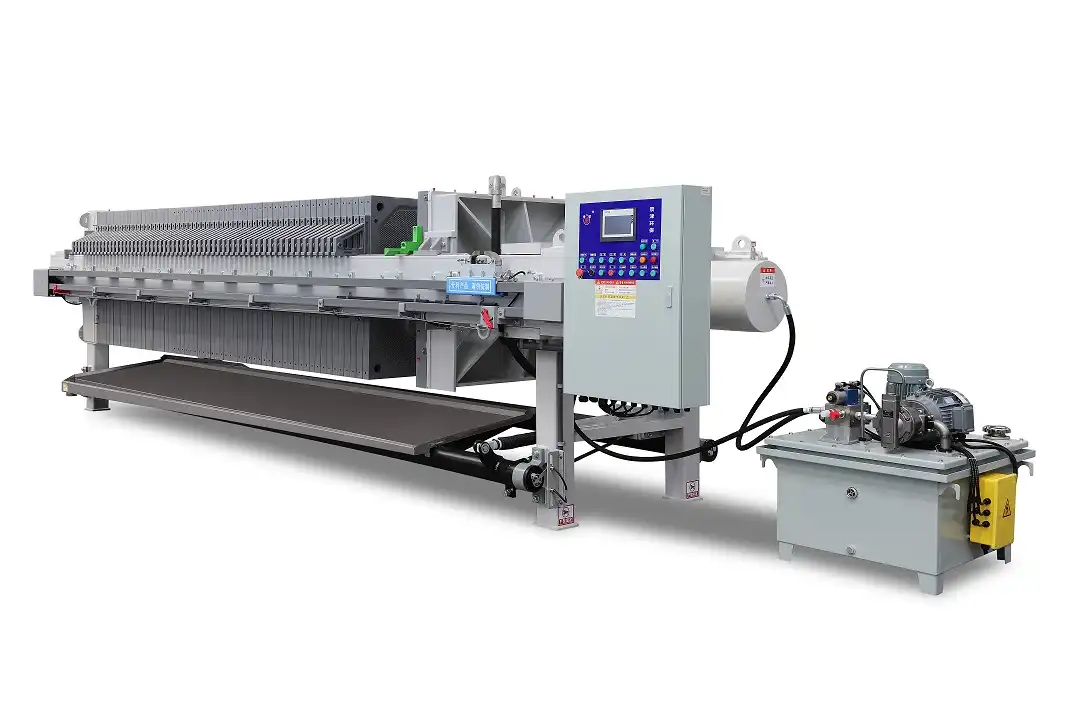
Understanding the Operating Costs of Sludge Filter Press Machines
The costs of running dewatering equipment are affected by a number of linked factors that have a direct effect on how profitable your building is. Energy use is usually the ongoing cost that is the biggest problem. During normal function, automatic devices use about 2.2 kW of power. This amount of energy needed changes depending on the type of sludge, the working volume, and the number of cycles.
The costs of maintenance are another big area of costs. When to change the filter cloth depends a lot on the material being handled and how the machine is being used. Filter cloths are usually changed every 12 to 18 months at municipal wastewater treatment plants. Chemical processing plants may need to change them more often because the materials they use are more aggressive.
Energy Consumption Analysis
The amount of power that automatic filter press systems need stays pretty constant across a wide range of uses. Based on normal industrial electricity rates, a basic automatic unit uses 2.2 kW of power, which comes out to about $1.50 to $2.00 per hour in energy costs. With a processing capacity of 1 to 100 tons per day, facilities can plan their operations to run most efficiently during off-peak power hours, which could cut their energy costs by 20 to 30 percent.
The small size (1800 x 1550 x 1800 mm) makes it possible to lay out plants efficiently while keeping costs down related to the room. For weights up to 2750 kg, normal industrial flooring without any special reinforcements is needed. This lowers the cost of installation.
Maintenance and Consumable Expenses
Long-term running costs are affected by regular maintenance practices in a big way. Inspections of sludge filter press machine hydraulic systems are usually done every three months and cost $200 to $400 per repair call. Changing the filter cloth is the most common maintenance cost, which can be anywhere from $500 to $1,500 based on the quality of the material and the needs of the application.
Fixes that need to be done right away can be avoided with preventative maintenance plans. Structured maintenance plans lead to 40–60% less unexpected downtime in facilities compared to reactive maintenance methods.
Key Design and Performance Features Impacting Cost Efficiency
Compared to human systems, systems that can be operated automatically require a lot less work. Advanced hydraulic controls make sure that the pressing pressure stays the same while maximizing energy efficiency through better cycle time. The automatic grade labeling means that operators won't have to do as much work, which will save money on staff and make the process more consistent.
Strong building materials directly affect how often upkeep needs to be done and how much it costs to fix things. High-quality frame materials don't rust or wear down easily, so the equipment lasts longer and costs less in the long run. Maintenance plans are affected by how long filter plates last. Good plates should last 10 to 15 years under normal working conditions.
Automation Benefits and Cost Implications
Automation technology cuts down on labor costs by getting rid of the need to move plates and remove cakes by hand. Automatic systems don't need much supervision, so workers can focus on more important jobs. When compared to manual processes, this speed saves about $15,000 to $25,000 a year in labor costs.
Automating the process makes it more consistent, which makes the cake drier and lowers the cost of dumping. Automatic systems usually do a 5–10% better job of dewatering than human ones, which has a direct effect on the cost of getting rid of trash.
Comparison with Alternative Technologies
Belt filter presses need to have their belts replaced and washed all the time, which uses more water and chemicals. Centrifuges need specialized upkeep skills and use more energy than other machines. Filter press technology makes cakes drier while also being easier to run on a regular basis.
With a production range of 1 to 100 tons per day, filter press systems can compete with other options while still being flexible in how they are used. This range of capacities can handle different process needs without making the tools too big.
Optimal Maintenance and Troubleshooting to Minimize Costs
Effective repair plans are directly linked to lowering running costs and making tools last longer. Structured repair procedures cut down on breakdowns that happen out of the blue and improve performance efficiency. Regular inspections find problems early on, before they get worse and need expensive fixes.
Checking the hydraulic pressure, filter cloth, and drainage system every day is part of routine checks. These regular checks take about 15 to 30 minutes per shift, but they keep expensive fixes and output stops from happening.
Preventive Maintenance Protocols
Maintenance chores that are done once a week include checking the hydraulic system and lubricating mechanical parts. Every month, the electrical connections, gasket state, and position of the filter plate are checked. As part of the quarterly works, the safety system and hydraulic system are fully tested and evaluated.
Maintenance that is done once a year includes checking the performance, replacing the filter cloth, and inspecting the major parts. These planned tasks make sure that the equipment works at its best and that unexpected problems don't stop operations.
Troubleshooting Common Issues
Most of the time, wrong pressing pressure or old filter cloths cause cakes to not form properly. Most formation problems can be fixed by changing the hydraulic pressure settings or replacing cloths that are broken. Incomplete draining is usually a sign of clogged drainage pathways or wrong cycle timing, both of which can be fixed by cleaning the system regularly and adjusting the parameters.
Problems with a sludge filter press machine hydraulic system show up as inconsistent pushing cycles or changes in pressure. Most hydraulic problems can be avoided by changing the fluid and replacing the seals on a regular basis.
Procurement Considerations to Balance Initial Investment and Operating Costs
When making strategic procurement choices, it's important to look at the total cost of ownership as well as the original purchase price. Quality technology that costs more up front usually pays for itself in the long run by requiring less upkeep and running more efficiently.
Long-term cost estimates are greatly affected by warranty coverage. Full guarantees that cover major parts for long periods of time make costs predictable and lower financial risk. Standard ISO9001:2008 CE certification makes sure that international quality standards are met and speeds up the clearance process for regulators.
Supplier Evaluation Criteria
The operational costs are directly affected by the skills of the suppliers, such as their global service networks, the supply of spare parts, and how quickly they can provide expert help. Manufacturers who have experts ready for service in other countries are very helpful for people who need help with complicated setups and fixing problems.
Lead times of 35 days allow for good project planning and make sure that material is available when it's needed. A supply capacity of 10,000 units per year shows that the company can consistently make and deliver large-scale projects.
Customization and Flexibility Options
Customizing the voltage to meet the needs of the customer cuts down on the cost of electrical modifications and makes sure that the new system works well with the current plant infrastructure. Flexible setups for wrapping meet different shipping needs while lowering the costs of operations.
Port options like Qingdao and Tianjin give shippers choices and could lower transportation costs based on the needs of the final location.
Industry Applications and Their Impact on Operating Costs
Different types of industries have their own management problems that affect how much it costs to run machines. Most municipal wastewater treatment plants handle sludge with consistent properties, which makes repair plans and operating parameters predictable. Chemical processing companies work with a wide range of materials, so they need to make frequent changes to their equipment and follow specific upkeep procedures.
It is important for mining tools to be strong enough to handle rough materials and high pressure. These tough conditions make equipment wear out faster, but choosing the right equipment can lower the number of times it needs to be serviced and the cost of replacing it.
Wastewater Treatment Applications
Consistent sludge properties and regular processing amounts are good for municipal wastewater plants. Standard working conditions keep energy use to a minimum, and regular repair plans keep long-term costs in check. Sludge filter press machines automated systems cut down on the need for manual work and make the process more consistent.
In industrial wastewater uses, the sludge composition changes, so the operational factors need to be flexible. Modern control systems can adapt to changing situations while keeping performance at its best and costs as low as possible.
Chemical and Pharmaceutical Processing
Chemical production settings need materials that don't rust and special safety features. If you choose the right materials, you may have to pay more at first, but they last longer and need less upkeep. Pharmaceutical applications need strict cleaning rules, but automatic systems make sure that those rules are always followed.
The range of production capacities meets the needs of both batch and continuous processes in a wide range of chemical uses. Different product traits can be accommodated by operational factors that are flexible while still keeping costs low.
Conclusion
An in-depth look at the running costs of automatic filter press systems shows that they are very valuable because they require less labor, use less energy, and have regular maintenance plans. When you combine the 2.2kW power usage, low user involvement, and strong construction, you get long-term cost savings in a wide range of industrial settings. The best long-term value is achieved by making strategic purchasing decisions that take into account the total cost of ownership rather than the original purchase price. Our systems are the best choice for sites looking for safe, low-cost ways to dewater sludge thanks to Jingjin's long history, global support network, and advanced automation technology.
FAQ
1. What are the primary operating costs for automatic filter press systems?
Operating costs include using a lot of energy (about 2.2kW), doing regular upkeep, replacing the filter cloth, and not having to do much work because it is automated. Standard commercial power rates say that energy costs are between $1.50 and $2.00 per hour.
2. How often do filter cloths require replacement?
How often something needs to be replaced varies on the purpose and the properties of the material. Most municipal wastewater treatment plants change their cloths every 12 to 18 months. Chemical processing, on the other hand, may need to do it more often because the materials used are more active.
3. What maintenance is required for optimal performance?
Every day, checks take 15 to 30 minutes per shift and mostly look at drains and hydraulic pressure systems. Lubrication once a week and full checks once a month make sure the system works at its best, and professional service every three months keeps it reliable.
4. How does automation impact operational costs?
Automation makes the process more consistent and the cake drier while requiring a lot less work. Facilities usually save between $15,000 and $25,000 a year on labor costs and get 5 to 10 percent better cleaning results than with manual methods.
Maximize Your Operational Efficiency with Jingjin
Partnering with Jingjin, the world's top maker of sludge filter press machines, can help your facility's cleaning efforts run more smoothly. Our automatic systems are the most cost-effective on the market, and our global service network guarantees solid help for the entire lifecycle of your equipment. Email our technical experts at [email protected] to talk about your unique needs and get a personalized analysis of your running costs. Our experienced engineering team offers full advice services to help you find the best filter option for your needs. This will ensure that you get the most out of your investment by lowering your running costs and making the system work better.
References
1. Smith, J.R. "Industrial Filtration Economics: A Comprehensive Analysis of Operating Costs in Wastewater Treatment Systems." Journal of Environmental Engineering Technology, Vol. 45, 2023.
2. Anderson, M.K. "Comparative Study of Dewatering Technologies: Energy Consumption and Maintenance Requirements." Water Treatment and Process Engineering, 2022.
3. Chen, L.H. "Automation Impact on Industrial Filtration Efficiency and Cost Reduction." Process Equipment Engineering Quarterly, Issue 3, 2023.
4. Roberts, D.A. "Filter Press Maintenance Strategies: Minimizing Downtime and Operational Expenses." Industrial Maintenance Engineering, Vol. 28, 2023.
5. Williams, P.T. "Total Cost of Ownership Analysis for Solid-Liquid Separation Equipment in Chemical Processing." Chemical Engineering Operations, 2022.
6. Thompson, R.S. "Energy Efficiency Trends in Modern Filter Press Technology: A Five-Year Industry Analysis." Environmental Technology Review, Vol. 19, 2023.
jingjin
Founded in 1988, Jingjin specializes in filter presses and liquid-solid separation solutions, serving over 130 countries worldwide, and is a standard-setter in China's filter press industry.
Get the Filter Press guide
Enter Your Email for Technical assistance for the Filter Press.
Recommended Blog
How to Optimize Food Processing with Efficient Press Filters?
Durable Screw Dewatering Machines for Mining: Features to Look For
Screw Dewatering Machine Cost from China for Asia Importers
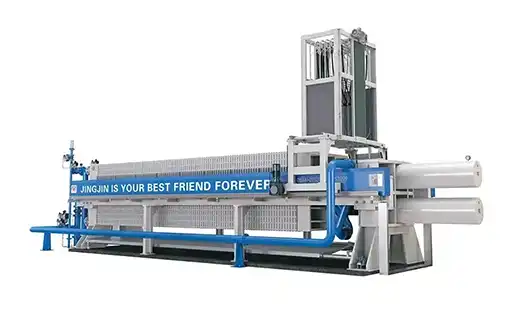
Top Maintenance Tips for Prolonging the Life of Your Industrial Filter Press

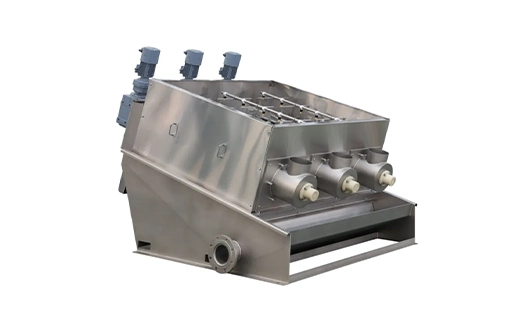
Why Vietnam Wastewater Plants Choose China Multi Disk Screw Press?
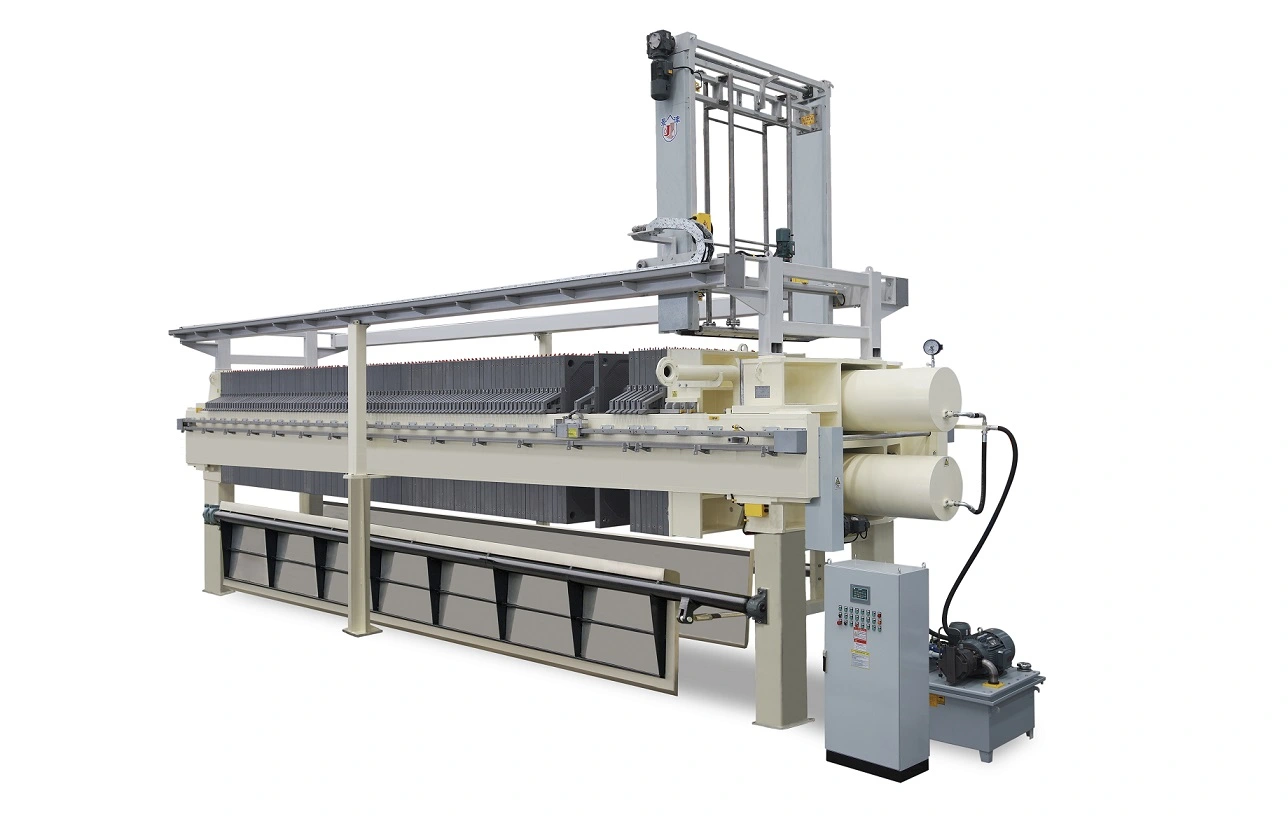
Why European Buyers Compare China vs Local Filter Press Suppliers?
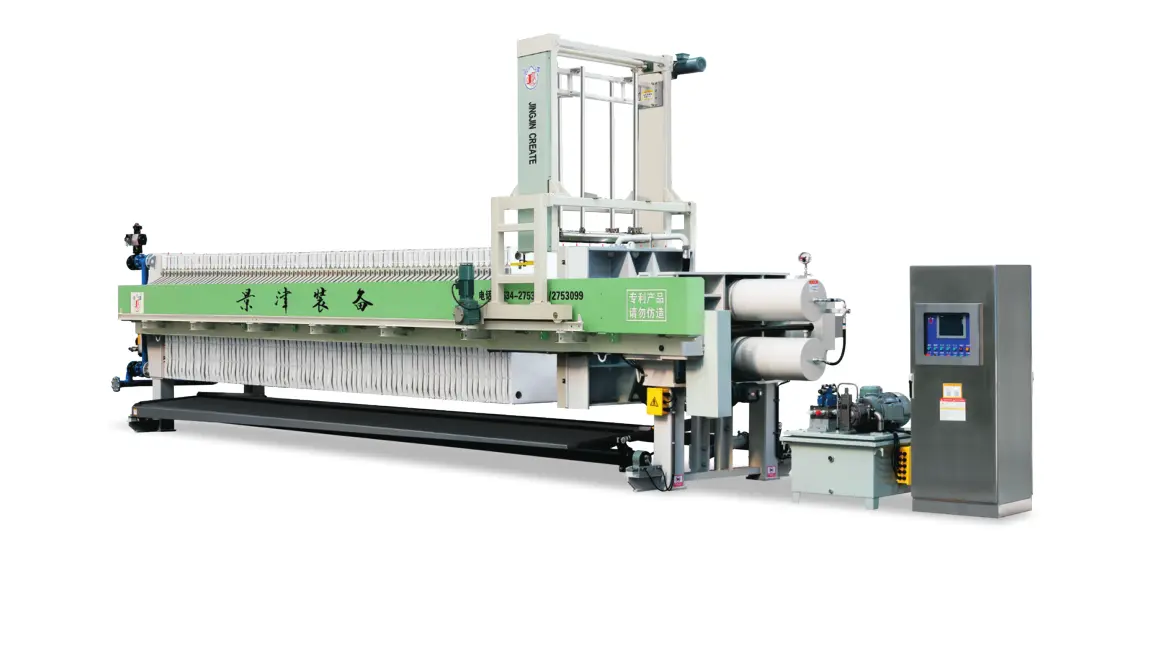
Cost-Effective Press Filter Solutions for Wastewater Treatment Plants
Energy Saving Multi Screw Sludge Press: How It Reduces Operational Costs
China Multi Disk Screw Press vs India: Cost & Performance 2026