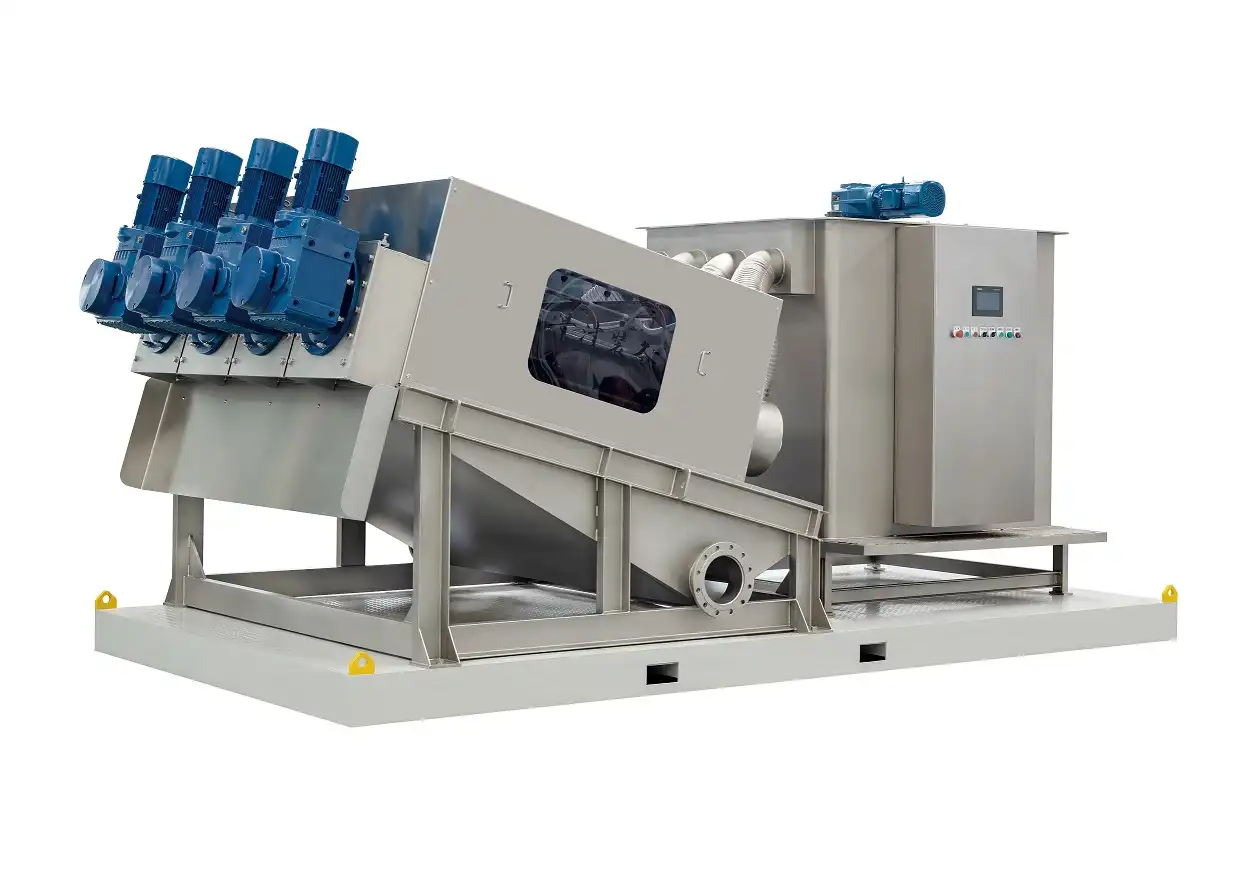
Best Membrane Squeeze Filter Press for Wastewater Plants
Understanding Membrane Squeeze Filter Press Technology
- Understanding Membrane Squeeze Filter Press Technology
- Comparing Membrane Squeeze Filter Presses with Other Filtration Technologies
- Essential Maintenance and Troubleshooting Tips to Maximize Filter Press Longevity
- Procurement Insights: Buying and Sourcing Membrane Squeeze Filter Presses
- Real-World Case Studies and Future Outlook for Membrane Squeeze Filter Presses
- Conclusion
- Frequently Asked Questions
- Partner with Jingjin for Your Next Membrane Squeeze Filter Press Solution
- References
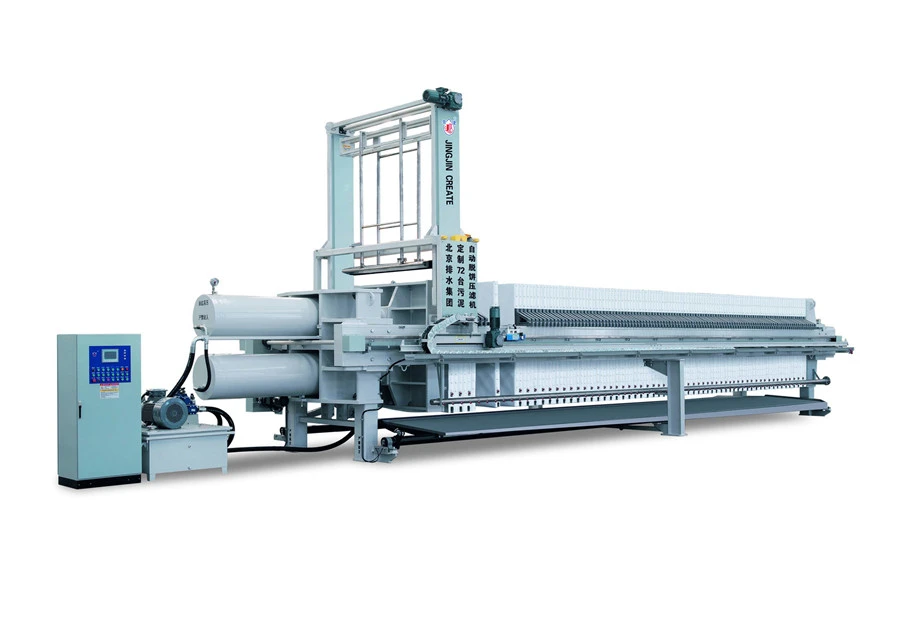
For wastewater facilities, buying specialists and site managers need a membrane squeeze filter press that extracts water effectively and cheaply. Because it uses both classic filtering and modern hydraulic membrane systems, the membrane squeeze filter press is great for solids-liquid separation. This advanced dewatering device uses stacked filter plates and membranes to optimize cake dryness, cycle time, and sludge processing.
Understanding Membrane Squeeze Filter Press Technology
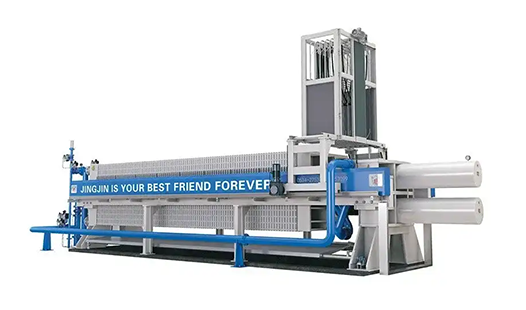
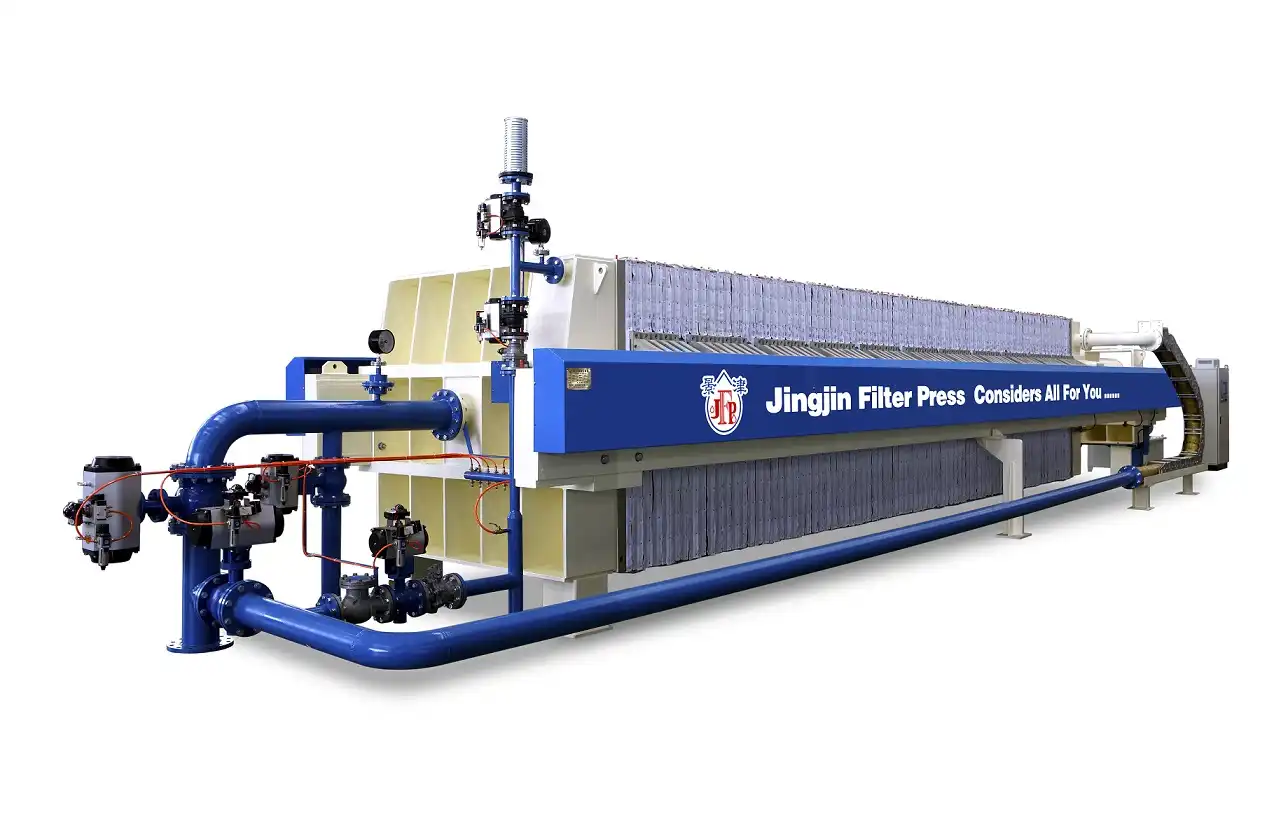
The membrane squeeze filter press improves solids-liquid separation. Standard plate-and-frame systems underpin it. The unique apparatus features several stacked filter plates or frames covered with filter cloths. These layers form chambers when pressed together. Fluid squeezed through filter cloths under pressure generates a cake or solid residue.
The dual-phase drying process characterizes membrane squeeze technology. Filtering begins with sludge entering the cracks between the filter plates and pressure forcing water through the filter cloth as particles build up as a filter cake. During the squeeze process, hydraulic membranes push on the cake. This is groundbreaking.
The cake is 5–10% drier after this second press since it eliminates water significantly. The membrane squeeze removes water from both sides of the cake, unlike previous procedures. Better dewatering reduces garbage and transportation costs and boosts efficiency.
Design improvements make membrane squeeze systems filter better. Plate moving automation saves work and maintains chamber uniformity. Modern control systems optimize working cycles by monitoring pressure, cycle length, and cake formation.
The best results need filter cloth selection. Sludge types may be woven using different patterns and materials by technical teams. The cake is simple to remove, and the cloth lasts longer. Rust-resistant materials enable these systems to tolerate harsh industrial wastewater treatment chemicals.
Membrane squeeze helps wastewater treatment plants. Stronger solids collection rates, sometimes over 99%, assure disposal compliance and resource recovery. Transportation and disposal costs are reduced by 20–30% with less cake moisture.
Optimized cycle lengths improve throughput capacity in existing areas, making this technology excellent for facility development. Municipal treatment plants manage sludge reliably and autonomously, saving staff.
Comparing Membrane Squeeze Filter Presses with Other Filtration Technologies
Industrial wastewater treatment plants use many dewatering processes for different purposes. Knowing these differences helps you choose wisely based on location and method.
Centrifugal dewatering equipment operates continuously and takes up minimal space, making it ideal for tiny locations. However, membrane squeeze methods generate 15–25% dry solids cakes compared to 18–22% for centrifuges. This variance considerably impacts removal costs and post-removal activities.
Systems use different quantities of energy. Contrary to centrifuges, membrane squeeze devices use energy momentarily during pressurization. Batch operation of membrane systems suits work schedules and allows for system repairs while not in use.
Comparing polymer amounts is crucial. Centrifuges separate materials with higher polymer dosages. However, membrane squeeze works effectively with a few substances. This difference reduces operating expenses and environmental impact.
Belt filter presses can operate continuously and handle large flow rates in major cities. Membrane squeeze creates cakes and eliminates moisture best. Unlike continuous belt methods, controlled pressure offers precise processing step optimization.
These tools require special care. Belt systems need frequent belt tracking, wash water maintenance, and roller replacement. Maintenance for membrane squeeze systems is done during breaks for better inspection and part replacement.
Operations and worker efficiency are affected by automation. Manual membrane squeeze devices are inexpensive but need skilled workers to maintain. Automatic Membrane Filter Press with Platform for Sludge Dewatering systems adjust cycle parameters utilizing programmable logic controllers and real-time input. This guarantees consistent results for all operators, regardless of competence.
Automatic systems that expand enable bigger places or enterprises to grow. Modern corporate practices emphasize efficiency and dependability, and automated controls enable remote monitoring and connectivity to plant-wide control systems.
Essential Maintenance and Troubleshooting Tips to Maximize Filter Press Longevity
Fixing equipment correctly impacts its dependability, cost, and longevity. Membrane squeeze systems need periodic maintenance on numerous important parts to avoid costly downtime.
Membrane, hydraulic system, and filter cloth stability should be checked regularly. Check a membrane for cuts, punctures, or wear that might limit its efficacy. Early membrane detection avoids chamber contamination and correctly distributes squeeze cycle pressure.
Pressure, leakage, and fluid purity must be monitored in hydraulic systems. Hydraulic fluid contamination harms sensitive components and shortens membrane life. Regular fluid analysis and filtering may avoid expensive part failure.
Examine the filter fabric for blindness, tears, and poor sealing after each cleaning. Cake releases and methods depend on the fabric and change. Keep detailed records on the cloth's performance to decide on replacement and compare specs.
Membrane squeeze devices need strict safety criteria due to pressure. Operators must release pressure and never fix under-pressure systems. Repairing, moving, or pressurized parts requires lockout/tagout. Safety glasses, gloves, and clothes are PPE. Chemical-exposure locations need emergency showers and eyewash.
Modern control systems automatically monitor pressure, include an emergency shutdown button, and prevent dangerous operations. Programmable logic controllers monitor system variables 24/7 and find errors faster than people. Expert specialists may detect issues without entering dangerous workplaces. This method is excellent for keeping people away from harmful or acidic materials.
Automated cycle optimization reduces operator equipment time. Reduces exposure and preserves performance. Based on operational data, these technologies adjust cycle settings for safety and efficiency.
Procurement Insights: Buying and Sourcing Membrane Squeeze Filter Presses
Know what the provider can do, what the project needs, and how to get long-term assistance before buying membrane squeeze systems. The complexity of these systems makes supplier selection increasingly important for project success and operating efficiency.
Famous manufacturers who have employed their products in wastewater may help initiatives flourish. Companies with several patents, manufacturing capabilities, and global service networks may support their products better. Assess vendors by visiting reference sites and comparing their performance to similar workplaces.
Technical capability studies assess engineering tools, customization, and testing sites. Small-scale testing tools allow suppliers to validate performance and improve system design before launch. In difficult situations or with special muck, this ability is useful. Certifications and quality control show a manufacturer's dependability. ISO, quality, and component tracking systems are used by professional toolmakers.
Membrane squeeze systems are costly and should be examined. Total cost of ownership includes equipment's initial price, operating expenditures, maintenance costs, and disposal savings. Many locations benefit from buying better instruments ahead.
Project planning requires lead periods, especially for innovative systems or buildings that must be commissioned quickly. Experienced vendors can estimate delivery schedules and spot concerns early on. Facilities planning many installations or cooperating may save money by ordering in bulk.
Financing and leasing help facilities manage capital costs and obtain cutting-edge technology. Performance guarantees or outcome-based contracts from certain vendors ensure that both sides are involved in business success, not just tool supply. Membrane plate filter press systems must often be customized for local needs. Suppliers with technical expertise may adjust designs to fit space, materials, or equipment.
Installation services range from equipment delivery to full installation with start-up help. Facilities should define installation roles and collaborate with suppliers, workers, and plant personnel.
Performance and operational success need training and professional help. All machine training should include normal operation, problem-solving, maintenance, and safety. Technical help is available 24/7 to resolve work concerns.
Real-World Case Studies and Future Outlook for Membrane Squeeze Filter Presses
Operating facility performance might reveal membrane squeeze technology pros and cons. Case studies show outcomes and help consumers prepare for specific reasons.
A Midwest 50-million-gallon-per-day wastewater treatment plant that switched to membrane squeeze had huge advantages. The factory lowered sludge disposal expenses by 35% by drying cake from 18% to 28% dry solids. Polymer use has reduced 20% yearly, saving the company money.
The automatic dewatering process minimized operator work since it wasn't monitored. Without belt tracking concerns and with fewer worn parts to replace, maintenance costs were reduced. The facility improved 98% in its first two years.
Membrane squeeze dewatered hard-to-dewater slurries at a waste pigment stream in the chemical industry. The method dried cakes to 45% dry solids, up from 32% with their centrifuge. The increase cut waste by 40% and eliminated heat drying.
Due to non-rusting materials and automatic cleaning, the system survived harsh chemical conditions. Integrating the process with the plant's control system improved upstream operations by filtering feedback.
The IoT improves membrane squeeze technology. Modern systems employ sensors to evaluate membrane health, forecast repairs, and regulate cycle parameters depending on sludge behavior. This technique eliminates unwanted downtime by planning maintenance.
Equipment suppliers may improve technical assistance and preventative maintenance using remote monitoring. Cloud-based data analytics improve site performance and compare it to business standards.
Environmental regulations promote modern dewatering technology. As dumping costs rise and discharge limits tighten, membrane squeeze devices' better performance becomes more desirable. Energy efficiency and automation will increase with future technology.
Conclusion
Wastewater purification membrane squeeze filter presses remove particles. Their better dewatering efficacy, decreased running costs, and higher dependability make them ideal for long-term usage. The approach works in urban and industrial settings, exhibiting its adaptability. Brand-name membrane squeeze systems help facilities comply with legislation and save money by draining effectively.
Frequently Asked Questions
1. How does membrane squeeze technology outperform traditional dewatering methods?
Dual-phase dehydration improves membrane squeeze systems. With a second compression after gravity and pressure, membrane squeeze eliminates cake moisture. Increases dry food content by 5–10%, decreasing waste and expenses.
2. What factors influence processing speed and throughput capacity?
Cake dryness, sludge characteristics, and system design affect processing speed. High-solids sludges take longer to process, but cycles last 2–4 hours. Room size and number influence work capacity. System sizes can cycle 100 cubic meters or more.
3. Can membrane squeeze systems handle different wastewater compositions?
Modern membrane squeeze systems handle various wastes. Adjust filter cloth, membrane materials, and cycle settings for city biosolids or factory chemical sludges. Corrosion-resistant materials can handle harsh chemicals.
4. What automation features are available for operational efficiency?
Advanced control systems automate cycle optimization, remote tracking, and maintenance planning. Programmable logic processors adjust pressure profiles, cycle timing, and cleaning algorithms based on real-time performance. Remote troubleshooting and efficiency improvement are possible with IoT.
5. How do maintenance requirements compare to other dewatering technologies?
So membrane squeeze systems only need maintenance at set intervals. Scheduled membrane inspection, hydraulic system service, and filter cloth replacement are maintenance. This strategy often lowers repair costs for 24/7 equipment.
Partner with Jingjin for Your Next Membrane Squeeze Filter Press Solution
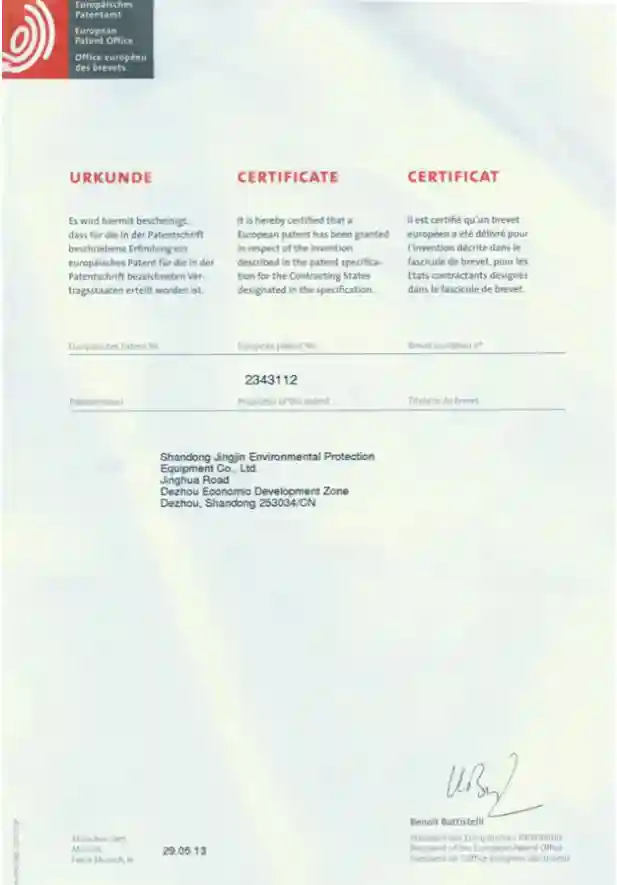
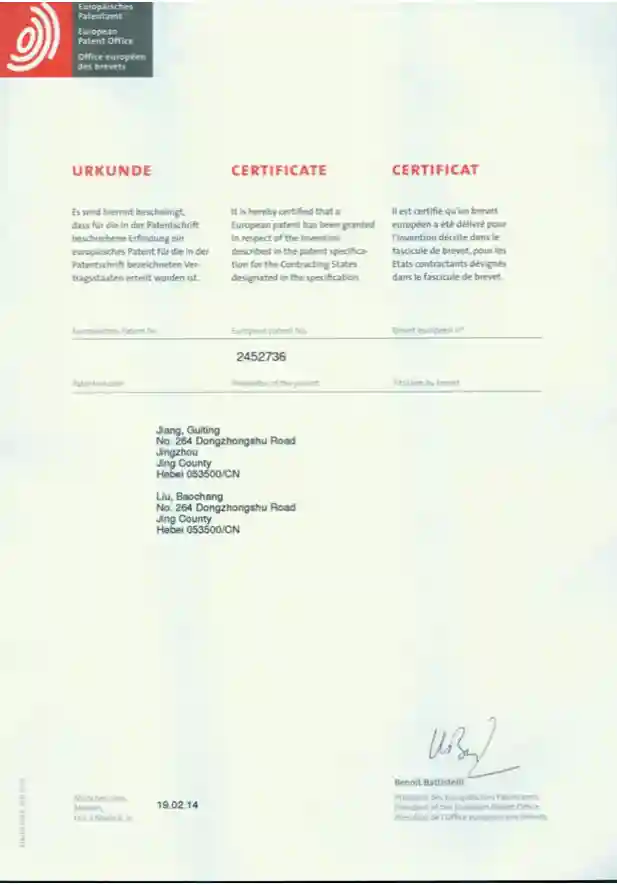
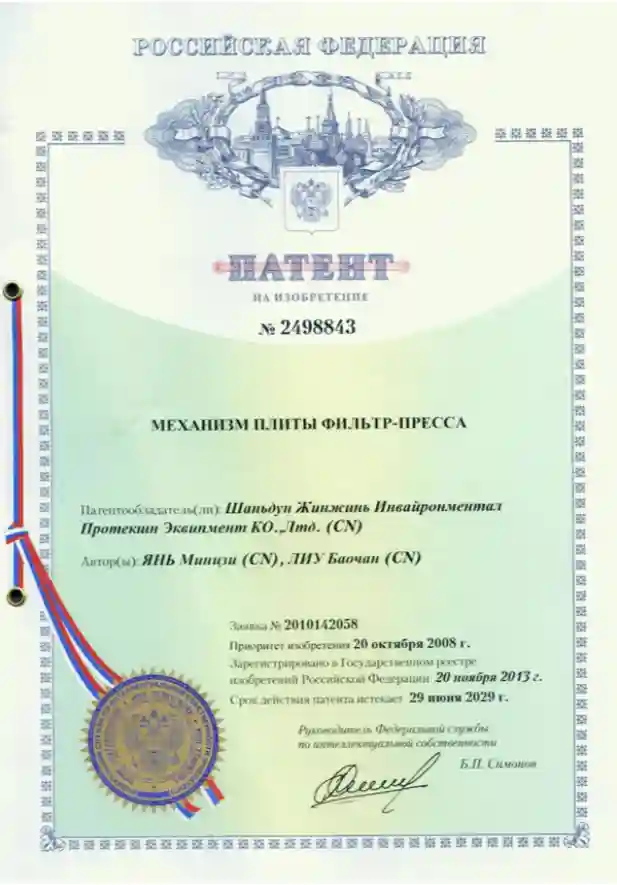
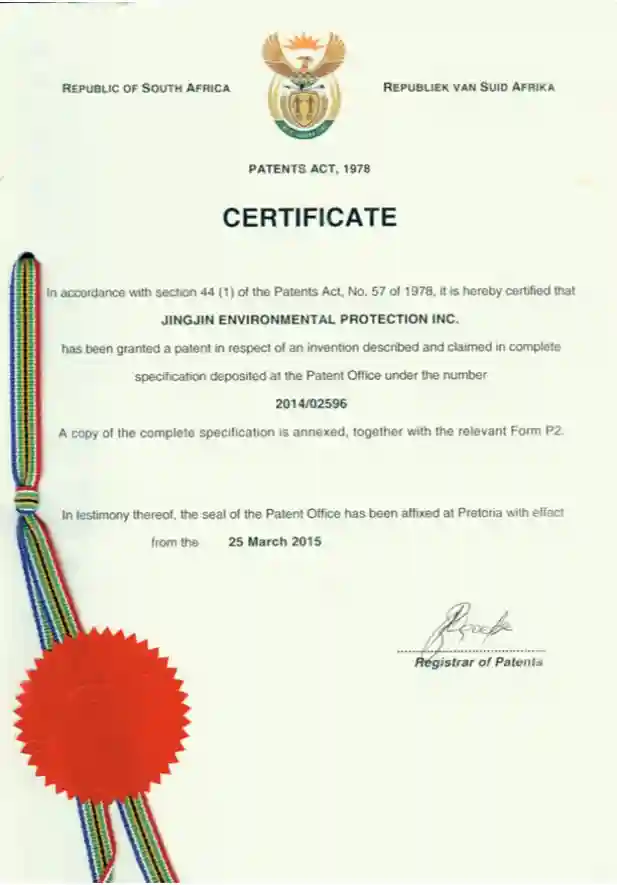
Choosing the right membrane squeeze filter press manufacturer affects long-term company success and investment optimization. Every Jingjin Equipment Inc. project incorporates 35 years of filtration expertise and 136 patents. This guarantees cutting-edge, proven technology. We provide tools, filter cloths, replacement parts, and professional support to maintain your systems. Discuss your dewatering issues with our engineering staff at [email protected] to learn how our membrane squeeze filter press systems can help you treat wastewater better, save money, and comply with standards.
References
1. Water Environment Federation. "Membrane Squeeze Filter Press Performance in Municipal Wastewater Treatment." Journal of Water Environment Technology, Vol. 45, No. 3, 2023.
2. American Society of Civil Engineers. "Comparative Analysis of Dewatering Technologies for Industrial Wastewater Treatment. "Environmental Engineering Practice Manual," 4th Edition, 2022.
3. International Water Association. "Advanced Solid-Liquid Separation Technologies: Performance and Economic Analysis." Water Science and Technology Bulletin, Vol. 78, Issue 12, 2023.
4. National Association of Clean Water Agencies. "Membrane Squeeze Technology Implementation Guide for Municipal Treatment Plants." Technical Report Series, Publication No. 2023-08.
5. Environmental Protection Agency. "Best Available Technology for Sludge Dewatering in Wastewater Treatment Facilities." EPA Technical Guidelines Document, 2022.
6. Process Engineering Magazine. "Innovations in Membrane Squeeze Filter Press Design for Industrial Applications." Special Industrial Filtration Issue, March 2023.
jingjin
Founded in 1988, Jingjin specializes in filter presses and liquid-solid separation solutions, serving over 130 countries worldwide, and is a standard-setter in China's filter press industry.
Get the Filter Press guide
Enter Your Email for Technical assistance for the Filter Press.

Recommended Blog
Feed Pump Flow Rate for Filter Press: How to Calculate and Optimize It
Where Indian EPC Contractors Buy Multi Disk Screw Press in China?
How to Clean and Replace Filter Press Cloths for Optimal Performance
Cost-Effective Filter Press Cloth Options for Wastewater Treatment
A Step-by-Step Guide to Maintaining and Replacing Filter Press Plates
Top 5 High Capacity Press Filters for Efficient Sludge Dewatering
How Jingjin Filter Press Enhances Wastewater Treatment and Sludge Dewatering
Integration of Press Pump and Filter Press Systems for Enhanced Performance