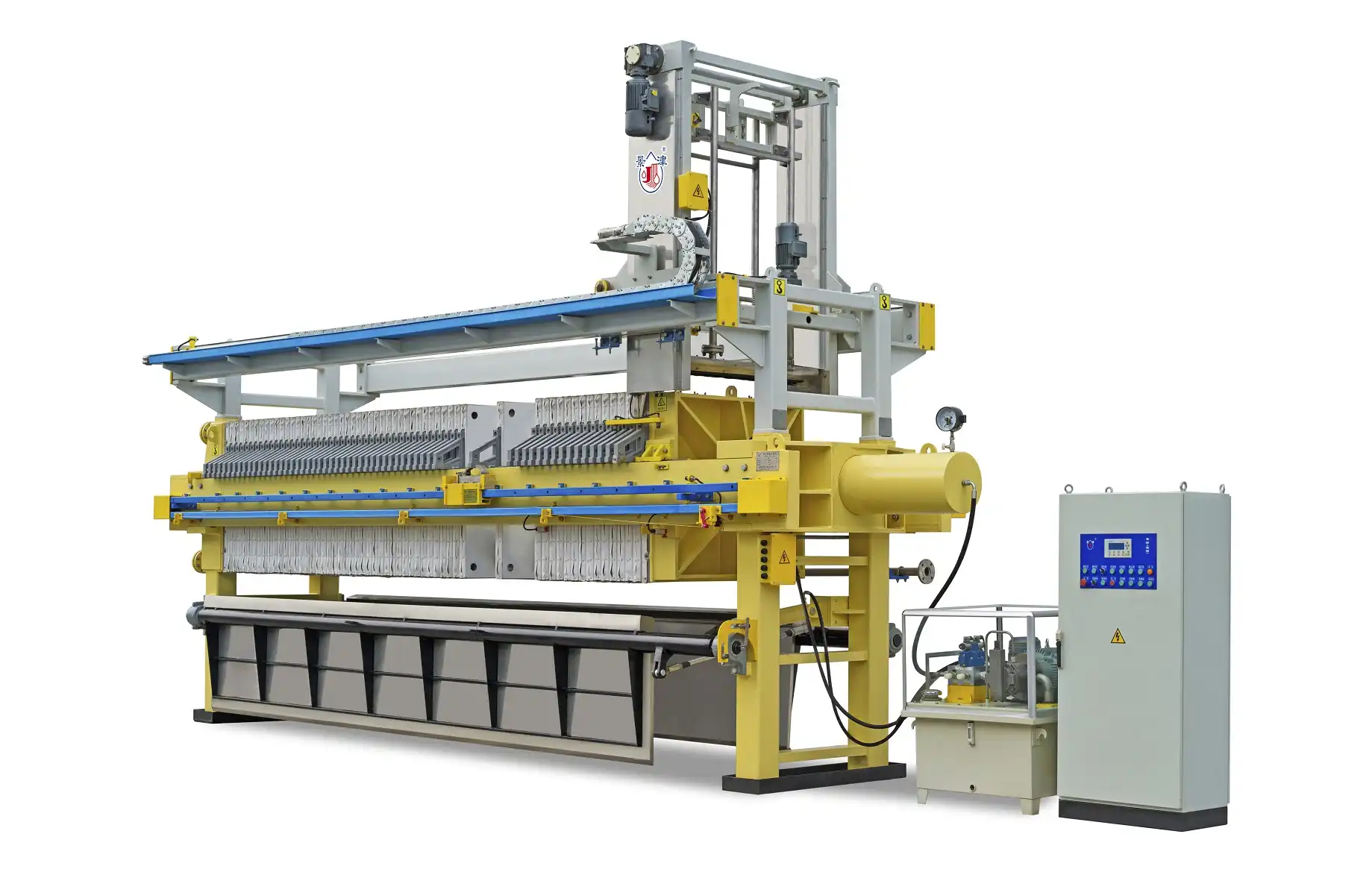
OEM Sludge Filter Press Machine Manufacturing
Understanding OEM Sludge Filter Press Machine Manufacturing
- Understanding OEM Sludge Filter Press Machine Manufacturing
- How to Choose the Right OEM Sludge Filter Press Machine for Your Application
- The Manufacturing Process and Quality Assurance of OEM Sludge Filter Press Machines
- Maintenance, Troubleshooting, and Optimization Tips for OEM Sludge Filter Press Machines
- OEM Partnerships and Procurement: Navigating Supplier Selection and Purchase Process
- Frequently Asked Questions
- Optimize Your Dewatering Operations with Jingjin Equipment
- References
OEM sludge filter press machine manufacture creates unique filtering equipment for processing solids and liquids in many industries. These devices dry wet sludge into a manageable cake using pressure-driven filters. This streamlines garbage and resource recovery. The OEM technique helps organizations create tailored solutions for wastewater treatment systems and chemical processing plants. Learning about the complicated design and manufacture of sludge filter press machines helps procurement professionals make wise solid-liquid separation process decisions that increase performance and minimize costs.
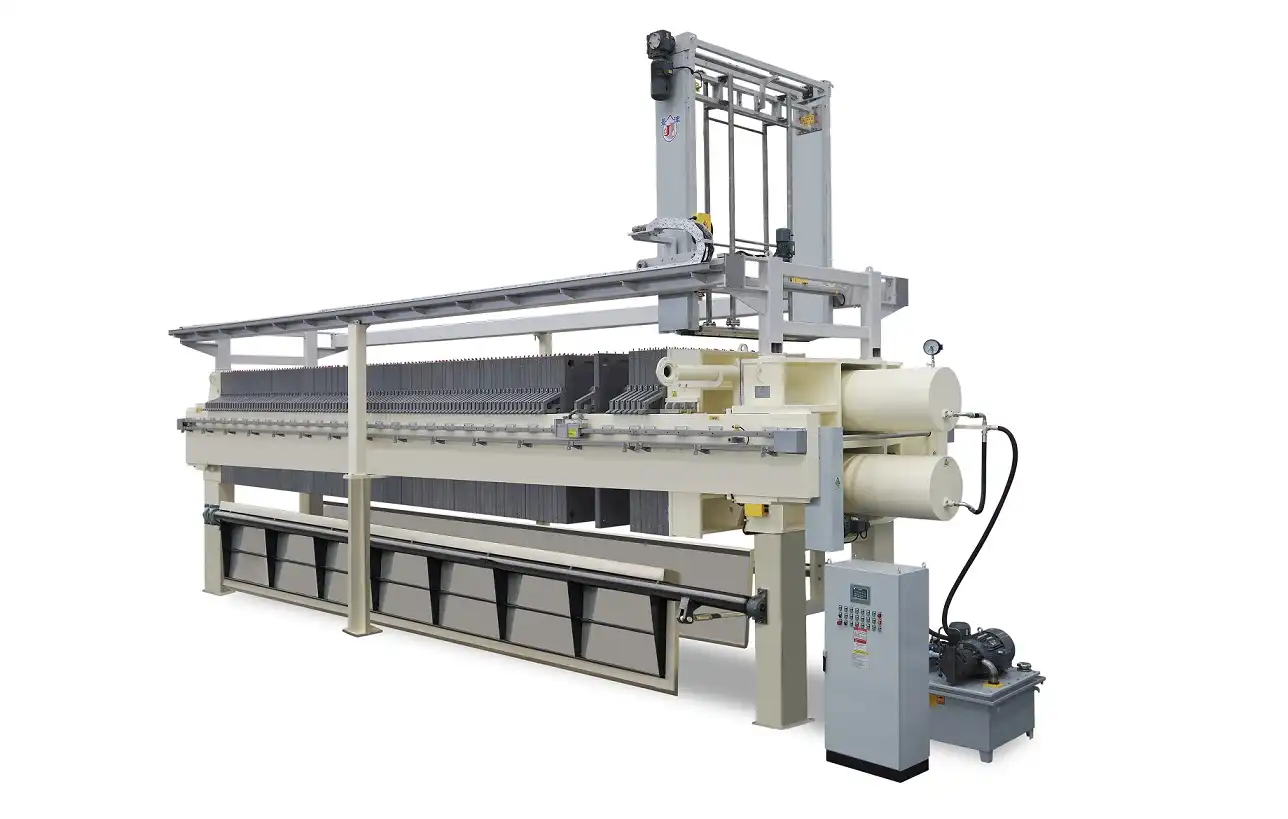
Understanding OEM Sludge Filter Press Machine Manufacturing
Industrial dewatering uses advanced filtration technologies to extract particles from liquids. These systems rely on pressure-driven filtration. Hydraulic force forces liquid through filter medium while holding solid particles. This procedure creates a concentrated filter cake that greatly reduces garbage volume and disposal expenses.
Operating Principles and Cake Formation
Slurry enters the machine via feed holes, starting the filtering cycle. Between 150 and 225 psi of hydraulic pressure, liquid flows through filter fabric, and particles accumulate between plates. This cake-making process continues until the correct quantity of dampness is lost, generally 15–25%.
Filling, filtering, washing, and discharging are automated. Current systems may accomplish rounds in 60–120 minutes, depending on the application.
Types of OEM Sludge Filter Presses
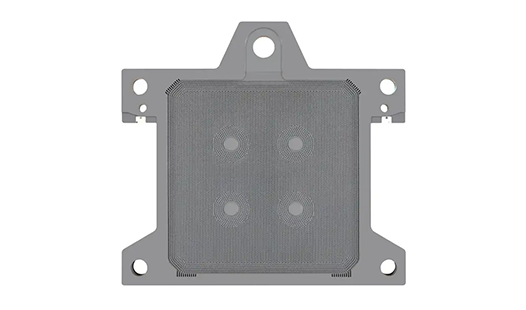
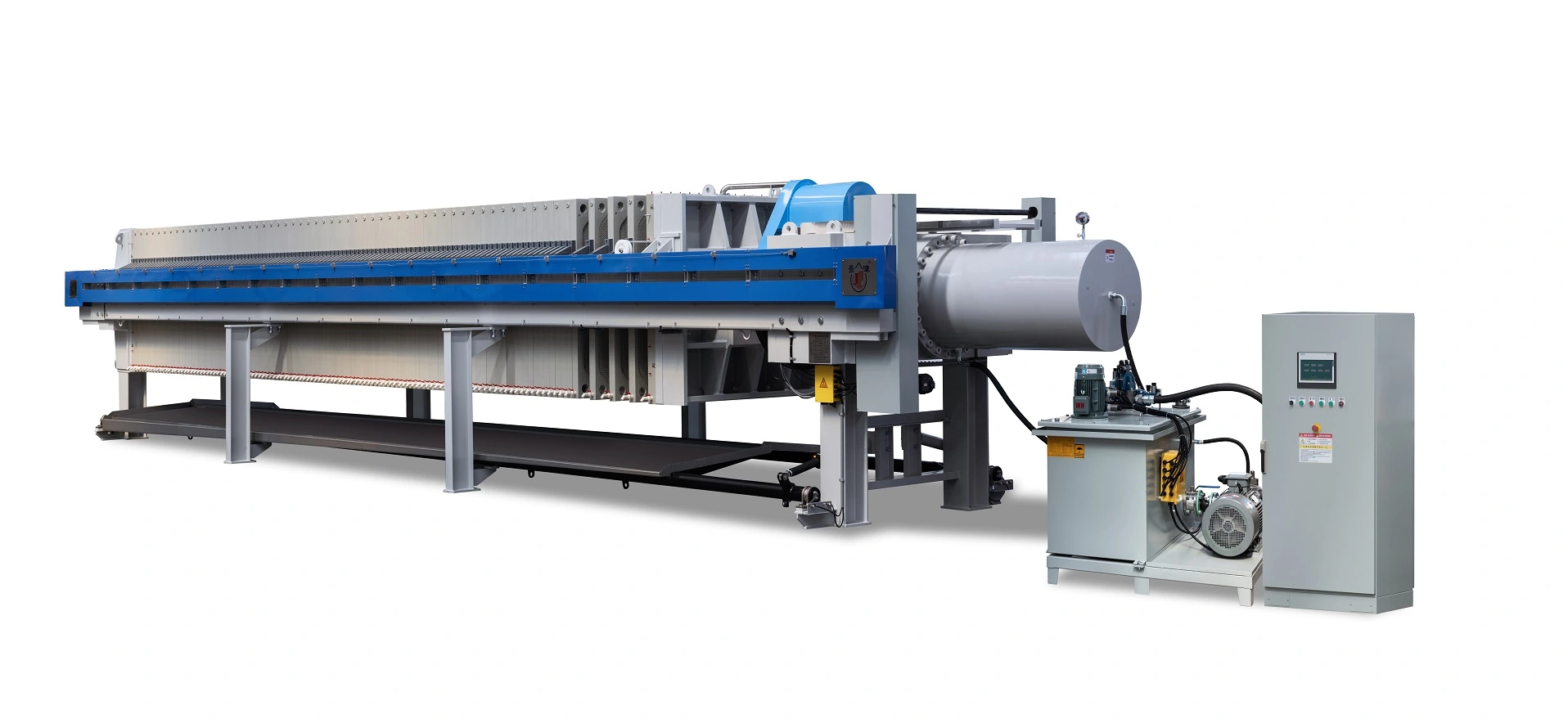
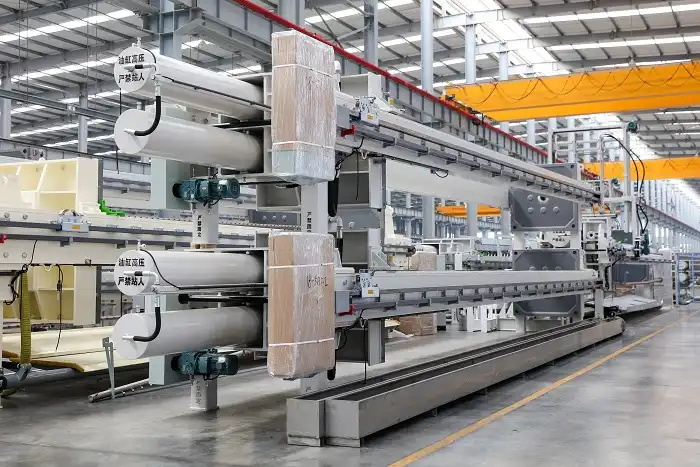
Because of its durability and efficiency, plate and frame filter presses are the most prevalent wastewater treatment equipment in cities. These devices' moving filter plates and frames create cake-forming gaps.
Recessed plate designs use fewer frames, making them more efficient. They filter effectively and take up less space. Membrane press technique uses inflatable diaphragms to increase ultimate compression pressure. It drains tougher materials better.
Essential Design Parameters
Systems with 10 to 2,000 square meters of effective screening surface affect work output. Plates vary from 630 mm to 2,000 mm, with larger plates saving money for high-volume work.
Feed type, automation, and cake dryness determine cycle time optimization. Modern OEM systems employ variable speed drives and programmable logic controllers to boost production and quality.
How to Choose the Right OEM Sludge Filter Press Machine for Your Application
Selecting sludge filter press machine tools requires careful consideration of several technical and practical considerations. Buying teams may simplify complex decision-making and optimize equipment performance using the organized strategy below.
Critical Selection Criteria
Tool selection depends on capacity. Modern systems may generate 1–100 tons daily. Power consumption patterns affect energy economy. Most machines need 2.2 kW base power and flexible driving systems. Long-term running expenses depend on maintenance ease. This makes modular designs with accessible pieces more useful.
Food processing facilities must examine feed contents, particle size, and chemical makeup. These factors influence filter media, plate arrangement, and automation. Temperature and pH affect material compatibility and equipment lifespan.
Technology Comparison and Trade-offs
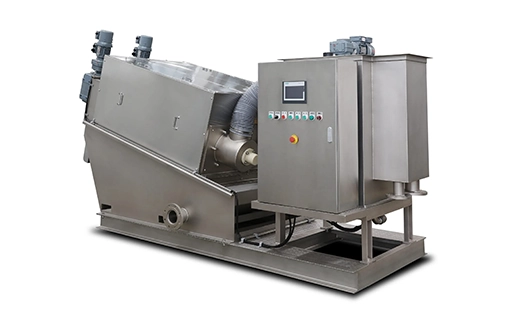
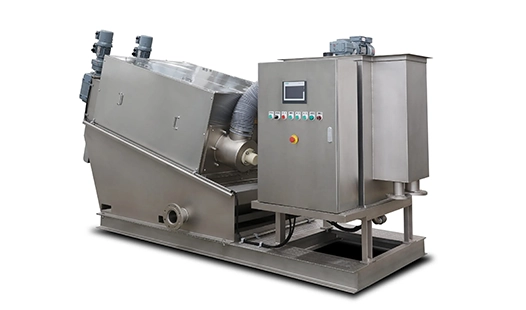
Belt presses can run 24/7, although their cakes are less dry than batch filter presses'. Centrifuges are fast yet energy-intensive and need expert personnel. Screw presses are good for operations with a constant feed but not for tasks with a changing garbage stream.
These characteristics make filter press technology a solid option for most industries. These techniques dry cakes better than others, reducing moisture by 5–10%. Operating expenses are steady since there are few moving parts and maintenance is simple. Automation lets machines operate unsupervised and maintains product quality. All of these features satisfy process engineers seeking reliable and affordable draining choices.
OEM Customization Benefits and Selection Checklist
Custom engineering allows organizations to optimize their goods for specific needs, improving speed and reliability. Customized solutions fulfill space, utility, or environmental constraints that standard tools can't. You may use stainless steel or special coatings for corrosive situations.
Procurement teams should evaluate the seller's expertise, customization choices, and after-sales support. The detailed technical documentation indicates how complex the manufacturing process is, and approval ensures regulatory compliance. Project planning must be made ahead of time since custom equipment has 35–60-day wait periods.
The Manufacturing Process and Quality Assurance of OEM Sludge Filter Press Machines
Modern OEMs combine modern materials science and precision engineering to build durable, effective cleaning equipment. Knowing how items are manufactured helps buyers appreciate quality-focused suppliers.
Premium Materials and Component Sourcing
Industrial sludge filter press machines use high-grade steel with tensile strengths of 400 MPa to withstand repeated pressure cycles. Hydraulic parts feature precision-polished surfaces and long-lasting seals. Filter media includes polypropylene, polyester, and synthetic textiles that retain particles and prevent chemicals.
Important pieces are extensively tested before assembly. Pressure is applied to hydraulic cylinders, and filter plate measurements are evaluated. Component supplier quality approvals monitor the supply chain and maintain performance.
Manufacturing Workflow and Production Techniques
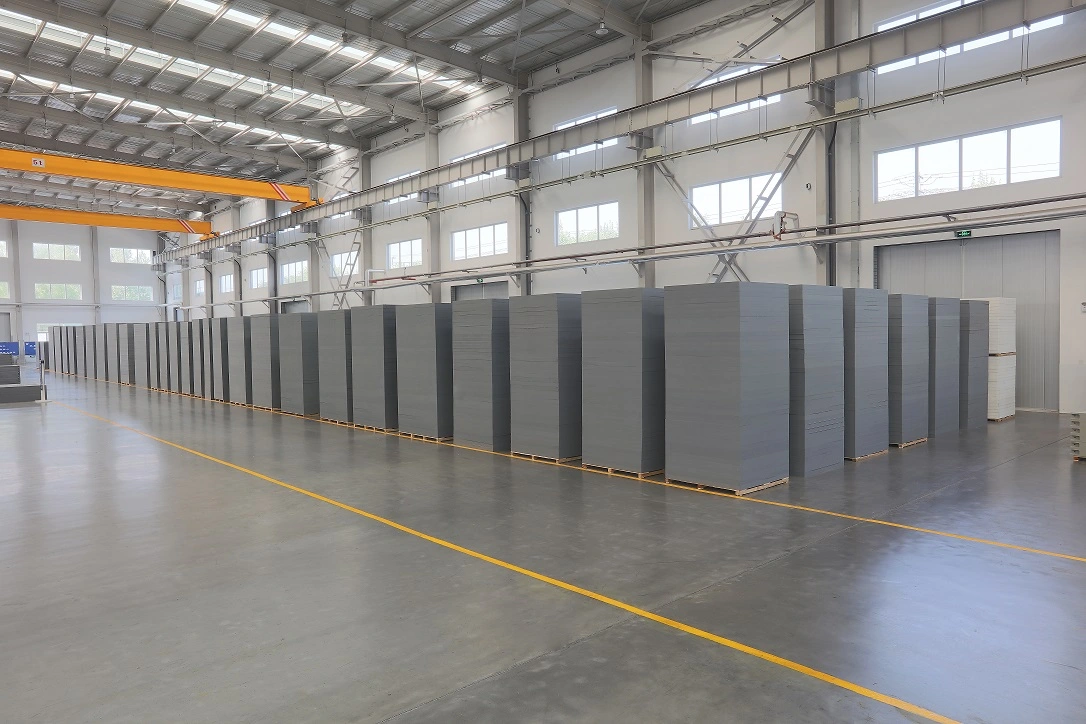
First comes computer-aided design optimization. Finite element analysis ensures the structure can withstand operating loads. Precision cutting centers make filter plate sides within 0.5 mm flat, ensuring proper sealing and cake flow. Robotic welding techniques provide sturdy, well-penetrated structural sections.
Building is done by following written instructions and checking quality at every stage. When testing a hydraulic system, calibrated tools locate leaks and modify pressure. Working tests of electrical control systems simulate real-world operations before the final examination.
Quality Control Measures and Certifications
ISO 9001:2008 accreditation indicates your commitment to quality management and development. CE certification ensures product safety in Europe. Additional certifications may include ASME pressure tank requirements and corporate clearances.
Each final device is tested extensively before leaving the facility. Tests include automated cycle verification and performance validation. Information packages contain user instructions, spare parts lists, and maintenance plans for long-term reliability. Final inspection reports prove quality before shipping.
Maintenance, Troubleshooting, and Optimization Tips for OEM Sludge Filter Press Machines
For dewatering systems to work perfectly, they need regular maintenance plans and a methodical approach to improving performance. Regular repair keeps equipment valuable throughout its useful life and stops expensive breaks.
Preventive Maintenance Best Practices
Checking the amount of hydraulic fluid, the state of the filter cloth, and the cycle time should all be part of daily inspections. As part of weekly maintenance, feed lines are cleaned, sealing surfaces are inspected, and the function of the robotic system is checked. Every month, tasks like replacing the hydraulic filter, greasing the bearings, and fixing the electrical connections are done.
When to change the filter cloth depends on how it is being used, but it's usually every 6 to 18 months. Adjusting the cloth's tightness makes sure that it seals properly and stops it from wearing out too quickly. Annual fluid changes and seal replacements based on working hours and pressure cycles are part of hydraulic system upkeep.
Common Performance Issues and Troubleshooting
Too long of cycle times is usually a sign of old filter media or bad feed conditioning. If there isn't enough pressure, the spin time is too short, or the cloth is blinded, the cake may become wetter. Poor cake release is usually caused by not washing the cake well enough or choosing the wrong cloth.
Changes in hydraulic pressure could mean that the seals are wearing out or that there are problems with the accumulator. Electrical control problems could be caused by sensor tuning or parameter shift in code. Systematic troubleshooting methods help workers quickly find the root causes, which keeps production from stopping.
Efficiency Optimization Strategies
Key factors, such as cycle times, cake moisture content, and energy use, are tracked by performance tracking tools. By analyzing the data, you can find ways to improve things like the pressure curve or the feed conditioning. Updates to software may include better ways to automate tasks or make diagnostics easier.
Upgrading parts can make tools last longer and work better at the same time. These days, automation packages come with features like remote tracking and repair planning. Performance reviews with OEM technical help on a regular basis make sure that the best setup is used for changing working conditions.
OEM Partnerships and Procurement: Navigating Supplier Selection and Purchase Process
To buy industrial sludge filter press machines successfully, you need to carefully evaluate suppliers and follow organized buying processes. When buyers know about their competitors, they can find partners who can provide long-term value.
Leading OEM Manufacturers and Market Landscape
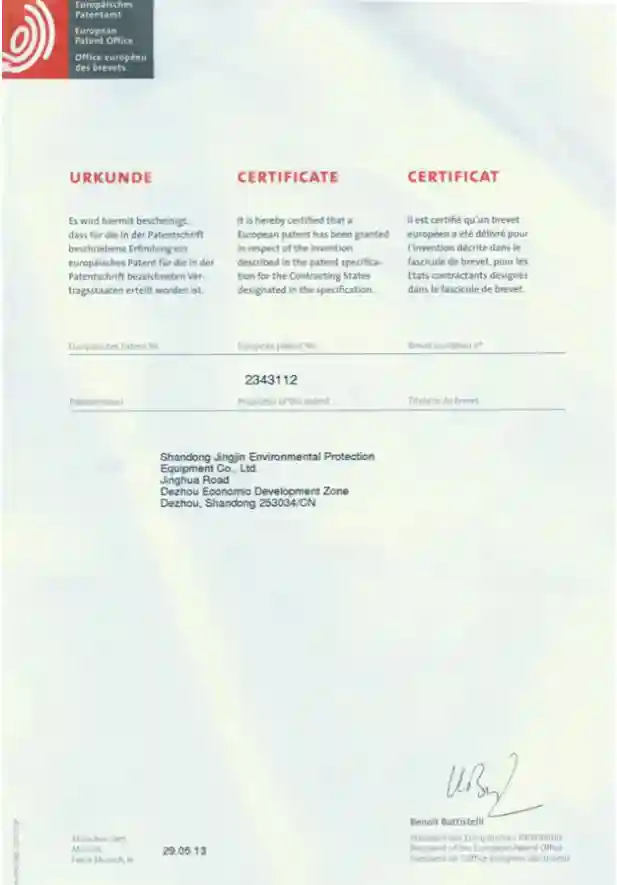
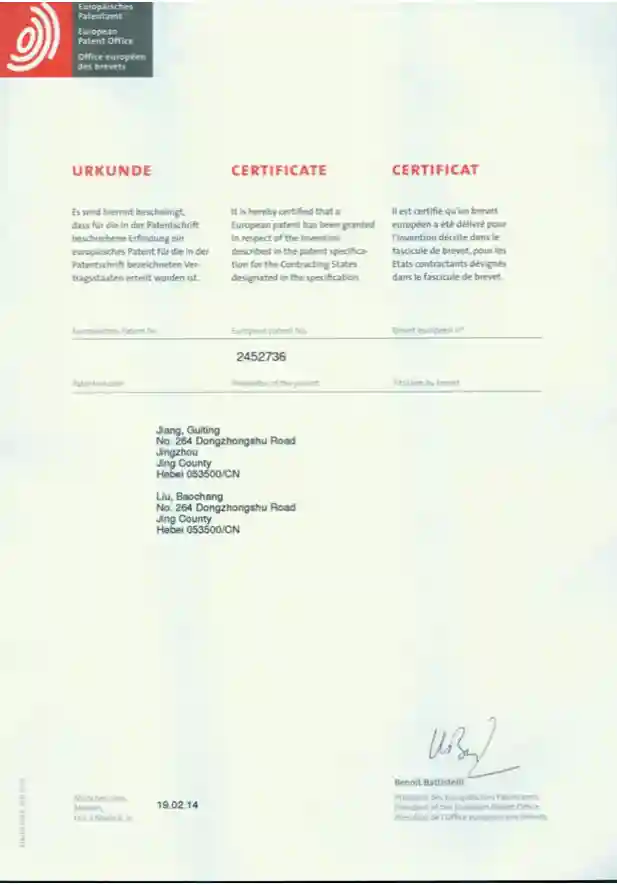
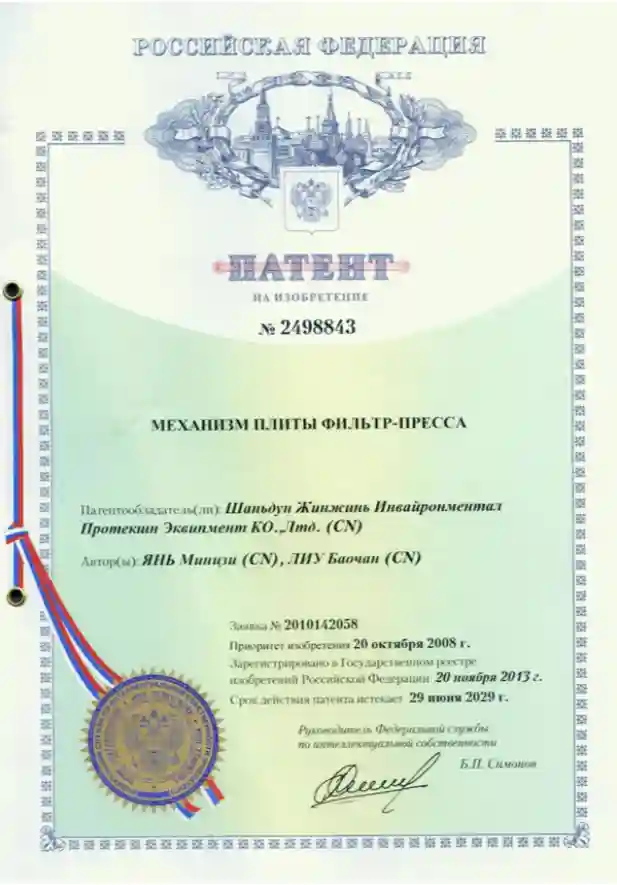
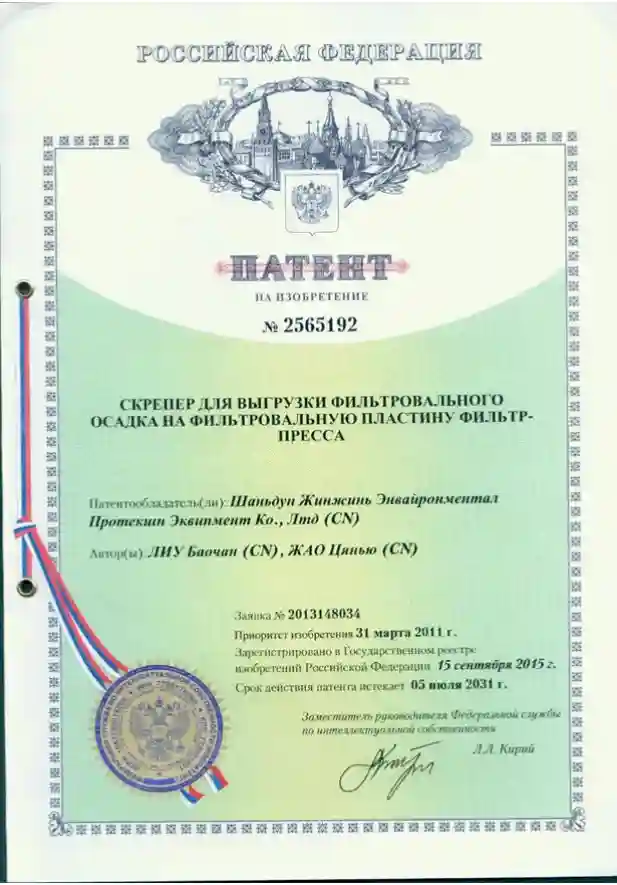
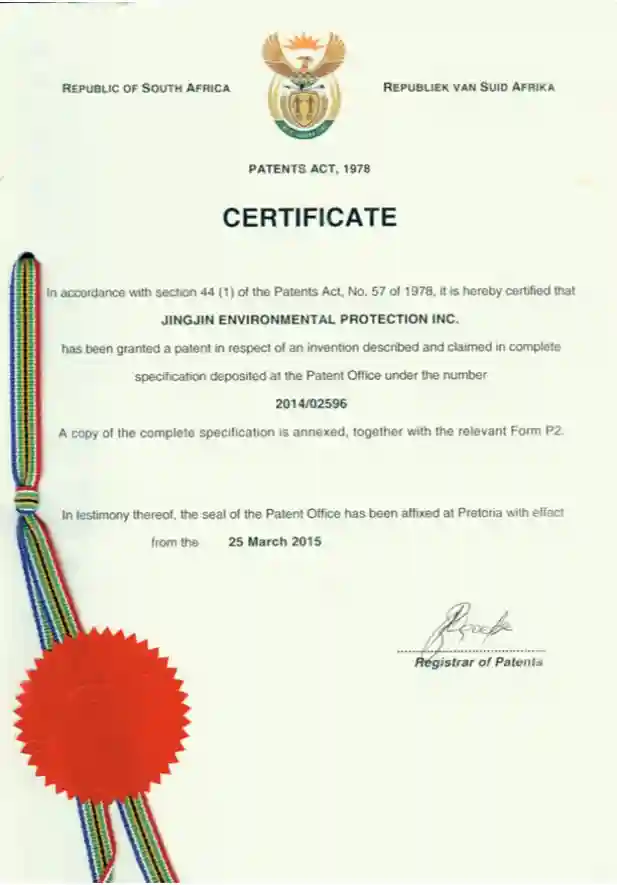
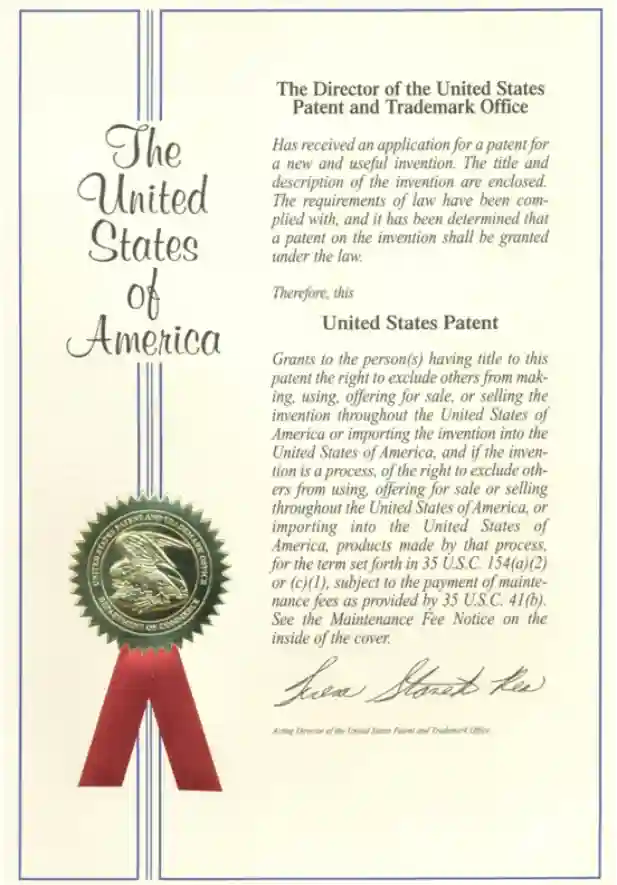
Well-known brands usually have a wide range of products that can be used in many different businesses. A company's past and patent portfolio show how advanced its technology is and how well it can come up with new ideas. Global service networks make sure that help is always available, no matter where the system is located.
Regional manufacturers may be able to offer lower prices and faster shipping times, but they may not have the full support system that is needed. Manufacturing capacity, quality certifications, and customer examples from similar uses should all be used as evaluation factors.
Pricing Structures and Cost Estimation
The price of equipment depends on how customized it is, what materials are needed, and how quickly it needs to be delivered. Standard features are usually included in the base price, but special materials or automation packages cost extra. Installation and testing services can cost anywhere from 10 to 20 percent of the cost of the tools.
Some things that affect operating costs are how much energy is used, how often repair needs to be done, and how often consumables need to be replaced. The initial purchase price, the cost of installation, and the expected running costs over the equipment's lifetime should all be included in the total cost of ownership figure.
Supplier Reliability Assessment and Risk Mitigation
The level of technical paperwork shows how skilled and careful an engineer is. Audits of manufacturing facilities show how well quality systems work and how much can be made. Customer references are a great way to find out how well equipment works and how quick a company is.
Warranty coverage usually lasts between 12 and 24 months after the product is put into service, and longer service agreements are available. Having spare parts on hand reduces the chance of failure throughout the life of the equipment. Training programs help workers get the most out of their tools while still following safety rules.
Frequently Asked Questions
1. What factors influence sludge filter press machine capacity?
Filtration capacity is affected by several factors, such as the percentage of solids in the feed, the spread of particle sizes, and the desired cleanliness of the cake. Filtration area and working pressure have a direct effect on output. Cycle time optimization, on the other hand, finds the best mix between capacity and cake quality. Adding polymers to feed or other methods that prepare the feed can greatly speed up the processing rate.
2. How do OEM machines differ from standard filter press models?
Original Equipment Manufacturer (OEM) sludge filter press machines have changes made by customers to meet their individual operating needs. Customization choices include using special materials for harsh conditions, changing the way automation works, and connecting to plant systems that are already in place. Standard types have been shown to work, but they might not be the best choice for some uses.
3. What are the energy consumption differences between various technologies?
Most filter presses use between 15 and 25 kWh per ton of treated sludge, mostly for hydraulic pumps and automation. Because they need to spin very quickly, centrifuges usually need 40 to 60 kWh per ton. Belt presses are in the middle of these groups, but they may need more energy to clean the belt and get the polymer ready.
Optimize Your Dewatering Operations with Jingjin Equipment
Are you ready to improve the draining efficiency of your building with tried-and-true OEM technology? Jingjin Equipment uses its many years of experience making things along with cutting-edge tech to create custom solutions that fit your exact operating needs. Our experienced team works directly with building managers and buying professionals to make sure that the best equipment is chosen and that it fits in perfectly. You can talk to our technical experts about your project needs and get a full price from a top sludge filter press machine manufacturer by emailing [email protected].
References
1. Chen, William. Industrial Filtration Technology: Principles and Applications in Wastewater Treatment. McGraw-Hill Professional Engineering, 2019.
2. Rodriguez, Maria Elena. "Comparative Analysis of Dewatering Technologies in Municipal Wastewater Treatment." Journal of Environmental Engineering, vol. 145, no. 8, 2019.
3. Thompson, Robert J. Solid-Liquid Separation Equipment Design and Operation. Chemical Engineering Press, 2020.
4. International Water Association. "Best Practices in Sludge Dewatering: A Technical Guide for Plant Operators." IWA Publishing, 2021.
5. Kumar, Ashish, and Sarah Mitchell. "Energy Efficiency Optimization in Filter Press Operations." Industrial Water Treatment, vol. 38, no. 12, 2020.
6. European Commission. "Technical Reference Document on Best Available Techniques for Common Waste Water and Waste Gas Treatment Systems." EU Publications Office, 2018.
jingjin
Founded in 1988, Jingjin specializes in filter presses and liquid-solid separation solutions, serving over 130 countries worldwide, and is a standard-setter in China's filter press industry.
Get the Filter Press guide
Enter Your Email for Technical assistance for the Filter Press.
Recommended Blog
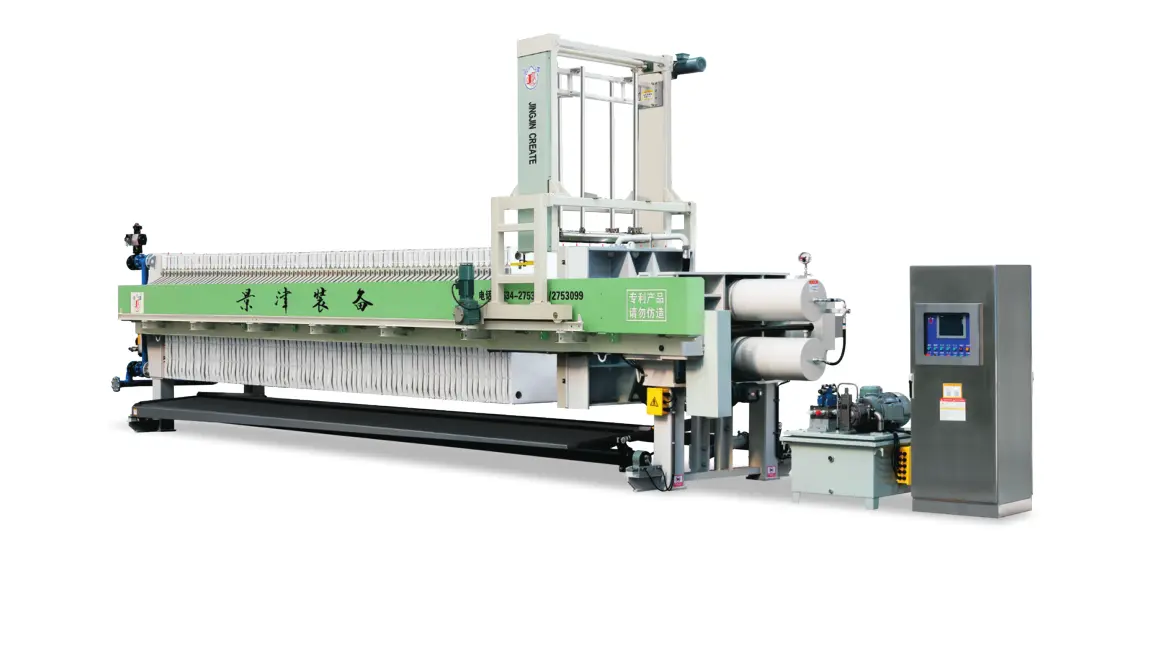
Cost-Effective Press Filter Solutions for Wastewater Treatment Plants
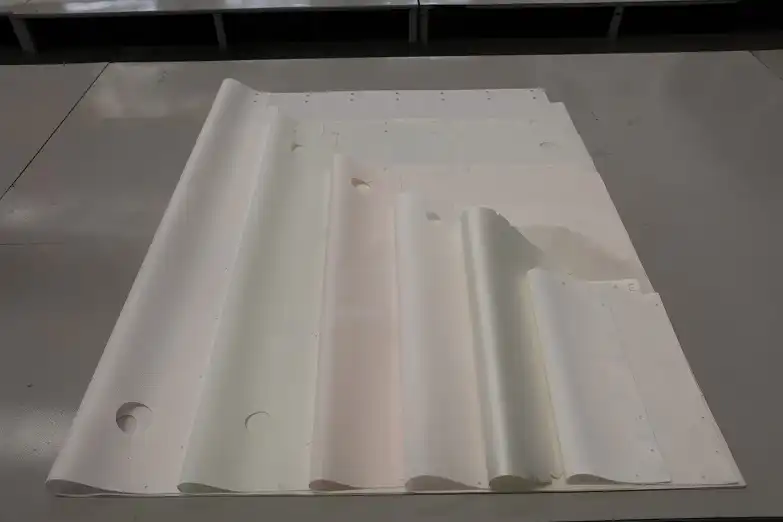
How to Clean and Replace Filter Press Cloths for Optimal Performance
China Screw Dewatering Machines for Asia Infrastructure Projects
Understanding Jingjin Filter Press Parts and Accessories: What You Need to Know
Best China Screw Press Dewatering Machine for Mexico Buyers
Integration of Press Pump and Filter Press Systems for Enhanced Performance