Industrial Filter Press Cost in China vs Europe
Understanding Industrial Filter Press Machines and Their Cost Drivers
- Understanding Industrial Filter Press Machines and Their Cost Drivers
- Comparative Analysis of Filter Press Machine Costs: China vs Europe
- Selecting the Right Filter Press for Your Industry and Budget
- Practical Tips for Procurement and Maintenance to Optimize Investment
- Company Introduction and Our Filter Press Solutions
- Conclusion
- FAQ
- Partner with Jingjin for Your Filter Press Procurement Needs
- References
Price differences for industrial filter presses between China and Europe are a big problem for buying managers because they can have a big effect on project budgets. China's filter press machine makers usually offer solutions at 40–60% lower prices than their European counterparts. On the other hand, strict quality certifications and improved automation help European providers charge higher prices. Understanding how these costs change over time helps industrial buyers make smart choices that balance budget constraints with practical needs in areas like chemical processing, wastewater treatment, and mining.
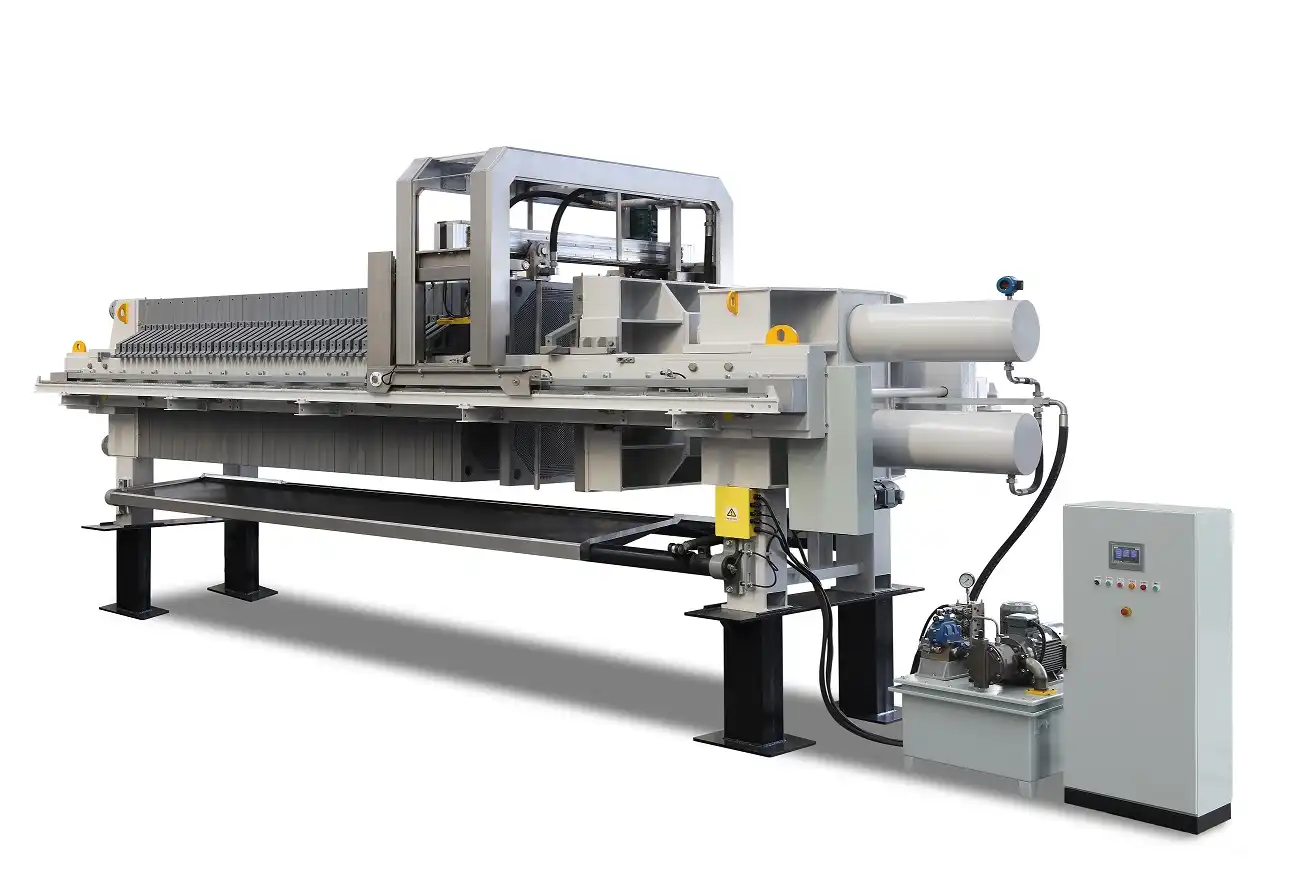
Understanding Industrial Filter Press Machines and Their Cost Drivers
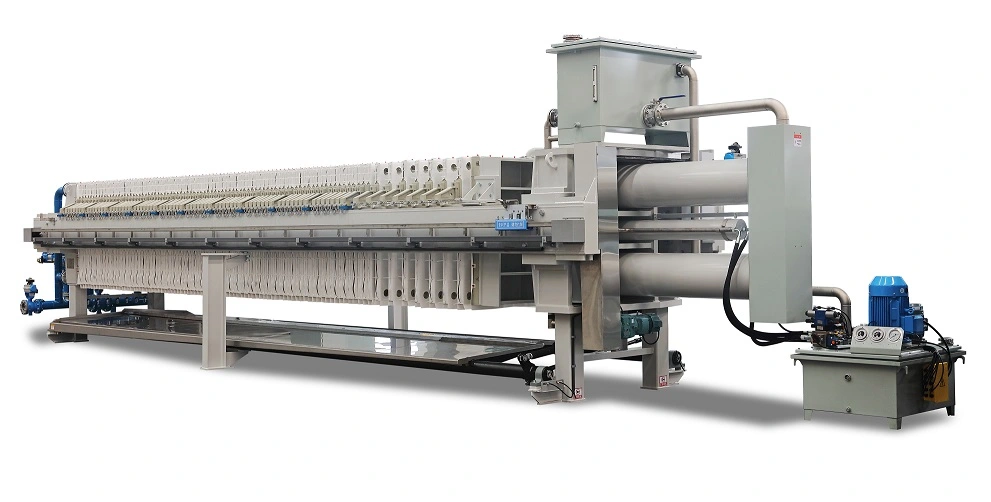
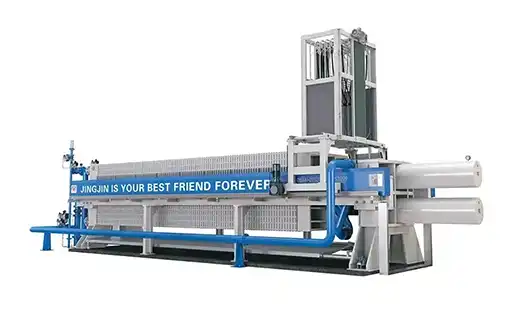
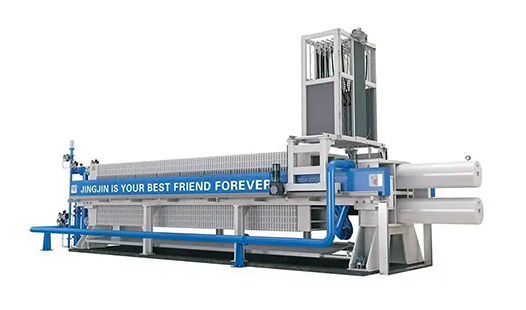
Industrial filter presses represent sophisticated mechanical devices designed for efficient solid-liquid separation across diverse industrial applications. These systems operate through a series of stacked filter plates alternating with specialized filter cloths, creating chambers that facilitate separation under controlled pressure conditions.
Core Components and Working Principles
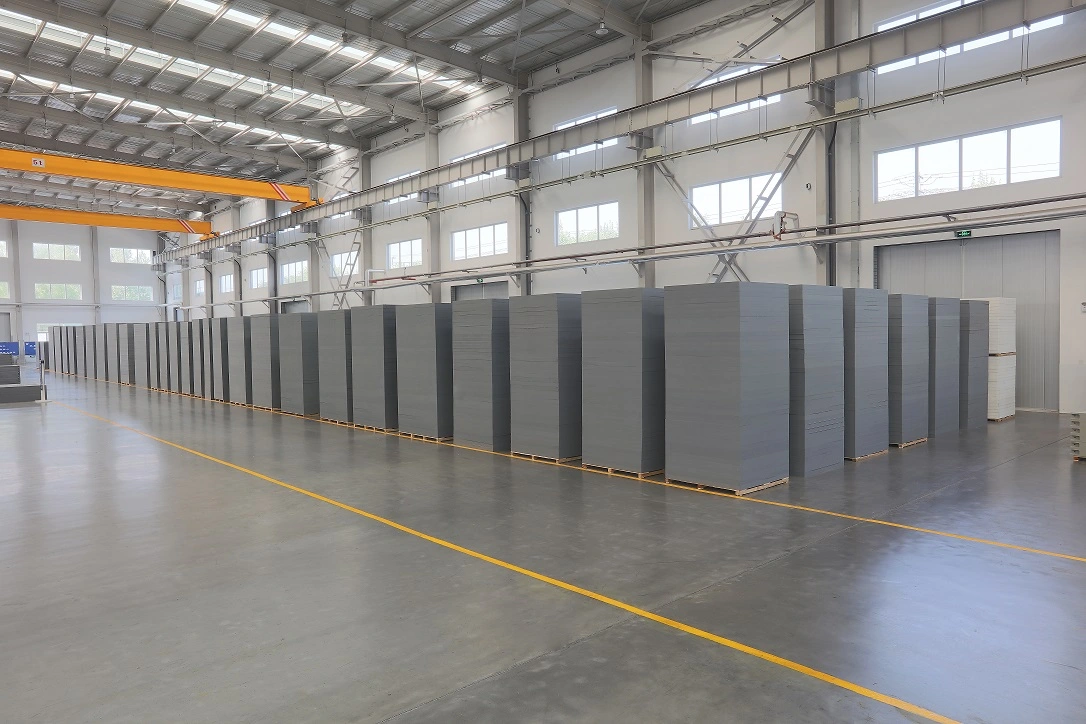
There are a few important parts in the basic form of a filter press that have a direct effect on pricing patterns. Filter plates are the main part of the system. They can be made of plastic, stainless steel, or another material that works well for the job. The hydraulic system gives the pressure needed for separation to work well, and the filter cloths determine how well the separation works and how well the cake forms.
When the machine is running, pressured liquid runs through filter press machine cloths, leaving behind solid deposits that form cakes on the cloth's surface. This method successfully removes water from slurries, makes process liquids clearer, and gets useful materials back from trash streams. How well this sorting process works rests a lot on the quality of the parts and how well the system is designed.
Primary Cost Influencers
Different production areas have very different filter press machine prices because of a number of important factors. The level of difficulty in the design is very important, and automatic systems cost more than human ones. Choosing the right material affects both the cost of production and how long it will last, especially in places that are corrosive, like those found in chemical processes and mining.
The amount of automation is another big cost driver. Basic manual systems need a lot of work, but they require less capital investment. Fully automatic systems, on the other hand, lower operating costs by making things more efficient and reducing the need for labor. European makers often put a lot of emphasis on advanced automation features. This can make the original price higher, but the total cost of ownership may be lower in the long run.
Manufacturing standards and quality control procedures change a lot from one area to the next. This has a direct effect on how reliable parts are and how long systems last. European manufacturers usually follow strict rules for CE marking and ISO quality standards. On the other hand, Chinese manufacturers are adopting more and more foreign quality standards to compete in global markets.
Comparative Analysis of Filter Press Machine Costs: China vs Europe
The pricing landscape for industrial filtration equipment reveals substantial differences between Chinese and European manufacturers, reflecting varying approaches to manufacturing, quality control, and market positioning strategies.
Price Range Analysis
Chinese companies that make filter press machines usually have cheap pricing that draws buyers who want to save money. Standard recessed plate filter presses from Chinese manufacturers can cost anywhere from $15,000 to $80,000 for medium-sized systems, based on the features and amount of automation. In most cases, these systems are a great deal for uses where high accuracy and resistance to harsh chemicals are not the most important factors.
European companies sell their goods to high-end customers, and similar systems cost between $40,000 and $150,000. This higher price is due to improved engineering, better materials, full automation, and strict quality control methods. Precision engineering and long-term dependability are two things that German and Italian makers stress a lot in their value offerings.
Manufacturing Standards and Quality Variations
Quality control approaches differ significantly between regions, influencing both pricing and performance characteristics. European manufacturers implement comprehensive testing protocols throughout production cycles, including extensive material testing, dimensional accuracy verification, and performance validation under various operating conditions.
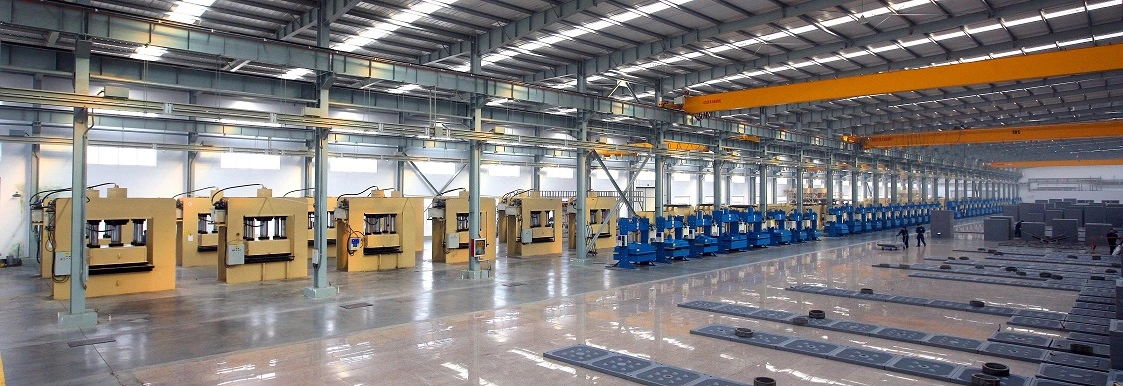
Chinese manufacturers have substantially improved quality control processes over recent years, with leading companies achieving ISO 9001 certification and implementing advanced manufacturing technologies. However, quality consistency may vary among different manufacturers, making supplier selection critical for achieving desired performance outcomes.
Supply Chain Considerations
Logistics issues have a big effect on the total cost of acquisition, not just the price of the tools themselves. Shipping from China to North America usually costs between $3,000 and $8,000, but this depends on the size of the system and the way used for shipping. European suppliers often have established delivery networks that make logistics easier but may raise total costs.
Lead times are very different from one area to the next. Because they can make a lot of things, Chinese producers can usually offer shorter production plans. On the other hand, European sellers may need longer wait times for custom solutions. These timing issues can affect project plans and the choice of which provider to use.
Selecting the Right Filter Press for Your Industry and Budget
Choosing appropriate filtration equipment requires careful evaluation of application-specific requirements, operational constraints, and long-term cost implications. Different industrial sectors present unique challenges that influence equipment selection criteria.
Application-Specific Requirements
In order to handle gritty slurries and concentrated materials, mining and mineral processing processes need strong structures that can handle high pressure. In these situations, longevity and throughput capacity are usually more important than precision filtration. This is why the cheap solutions made by Chinese makers are so appealing for many projects.
The chemical and pharmaceutical businesses need materials that are very compatible with each other andrequire strict control of pollution. For these delicate uses, European makers may be able to charge more because they use stainless steel, have cleaning methods that have been proven to work, and provide a lot of paperwork.
Wastewater treatment plants have to find a mix between saving money and following the rules. Most municipal treatment plants focus on making sure they work well and are easy to maintain. On the other hand, industrial wastewater uses may need special materials and advanced technology.
Capacity and Performance Considerations
System capacity requirements directly impact equipment sizing and associated costs. High-volume applications benefit from automated systems that reduce labor requirements and improve operational consistency, while smaller operations may achieve better economics through manual or semi-automated solutions.
Filtration accuracy requirements influence filter press machine cloth selection, plate design, and overall system complexity. Applications requiring fine particle separation or high cake dryness may necessitate advanced design features that increase initial costs but improve operational efficiency.
Energy Efficiency and Operating Costs
Modern filter press designs increasingly emphasize energy efficiency to reduce long-term operating expenses. Variable frequency drives, optimized hydraulic systems, and intelligent control algorithms can substantially reduce energy consumption while improving process consistency.
European manufacturers often lead in energy efficiency innovations, incorporating advanced technologies that may justify higher initial investments through reduced operating costs. Chinese manufacturers increasingly adopt similar technologies while maintaining competitive pricing advantages.
Practical Tips for Procurement and Maintenance to Optimize Investment
Strategic procurement approaches can significantly impact both initial costs and long-term system performance. Understanding negotiation strategies, maintenance requirements, and supplier capabilities helps maximize equipment value throughout operational lifecycles.
Procurement Strategy Development
Organizations that need to buy a lot of something or have long-term plans to update tools often can save a lot of money by buying in bulk. Many manufacturers give big discounts for large orders or supply deals that last for more than one year, which can help the economics of a project.
When looking at customization needs, normal product options should be carefully compared. Custom solutions might be the best way to meet certain business needs, but standard setups are often more cost-effective and take less time to deliver. Chinese makers are usually great at customizing products at a low cost, while European providers may have more advanced engineering skills.
Financing choices vary a lot between sellers and can affect how much the whole job costs. Some manufacturers offer equipment lease programs or longer payment terms that make it easier to handle cash flow. This is especially helpful for smaller businesses or projects that need to stick to a tight budget.
Maintenance and Reliability Optimization
Preventive repair plans make tools last a lot longer and lower the costs of unexpected downtime. Schedules for replacing filter press machine cloth, maintaining the hydraulic system, and inspecting plates regularly help keep things running at their best and find problems before they cause problems that stop operations.
Having access to spare parts is a very important factor for long-term business success. European makers usually keep a lot of extra parts on hand and offer a lot of expert support. Chinese suppliers, on the other hand, may need longer wait times for replacement parts but usually have lower prices.
Training programs for repair staff can make systems much more reliable and lower their running costs. Comprehensive training for operators lowers the risk of operating mistakes and lets them spot repair needs early on.
Warranty and Service Considerations
Warranty coverage varies significantly between suppliers and can influence total cost of ownership calculations. European manufacturers often provide comprehensive warranty packages that include extensive technical support and rapid response capabilities, while Chinese suppliers may offer competitive warranty terms but with different service delivery approaches.
Local service capabilities become particularly important for complex systems or critical applications. European manufacturers often maintain extensive service networks that provide rapid response capabilities, while Chinese suppliers increasingly establish regional service centers to improve customer support.
Company Introduction and Our Filter Press Solutions
Jingjin Equipment Inc. stands as a global leader in industrial filtration technology, serving clients across 123 countries since our founding in 1988. Our comprehensive approach to solid-liquid separation combines innovative engineering with practical industrial experience, delivering solutions that meet the demanding requirements of modern industrial operations.
Comprehensive Product Portfolio
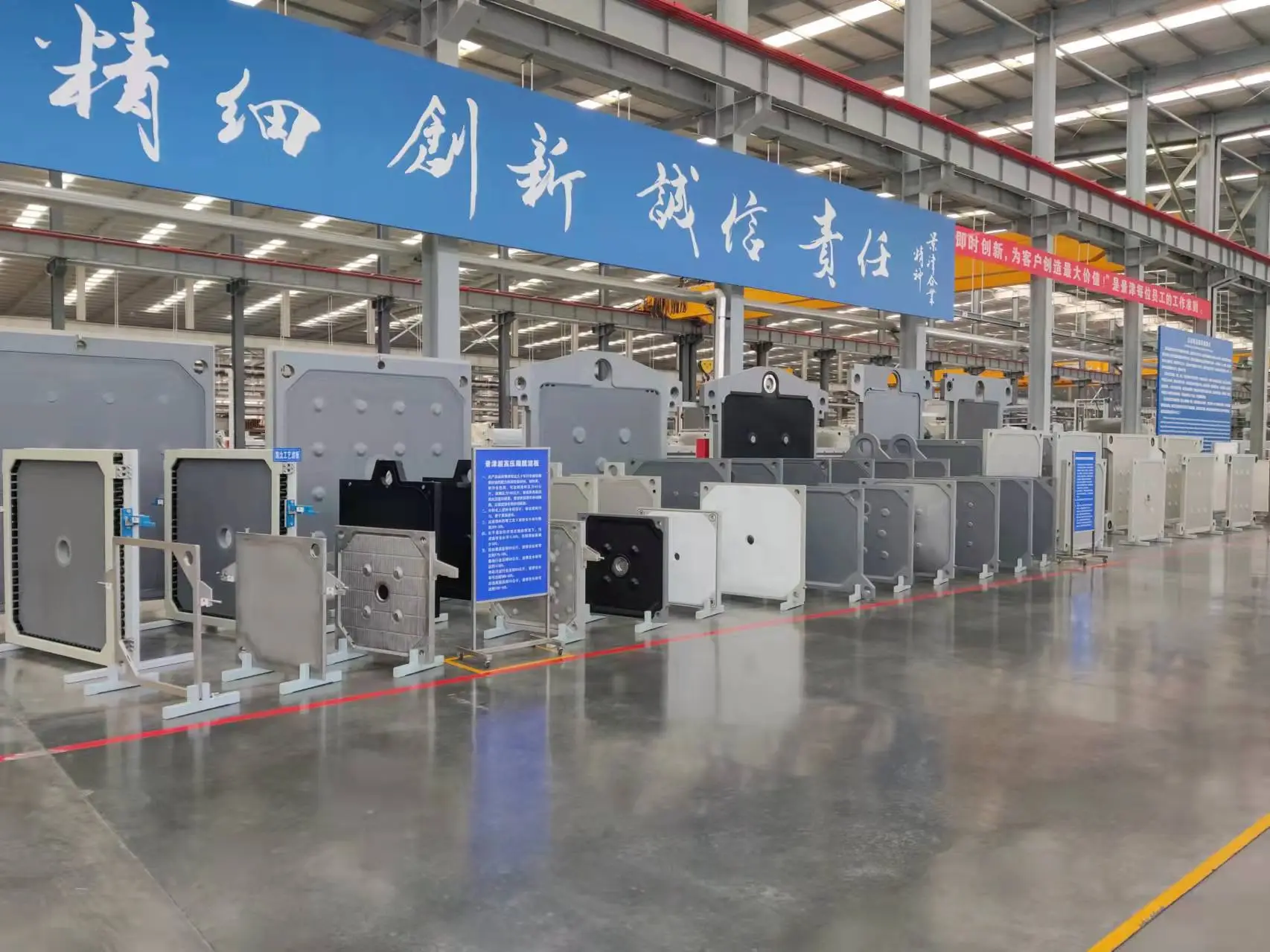
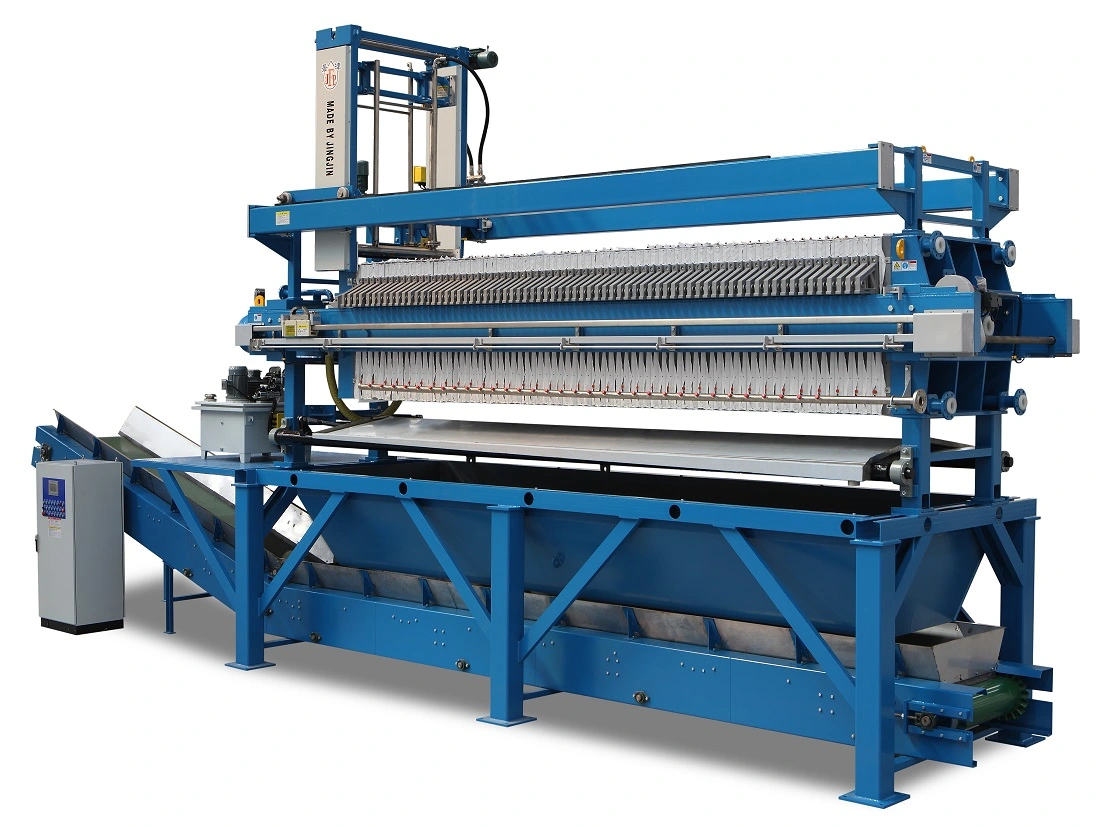
Our large selection of filter press machines includes fully automatic, semi-automatic, and manual systems made for a wide range of industrial uses. For general dewatering needs, standard hollow plate setups work well, while membrane systems improve cake dryness for uses that need better solid-liquid separation.
Specialized designs meet the needs of each business. Systems that don't rust are used in chemical processing, while designs that can handle high pressure are perfect for mining and mineral processing. Food-grade systems are made with sanitary design features that are important for medicinal and food industry uses.
Advanced Engineering Capabilities
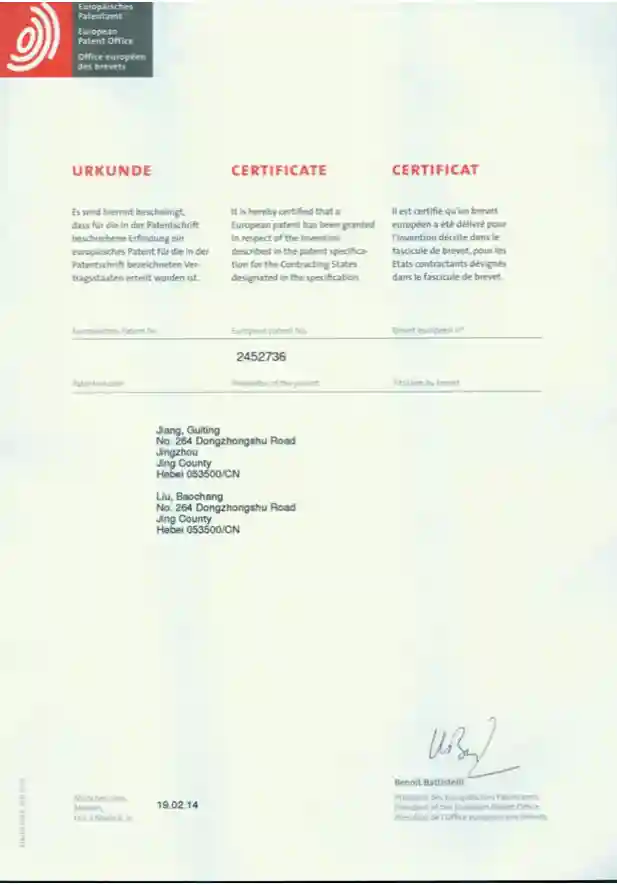
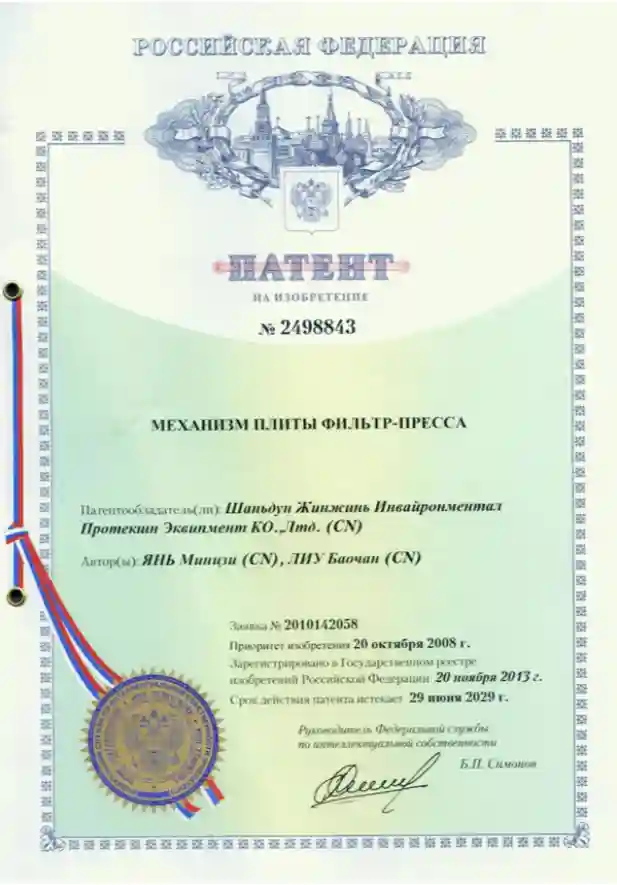
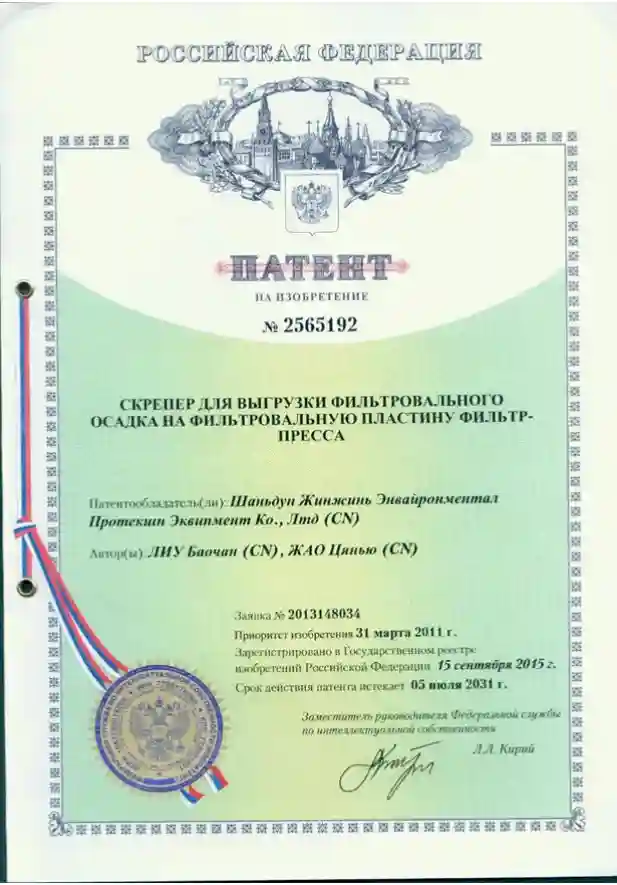
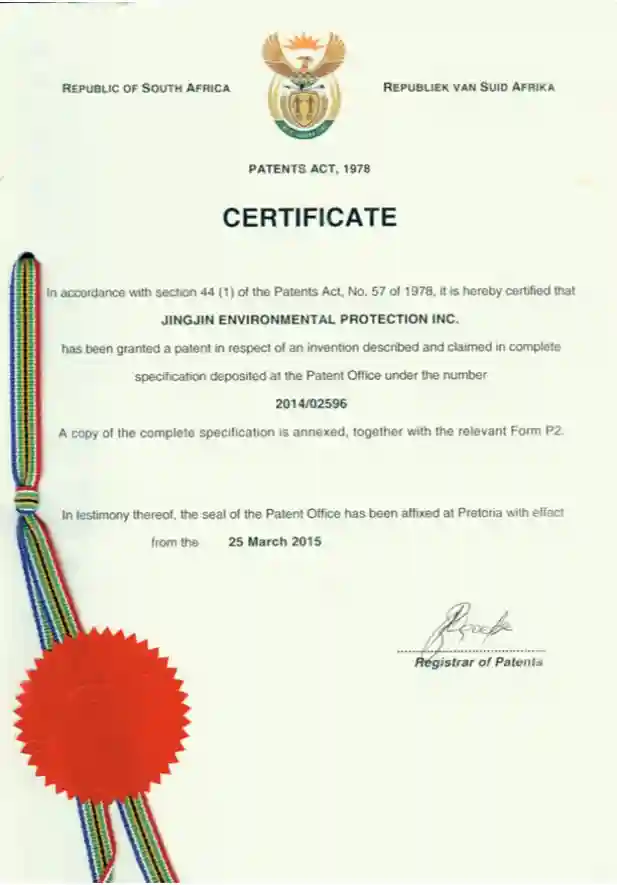
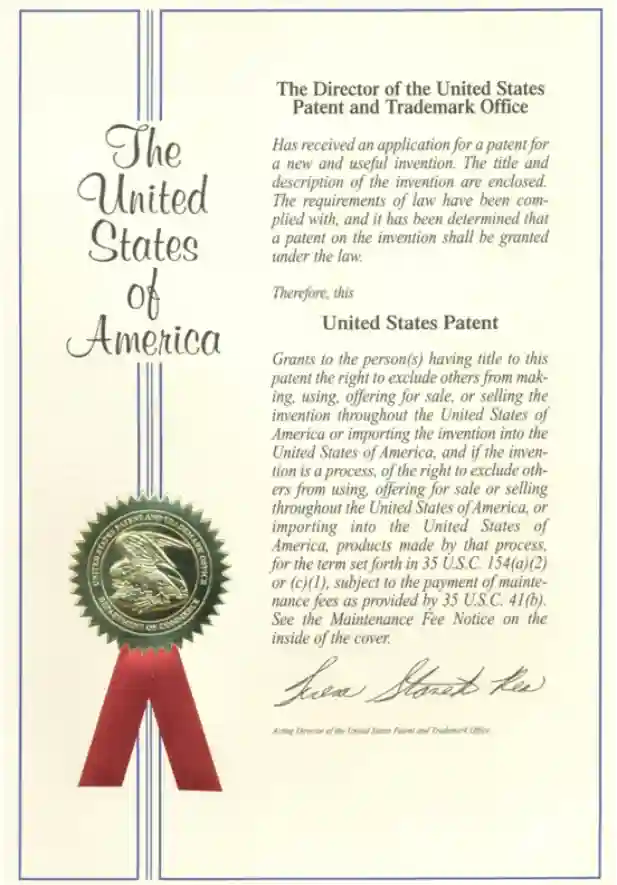
Our engineering team leverages over 136 patents to develop innovative solutions that improve operational efficiency while reducing total cost of ownership. Advanced hydraulic systems optimize energy consumption while maintaining precise pressure control, while intelligent automation reduces labor requirements and improves process consistency.
Customization capabilities enable solutions tailored to specific operational requirements. Whether addressing unique materials, extreme operating conditions, or integration challenges, our engineering team develops cost-effective solutions that meet precise application needs without compromising reliability or performance.
Global Service and Support Network
Our equipment is supported by a wide range of services throughout its working lifecycle. Installation services make sure that the system is properly set up, and training programs get operating and support staff ready to make sure that the system works at its best. When you need help with practical questions or fixing problems, our expert support team gets back to you quickly.
Having access to spare parts through regional shipping centers lowers the risk of downtime and keeps stocking costs low. Preventive repair plans help customers get the most out of their equipment while also extending its useful life. They offer a great return on investment by making it more reliable and efficient.
Conclusion
To choose between Chinese and European filter press providers, you have to weigh the starting costs against the needs of long-term operations and the total cost of ownership. Chinese makers offer great deals for applications that need to save money, while European sellers offer cutting-edge engineering and full support for harsh industrial settings. For procurement choices to go well, application needs, supplier skills, and long-term operating goals must all be carefully considered. Knowing about these things helps you make smart choices that maximize the return on your initial investment and the performance of your tools over its entire lifecycle.
FAQ
Q1: Why do European filter presses cost significantly more than Chinese alternatives?
European filter press pricing reflects several premium factors, including advanced automation technologies, superior materials, comprehensive quality testing, and extensive certification requirements. These manufacturers invest heavily in research and development, resulting in innovative features that improve operational efficiency and reliability. Additionally, European labor costs, regulatory compliance expenses, and comprehensive warranty programs contribute to higher pricing structures.
Q2: How do I choose between manual and automatic filter press systems?
Manual systems suit operations with lower throughput requirements, available skilled labor, and cost-sensitive budgets. These systems require more operator involvement but offer reliable performance at lower initial costs. Automatic systems benefit high-volume operations, applications requiring consistent operation, and facilities seeking reduced labor requirements. While automatic systems require higher initial investment, they often provide better long-term economics through improved efficiency and reduced operational costs.
Q3: What warranty and maintenance considerations are most important?
Comprehensive warranty coverage should include both equipment and component replacement, technical support availability, and response time commitments. Maintenance considerations include spare parts availability, local service capabilities, and training program quality. European suppliers typically offer extensive warranty packages with rapid response capabilities, while Chinese suppliers may provide competitive terms with different service delivery approaches. Evaluate these factors based on operational criticality and internal maintenance capabilities.
Partner with Jingjin for Your Filter Press Procurement Needs
Discover how Jingjin's proven filtration solutions can optimize your solid-liquid separation processes while delivering exceptional value. As a trusted filter press machine supplier with over three decades of industry experience, we provide comprehensive support from initial consultation through long-term operational success. Contact our engineering team at [email protected] to discuss your specific requirements and receive customized recommendations that balance performance with cost efficiency for your industrial applications.
References
1. Industrial Filtration and Separation Technology Handbook, 4th Edition, by Equipment Manufacturers Association, 2023.
2. Comparative Analysis of Global Filter Press Manufacturing Standards and Quality Control Practices, International Journal of Industrial Engineering, 2024.
3. Cost-Benefit Analysis of Automated vs Manual Filter Press Systems in Industrial Applications, Process Engineering Quarterly, 2023.
4. Supply Chain Dynamics in Industrial Equipment Procurement: A Focus on Filtration Technology, Global Manufacturing Review, 2024.
5. Maintenance Strategies for Industrial Filter Press Systems: Best Practices and Cost Optimization, Maintenance Engineering Journal, 2023.
6. Regional Manufacturing Capabilities and Quality Standards in Solid-Liquid Separation Equipment, Industrial Equipment Analysis, 2024.
jingjin
Founded in 1988, Jingjin specializes in filter presses and liquid-solid separation solutions, serving over 130 countries worldwide, and is a standard-setter in China's filter press industry.
Get the Filter Press guide
Enter Your Email for Technical assistance for the Filter Press.
Recommended Blog
Customized Filter Press Plates for the Mining Industry: What You Need to Know
Maintenance Tips for Dewatering Press Machines to Maximize Lifespan
Top Maintenance Tips for Prolonging the Life of Your Industrial Filter Press
Why Vietnam Factories Prefer China Membrane Plate Filter Press?
China Screw Dewatering Machines for Vietnam Food Factories
Why Vietnam Wastewater Plants Choose China Multi Disk Screw Press?