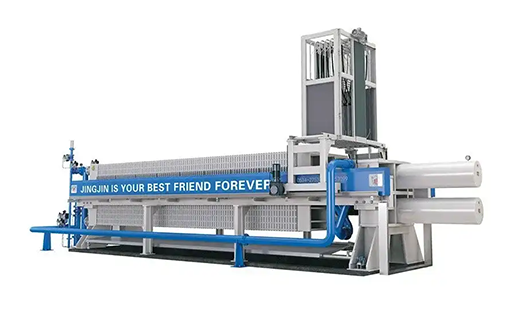
Comparing Industrial Feed Pump Specifications for Filter Press Systems
Introduction
- Introduction
- Understanding Filter Press Feed Pumps: Functions and Types
- Comparing Specifications of Industrial Feed Pumps for Filter Press Systems
- Decision-Making Guide: Choosing the Best Filter Press Feed Pump for Industrial Use
- Procurement Insights: Buying Guide and Supplier Strategy
- Optimizing Filter Press Feed Pump Performance: Maintenance and Troubleshooting Tips
- Conclusion
- FAQ
- Partner with Jingjin for Complete Filtration Solutions
- References
The right feed pump affects filtering efficiency, operational uptime, and long-term cost performance in challenging industrial solid-liquid separation situations. Your slurry handling system and dewatering process depend on a filter press feed pump, which delivers 8–30 bar pressure and regulated flow rates to ensure optimal cake dryness. Understanding pump specifications helps process engineers and procurement managers make data-driven equipment selections for abrasive mining tailings, corrosive chemical slurries, and municipal wastewater sludge.
Introduction
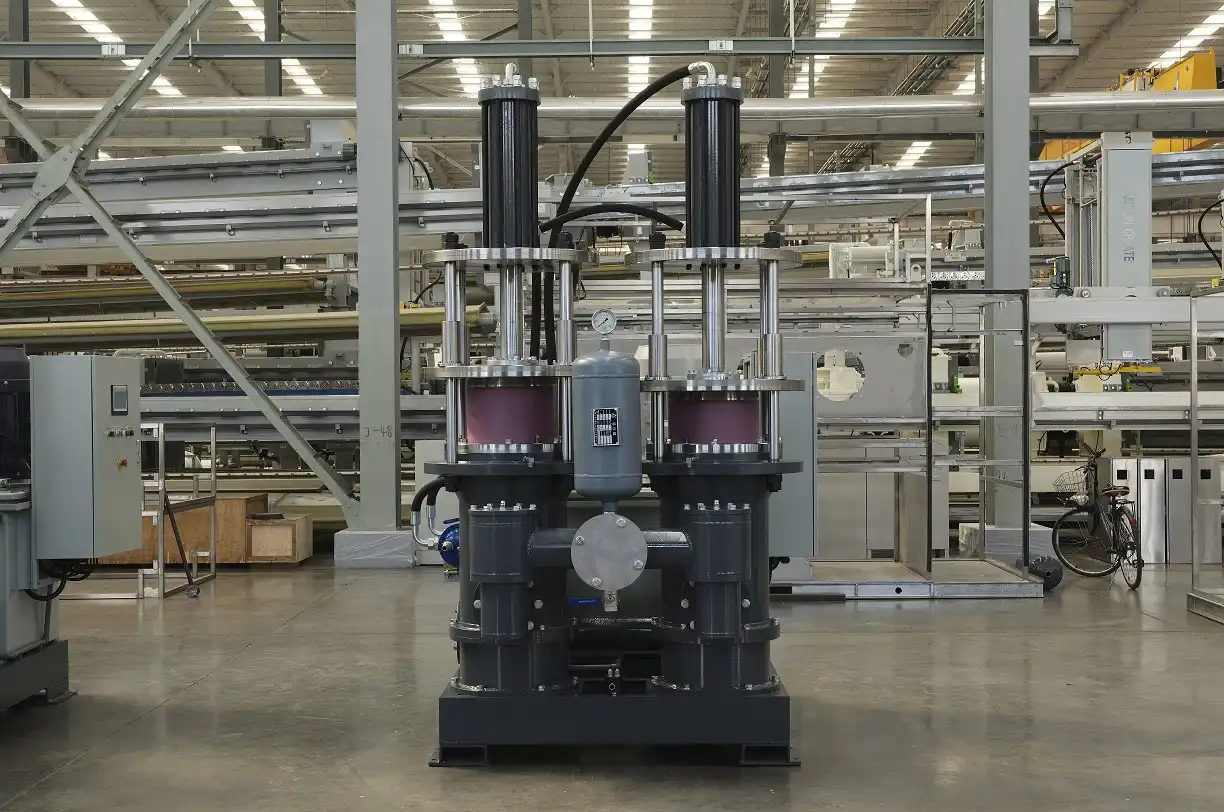
To guarantee efficient filtration, system dependability, and operating cost-effectiveness, filter press feed pumps must be chosen carefully. Our team has worked with purchasing managers, process engineers, and EPC project directors in mining, wastewater treatment, and chemical processing for 30 years to prevent premature seal failure, eliminate motor overload during pressure transitions, and match hydraulic performance to variable filtration cycles. Slurry pumps, industrial feed systems, and pressure generation will be discussed in this guide to help stakeholders match equipment selections to process needs, regulatory compliance, and budget restrictions.
Understanding Filter Press Feed Pumps: Functions and Types
Feed pumps ensure filter press efficiency by providing correct flow and pressure. These specialist transfer pumps respond to batch filtering cycles' severe hydraulic variations, unlike regular transfer pumps.
Core Functions of Feed Pumps
Every good feed pump performs three crucial filtering duties. During initial filling, slurry delivery quickly transports material from holding tanks to press chambers. Pressure forces liquid through filter cloths, compacting particles into cakes. Performance control affects cycle durations and moisture content, making pump selection crucial to operational efficiency. A correctly designed piston diaphragm pump replaced an undersized centrifugal pump in a Midwest wastewater plant, reducing cycle durations by 22% and cake moisture from 78% to 62%.
Common Pump Types and Their Operating Characteristics
Knowing design differences from a filter press feed pump supplier helps match equipment to applications. For processes needing consistent cake quality with little sealing element wear, piston diaphragm pumps from a filter press feed pump supplier with variable frequency drives provide accurate pressure control. Progressive cavity pumps from a filter press feed pump supplier use a revolving rotor-stator configuration to give smooth, pulsation-free flow, but deteriorate faster while handling abrasive materials like coal tailings or mineral concentrates. Due to their high flow capacity at lower pressures, centrifugal pumps from a filter press feed pump supplier are ideal for quick chamber filling, but they generally lack the shut-off head needed for compression phase dewatering. Air-operated double diaphragm pumps from a filter press feed pump supplier have a minimal initial investment and easy maintenance, but their compressed air use increases energy consumption, which is important when calculating the total cost of ownership during a five-to-seven-year equipment lifespan.
Comparing Specifications of Industrial Feed Pumps for Filter Press Systems
Technical requirements decide whether a pump satisfies operational needs or causes chronic downtime and expense overruns.
Flow Rate and Operating Pressure Parameters
Maximum discharge pressure impacts cake dryness and cycle completion, whereas flow capacity controls chamber filling speed. In most industrial applications, pumps must deliver 50 to 500 liters per minute during filling and 1.0 to 2.5 MPa during holding. Properly configured units have a steep head-flow curve that reduces flow as resistance develops without stopping or cavitating. We reported how a pump with insufficient shut-off pressure failed to attain target cake solids during pigment processing plant commissioning in Georgia, resulting in 35% higher disposal costs till equipment replacement.
Material Construction and Corrosion Resistance
For multi-year use, wetted component materials must survive chemical and mechanical damage. 316L and CD4MCu stainless steel alloys are good for wastewater and food processing because corrosion resistance overcomes abrasion. Quartz, silica, and other abrasive mining slurries are handled by high-chromium alloys over 60 HRC. Coated cast iron components are affordable for moderate-duty municipal applications. External barrier fluid systems (API Plan 53) avoid premature mechanical seal failure at low-flow circumstances at cycle end, a typical failure mode in over 40 retrofit projects. Seal chamber design affects dependability.
Decision-Making Guide: Choosing the Best Filter Press Feed Pump for Industrial Use
Performance requirements, operational limits, and budget must be considered while choosing a feed pump.
Capacity Matching and System Integration
Characterizing your filtration cycle is the first step in pump selection from a filter press feed pump supplier. Divide chamber capacity by goal filling time—usually 20-30% of cycle duration—to get flow rate for the filter press feed pump supplier. Pressure must exceed the press design rating with a 10-15% tolerance for distribution manifold and filter media pressure losses. We helped a New Jersey chemical business via a filter press feed pump supplier specify pumps based only on chamber volume, ignoring winter viscosity increases. Retrofitting added $23,000 in unnecessary expenditures.
Comparing Alternative Pump Technologies
Each pump category has pros and cons. Although initial costs are 30-40% higher than alternatives, piston diaphragm pumps are ideal for accurate pressure control and little maintenance. Progressive cavity pumps are great for viscous slurries but require regular stator replacement for abrasive materials—an Ohio limestone processor replaced stators every 1,200 hours vs 4,000 diaphragm life. Centrifugal pumps are the cheapest and easiest to use, but their performance limits in high-pressure dewatering need multi-stage setups or booster pumps.
Procurement Insights: Buying Guide and Supplier Strategy
Effective procurement balances technical, commercial, and risk factors.
Sourcing Reliable Equipment Suppliers
Global procurement offers low prices and specialist technology, but quality verification and logistics are complicated. Manufacturers with experience in your industry—mining, chemical processing, or municipal wastewater—offer application knowledge that generic vendors cannot match. ISO 9001, API, or industry-specific certification proves quality management systems. We eliminated three bids with appealing prices but no relevant reference installations for a Texas refinery project by prioritizing providers with petrochemical performance.
Warranty Coverage and Service Agreements
Comprehensive 12-to-24-month warranties show manufacturer confidence and safeguard your investment. Wear component coverage (sometimes omitted or limited), technical support requirements, and performance guarantees are important evaluation topics. Service agreements beyond warranties decrease lifespan costs through planned maintenance, priority parts access, and predictable yearly budgeting. After installing manufacturer-supported filtration system preventative maintenance contracts, a Pennsylvania wastewater authority cut emergency calls by 73%.
Optimizing Filter Press Feed Pump Performance: Maintenance and Troubleshooting Tips
Maintaining pumps from a filter press feed pump supplier increases efficiency and lifespan, boosting your facility's bottom line.
Routine Inspection and Preventive Care
Structured maintenance schedules prevent small faults from becoming major failures. Check impeller clearance, mechanical seal leaks, lubricant levels, and bearing wear vibration signatures monthly. Cleaning suction strainers, checking positive-displacement unit diaphragms, and calibrating pressure gauges and flow meters are quarterly tasks. A Missouri aggregate plant that switched from reactive to preventative maintenance saw a 60% drop in unexpected downtime.
Common Troubleshooting Scenarios
Clearance adjustment or strainer cleaning can fix flow reduction caused by impeller wear, suction line obstruction, or prime loss. Incorrect VFD programming, air entrainment, or damaged check valves can cause pressure variations. Dry cycle end circumstances, low flush pressure in barrier systems, and elastomeric component deterioration may cause seal leakage. We discovered inadequate gland plate cooling caused seal failures at an Arizona copper mine and fixed them with flush line layout changes rather than pricey seal improvements.
Performance Monitoring and Optimization
Simple equipment like discharge pressure transducers, flow meters, and motor current monitoring can detect deterioration before breakdowns. Trends in cycle times, batch energy use, and cake moisture content indicate performance degradation necessitating intervention. Automated data logging links pump settings to filtering results, enhancing control sequences with machine learning techniques. After reviewing six months of recorded data to modify VFD ramp profiles during filling to pressing, a New Jersey pharmaceutical plant enhanced throughput by 11%.
Conclusion
Technical performance, material compatibility, energy efficiency, and total ownership costs must be balanced against operational needs when comparing industrial feed pump parameters. Progressive cavity pumps operate smoothly with viscous materials, piston diaphragm pumps give greater control and lifespan, and centrifugal pumps are cost-effective for less demanding tasks. Beyond pricing, successful procurement includes supplier reliability, service support infrastructure, and lifecycle maintenance. Process engineers and purchasing managers who match pump hydraulic characteristics to filtration cycle demands, choose corrosion-resistant materials, and work with responsive suppliers improve system efficiency, uptime, and operational cost control.
FAQ
1. How do I determine the correct pump size for my filter press system?
Divide chamber volume by desired filling time (20-30% of cycle) to calculate flow. Match or exceed your press design rating by 10-15% in maximum pressure. Consider slurry viscosity, solids concentration, and pipeline friction. Instead of using manufacturer selection tables, engage application engineers to simulate your operating circumstances.
2. What distinguishes electric from hydraulic feed pumps in practical operation?
Where grid power is steady, VFD-controlled electric motors enable accurate speed control and energy efficiency. Hydraulic drives operate better in explosive atmospheres, transportable or distant applications, and low-speed torque. Electric systems have 15-25% lower operating costs in fixed installations, whereas hydraulic versions are better in severe settings or with diesel power.
3. How often should maintenance be performed on filter press feed pumps?
Check mechanical seals, lubrication, and pressure monthly. Impeller clearance, strainer cleaning, and diaphragm inspection should be done quarterly. Change worn parts when performance declines 10% or every 2,000-4,000 hours in abrasive environments. Predictive maintenance employing vibration analysis and performance trends increases equipment life beyond reactive replacement.
Partner with Jingjin for Complete Filtration Solutions
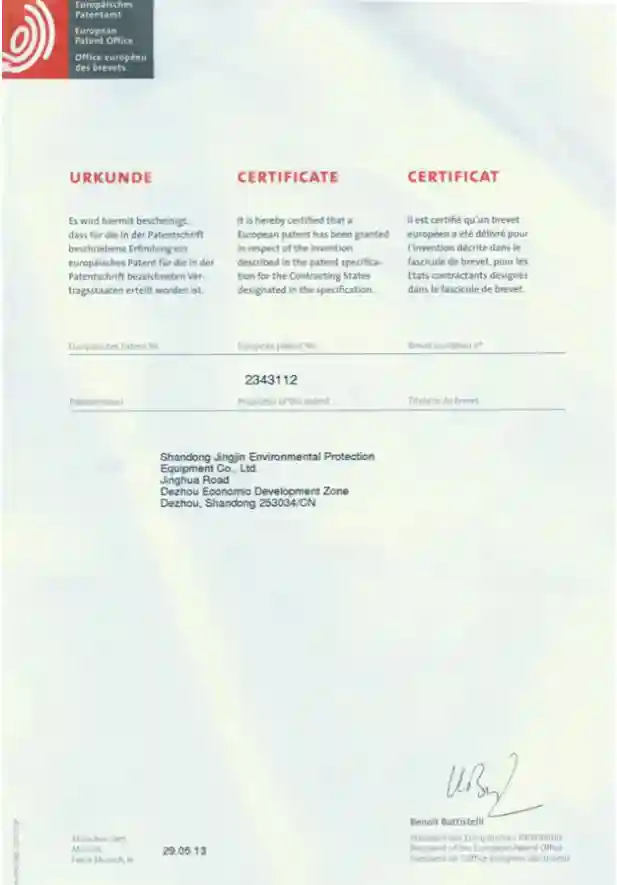
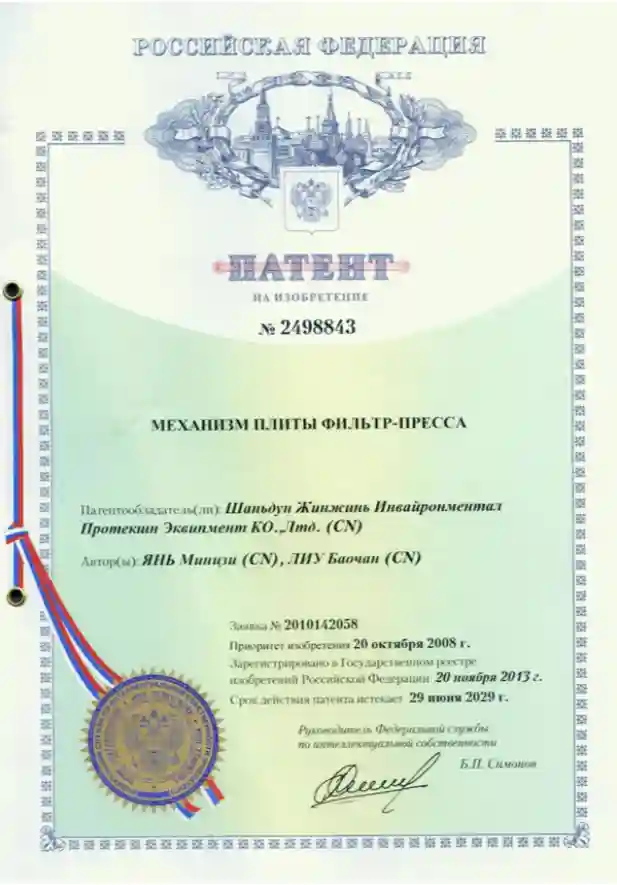
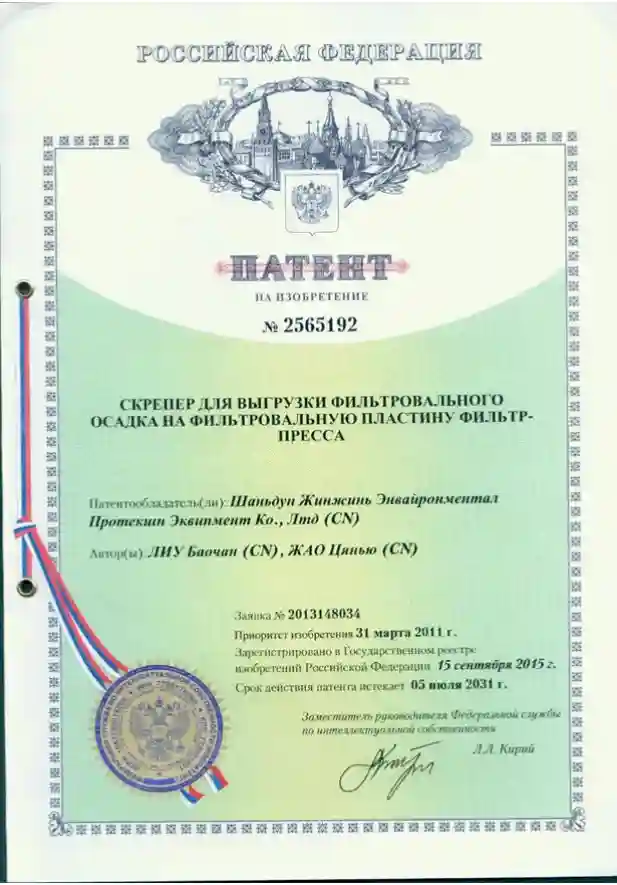
Since 1988, Jingjin Equipment Inc. has designed integrated solid-liquid separation systems for 123 countries, matching feed pump specifications to filter press performance. Our application engineers provide hydraulic calculations, material suggestions, and system integration support for abrasive mining tailings, corrosive chemical streams, and municipal biosolids. We provide full filtration ecosystems with presses, pumps, filter plates, media, and global service networks using over 136 patents and thorough manufacturing. Contact our technical staff at [email protected] to discuss your project with a trustworthy filter press feed pump supplier or obtain precise specs and performance guarantees for your next purchase. Learn how Jingjin's engineering and production scale improves dewatering.
References
1. Perry, R.H. & Green, D.W. (2018). Perry's Chemical Engineers' Handbook, 9th Edition. McGraw-Hill Education.
2. Sutherland, K. (2011). Filters and Filtration Handbook, 6th Edition. Butterworth-Heinemann.
3. Rushton, A., Ward, A.S. & Holdich, R.G. (2000). Solid-Liquid Filtration and Separation Technology, 2nd Edition. Wiley-VCH.
4. American Filtration and Separations Society (2020). Industrial Filtration Systems: Design and Application Guidelines. Technical Publication Series.
5. Hydraulic Institute (2019). Centrifugal Pump Standards for Design and Application, ANSI/HI 9.6.3. Hydraulic Institute Press.
6. Svarovsky, L. (2001). Solid-Liquid Separation, 4th Edition. Butterworth-Heinemann.
jingjin
Founded in 1988, Jingjin specializes in filter presses and liquid-solid separation solutions, serving over 130 countries worldwide, and is a standard-setter in China's filter press industry.
Get the Filter Press guide
Enter Your Email for Technical assistance for the Filter Press.
Recommended Blog
Filter Press Cloth Maintenance Tips: Prolonging Lifespan and Efficiency
Best China Screw Press Dewatering Machine for Mexico Buyers
What Is a Multi Disk Screw Press and How Does It Work in Industrial Dewatering?
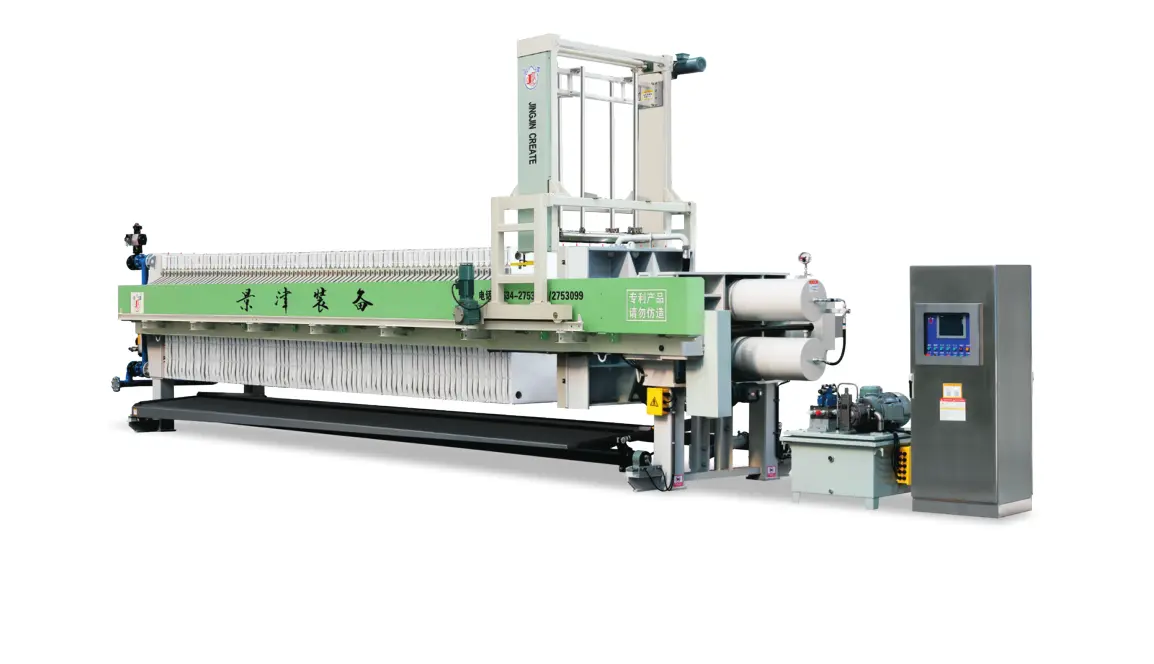
Essential Maintenance Tips for Press Filters in Industrial Plants
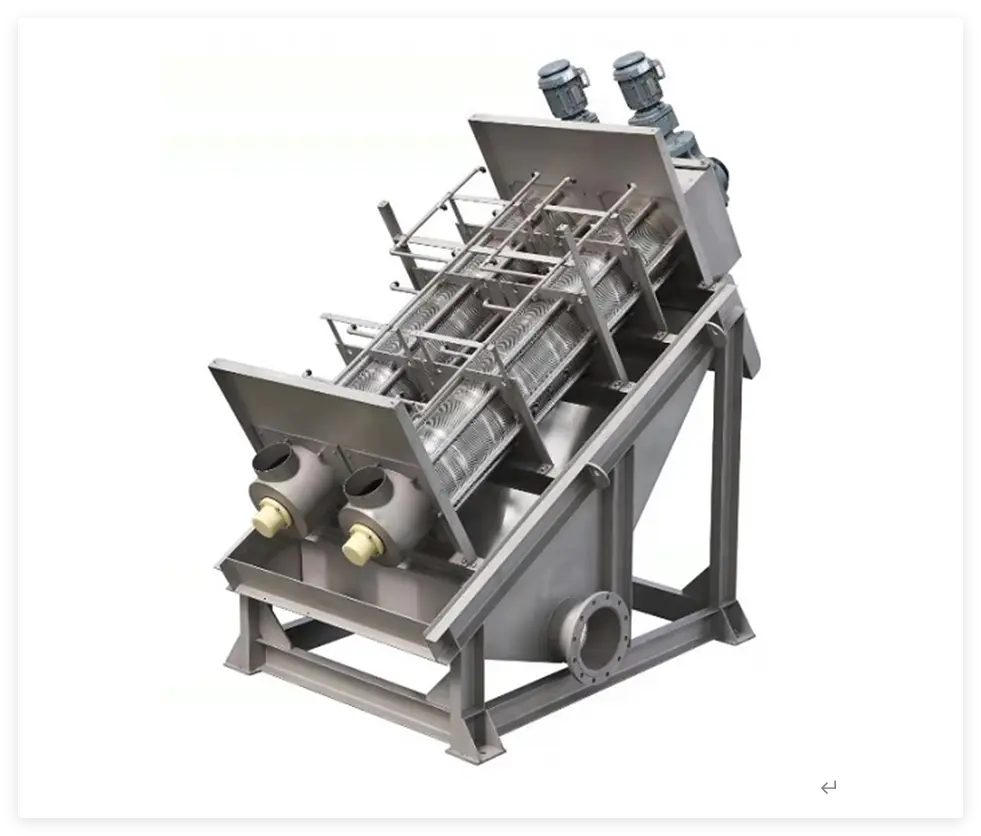
Energy Saving Multi Screw Sludge Press: How It Reduces Operational Costs
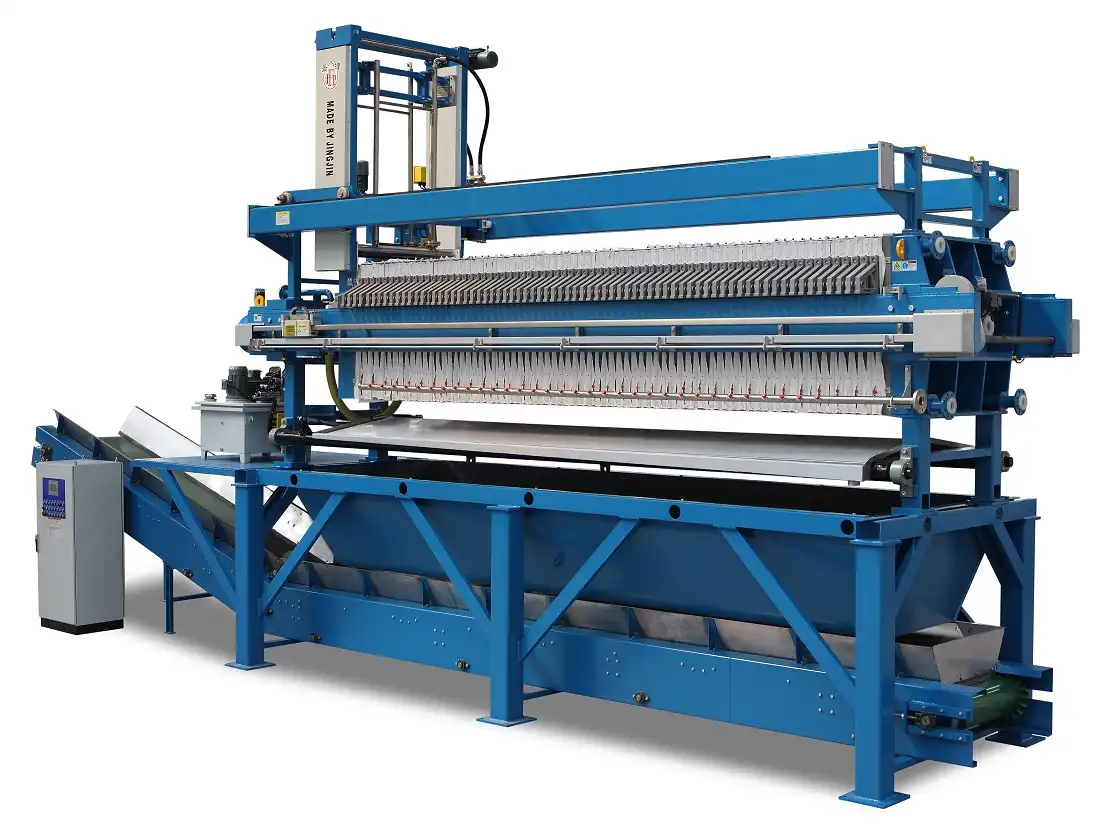
How Overseas Distributors Choose Filter Press Suppliers in China?