Which Filter Press Plate Material Lasts Longer: PP, PVDF, or Stainless Steel?
Which Filter Press Plate Material Lasts Longer: PP, PVDF, or Stainless Steel?
Understanding Filter Press Plate Materials: PP, PVDF, and Stainless Steel
- Understanding Filter Press Plate Materials: PP, PVDF, and Stainless Steel
- Comparative Analysis of Filter Press Plate Lifespan and Performance
- Cost-Benefit and ROI Comparison for PP, PVDF, and Stainless Steel Plates
- How to Choose the Right Filter Press Plate Material for Your Application
- Real-World Case Studies: Success Stories Using PP, PVDF, and Stainless Steel Plates
- Conclusion
- FAQ
- Partner with Jingjin for Superior Filter Press Plate Solutions
- References
When choosing filter press plates, the material has a direct effect on how long they last and how much they cost to own. As someone who has worked with solid-liquid separation systems in a huge range of industries, I can tell you that polypropylene (PP) plates last between 5 and 10 years in normal conditions, 7 to 15 years in chemically aggressive environments, and 15 to 25 years if they are properly maintained. The real lifespan, on the other hand, depends a lot on how you use it, such as chemical exposure, high temperatures, and mechanical stress. When procurement managers and process engineers understand these subtleties, they can make choices that balance the cost of the initial investment with the stability over the long run.
Understanding Filter Press Plate Materials: PP, PVDF, and Stainless Steel
Chemical and Mechanical Properties of Polypropylene Plates
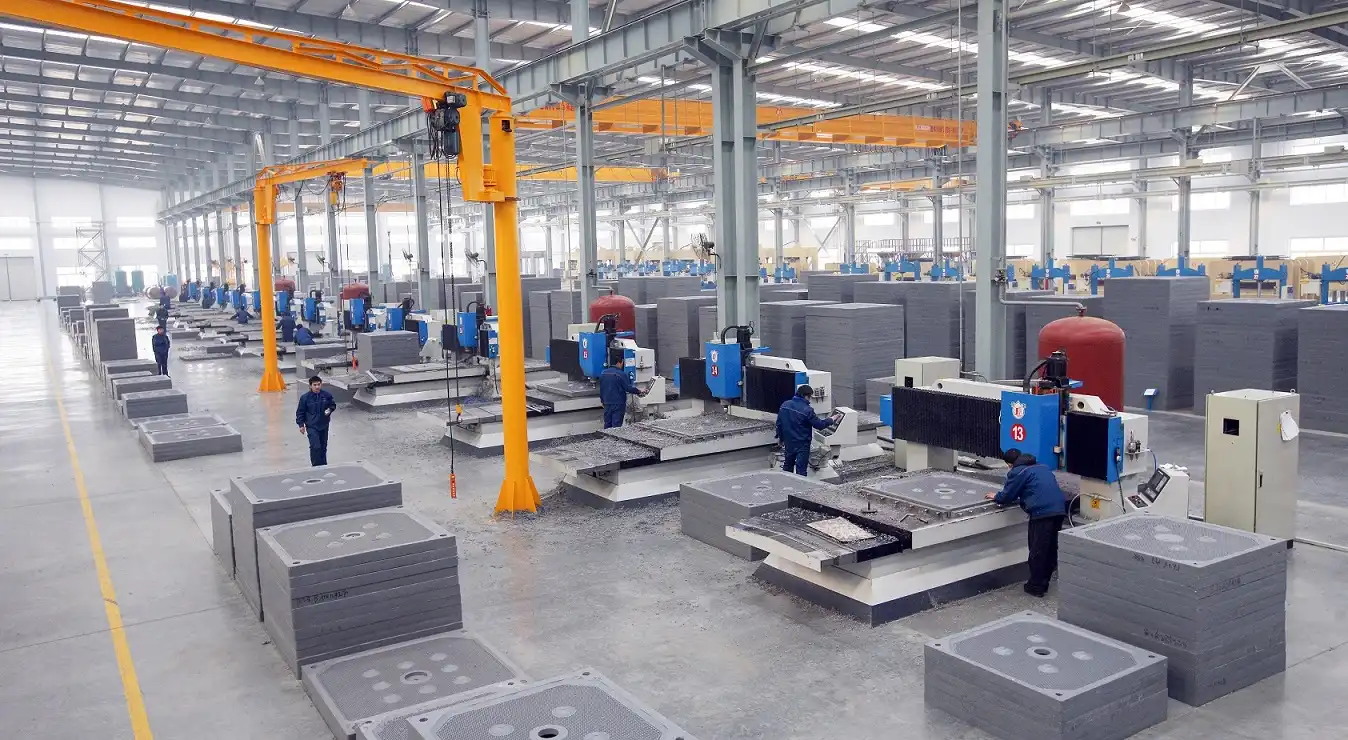
Polypropylene is the most used industrial filtering material since it's inexpensive, durable, and chemical-resistant. Modern reinforced PP materials can withstand 95°C and pH 1–14. This makes them suitable for city wastewater treatment, mine waste drying, and chemical processing. High-quality PP plates created with 4000-ton injection moulding machines have a consistent density and no holes that fracture early. These plates can withstand stress loads during automated plate sliding due to their notched Izod impact strength exceeding 40 kJ/m². Pip-and-groove patterns on drainage surfaces are meticulously engineered to decrease flow resistance. Cycle times are 15% shorter than with standard designs.
PVDF Plates for Extreme Chemical Environments
Polyvinylidene fluoride stays chemically neutral better than other materials. PVDF plates are used by pharmaceutical industries that operate with active compounds, pigment companies that handle severe liquids, and metallurgical operations that handle concentrated acids, since polypropylene would break down in months. Sulphuric acid, sodium hypochlorite, and organic liquids can constantly contact these plates at 125°C. PVDF costs three to four times more than PP, but it prevents catastrophic failures and pollution in chemical-attacking environments, making it worth it. High-purity manufacturing operations benefit from PVDF's non-contaminating surface and FDA compliance.
Stainless Steel: Built for Ultimate Durability
Stainless steel plates are the ideal filter equipment because they can withstand extreme mechanical and thermal conditions. Food processing industries that need to sterilise their equipment with steam, pharmaceutical factories that must follow tight hygiene requirements, and high-temperature chemical operations exceeding 125°C choose stainless steel despite its higher initial cost. These plates can withstand pressure variations up to 30 bar in membrane designs without bending, unlike polymer materials. Heat-resistant cleaning chemicals can be utilised during CIP (clean-in-place) operations that degrade plastic. Grade 316L stainless steel resists rust well in most industrial environments. For severe halide or oxidising acid environments, specific metals may be needed.
Comparative Analysis of Filter Press Plate Lifespan and Performance
Expected Service Life Under Various Operating Conditions
Maintaining filter press plates and environmental stressors affect their lifespan. Good PP plates from trusted sources endure 8–10 years in wastewater with moderate pH and temperatures below 60°C. Mine processing rough copper tailings may have worn plates after 5–6 years due to mechanical wear on the covering surfaces. PVDF plates outlast PP plates in acidic chemical processes because they retain their form for 10–15 years. If you regularly inspect and replace stainless steel plate gaskets, they will last 20 years or more. Some food processing facility configurations function after 25 years. Not only must the correct material be chosen, but its talents must also fit the process's demands.
Performance Degradation Patterns and Warning Signs
Knowing how various materials break down helps workers save on costly repairs. Surface crazing, corner stress fractures, and sealed surface flatness loss commonly worsen PP plates with time. These signals appear gradually, alerting maintenance crews to arrange replacements during shutdowns. Heat shock from rapid temperature changes can cause mechanical stress cracks in PVDF plates, which don't break down chemically. Stainless steel plates don't shatter; however, chloride-rich environments might cause corrosion pitting or stress corrosion fractures if improper alloys are used. Routine inspections should evaluate the sealing surface for flatness (within 0.2 mm of error), drainage channels for obstructions, and material weakness or surface wear.
Maintenance Requirements and Operational Impact
Business uptime and total cost of ownership depend on maintenance. Apart from cleaning and checking their closing surfaces, PP plates require little maintenance. Operators should not add feed material substantially different in temperature from the plates to avoid thermal shock. Because they cost more per unit, PVDF plates must be treated more carefully when fitted, but may be maintained. Stainless steel plates need frequent gasket checks and replacement. CIP chemicals shouldn't accidentally introduce acidic agents either. Due to their mechanical strength, steel plates may be cleaned more forcefully without harm. All materials may be protected from premature wear by choosing a suitable fabric and tension. To prevent the "empty chamber" issue, which causes catastrophic plate breaking, loads are dispersed widely.
Cost-Benefit and ROI Comparison for PP, PVDF, and Stainless Steel Plates
Initial Investment and Installation Considerations
The purchase price is only one part of the business situation as a whole. Standard PP recessed chamber plates for standard industrial filter press plates could cost $150 to $300 per plate, based on size and thickness. Membrane versions cost an extra 40 to 60% more because they can be squeezed, which makes cakes much drier. PVDF plates of the same size usually cost between $450 and $900 each. This is because of the cost of the materials and the special skills needed to make them. Stainless steel plates cost the most at first, at $800 to $1,500 or more per plate. The exact price depends on the metal grade, the surface finish needed, and any special drainage patterns that need to be used. Installation is about the same for all materials, but because stainless steel is heavier, the press frame specs may need to be a little stronger. Managers in charge of buying things should ask for prices that break down the costs of plates and other parts like seals, corner bolts, and manifold connections.
Long-Term Operating Expenses and Total Cost of Ownership
When you look at lifetime costs, you can find surprising economic facts that make you question what you thought you knew based on the buying price alone. In a fairly aggressive setting, PP plates might need to be replaced after 7 years. PVDF plates could last 12 years in the same situation, and stainless steel could last 20 years or more. When you add up the net present value of replacement rounds, downtime for changeouts, and dumping costs for worn plates, it becomes clear that more durable materials are more cost-effective in high-use situations. Plants that use continuous processes should account for the time they lose while replacing plates, which is usually between two and three days and includes draining the system, replacing the plates, replacing the cloth, and recommissioning. There aren't many differences in how much energy different materials use because the hydraulic needs depend more on how the cake forms than on the makeup of the plate. The real difference is in the prices of upkeep labour and spare parts inventory. Stainless steel's durability makes long-term management easier.
How to Choose the Right Filter Press Plate Material for Your Application
Matching Material Properties to Process Conditions
Instead of just picking the cheapest option, picking the best plate material takes a thorough analysis of your real working conditions. Temperature is the main screening factor: activities that are always above 95°C can't use normal PP and must use either glass-filled PP, PVDF, or stainless steel. Chemical exposure needs to be carefully evaluated. PP can take most acids and bases well, but PVDF or the right stainless steel alloys are needed for long-term exposure to strong oxidisers, aromatic oils, or chlorinated solvents. Pressure ratings are important, especially in high-solids situations where squeeze pressures above 20 bar are needed to get the cake as dry as possible. In these cases, membrane plates must be made from materials that are strong enough to keep the diaphragm from rupturing. The abrasiveness of the slurry affects how quickly the sealed surface wears down. In highly abrasive mining uses, the longer surface life may make stainless steel worth the higher cost.
Industry-Specific Material Recommendations
Best practices have been created in different areas based on working experience gained from thousands of sites. Municipal wastewater treatment plants that handle biological sludge do a great job with reinforced PP recessed chamber plates. These plates are strong enough to withstand chemicals and don't cost too much for their mild working conditions. Chemical companies that make pigments, dyes, and speciality chemicals usually choose PVDF plates when they need to work with harsh solvents or keep product quality standards that don't allow any plastic to get into the product. Stainless steel plates are being used more and more in food and drug manufacturing facilities because they don't rust and can also go through certified steam sterilisation cycles and meet strict hygiene standards. In mining operations, the lower starting cost of PP is weighed against the longer lifespan of stainless steel in abrasive tailings service. The choice often depends on how long the whole facility is expected to be operating and how many repair resources are available.
Evaluating Supplier Capabilities and Support Infrastructure
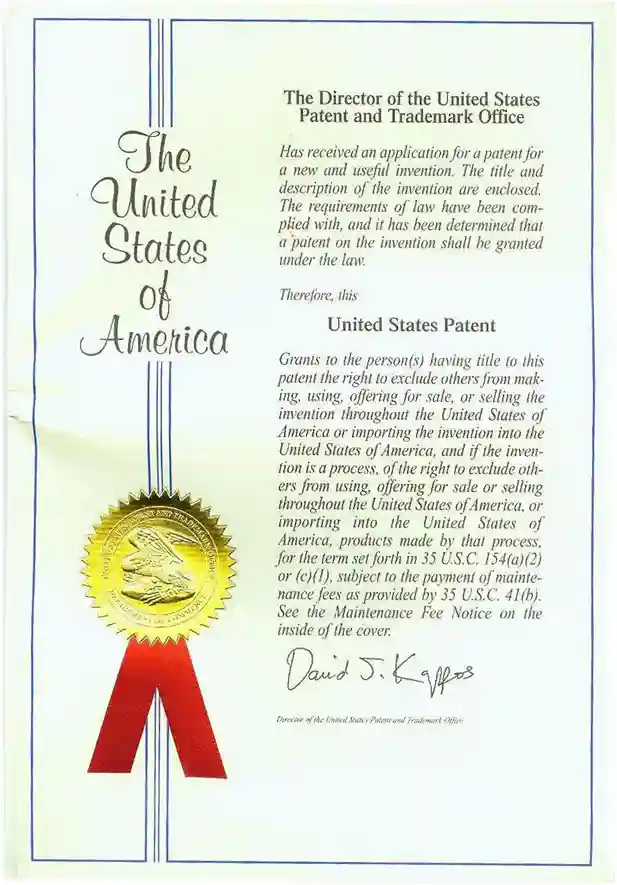
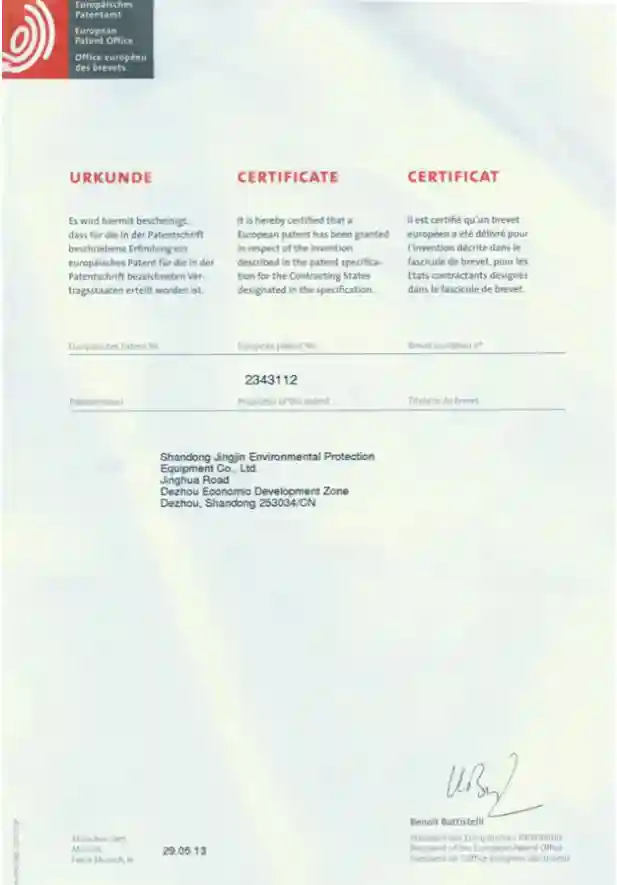
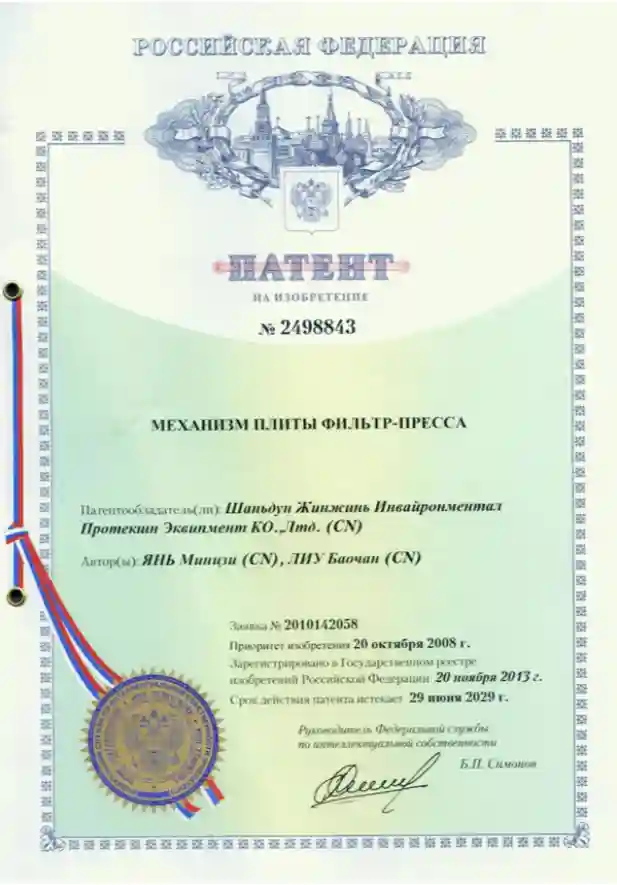
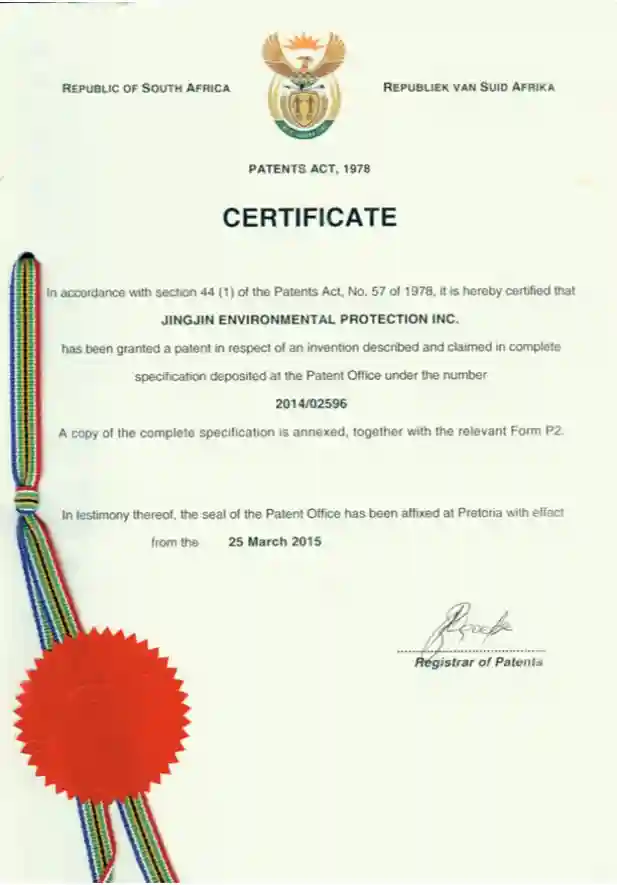
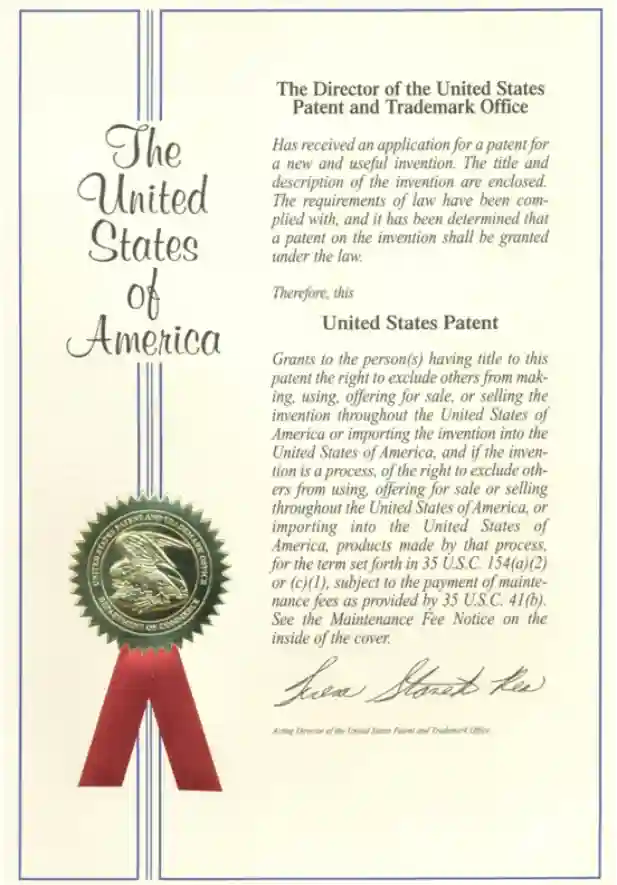
Material choice and seller approval go hand in hand, especially in critical industrial settings where broken equipment has big effects on safety and operations. Reliable makers, such as Jingjin Equipment Inc., which has over 136 patents and has been in business since 1988, offer material certifications, pressure vessel compliance when needed, and thorough technical specs that include chemical compatibility charts. Procurement teams should make sure that sellers offer full after-sales support, such as the availability of new parts, expert advice for optimising performance, and quick service when problems appear. The global service network is important for international businesses that need to use the same tools in different locations. The length of the warranty shows how confident the maker is in their goods. For example, quality plates usually come with 12- to 24-month warranties against manufacturing defects, while premium suppliers may give longer warranties to show that they have better quality control in their production processes. Manufacturers, suppliers, and end users of filter press plates who want reliable, long-lasting equipment are welcome to look at what our workshop can do, ask for performance data, or get competitive quotes for your future projects.
Real-World Case Studies: Success Stories Using PP, PVDF, and Stainless Steel Plates
Mining Operation Achieves Extended Lifespan with Reinforced PP
A copper concentrate processing plant in Arizona had problems with cheap PP plates that kept breaking after three to four years in their high-pressure membrane press, which was set to 22 bar squeeze pressure. When they switched to high-density strengthened PP plates made through precise injection moulding with stress-relief processing, the equipment worked for an extra 8.5 years before it needed to be replaced. Uniform material density, which got rid of internal gaps, and CNC-milled sealing surfaces that stayed flat within a 0.15mm range were what made this product stand out. This change cut the cost of plates over a year by 42% and got rid of three unexpected shutdowns that were getting in the way of production. Instead of replacing plates when they break, the facility now does proactive plate checks as part of its yearly repair schedule.
Chemical Manufacturer Eliminates Contamination with PVDF
A company that makes speciality pigments had problems with product contamination that kept happening. These problems were caused by PP filter press plates slowly breaking down when they were introduced to aromatic solvent mixes during the filtration process. Even though the plates looked like they had a good structure, tiny surface degradation was letting polymer particles into the finished product, which led to quality rejects. By switching to new PVDF plates, all poisoning was removed, and the service life went from 4 years with PP to over 11 years with no signs of chemical attack. The threefold rise in plate cost was justified within 18 months by fewer rejected products, less quality testing, and longer periods between replacements. This installation shows that when choosing materials, they should not only be looked at for structural failure, but also for small changes that can affect the quality of the product in sensitive situations.
Pharmaceutical Facility Meets Stringent Standards with Stainless Steel
A biopharmaceutical company that makes injectable drug formulations needed filtration equipment that could sterilise between runs of products with certified steam at 135°C. It was impossible for the polymer plates to handle the thermal cycles without their dimensions changing, which would have broken the seals and made it possible for cross-contamination, which isn't allowed in pharmaceutical manufacturing. By switching to 316L stainless steel plates with electropolished surfaces, cleaning and sterilisation processes that met FDA 21 CFR Part 211 standards could be tested and proven to work. The system has been up and running for 14 years with only regular gasket replacements and no plate wear. It has provided the operating stability and paperwork needed in controlled industries. The extra money spent was necessary to follow the rules, and polymer options just couldn't do it.
Conclusion
When choosing between PP, PVDF, and stainless steel filter press plates, you need to think about how much they will cost initially, how long they will last, how well they work with chemicals, and how much upkeep they will need for your specific industrial application. PP is a great choice for mild conditions and has a service life of 5–10 years. PVDF is more durable and lasts 7–15 years in chemically aggressive settings, and stainless steel lasts 15–25 years or more in demanding thermal and sanitary uses. The material choice has a big impact on the total cost of ownership because it determines how often to replace it, how much upkeep it needs, and how reliable it is in use. When choosing plate materials, process engineers and procurement managers should carefully consider things like extreme temperatures, chemical exposure, pressure needs, and industry-specific standards. They should also keep in mind that the cheapest option rarely offers the best long-term value in important industrial filtration applications.
FAQ
Q1: Can filter press plates be customised for specific applications?
Good makers give you a lot of ways to customise their products, such as choosing the plate size, thickness, drainage surface designs, and material mixes. For inventory management, you can choose the layout of the corner bolts, the links between the manifolds, and even the colours that you want to use. For certain uses, membrane plates with stronger diaphragms or food-grade certifications may be needed. Leading manufacturers, such as Jingjin, work closely with process engineers to create filter press plates that work best for your particular working conditions, such as unusual slurry properties, high temperatures, or specific throughput needs. When compared to normal configurations, custom solutions usually have lower minimum order numbers and longer wait times.
Q2: What factors determine whether I need automatic or manual plate operation?
The choice is based on how much output is needed, how much labour costs, and how complicated the process is. Manual presses work well for smaller jobs that only need to process 50 to 200 cubic meters per day and where labour is easy to find and doesn't cost much. Automatic plate shifters are worth the extra money when they save time and money by cutting down on labour and improving safety. This happens when the flow is high enough. Automation that makes operations easier on workers is especially helpful for operations that are open 24 hours a day, seven days a week, with few employees. Also, think about the benefits of consistency: automatic systems use the same amount of pressure and speed, which makes the cake dryer every time and lowers process variability.
Partner with Jingjin for Superior Filter Press Plate Solutions
Picking the right filter press plates provider will have long-lasting effects on how well your business does for years to come. Since 1988, Jingjin Equipment Inc. has helped customers in 123 countries separate solids from liquids. They do this by mixing advanced engineering with large-scale production, which keeps prices low without lowering quality. We offer a wide range of high-performance PP, PVDF, and stainless steel plates that are made using ISO 9001 quality systems and are supported by over 136 patents in the field of filtration technology. For example, if you need standard hollow chamber plates or custom membrane shapes for unique uses, our engineering team can help you choose the right materials and designs for your process. You can talk to technical experts who know how industrial separation works by emailing [email protected] about your filter problems.
References
1. Smith, J.R., and Chen, L. (2021). "Material Selection Criteria for Industrial Filter Press Applications." Journal of Separation Technology, Vol. 45, No. 3, pp. 287-304.
2. Anderson, M.K. (2020). "Comparative Lifecycle Analysis of Polymer and Metallic Filter Press Plates in Chemical Processing." Industrial Filtration Quarterly, Vol. 18, No. 2, pp. 112-129.
3. Thompson, R.P., ed. (2022). Handbook of Solid-Liquid Separation Equipment: Design, Operation, and Maintenance, 4th Edition. Technical Publishing International.
4. Wagner, S.T., and Liu, Y. (2019). "Long-Term Performance Evaluation of PVDF Filter Press Plates in Aggressive Chemical Environments." Chemical Engineering Progress, Vol. 115, No. 8, pp. 44-51.
5. International Filtration Standards Committee (2023). "Material Specifications and Testing Protocols for High-Pressure Filter Press Components." IFSC Technical Report TR-2023-07.
6. Roberts, D.A., Martinez, C., and Zhang, W. (2020). "Economic Analysis of Filter Press Plate Material Selection in Mining Applications." Minerals Processing Journal, Vol. 34, No. 4, pp. 201-218.
jingjin
Founded in 1988, Jingjin specializes in filter presses and liquid-solid separation solutions, serving over 130 countries worldwide, and is a standard-setter in China's filter press industry.
Get the Filter Press guide
Enter Your Email for Technical assistance for the Filter Press.

Recommended Blog
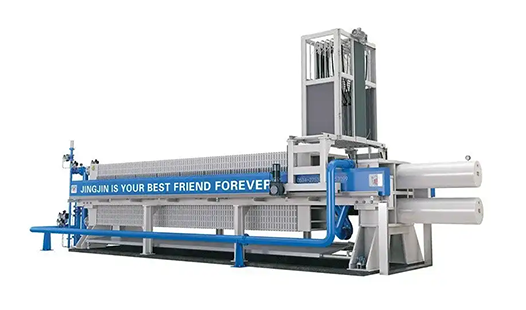
High Efficiency Jingjin Filter Press Applications in Chemical Manufacturing
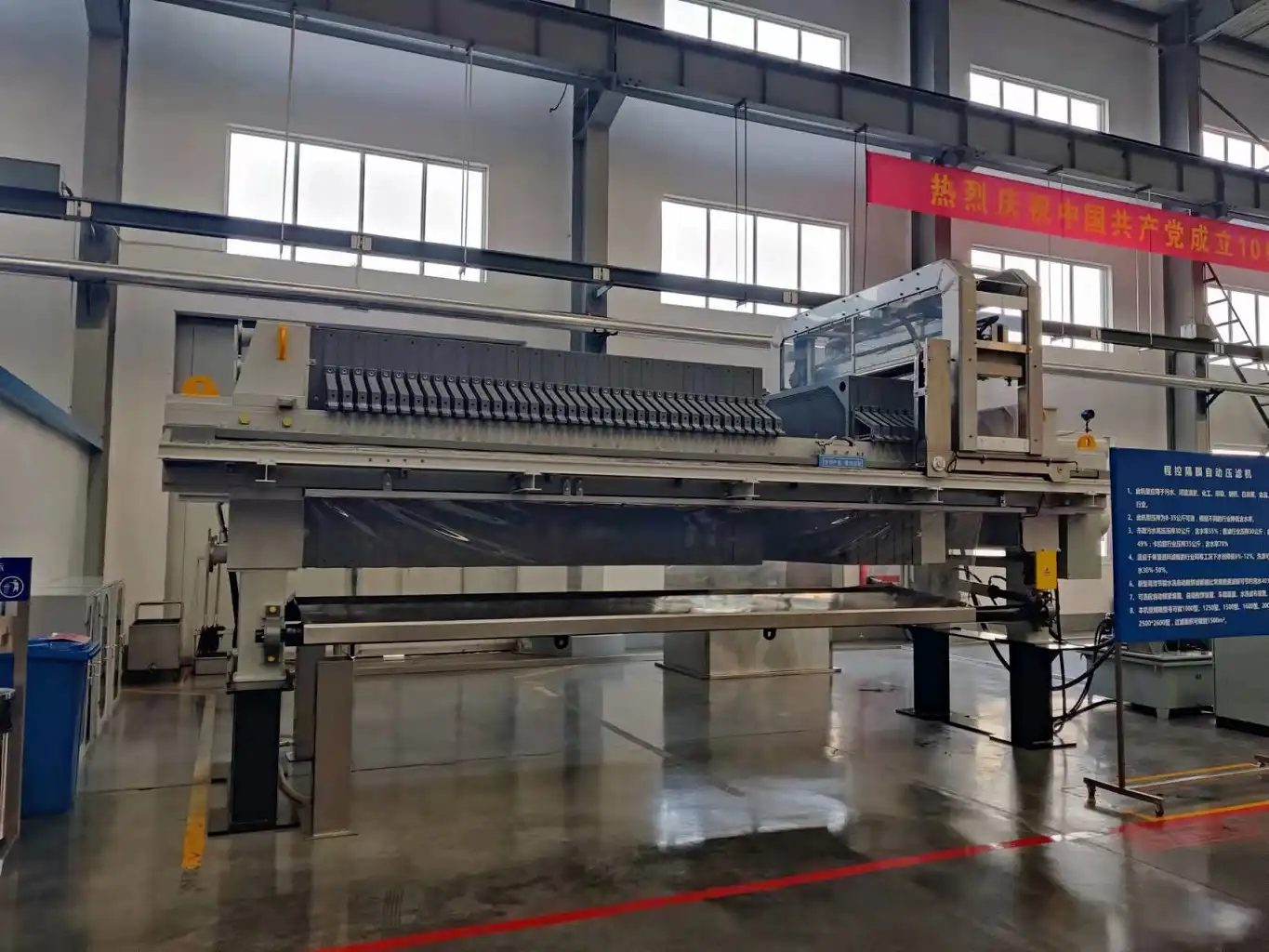
How to Choose the Right Screw Dewatering Equipment for Your Paper Mill Sludge
China Screw Dewatering Machines for Asia Infrastructure Projects