Use of a stainless pressure tank
Understanding Stainless Pressure Tanks in Filtration Systems
- Understanding Stainless Pressure Tanks in Filtration Systems
- Benefits and Performance of Stainless Pressure Tanks
- Comparing Stainless Pressure Tanks with Alternative Materials
- Buying and Procuring Stainless Pressure Tanks
- Maintenance and Safety Guidelines for Stainless Pressure Tanks
- Conclusion
- FAQ
- Partner with Jingjin for Engineered Filtration Solutions and Pressure Tank Integration
- References
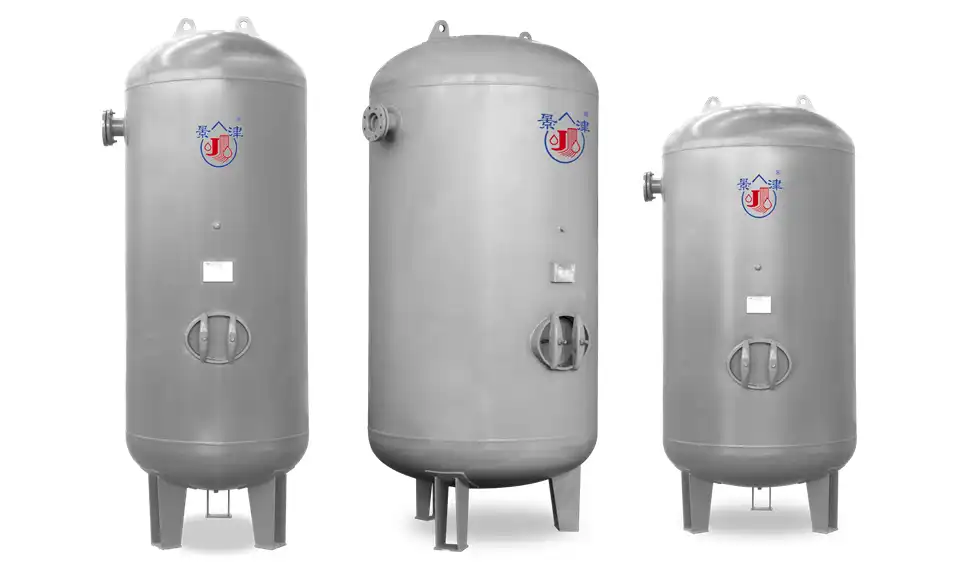
A stainless pressure tank is a high-integrity containment box made to hold liquids, slurries, or process media at high pressures that are much higher than the pressure in the air. In solid-liquid separation processes, these tanks are important parts that go either upstream or downstream. They feed slurry to filter presses under controlled pressure or receive filtrate and keep the system stable. Because these tanks are made of austenitic types of stainless steel, like 304L or 316L, they don't rust when exposed to acidic sludges, alkaline process waters, or rough mineral slurries. Stainless pressure tanks make sure that processes are always reliable in areas like treating wastewater, mine dewatering, making chemicals, and making biopharmaceuticals. This is because they don't let contamination happen and can handle demanding temperature and mechanical cycles.
Understanding Stainless Pressure Tanks in Filtration Systems
Core Components and Functionality
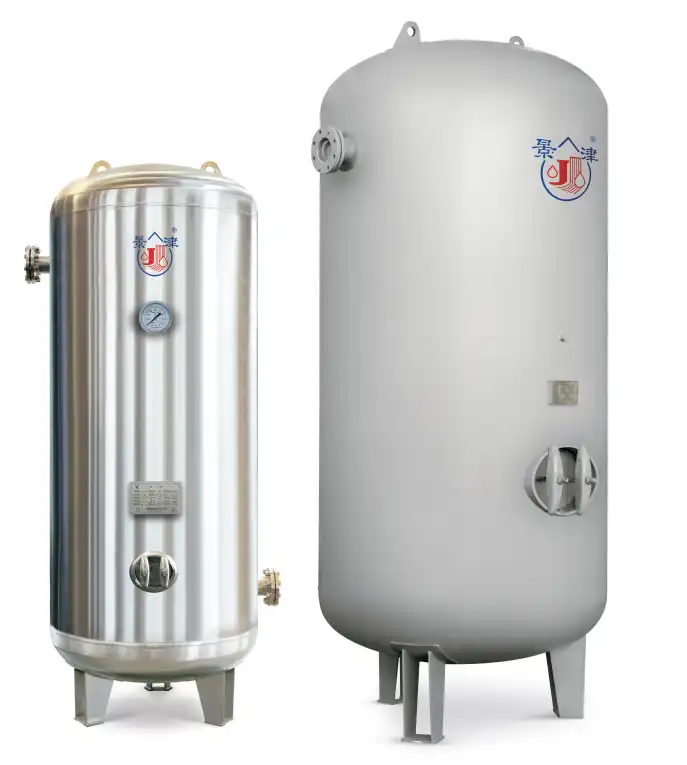
To regulate the feeding of slurry, the collecting of filtrate, and the backwashing operations in filtering systems, stainless pressure tanks operate with dewatering equipment. A typical tank features a cylindrical shell, dished or elliptical head, intake and exit nozzles, pressure release valves, level indicators, and installation supports. Shell width is determined by ASME Section VIII Division 1 or PED 2014/68/EU. This maintains machine safety at design pressures between 50 and 300 psi.
When the filter press works, the tank maintains slurry supply pressure. This prevents cavitation and ensures cakes develop equally on all filter plates. Clear liquid is collected in a slight vacuum or at normal air pressure in downstream filtration tanks. The liquid can easily proceed to the next treatment procedure. In medical and food preparation facilities with rigorous purity standards, stainless pressure tanks prevent iron leaching and microbial growth.
Types and Orientations for Industrial Use
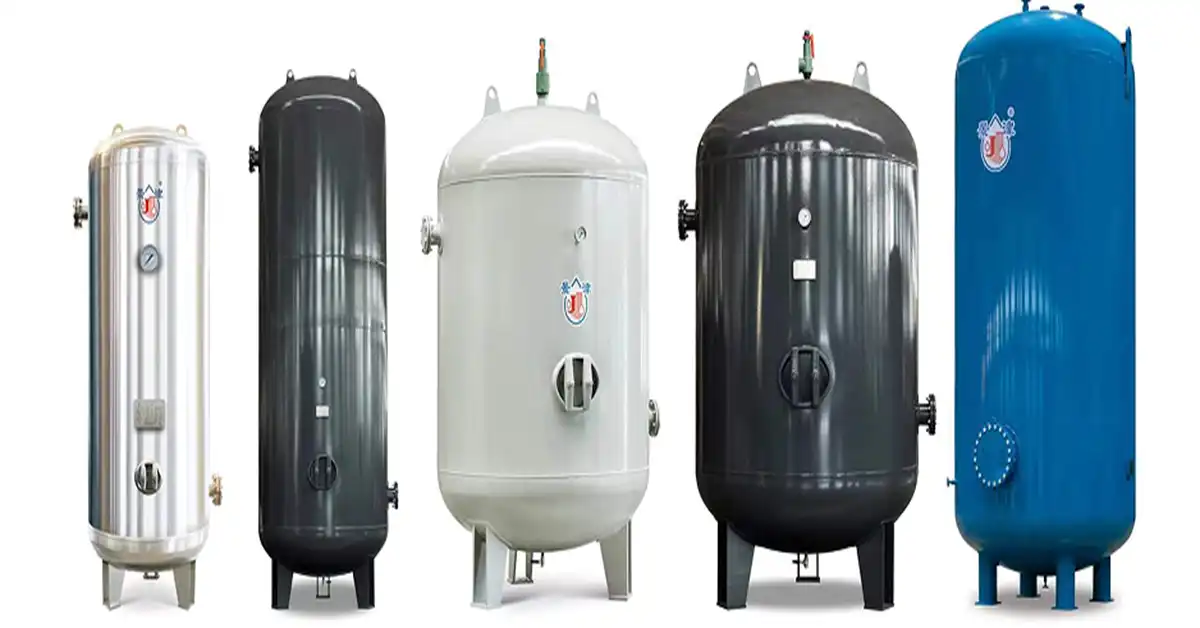
Urban wastewater treatment plants have limited space; thus, vertical stainless pressure tanks maximize floor area. Their curved or cylindrical bottoms let water drain fully and prevent silt buildup during CIP cycles. Horizontal designs are good for high-volume mining and tunneling because surge capacity can smooth out variable slurry flows from upstream water removal circuits.
Atmospheric tanks collect filtrate, whereas pressurized ones use automated filter press cycles to save operator effort and cycle times. Jacketed designs move hot or cold media to maintain viscosity during filtration in biotech and chemical operations.
Compliance with Global Design Standards
Adhering to recognized rules offers procurement teams confidence that the building is safe and lawful. ASME certification involves material monitoring, weld checking, and hydraulic testing at 1.3–1.5 times design pressure. All EU locations need European PED approval, which requires third-party audits and CE certification. The ISO 9001:2015 and ISO 14001:2015 standards demonstrate a company's quality and environmental management, which supports its sustainability goals.
Global manufacturers offer entire documentation packages including material test findings, radiography film, ultrasonic testing records, and ASME U-stamp certifications. These streamline permit and insurance approvals. These principles reduce liability and ensure high-stakes safety for decades.
Benefits and Performance of Stainless Pressure Tanks
Durability and Corrosion Resistance
The chromium-rich passive layer of a stainless pressure tank can fix small scratches on its own, so it doesn't rust even when silica, coal dust, or mineral concentrates are mixed with abrasive slurry flows. Unlike carbon steel, which needs to be painted every so often and has interior liners that peel and get into the filtrate, stainless pressure tanks work well for 20 to 30 years without any upkeep.
When removing water from sewer sludge, where changes in pH and chloride levels can damage materials, the 316L metal with molybdenum is better at resisting pitting. Duplex stainless pressure tank types are used in mining operations that deal with acidic waste or sulfide concentrates because they are strong and don't crack when exposed to chloride stress.
Energy Efficiency and Operational Cost Savings
By reducing pressure drops and turbulence, an optimized stainless pressure tank design lowers the amount of energy used by the pump. Smooth electropolished innards (Ra < 0.4 μm) get rid of dead zones where solids settle, which means that CIP processes use less water and are done more often. Jackets that keep temperatures stable can cut heat loss by up to 40%. This can save money on the cost of steam or chillers in pharmacy settings.
Automated level and pressure tracking that is connected to SCADA systems allows for predictive maintenance, which finds problems before they happen. Real-time data logging helps improve processes by finding inefficient cycle steps that raise dumping costs or lower output. Over a 15-year lifetime, these gains in efficiency more than make up for the higher cost of stainless pressure tank building.
Safety Features and Reliability
Pressure relief valves that are set up according to the code standards keep the system from over-pressurizing due to pump bursts or blockages. This keeps people and equipment further downstream safe. Rupture plates are a backup failsafe that lets air out safely in the worst cases. Sight glasses and clear level gauges let you see what's going on, so you don't have to rely on electronic indicators as much in dangerous or remote areas.
High-strength metals keep their mechanical qualities at high temperatures, so stainless pressure tanks can be used for biotech fermentation and cell culture media filtration at temperatures up to 275°F. Negative-pressure uses are possible with full vacuum ratings, like in belt filter press vacuum boxes or membrane filtering backwash systems, without the risk of collapse.
These safety features mean that work can go on without interruption and regulations are followed. When process engineers specify stainless pressure tanks for important jobs where equipment failure could lead to safety issues, environmental violations, or lost production, they feel more confident.
Comparing Stainless Pressure Tanks with Alternative Materials
Material Performance and Longevity
Carbon steel tanks need cement or rubber linings to prevent corrosion. This increases installation costs and maintenance complications. Linings need recoating after 5–8 years due to thermal peeling and abrasion. Delamination causes pollution. Plastic tanks are inexpensive and portable, but they lack the pressure and temperature ranges needed in large industrial operations. While FRP is corrosion-resistant, it breaks down in the sun and can't sustain the mechanical demands of large-diameter stainless pressure tanks.
Stainless pressure tanks are immune to these issues. It can be totally recycled and won't delaminate or lose its coating because it's one-piece. Surface passivation enhances corrosion protection after welding, keeping the structure sturdy without constant replacement.
Environmental and Lifecycle Considerations
More than 90% of a stainless pressure tank may be recycled, supporting a circular economy and reducing landfill waste. Inactive surfaces prevent heavy metals and plasticizers from entering process streams. This safeguards product quality and environmental release permissions. Fewer maintenance rounds imply less solvent and chemical cleaning, which reduces hazardous waste.
In terms of total cost of ownership, stainless pressure tanks return more. Extended service life, reduced downtime, fewer replacements, and fewer emissions offset the greater initial cost. Procurement teams calculating lifetime costs say a stainless pressure tank that costs 50% more than carbon steel will save multiples of that premium over 20 years.
Sizing and Capacity Selection
The optimal stainless pressure tank size balances capacity, footprint, and process. Slurry feed tanks should hold 1.5–2 times the filter press chamber capacity. This provides space for fast cycle beginnings. Filtrate tanks need enough area for their greatest filtration rates to avoid overflowing during high production.
Process engineers determine retention duration, turnover frequency, and peak flow rates to get the optimal measurements. Vertical stainless pressure tanks are excellent for fewer than 5,000 gallons, whereas horizontal ones are best for mining and major metropolitan facilities that need 10,000 or more. Parallel tanks in modular systems allow operations to grow as capacity increases, making them more adaptable.
Buying and Procuring Stainless Pressure Tanks
Market Dynamics and Lead Times
It usually takes 12 to 16 weeks from the time an order is placed until the stainless pressure tank is delivered. This time includes technical review, getting materials, fabrication, NDT inspection, and hydrostatic testing. Standard-sized stock tanks can be shipped in 3 to 6 weeks, but there aren't many ways to make them unique. Volume prices and planned delivery plans help bulk sales or projects with more than one unit, which are in line with building goals in EPC contracts.
Warranty terms vary by maker, but most reliable sellers give coverage for 1 to 2 years on both parts and labor. For premium stainless pressure tank types and uses, you can get extended warranties that last for 5 years. This gives you more peace of mind for mission-critical installs.
Key Cost Factors and Value Assessment
Choosing the right material type has a big effect on price. It costs about 15% less than Type 316L and can be used in mild conditions like drinkable water or wastewater with low chlorine levels. Duplex metals cost 30 to 40 percent more than other alloys, but they work better in harsh chemical and saltwater environments than any other alloy. Fabrication complexity, which includes the number of nozzles, unique angles, jacketing, and electropolishing, raises base costs by 10 to 25 percent.
Along with unit price, you should also look at how well the provider can help with engineering, make sure paperwork is full, and provide service after the sale. It's easier to get permits and put things together when suppliers offer 3D CAD models, FEA stress analyses, and PE-stamped plans. Local service networks speed up the delivery of extra parts and emergency fixes, which cuts down on unplanned downtime.
Jingjin Equipment Inc. has been known for its solid-liquid separation skills since 1988. Now, the company offers designing services for stainless pressure tanks that work with their solid-liquid separation skills. Our team works with clients to choose vessels that are best for integrating filter presses, so the process runs smoothly.
Professional Installation and Commissioning
Installing a stainless pressure tank correctly can save you a lot of money and time in the long run. To keep shell stress and seal failures from happening, mounting pads need to be leveled very carefully. Flexible couplings or expansion loops must be used at pipe links to allow for heat expansion. Before starting up, pressure testing makes sure that the weld is solid and the valve works properly, finding any problems before they become operational.
Manufacturers that offer turnkey installation services combine the work of the mechanical, electrical, and instrumentation parts, providing systems that are fully set up and ready to go into production. Training programs teach plant workers how to operate safely, do regular upkeep, and handle emergencies. This makes dependability a normal part of daily life.
Maintenance and Safety Guidelines for Stainless Pressure Tanks
Cleaning Procedures and Frequencies
Biofilm, scale growth, and cross-contamination between batches in a stainless pressure tank can be avoided by cleaning regularly. In CIP procedures, hot detergent solutions at 130 to 160°F are pumped around the system. This is followed by cleaning rinses with diluted sodium hydroxide or peracetic acid. Clean-in-place (CIP) tanks for sludge need to be done once a month, while clean filtrate tanks only need to be done every three months.
Surfaces that have been electropolished are less rough, which makes it easier to clean and lessens the chance that microbes will stick to them. Spray balls or spinning spray heads make sure that all areas are covered, so there are no dead spots. Validation tests make sure that the area is clean and meets FDA 21 CFR Part 11 or EHEDG standards in businesses that are controlled.
Inspection Checklists and Preventive Maintenance
Stainless pressure tank shell areas are checked for rust, dents, and stress cracks once a year by outside inspectors. Through ultrasonic thickness measuring, wall thinning caused by internal rust or erosion can be found. Every year, pressure relief valves need to be tested on a bench to make sure the set point is correct and the seat is solid. Every 5 years, as required by ASME or your local government, an internal checkup checks the state of the welds, the attachment of the nozzle, and the shell lining (if there is one).
Calibration of instruments keeps measurements accurate. Pressure sensors move over time, so they need to be adjusted for zero and span every three months. Level monitors need to be cleaned to get rid of any coatings or dirt that are giving them wrong readings. These jobs are all part of preventive maintenance plans, which keep stainless pressure tanks from breaking down without warning and make the vessel last longer.
Safe Handling and Emergency Protocols
Before repair can be done on pressurized systems, strict lockout/tagout rules must be followed. Depressurization and releasing keep stored energy from being released by mistake. For internal checks, confined space entry procedures say that the atmosphere must be tested, there must be ventilation, and rescue workers must be on standby.
Pressure vessel manufacturing companies’ emergency response plans cover overpressure, leaks, and structural problems. The relief valve outlet pipe moves the released media to a safe place, away from people and sources of ignition. Spill prevention systems catch liquids that leak out and keep the groundwater and dirt safe. Operators get used to what to do in an emergency by practicing regularly, which speeds up response times during real events.
These rules are in line with OSHA 29 CFR 1910.146 and EPA SPCC rules, which lower the risk of legal trouble and keep workers safe. Operators who follow these rules have records with no incidents, which is good for the company's image and keeps them from getting fined by regulators.
Conclusion
When it comes to solid-liquid separation methods that need to be reliable, safe, and long-lasting, stainless pressure tanks are the best choice. They are needed in sewer treatment, mining, chemical manufacturing, and pharmaceutical production because they don't rust, keep their shape, and meet world standards. Even though it costs more up front than other materials, the benefits in the long run from less upkeep, longer service life, and better efficiency make the extra cost worth it. Choosing reliable providers who offer full engineering support, clear documentation, and quick after-sales service guarantees a successful job and years of trouble-free use.
FAQ
Q1: What lifespan can we expect from a properly maintained stainless tank?
The service life of a stainless pressure tank is usually between 20 and 30 years if the workers clean and check it on a regular basis. Vessels in light environments, like drinkable water systems, can last longer than 40 years. However, vessels used in harsh chemical environments may need to be replaced after 15 years because of pitting that forms in the material. Longevity is increased by regularly checking the ultrasonic thickness and applying passivation treatments at the right time.
Q2: Why does stainless steel cost more upfront but save money long-term?
Carbon steel needs to be lined on the inside, re-coated every 5 to 8 years, and checked for rust often. These ongoing costs, along with shorter repair cycles, add up to more than the cost of stainless pressure tanks by years 12 to 15. Stainless pressure tanks get rid of these costs and lower production losses and fines for polluting the environment.
Q3: Can tanks be customized for unique process requirements?
Manufacturers often change the configurations of the nozzles, the jackets, the mounting positions, and the monitoring kits. When room is limited or specific retention times need to be met, a custom stainless pressure tank size can help. Engineers work together on complicated integrations like multi-compartment tanks or mixed vacuum-pressure designs to make sure the best fit for the process.
Partner with Jingjin for Engineered Filtration Solutions and Pressure Tank Integration
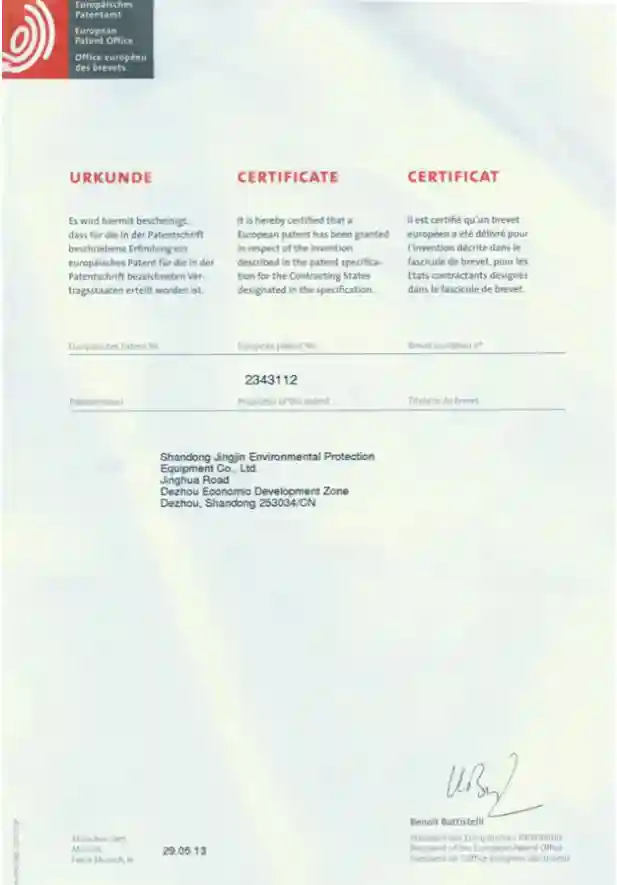
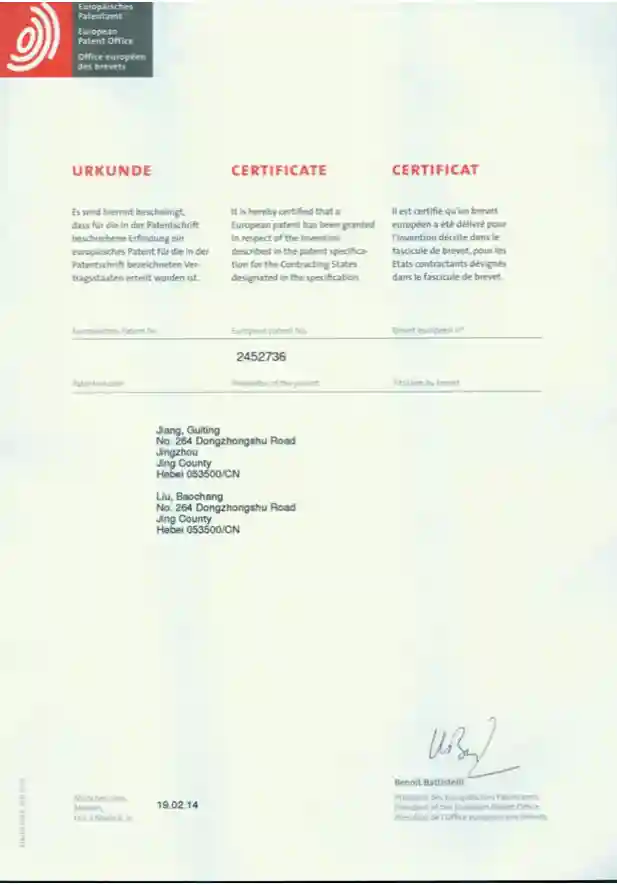
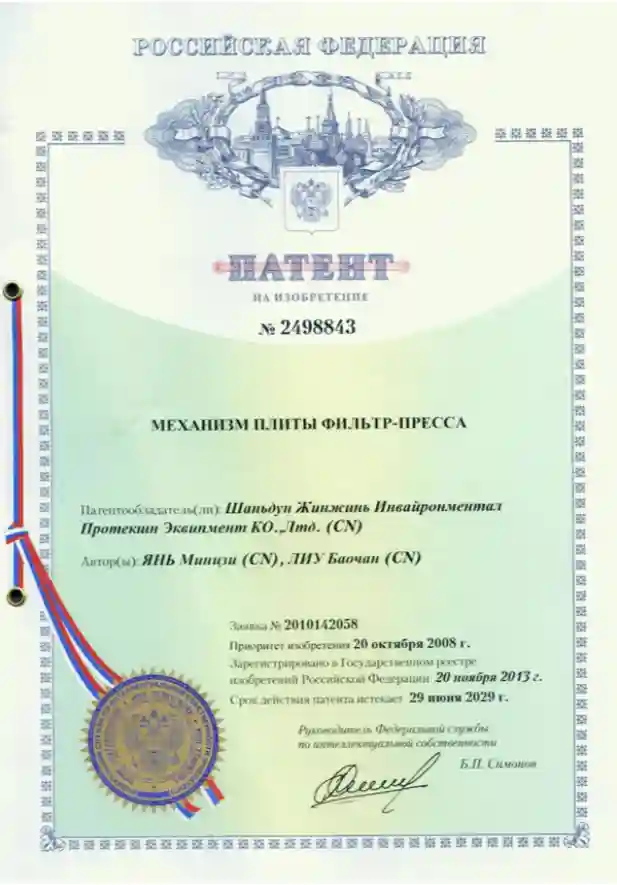
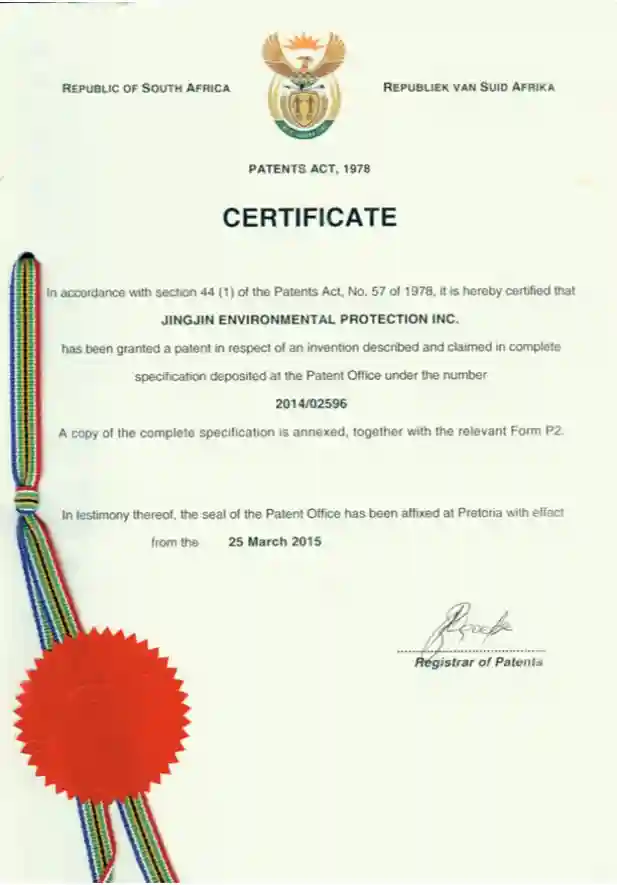
Since 1988, Jingjin Equipment Inc. has been a known global provider and maker of filter press systems. With over 35 years of experience separating solids from liquids, they can help you with your biggest dewatering problems. Our engineering team creates stainless pressure tank solutions that work perfectly with our unique filter press technology. This improves the regularity of the slurry feed, the quality of the filtrate, and the automation of the cycle. If you work in chemical processing, pharmaceutical manufacturing, mining tailings management, or treating wastewater for cities, Jingjin can help you with their full systems, which are backed by more than 136 patents and service in 123 countries.
We offer full help, from designing the process and choosing the right tools to installing it, getting it up and running, and keeping it that way. Get in touch with our experts right away at [email protected] to talk about your needs and get a personalized estimate. Find out how Jingjin's track record of dependability, global service network, and commitment to business excellence can help your purchasing strategy and the long-term performance of your processes.
References
1. American Society of Mechanical Engineers. (2021). ASME Boiler and Pressure Vessel Code, Section VIII: Pressure Vessels. New York: ASME Press.
2. European Parliament and Council. (2014). Directive 2014/68/EU on the Harmonisation of the Laws of the Member States Relating to the Making Available on the Market of Pressure Equipment. Brussels: Official Journal of the European Union.
3. Schweitzer, P. A. (2018). Metallic Materials: Physical, Mechanical, and Corrosion Properties. Boca Raton: CRC Press.
4. Singh, R. (2019). Applied Welding Engineering: Processes, Codes, and Standards (3rd ed.). Oxford: Butterworth-Heinemann.
5. Water Environment Federation. (2020). Design of Municipal Wastewater Treatment Plants: WEF Manual of Practice No. 8 (6th ed.). Alexandria: McGraw-Hill Education.
6. Wypych, G. (2016). Self-Cleaning Coatings: Structure, Fabrication and Application. Toronto: ChemTec Publishing.
jingjin
Founded in 1988, Jingjin specializes in filter presses and liquid-solid separation solutions, serving over 130 countries worldwide, and is a standard-setter in China's filter press industry.
Get the Filter Press guide
Enter Your Email for Technical assistance for the Filter Press.



Recommended Blog
China Filter Press Supply Chain from Coastal Industrial Parks
How to Choose the Right Screw Dewatering Equipment for Your Paper Mill Sludge
Comparing Industrial Feed Pump Specifications for Filter Press Systems
Where to Source Membrane Filter Press in China for Export?
Affordable Press Filter Machines for Wastewater Treatment: Best Options in 2026
Automated Filter Press Systems: Revolutionizing Industrial Filtration Processes
Expansion Tank vs Pressure Tank: Which One Should You Choose?