How to Choose the Right Membrane Plate Filter Press for Your Industrial Needs
How to Choose the Right Membrane Plate Filter Press for Your Industrial Needs
Understanding Membrane Plate Filter Presses: Key Features and Working Principles
- Understanding Membrane Plate Filter Presses: Key Features and Working Principles
- Essential Criteria for Selecting a Membrane Plate Filter Press
- Procurement Considerations: Price, Delivery, and Supplier Selection
- Operation, Maintenance, and Troubleshooting for Optimal Performance
- Decision-Making Framework: Matching Your Industrial Needs with the Right Filter Press
- Conclusion
- Frequently Asked Questions About Membrane Plate Filter Presses
- Partner with Jingjin for Your Industrial Filtration Success
- References
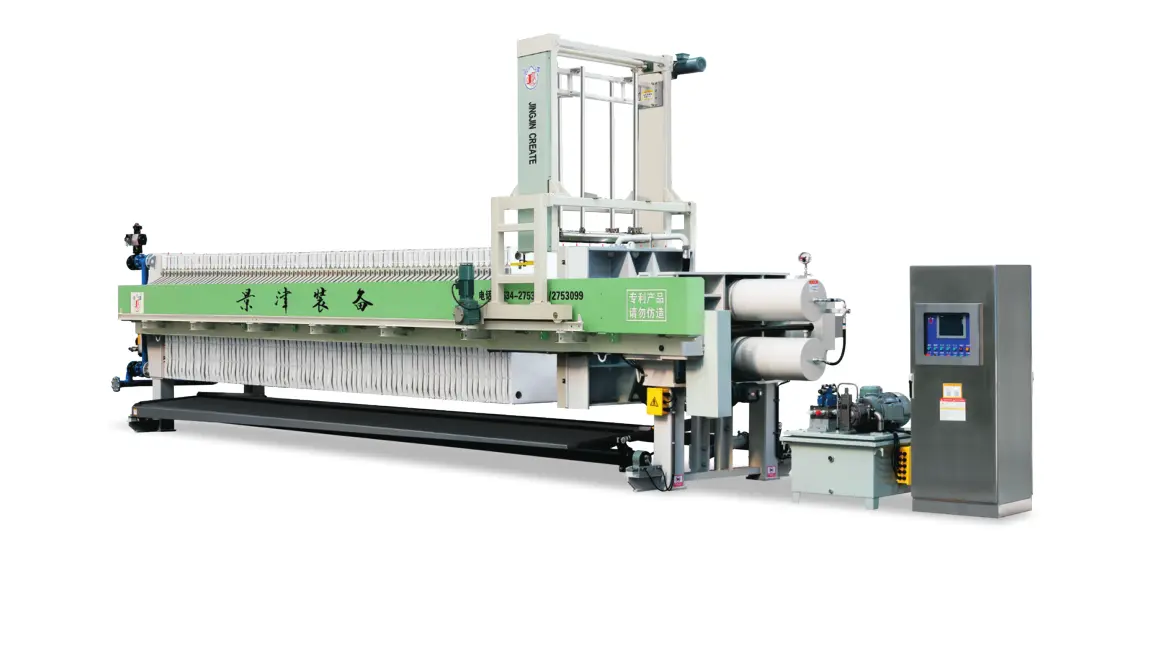
Selecting the right membrane plate filter press depends on understanding your specific operational requirements and matching them to the technical capabilities of available systems. This advanced filtration technology incorporates flexible membranes that inflate during a secondary squeezing phase, physically compressing filter cakes to achieve moisture reductions of 10-20% beyond conventional recessed chamber presses. The decision framework centers on evaluating slurry characteristics, target cake dryness, throughput capacity, automation needs, and total cost of ownership. Industries ranging from municipal wastewater treatment to mining tailings dewatering rely on these systems to meet stringent environmental regulations while reducing disposal costs and improving process efficiency.
Understanding Membrane Plate Filter Presses: Key Features and Working Principles
The Core Mechanism Behind Membrane Technology
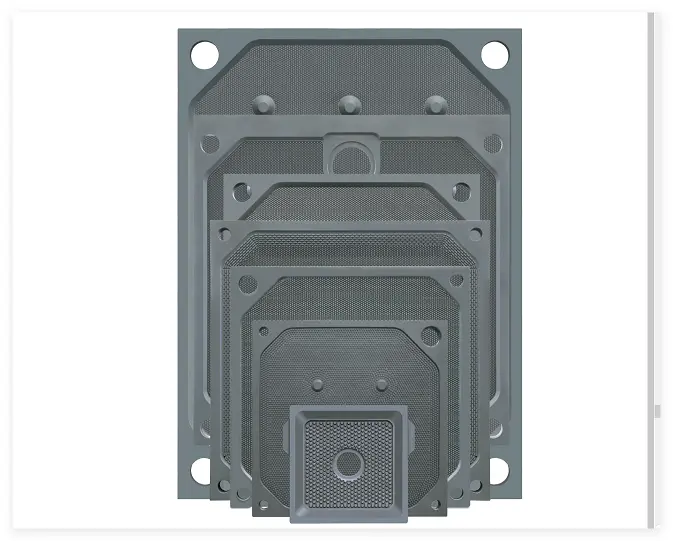
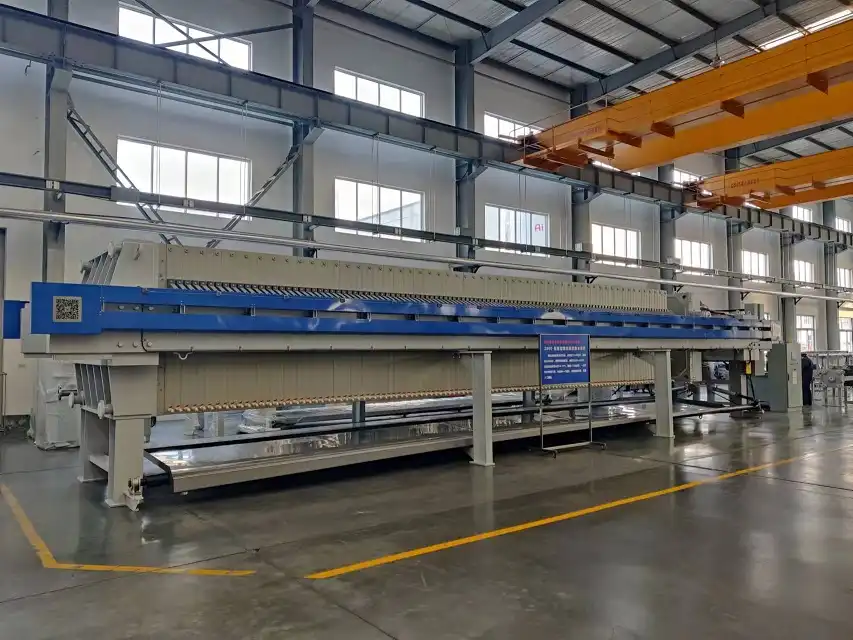
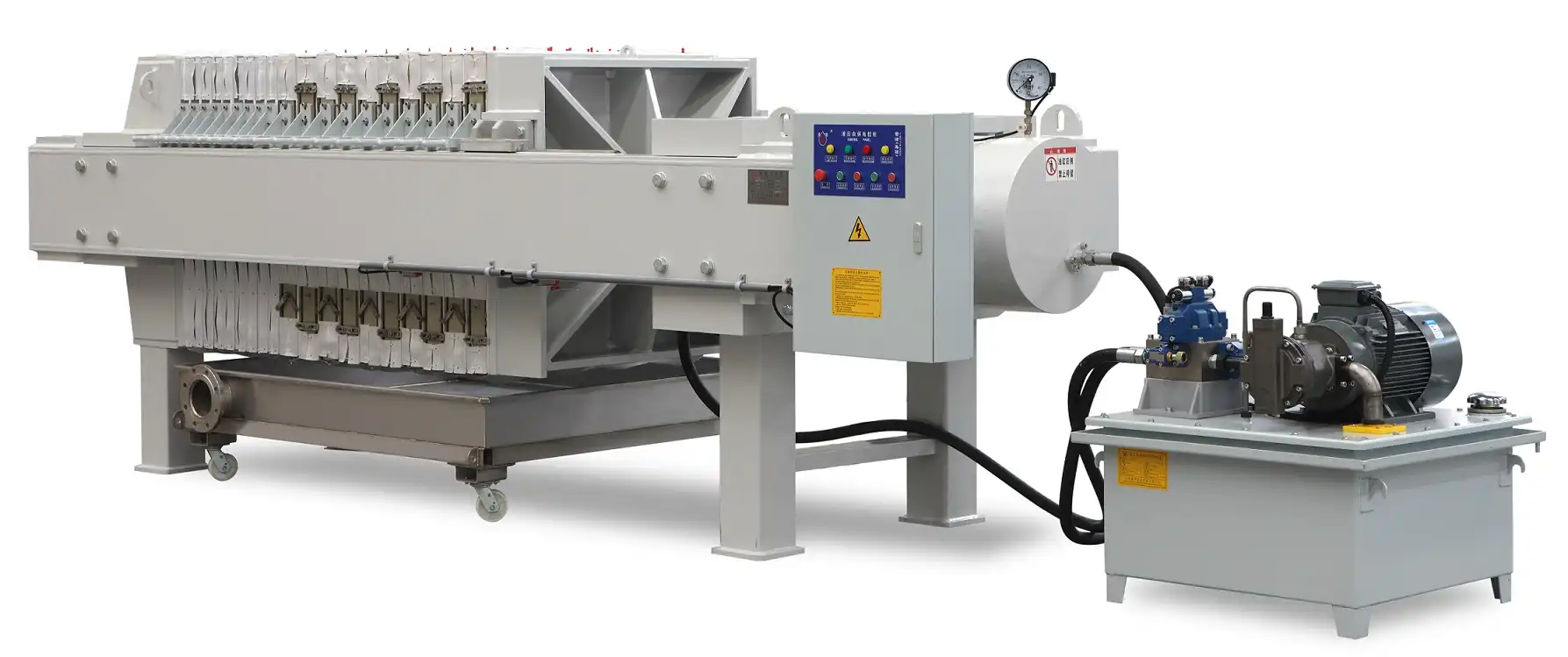
The membrane plate filter press is an advancement of the batch pressure filtering process developed to overcome the limitations of the traditional chamber press. Special filter plates with elastic diaphragms made of thermoplastic elastomer or reinforced polypropylene, that’s what makes it special. During operation, slurry is introduced into chambers between neighboring plates until solids fill the available area. When the feed pump is stopped, the membranes are filled with compressed air or water (pressurized fluid), creating a secondary squeezing pressure of 6 to 30 bar on the filter cake. The mechanical squeezing will push interstitial moisture out of the cake matrix and the level of dryness that can be achieved with pump pressure alone cannot be achieved.
This approach solves three key industry problems. Conventional press cakes often have high residual moisture, giving cakes at 60-70% moisture content, compared to 10-20% less with membrane squeezing. The procedures suffer from long cycle durations as feed pumps labor during the wasteful tapering period. Once feeding is terminated, membrane compression quickly completes density packing. Inefficient cake washing in chemical processing is improved because the squeeze function fractures cakes uniformly and avoids channeling when wash water bypasses solids rather than permeating them.
Operational Advantages Across Industrial Applications
Membrane systems provide quantifiable performance increases in challenging situations. For municipal wastewater plants with large flows, disposal costs are directly proportional to the weight of the cake. Membrane squeezing reduces the volume of the sludge greatly compared to chamber plates, typically making the cakes autogenous or much cheaper to dispose. The technology’s capacity to resist abrasive mineral slurries, while reclaiming process water is advantageous for mining operations treating challenging tailings from copper, gold or iron ore, which is vital in arid regions where water conservation is important. Fine chemical and pharmaceutical firms use the squeeze step to pre-compress cakes before washing cycles and to improve the purity of the final products by more efficiently eliminating mother liquors.
Programmable logic controllers can regulate the exact timing of feed, filter, squeeze and discharge phases, enhancing these benefits through automation integration. Operators do not run the high pressure feed pumps through the inefficient final packing stage, optimizing energy use. Modular membrane plate designs simplify maintenance routines as individual components can be replaced without removing the complete press structure. Those operational benefits result in less downtime, less personnel requirements, and a better return on investment in equipment.
Essential Criteria for Selecting a Membrane Plate Filter Press
Defining Your Operational Parameters
The selection process begins with clearly articulating process requirements for a membrane plate filter press. Slurry volume determines the necessary chamber capacity, measured in cubic meters or liters per batch. Facilities processing 5-10 cubic meters per cycle require different configurations than operations handling 50-100 cubic meters. Sludge properties including particle size distribution, compressibility, and chemical composition influence filtration rates and achievable dryness. Target moisture content establishes whether membrane squeezing provides sufficient advantage—applications requiring final cakes below 50% moisture generally justify the technology, while those accepting 60-70% moisture may find chamber presses adequate.
Filtration capacity specifications must align with upstream process flows to prevent bottlenecks. A mining concentrator producing 100 tons per hour of tailings slurry needs filtration systems capable of matching that throughput when accounting for cycle time and the number of presses in operation. Power consumption analysis should factor both feed pump energy and auxiliary systems like membrane inflation compressors or hydraulic closing mechanisms. Automation capabilities range from basic manual control to fully automated sequences with remote monitoring, with selection depending on labor availability and process complexity.
Comparing Membrane Technology to Alternative Systems
Understanding the differences between membrane presses and chamber and plate-and-frame designs helps to clarify which technology is best for specific applications. Chamber presses are driven by feed pump pressure only, which typically achieves maximum densities in the region of 12-15 bar, generating wetter cakes that are suitable for use where the dryness criteria are less rigorous or disposal costs cheaper. Plate-and-frame designs are flexible in terms of cloth selection and washing processes, but they do not have the mechanical squeezing benefit. Membrane systems are typically 20-30% more expensive than identical chamber presses in terms of capital cost, but they can save operating costs because of reduced waste quantities, faster cycles and better washing performance.
Configurations are tailored to process conditions for maximum performance. Mixed pack arrangements alternate membrane and recessed plates in a single press frame, allowing operators to balance squeezing benefits against capital costs. Plate materials range from ordinary polypropylene for common applications to corrosion resistant materials such as PVDF or stainless steel for harsh chemical environments. Membrane construction can be made in replaceable form which is less costly to maintain than permanently bonded alternatives. The size can be scalable also . You can add more plate stacks to increase capacity or you can add more presses in parallel to increase capacity . This is flexible as you grow output .
Procurement Considerations: Price, Delivery, and Supplier Selection
Analyzing Total Cost of Ownership
Purchase price represents only one component of the financial equation. A membrane plate filter press priced at $200,000 that reduces sludge disposal costs by $80,000 annually delivers payback within three years, while a $150,000 chamber press saving $40,000 yearly requires nearly four years to recoup. Operational efficiency impacts ongoing expenses through power consumption—membrane systems using 30 kW total power operating 16 hours daily consume roughly 175,000 kWh annually, translating to $17,500 at typical industrial rates of $0.10 per kWh. Maintenance costs encompass membrane replacement every 2,000-10,000 cycles depending on chemical exposure and operating pressure, with quality membranes costing $500-2,000 per plate.
Delivery timelines vary substantially based on specification complexity. Standard configurations with proven designs in common sizes often ship within 8-12 weeks, while highly customized systems requiring engineering calculations, specialized materials, or unique automation integration extend lead times to 16-24 weeks. Understanding these schedules prevents project delays—EPC contractors building new treatment plants must coordinate filter press delivery with construction milestones to avoid costly schedule slippages or interim storage expenses.
Evaluating Supplier Capabilities
Supplier selection is not just about buying equipment but making a long-term operating partnership. Global service networks are particularly important for firms with several sites in different areas – local technical help reduces reaction times when resolving difficulties or finding new parts. The speed at which operational problems are fixed is determined by the quality of after-sales assistance. Suppliers with 24/7 technical hotlines, extensive spare part inventories and field service personnel reduce unplanned downtime that interrupts production.
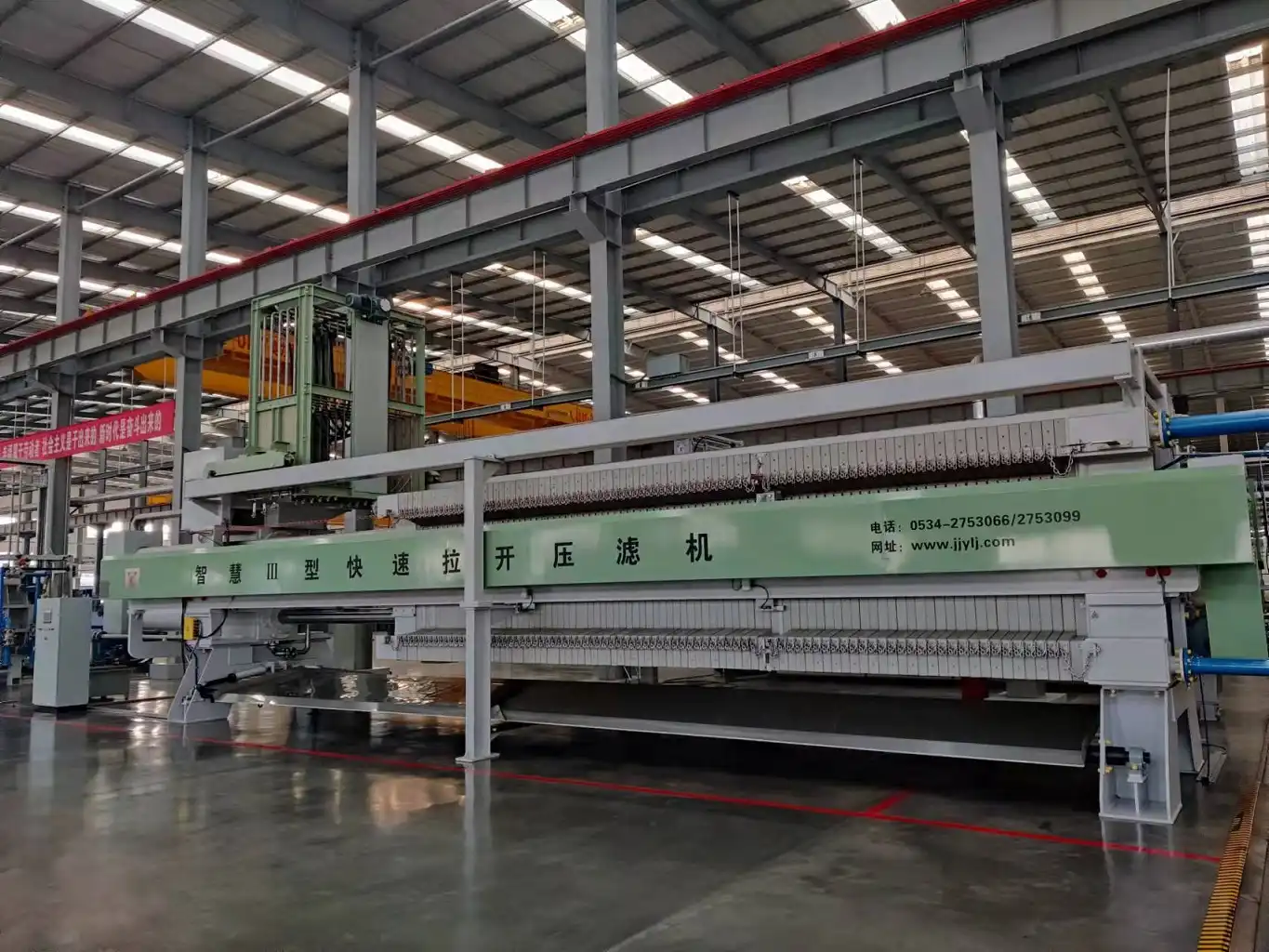
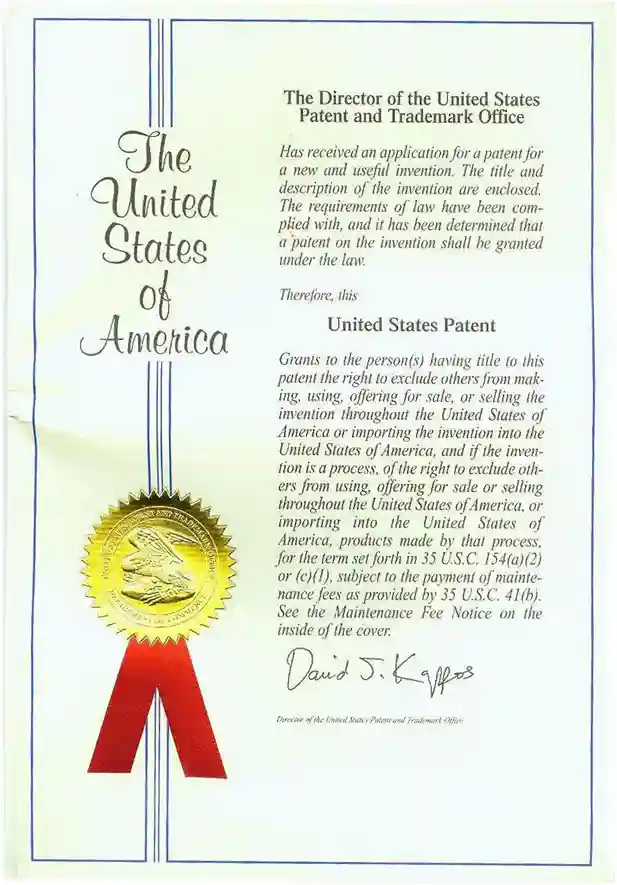
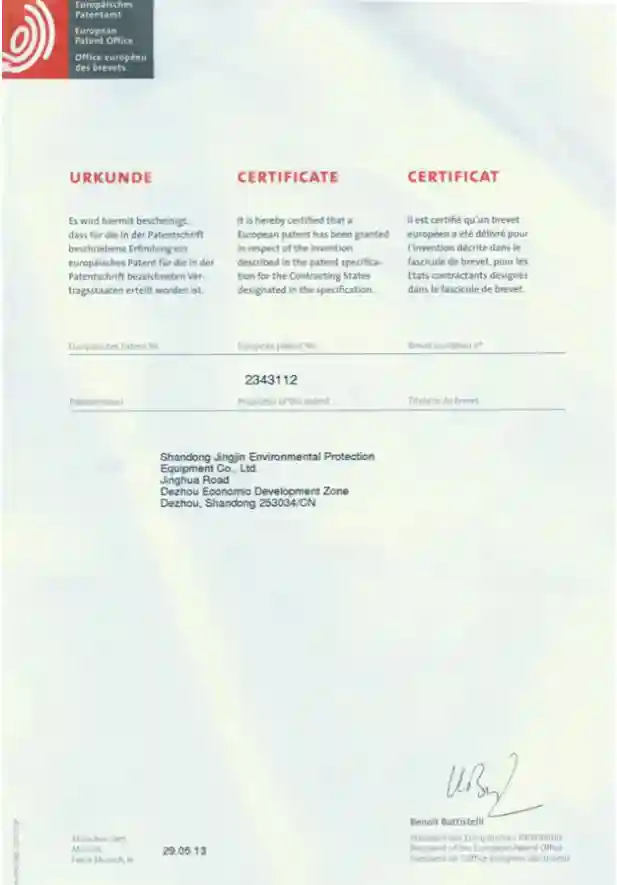
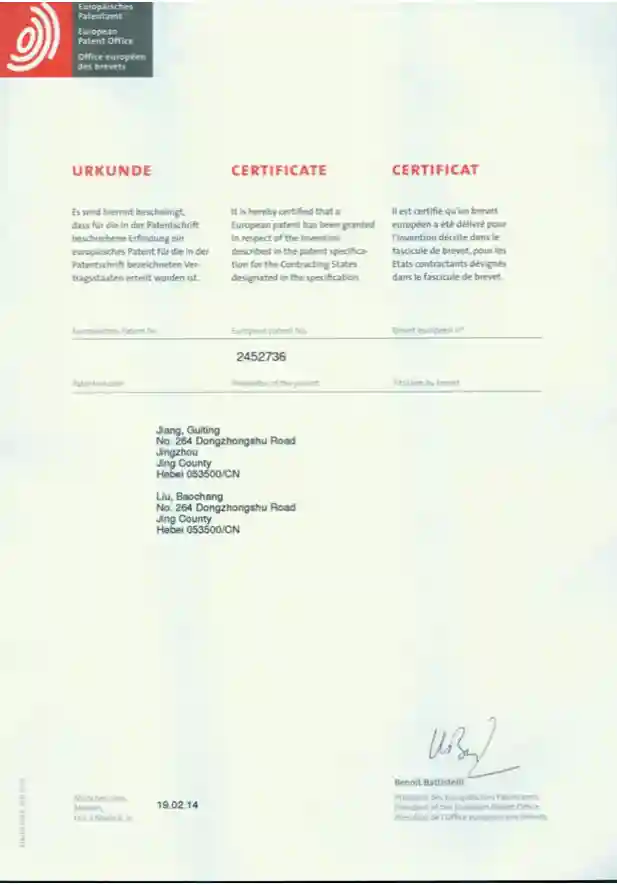
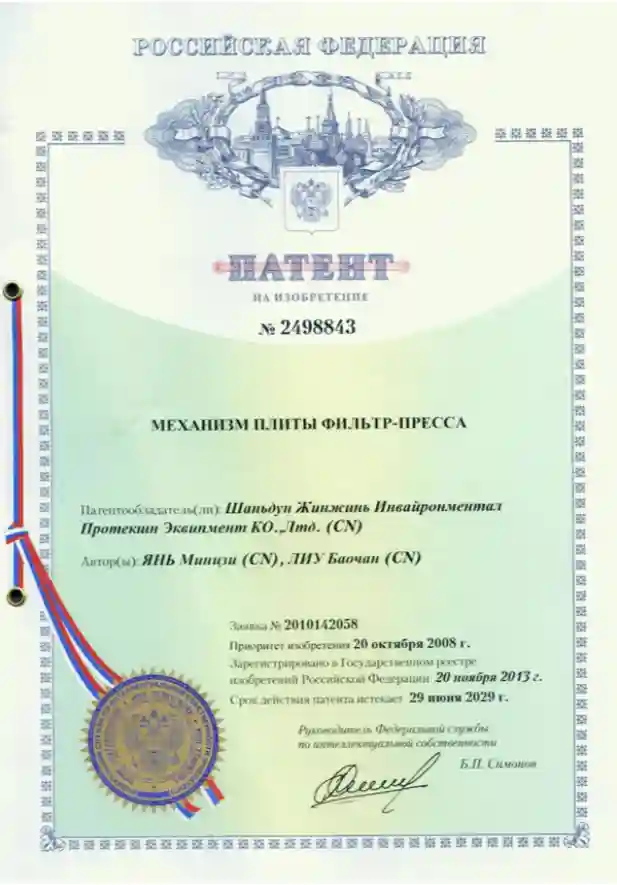
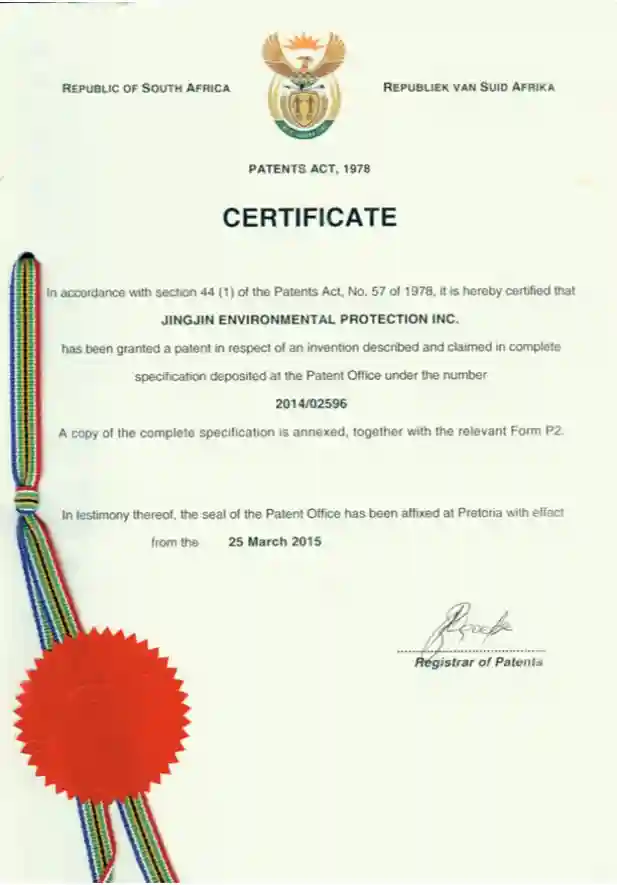
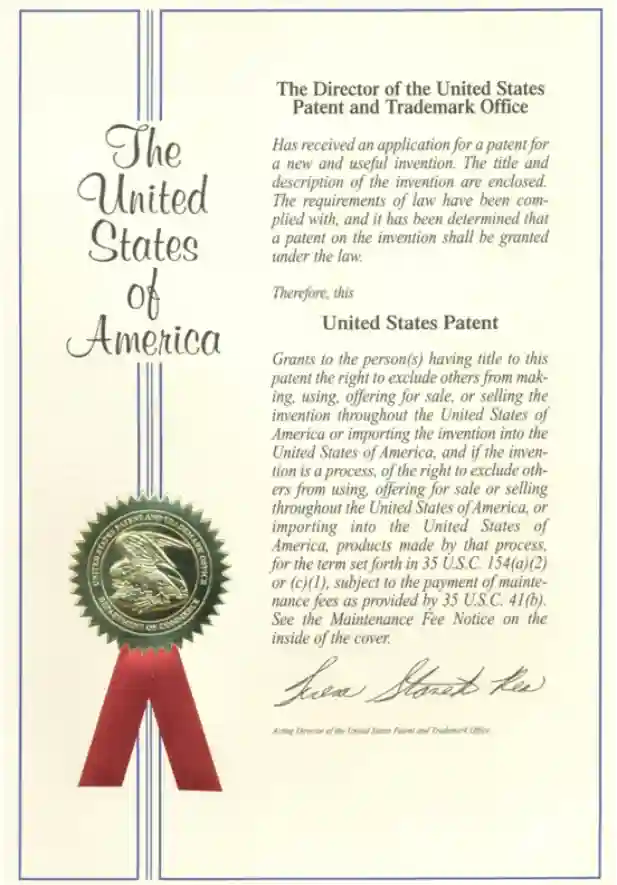
Founded in 1988, Jingjin Equipment Inc. supplies to customers in 123 countries and owns more than 136 patents for its own filtering inventions. The company’s large-scale production capability guarantees reliable availability, even for large orders. Its broad product ecosystem, comprising filter plates, cloths and supporting equipment, simplifies sourcing through single-source responsibility. Reputation indicators are case studies demonstrating performance in similar applications, client testimonials supporting reliability claims and financial stability indicating the supplier will be able to stay in business over the 15-20 year operational life of the equipment.
Operation, Maintenance, and Troubleshooting for Optimal Performance
Establishing Efficient Operational Workflows
Effective operation begins with understanding the complete filtration sequence. Slurry feeding commences when hydraulic cylinders close the plate stack under pressure, typically 200-250 bar of closing force creating leak-proof seals. Feed pumps introduce slurry at 6-12 bar through inlet ports, with filtrate passing through filter cloths while solids accumulate in chambers. Pressure and flow monitoring signals when chambers fill—feed flow drops significantly as cake resistance increases. The membrane squeeze phase then inflates diaphragms using water at 8-16 bar or compressed air at 6-10 bar, though water proves safer for high-pressure applications due to its incompressibility. Automation technologies manage these transitions, often incorporating programmable delays that optimize cake formation before squeezing begins.
Cake discharge methods depend on application requirements. Automated plate shifting mechanisms step through the stack, opening individual chambers sequentially to drop cakes onto conveyors for transport to storage or disposal. Some installations incorporate wash cycles between filtration and squeezing, introducing clean water or solvent to remove impurities from cakes—the squeeze phase following washing enhances purity by displacing residual wash liquid. Energy savings accumulate through intelligent control systems that adjust feed pressure based on real-time flow rates, eliminating wasted pumping against fully packed chambers.
Implementing Proactive Maintenance Protocols
Scheduled inspections preserve equipment longevity while preventing unexpected failures. Monthly checks should examine filter cloth condition for tears, blinding, or improper seating that allows solids bypass. Membrane surfaces require visual inspection for cracks, delamination, or surface degradation indicating approaching end-of-life. Hydraulic systems need regular fluid analysis and pressure testing to detect developing leaks before they cause operational interruptions. Annual maintenance typically includes replacing wear components like seal gaskets, checking frame alignment to ensure uniform pressure distribution, and verifying automation sensor calibration.
Common troubleshooting scenarios have established diagnostic protocols. Uneven cake formation often stems from damaged cloths or misaligned plates creating preferential flow paths—visual inspection during discharge identifies problem locations. Membrane leakage during squeeze cycles indicates tears or seal failures requiring immediate replacement to prevent further damage. Excessive cycle times suggest inadequate feed pressure, incorrect slurry conditioning, or declining cloth permeability from blinding—chemical cleaning or cloth replacement typically resolves these issues. Maintaining detailed operational logs tracking cycle times, pressure profiles, and maintenance activities enables trend analysis that predicts failures before they occur.
Decision-Making Framework: Matching Your Industrial Needs with the Right Filter Press
Segmenting by Industry-Specific Requirements
Different industrial sectors prioritize distinct performance attributes when evaluating a membrane plate filter press. Municipal wastewater treatment facilities emphasize reliable operation with minimal operator intervention, favoring robust automation and straightforward maintenance since skilled filtration technicians may not staff every shift. These operations handle relatively consistent sludge characteristics, allowing standardized configurations to perform reliably. Chemical manufacturers processing varied products require flexibility—quick cloth changeover capabilities, material compatibility with corrosive substances, and precise wash cycle control to prevent cross-contamination between batches.
Mining applications demand durability above all else, with heavy-duty construction resisting abrasive slurries and impact forces during cake discharge. High-pressure capabilities reaching 16 bar feed pressure and 20+ bar squeeze pressure maximize water recovery in regions where process water costs constrain profitability. Construction and tunneling contractors need portable or skid-mounted systems that relocate between project sites, sacrificing some capacity optimization for mobility. EPC contractors integrating filtration into turnkey facilities value suppliers offering comprehensive documentation, installation supervision, and operator training that satisfy project completion requirements.
Applying Systematic Evaluation Methods
Comparative matrices organize technical specifications for objective assessment. Key parameters include filtration area, typically ranging from 10 to 600 square meters per press; chamber volume determining batch capacity; cycle time affecting throughput; achievable cake moisture content; and physical footprint constraining installation options. Creating weighted scoring systems allows decision-makers to prioritize factors matching strategic objectives—an operation with expensive disposal costs weights moisture reduction heavily, while a facility with space constraints emphasizes compact designs.
Pilot testing eliminates uncertainty when investing in substantial capital equipment. Reputable suppliers provide sample testing services where clients ship representative slurry quantities for laboratory-scale filtration trials. These tests generate empirical data on filtration rates, achievable dryness, optimal operating pressures, and cake handling characteristics specific to your material. The investment in pilot testing, typically $2,000-5,000, prevents costly specification errors that leave equipment underperforming expectations. Supplier consultation during this phase captures operational nuances—experienced applications engineers recognize when seemingly minor process details significantly impact filtration performance.
Conclusion
Choosing the right membrane plate filter press requires balancing technical performance against operational realities and financial constraints. The systematic approach outlined here—understanding membrane technology fundamentals, defining precise operational requirements, evaluating total cost of ownership, comparing alternative technologies, and applying industry-specific decision criteria—builds confidence in procurement decisions affecting long-term profitability. Membrane squeezing technology delivers measurable advantages in moisture reduction, cycle time improvement, and washing efficiency, justifying the premium investment for applications where these benefits translate into operational savings. Partnering with experienced suppliers who provide comprehensive support throughout equipment lifecycles maximizes return on investment while minimizing operational risks.
Frequently Asked Questions About Membrane Plate Filter Presses
1. What inflation medium works best—compressed air or water?
Water inflation generally proves preferable and safer for high-pressure squeezing operations exceeding 8 bar. Water's incompressibility allows precise pressure control and limits catastrophic failure risks if membranes rupture, whereas compressed air stores considerable energy that releases violently during breaches. Lower-pressure applications below 6 bar sometimes use air for simplicity, though water remains the industry standard for critical installations.
2. How long do replacement membranes typically last in service?
Membrane lifespan varies considerably based on chemical exposure and cycle frequency, with quality membranes typically enduring 2,000 to 10,000 cycles. Aggressive chemical environments accelerate degradation, while benign wastewater applications extend operational life. Replaceable membrane designs prove more economical than permanently bonded alternatives since individual damaged membranes swap without replacing entire plates, substantially reducing maintenance costs over equipment lifetimes.
3. Can existing chamber presses be retrofitted with membrane plates?
Retrofitting often proves feasible through mixed pack configurations alternating membrane and recessed plates within existing frames. Success depends on whether hydraulic closing systems generate sufficient pressure for membrane inflation and whether piping accommodates squeeze medium introduction. Engineering assessment determines compatibility—some installations achieve cost-effective capacity upgrades through partial membrane conversion rather than purchasing entirely new equipment.
Partner with Jingjin for Your Industrial Filtration Success
Membrane plate filter press manufacturers vary significantly in technical capability and long-term support quality. Jingjin Equipment Inc. distinguishes itself through 35 years of filtration expertise, holding over 136 patents protecting innovative designs that solve complex separation challenges across diverse industries. Our engineering team collaborates directly with clients to specify optimal configurations matching exact process requirements, backed by comprehensive testing facilities that validate performance before equipment ships.
We manufacture complete filtration ecosystems encompassing not just filter presses but also PP membrane filter plates, specialized filter cloths, and automation control systems—this integrated approach ensures component compatibility and simplified procurement. Our global service network spanning 123 countries provides local technical support, rapid spare parts delivery, and field service capabilities that minimize operational disruptions. Contact our applications specialists at [email protected] to discuss your specific solid-liquid separation requirements and discover how proven membrane plate filter press technology can enhance your operational efficiency while reducing disposal costs.
References
1. Tiller, F. M. & Yeh, C. S. (1985). The Role of Porosity in Filtration: XII. Filtration with Sedimentation. American Institute of Chemical Engineers Journal, 31(9), 1461-1470.
2. Wakeman, R. J. & Tarleton, E. S. (2005). Solid/Liquid Separation: Principles of Industrial Filtration. Oxford: Elsevier Advanced Technology.
3. Purchas, D. B. & Sutherland, K. (2002). Handbook of Filter Media (2nd ed.). Oxford: Elsevier Science Ltd.
4. Svarovsky, L. (2000). Solid-Liquid Separation (4th ed.). Oxford: Butterworth-Heinemann.
5. Shirato, M., Murase, T., Iwata, M., & Nakatsuka, S. (1987). The Tso-Chien Theory of Filtration. Journal of Chemical Engineering of Japan, 20(4), 423-426.
6. Anlauf, H. (2019). Recent Developments in Centrifuge Technology and Mechanical Dewatering. Chemical Engineering & Technology, 42(4), 689-696.
jingjin
Founded in 1988, Jingjin specializes in filter presses and liquid-solid separation solutions, serving over 130 countries worldwide, and is a standard-setter in China's filter press industry.
Get the Filter Press guide
Enter Your Email for Technical assistance for the Filter Press.

Recommended Blog
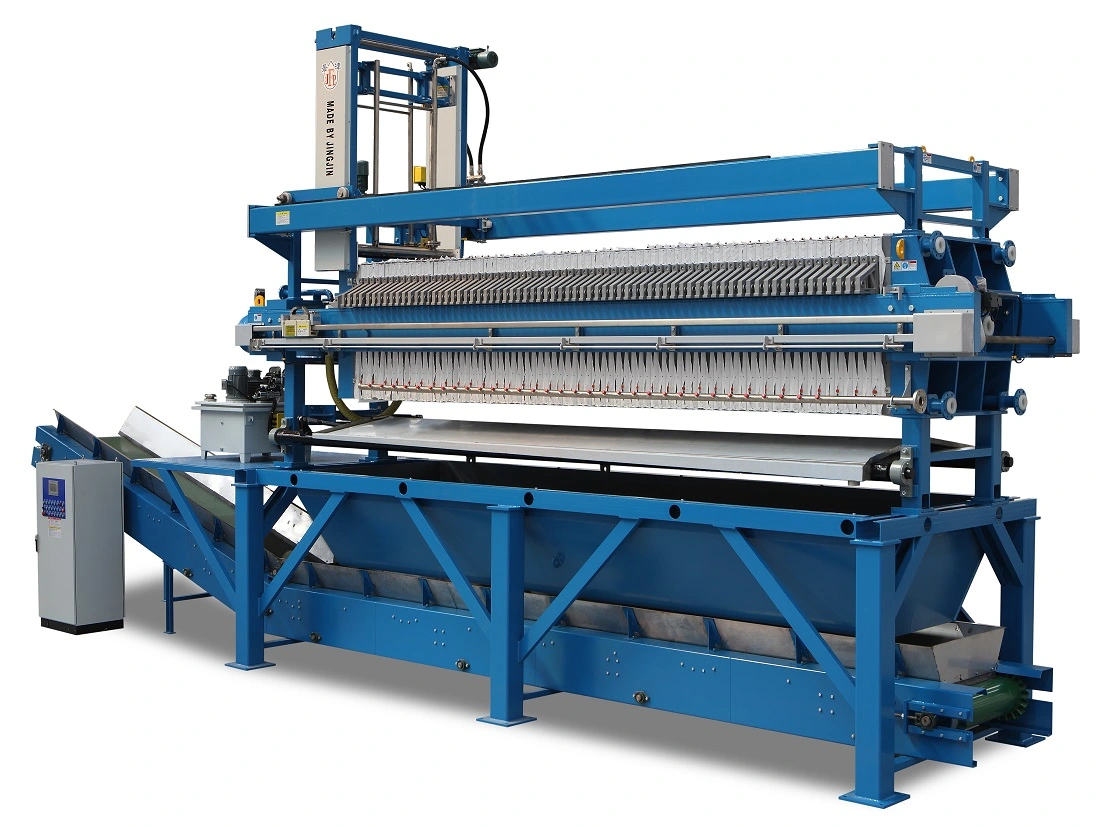
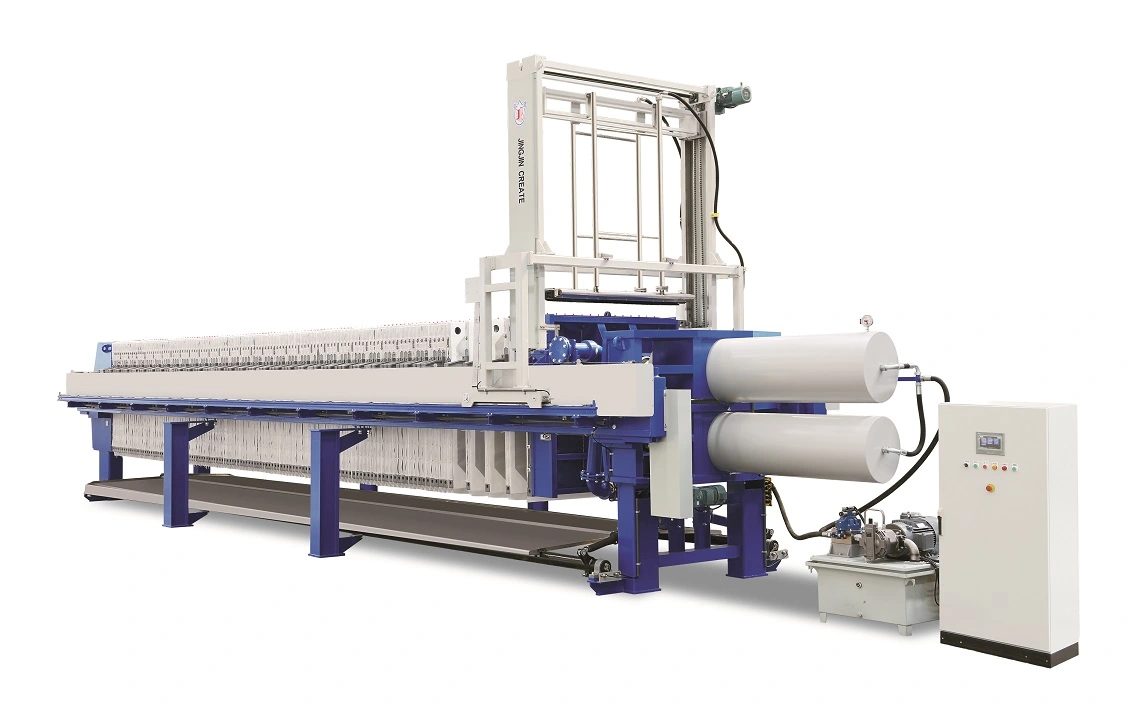
Where to Buy Reliable Press Filters for Chemical and Mechanical Filtration
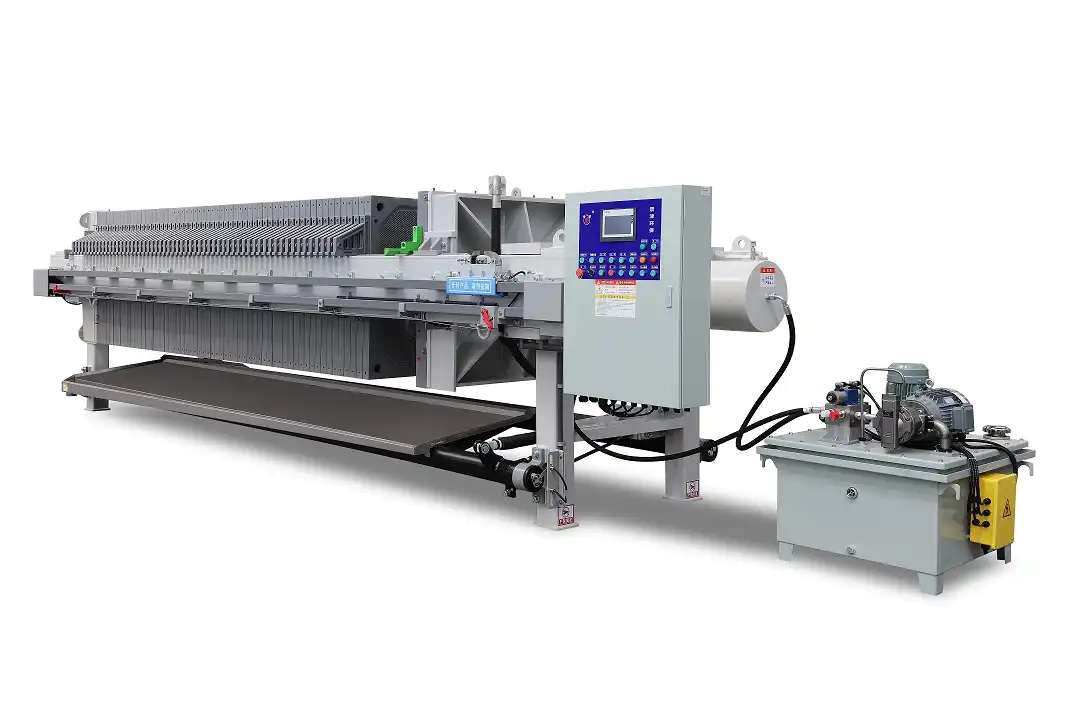
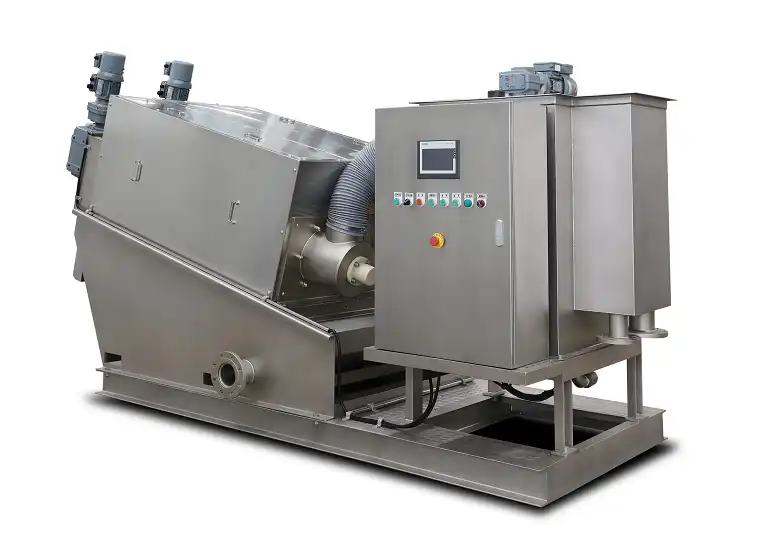
Where to Buy High Quality Multi Disk Screw Press for Efficient Sludge Dewatering
Membrane Plate Filter Press for Mineral Processing: Improving Filtration Results
Improving Food Processing Efficiency with Advanced Press Filter Machines