Screw Press Sludge Dewatering Machine Selection Guide
Understanding Screw Press Sludge Dewatering Machines
- Understanding Screw Press Sludge Dewatering Machines
- Criteria for Selecting the Right Screw Press Sludge Dewatering Machine
- Benefits and Performance Optimization of Screw Press Sludge Dewatering Machines
- Procurement Guide: How to Buy Screw Press Sludge Dewatering Machines
- Conclusion
- FAQ
- Contact Jingjin for Expert Sludge Dewatering Solutions
- References
Choosing the right screw press sludge dewatering machine is very important for getting the best separation of solids and liquids in industrial wastewater treatment. This complete guide will help plant workers, procurement managers, and process engineers find their way around the wide range of dewatering technology choices. When compared to older sorting methods, modern screw press systems are more environmentally friendly, more efficient, and cost less to run. Knowing the key performance indicators, technical specs, and application-specific needs will help you get the most out of your investment while also meeting strict legal standards and operational goals.
Understanding Screw Press Sludge Dewatering Machines
The screw press technology is a big step forward in separating solids from liquids. It works especially well in wastewater treatment plants and factories that need to handle sludge efficiently. These machines have a special mix of spiral compression and filtering that makes them very good at draining while using very little energy and being easy to operate.
Core Technology and Working Principles
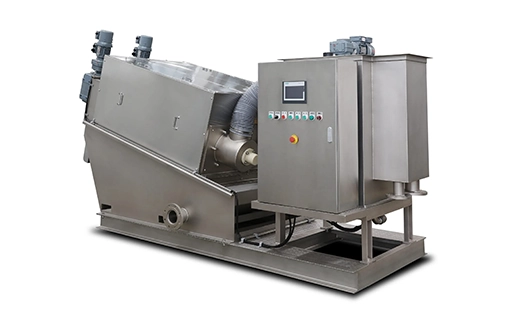
A screw press works by putting sludge into a cylinder-shaped chamber. A spinning screw slowly increases chamber pressure as material moves toward the output end. This gradual compression draws water out through drainage screens while concentrating the solid part. Spiral extruded sludge thickeners have moving and static rings that meet during operation. This produces an automated cleaning mechanism that keeps the machine working smoothly without any effort.
The multi-disk screw press version uses both moving screws and fixed disks to make separation work better. Material travels through the system and encounters increased pressure and shear. This yields very low moisture. This sophisticated design can handle a variety of feed materials with different consistencies, making it useful for mining and chemical processes.
Comparison with Alternative Technologies
Knowing how screw presses stack up against belt presses, centrifuges, and filter presses is important for making smart choices when looking at dehydration options. Centrifuges use more energy and make more noise than belt press systems, so belts need more washing and service. Filter presses can dry cakes if used in batches, but not continuously.
Screw press technology fills in these gaps by allowing continued use with little water needed for cleaning. Less than 1% of the clean water needed by similar thickening equipment is used by the spiral extruded sludge dryer. This saves a lot of money and is better for the environment.
Machine Types and Configurations
Modern screw press systems come in a wide range of sizes, from small units that are good for smaller spaces to large industrial models that can handle hundreds of tons of material every day. Compared to standard systems, the combined assembly design saves a lot of room and makes installation easier. These designs that use room efficiently are especially helpful for retrofit jobs where the footprint is limited by existing infrastructure.
Criteria for Selecting the Right Screw Press Sludge Dewatering Machine
A lot of technical and practical factors need to be carefully looked at in order to find the best screw press sludge dewatering machine option. To make sure that sludge management is durable and cost-effective, the selection process needs to strike a balance between short-term performance needs and long-term practical concerns.
Capacity and Throughput Requirements
To find the right machine capacity, you have to look at how much sludge is being made now and how much is expected to grow in the future. The spiral extrusion sludge thickener works well with sludge amounts between 0.2% and 2%, and it can concentrate the output to over 5%. This feature is especially useful for places that have to deal with low-concentration trash streams that other filtration technologies would have a hard time with.
When figuring out processing capacity, you have to take into account peak flow, yearly changes, and the possibility of needing to expand. Undersized equipment causes problems and lowers the general efficiency of the company, while oversized systems cost more than they need to and don't work as well as they could.
Sludge Characteristics and Compatibility
Different kinds of sludge pose different problems that affect the choice of tools. Different methods are needed to separate municipal biosolids and industrial process sludges because they behave differently. Chemical make-up, particle size distribution, and organic substance all have an effect on how well dewatering works, so they need to be carefully looked at when choosing a material.
The screw and disk arrangement can be changed to precisely control the compression forces, which lets the system be optimized for the properties of the sludge in question. This adaptability makes sure that the machine works the same way even when the feed conditions change, and it also keeps the quality of the result high.
Energy Efficiency and Environmental Considerations
The amount of energy used is a big running cost that adds up over the life of the tools. Most of the time, screw press systems use 30–50% less energy than centrifuge options while still drying materials just as well or better. These systems are good for treating garbage in the long term because they are small and don't need much power. They are also good for the earth.
Advanced automation systems let you watch and make changes in real time, so you can use the least amount of energy possible based on how things are actually working instead of set limits. This smart control method keeps output quality stable while using as little power as possible.
Benefits and Performance Optimization of Screw Press Sludge Dewatering Machines
The operational benefits of current screw press technology go beyond just dewatering performance. They also include dependability, less downtime for upkeep, and better process optimization overall. These benefits directly lead to lower operating costs and better environmental compliance for sites in a wide range of industries.
Operational Reliability and Maintenance Advantages
Screw press systems are different from batch-processing options because they can work continuously 24 hours a day. Several sensors keep an eye on important factors and shut down the system automatically if something goes wrong. This keeps equipment from getting damaged and safety standards high. This automated tracking cuts down on the need for constant human attention while still making sure that the system works the same way every time.
Other dewatering technologies have trouble with filter slit jams, but the moving ring design has a self-cleaning system that takes care of that problem. This automatic maintenance feature cuts down on the amount of cleaning that needs to be done by hand and the amount of downtime that is needed for regular maintenance. Facilities say that upkeep costs are 40–60% lower than with belt press methods.
Volume Reduction and Disposal Cost Savings
Getting a higher cake solids percentage directly means less waste to be thrown away and lower shipping costs. It is a big step forward from traditional thickening ways to be able to reduce low-concentration sludge to more than 5% solids. This better performance helps mining operations a lot, especially when it comes to draining tailings and concentrates, where dumping costs are a big part of the business.
The better cake quality also makes it possible for useful reuse uses, which could turn the costs of getting rid of trash into income streams. It is better to use dryer cake for composting, land application, and energy recovery methods, which adds more value to waste materials.
Process Integration and Automation Benefits
Modern screw press sludge dewatering machine systems are easy to add to existing treatment processes because they have improved tracking and control systems. Real-time adjustments make sure that the machine works at its best in a variety of situations while keeping the quality of the output constant. This technology lowers the level of skill needed by operators and lowers the chance of mistakes.
The small size and modular design make it easy to fit into buildings with limited room without having to make major changes to the infrastructure. This adaptability is especially helpful for repair situations where equipment placement choices are limited by the way things are set up now.
Procurement Guide: How to Buy Screw Press Sludge Dewatering Machines
In order to buy tools successfully, you need to follow a method that balances technical needs with business needs. Knowing what your provider can do, what their warranty covers, and what their support services are will help you be happy with your investment for a long time and reduce business risks.
Supplier Evaluation and Selection Criteria
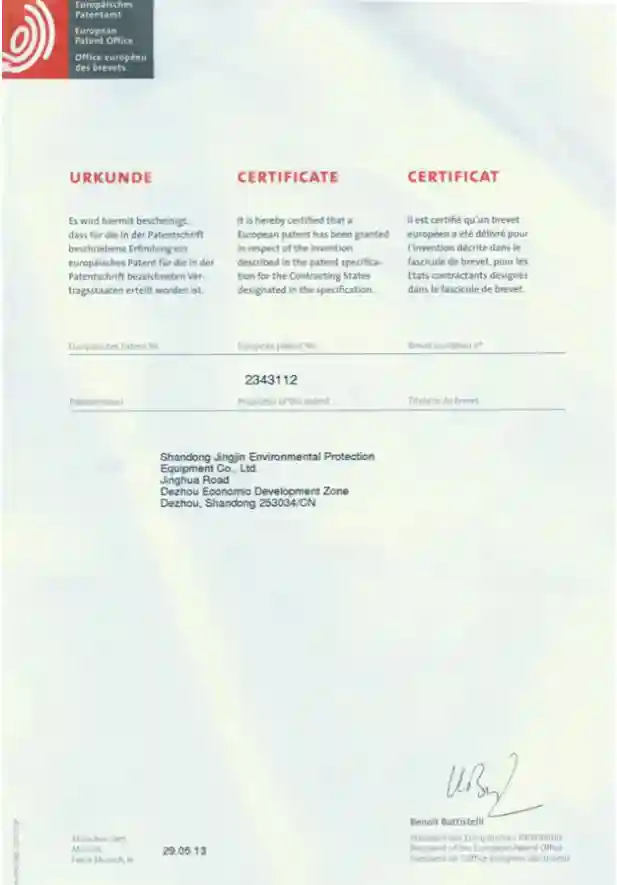
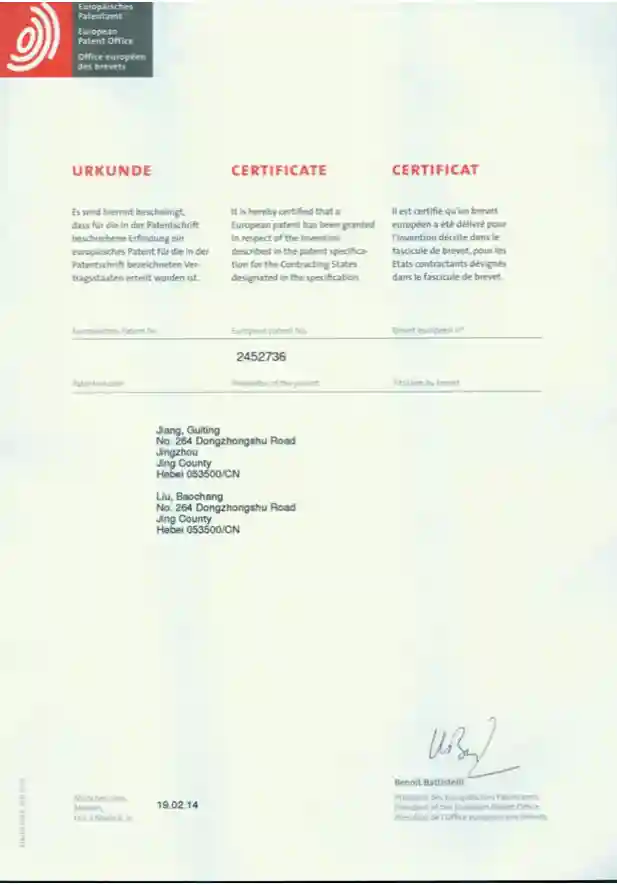
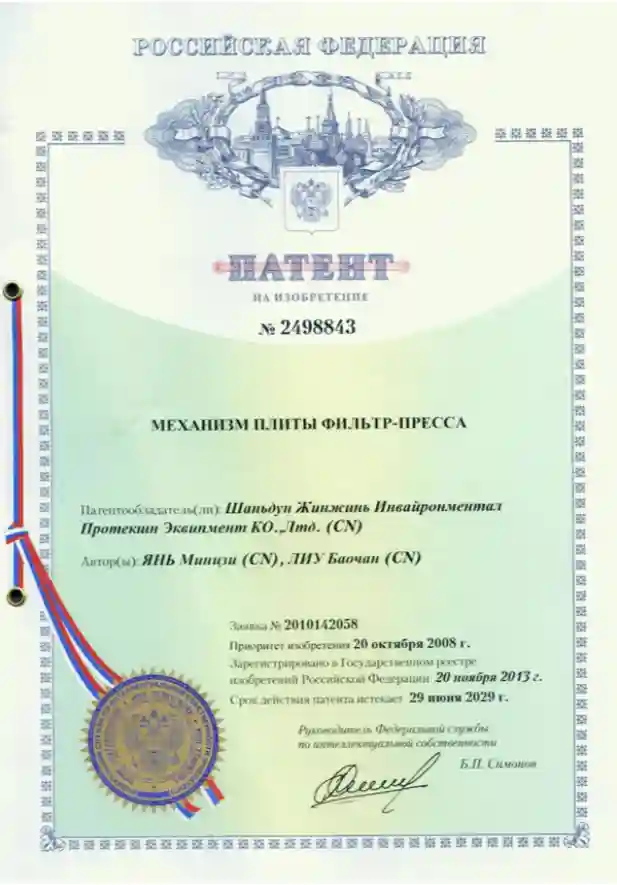
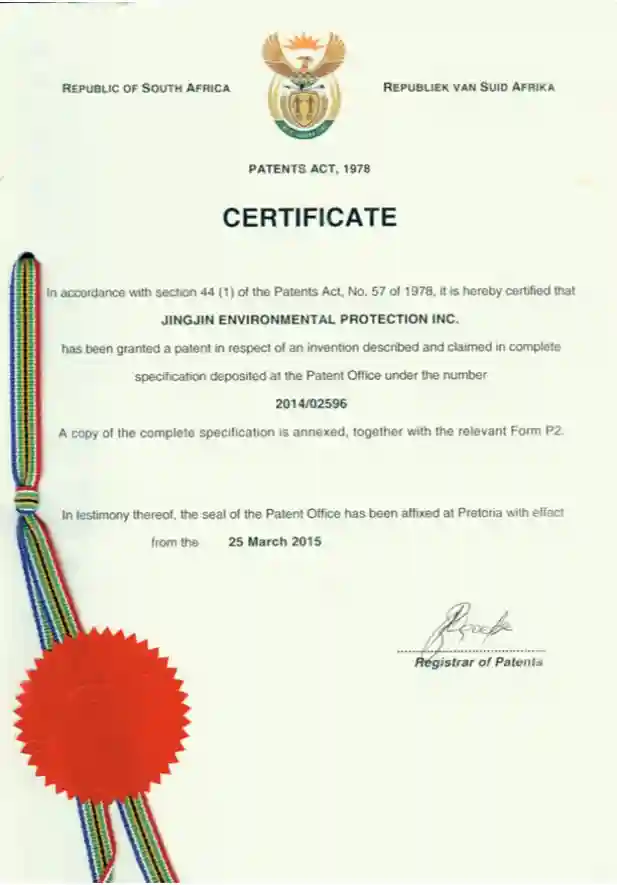
When looking at possible providers, you need to look at their manufacturing skills, technical know-how, and service infrastructure. When you purchase from a well-known firm with several patents and a history of success in comparable applications, you can trust the product. Custom solutions are crucial for corporate clients with distinct demands.
When a multinational business needs consistent help in various places, global service networks become very important. Local service suppliers reduce technical support response times and downtime. Mission-critical applications where broken tools can disrupt operations benefit from this support system.
Technical Specifications and Customization Options
Specific application needs and site limitations must be met by detailed technical specs. Standard setups might not be able to solve all operating problems, so the ability to customize is necessary for the best performance. Because screw size, screen designs, and control systems can be changed, custom solutions can be made that work best for certain types of sludge.
Different industries and applications have different documentation needs. For example, some need detailed design estimates, material certifications, and performance promises. Suppliers who have worked in controlled industries before know what these rules are and can help with compliance and permitting activities by providing the right paperwork.
Installation and Commissioning Considerations
For design effectiveness and long-term dependability, proper installation and commissioning are very important. Installation control and commissioning services from the supplier help find and fix problems before they affect activities. This skilled help is especially helpful for places that don't know how to install draining equipment.
Training programs for operating and repair staff make sure that equipment is used correctly and help keep it from breaking down early because of operator error. Thorough training that covers regular maintenance, how to fix problems, and safety rules makes sure that equipment lasts as long as possible and that workers are safe.
Conclusion
To choose the right screw press sludge dewatering machine, you need to carefully think about your long-term environmental goals, operational needs, and performance standards. Modern spiral extruded sludge thickener technology is much better than older options because it uses less energy and water and is very reliable. These systems are great for many business uses because they are designed to save room, can be run automatically, and remove water very well. To be successful, you need to work with providers who have been in business for a while, know your problems, and can offer custom solutions backed by full support services.
FAQ
1. What factors determine the appropriate capacity for a screw press system?
The choice of capacity relies on how much sludge is being produced now, how fast it is flowing at its peak, and how much growth is expected in the future. The spiral extrusion sludge thickener can handle concentrations of 0.2% to 2% as input and concentrations of more than 5% as output. For accurate size, you need to look at past flow data and yearly changes to make sure you have enough processing power during times of high demand.
2. How does maintenance requirements compare to alternative dewatering technologies?
Because they are self-cleaning and built to last, screw press systems need a lot less upkeep than belt presses or centrifuges. Moving rings clean filter slits automatically, so you don't have to clean them by hand like you do with some other technologies. Most sites say that upkeep costs are 40–60% lower than with traditional dewatering equipment.
3. Can screw press machines handle different types of industrial sludge?
Modern multi-disk screw press technology can handle different kinds of mud by having different compression settings and setups that can be changed. The devices are good at dealing with biosolids from cities, mine waste, sludge from chemical processes, and waste from food preparation. Pilot tests should be used to make sure that certain materials will work well together so that you can get the best results for your application.
Contact Jingjin for Expert Sludge Dewatering Solutions
For the best dewatering options for your needs, Jingjin Equipment Inc. blends decades of filtration experience with cutting-edge screw press technology. Our experienced tech team helps with everything, from choosing the right system to installing it and keeping it running at its best. As the top company that makes screw press sludge dewatering machines, we can give unique solutions that have been used successfully in more than 123 countries. Get in touch with our experts at [email protected] to talk about your drainage problems and find out how our modern spiral compression technology can help you meet environmental standards while also cutting down on costs. Our world service network makes sure that you get quick help no matter where your business is based.
References
1. Smith, J.A. and Chen, L.M. "Advanced Solid-Liquid Separation Technologies for Industrial Wastewater Treatment." Water Treatment Engineering Quarterly, Vol. 45, No. 3, 2023.
2. Johnson, R.K. "Comparative Analysis of Dewatering Technologies in Municipal Wastewater Treatment." Environmental Engineering Review, Vol. 28, No. 2, 2023.
3. Williams, P.T. "Energy Efficiency in Sludge Processing: Modern Approaches and Technologies." Industrial Water Management Journal, Vol. 15, No. 4, 2022.
4. Anderson, M.E. "Cost-Benefit Analysis of Screw Press Dewatering Systems in Mining Applications." Mining Technology Quarterly, Vol. 32, No. 1, 2023.
5. Taylor, S.J. "Automation and Control Systems in Modern Dewatering Equipment." Process Engineering Today, Vol. 41, No. 6, 2022.
6. Brown, K.L. "Environmental Impact Assessment of Sludge Dewatering Technologies." Environmental Technology Review, Vol. 19, No. 3, 2023.
jingjin
Founded in 1988, Jingjin specializes in filter presses and liquid-solid separation solutions, serving over 130 countries worldwide, and is a standard-setter in China's filter press industry.
Get the Filter Press guide
Enter Your Email for Technical assistance for the Filter Press.

Recommended Blog
China Screw Dewatering Machines for Asia Infrastructure Projects
Maintenance Tips for Dewatering Press Machines to Maximize Lifespan
Affordable Filter Press Machines for the Chemical Industry: What to Look For
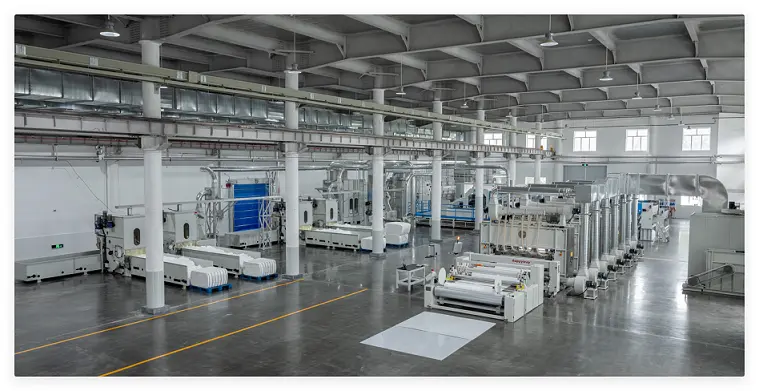
High Durability Filter Press Cloth for Chemical Processing: Benefits and Uses
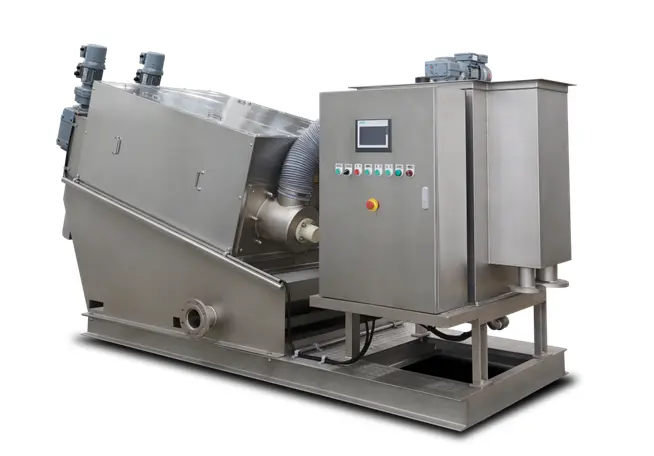
China Screw Dewatering Machines for Vietnam Food Factories
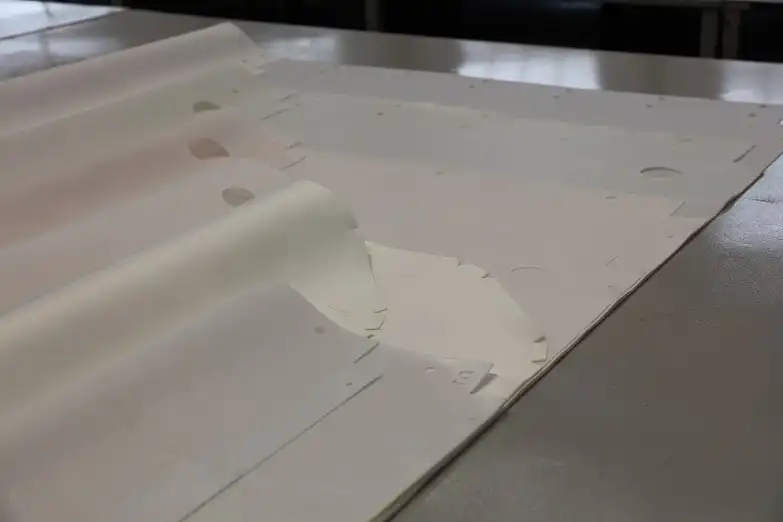
Cost-Effective Filter Press Cloth Options for Wastewater Treatment
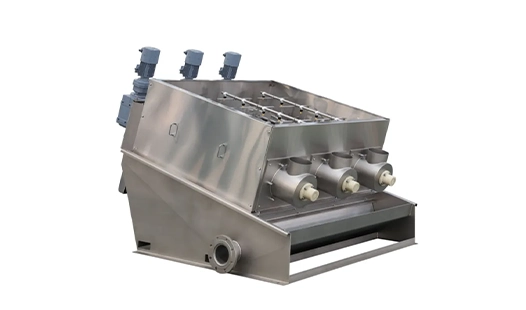
Durable Multi Disk Sludge Dewatering Machines with Low Maintenance Needs
Feed Pump Flow Rate for Filter Press: How to Calculate and Optimize It
Dewatering Press Machines for Middle East Desalination Plants