Best China Press Filter Machine for Oil & Gas Industries
Understanding Press Filter Machines in the Oil & Gas Industry
- Understanding Press Filter Machines in the Oil & Gas Industry
- How to Choose the Best Press Filter Machine from China for Oil & Gas
- Maintenance, Common Issues, and Troubleshooting for Press Filter Machines
- Top Reasons to Source Press Filter Machines from China for Oil & Gas Sectors
- Press Filter Machine Pricing, Warranty, and Procurement Guide for 2026
- Conclusion
- FAQ
- Partner with Jingjin for Advanced Filtration Solutions
- References
One of the most dependable solid-liquid separation equipment for upstream or downstream oil and gas operations is a press filter machine. These mechanical devices remove suspended particles from drilling mud, generated water, refinery sludge, and process streams better than alternatives, producing drier cakes and cleaner filtrate. China has become a global manufacturing powerhouse for industrial filtration systems due to its decades of engineering knowledge, cost-effective production, and significant customization for petroleum processing settings.
Understanding Press Filter Machines in the Oil & Gas Industry
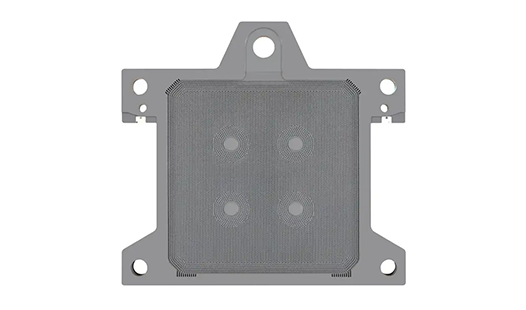
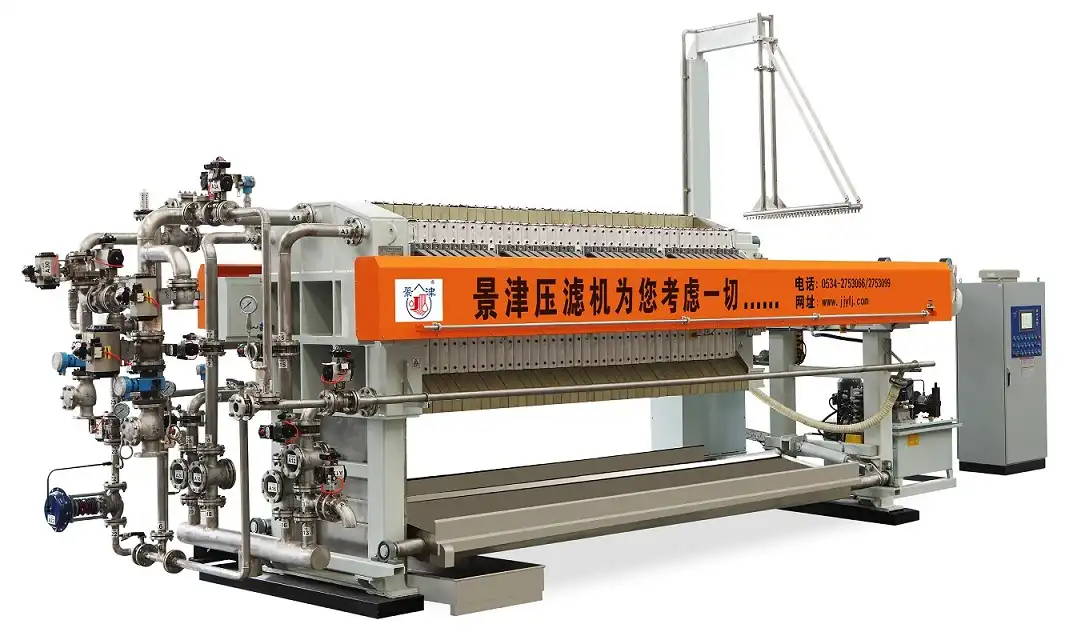
A press filter machine, or filter press, uses mechanical pressure to push slurry through a filter medium. When hydraulically clamped, stacked filter plates with filter cloths form chambers. Liquid is driven through the permeable fabric at 6–30 bar as solids build in each chamber, creating a filter cake. Plate configurations vary by application.
Core Components and Operating Principle
Most press filter machines have numerous critical components that function together. Under severe hydraulic stresses, the structural mainframe, commonly Q345B low-alloy carbon steel with corrosion-resistant epoxy coating, offers mechanical stability. Filter plates made of RPP or PVDF can tolerate temperatures up to 90°C and harsh acidic or alkaline conditions with pH values between 1 and 14. The hydraulic system seals chambers with 200–350 bar closing pressure, depending on plate size. Particle size distribution and chemical compatibility determine filter cloth weave patterns.
Types and Applications in Petroleum Processing
Chamber plate presses condense cake using feed pump pressure, making them appropriate for easily dewaterable slurries like onshore drilling mud. In membrane filter presses, water or air inflates flexible membranes on plate surfaces to physically compress the cake and reduce residual moisture by 10-15% compared to chamber versions. This approach is useful for treating refinery sludges or oily wastewater treatment residuals, where optimum dryness reduces disposal costs.
Plate-and-frame systems of the press filter machine are less prevalent today but are still used for frequent cloth changes or abrasive slurries. Recessed plate designs dominate modern oil and gas facilities for the plate filter press due to quicker cycle times, lower labor costs, and longer fabric life. Throughput, space, and material properties determine which configuration of the plate filter press to use
How to Choose the Best Press Filter Machine from China for Oil & Gas
Choosing a filtering system needs a systematic examination of process characteristics and supplier capabilities. Procurement teams must balance technical standards, total cost of ownership, and equipment dependability in harsh field situations.
Define Your Process Requirements
Document the volume of material to be treated, usually in cubic meters per hour or day. The solids content, particle size distribution, temperature, pH, and chemical makeup of your feed slurry affect plate material choices and cloth parameters. A chamber or membrane arrangement depends on your intended cake moisture content. Measure existing pump feed pressure or specify new pumping equipment. Consider overhead plate removal and maintenance access when calculating your installation site's footprint.
Key Evaluation Metrics
Filtration area is the main size parameter, ranging from 1 m² for pilot systems to 2000 m² for large-scale municipal or industrial installations. Cake thickness, usually 20–50 mm, affects cycle time and throughput. Standard units operate at 0.6-1.0 MPa while high-pressure variations reach 2.5 MPa, allowing the equipment to filter tough materials. Manual operation needing continual monitoring to fully automated systems with programmable logic controllers regulating the filtering sequence, cake discharge, and cloth washing cycles.
Long-term operational expenses depend on energy consumption per cubic meter of processed slurry; it's important to compare options. Modern variable frequency drives on feed pumps reduce power utilization by dynamically altering flow rates, from high flow during filling to low flow with high pressure during compaction.
Maintenance, Common Issues, and Troubleshooting for Press Filter Machines
Maximizing equipment uptime and ROI requires a robust preventive maintenance program. Understanding typical failure mechanisms and associated fixes reduces time-sensitive oil and gas production disruptions for press filter machines.
Routine Maintenance Protocols
Daily inspections of the press filter machine should evaluate hydraulic closing pressure, plate slurry leaks, and filtrate clarity. Filter fabric on the press filter machine is checked weekly for rips, blinding, and edge wear that might damage sealing. Monthly maintenance for the press filter machine includes lubricating the plate shifting mechanism, examining hydraulic hoses and fittings for wear, and testing safety interlocks and pressure relief valves. Once manufacturing particles are removed, the hydraulic oil must be replaced every six months or 2000 working hours using ISO 46/68 anti-wear hydraulic fluid. Chemical cleaning using acid or alkali solutions every 30-90 days, depending on the treated material, dissolves particles in filter cloths to restore permeability.
Common Operational Challenges
Above-target cake moisture content usually indicates insufficient feed pressure, membrane unit squeezing time, or blinded filter cloths blocking drainage. Compare the feed pump discharge curve to chamber pressure requirements and progressively increase squeeze cycles. Slurry splashing between plates during feeding indicates dirt on sealing surfaces, low hydraulic closure pressure, or worn cloths folding at the edges. This urgent issue demands a shutdown, plate sealing face cleaning, hydraulic system verification, and cloth adjustment or replacement.
Sudden hydraulic pressure decreases indicate worn piston seals, valve block leaks, or oil line damage. Blocked feed distribution eyes generate differential pressure and uneven stress across the plate web structure, causing premature filter plate breaking despite the RPP material's 5-8-year service life. Filtrate flow below expectations indicates chemical repair or replacement of the cloth blinding.
Top Reasons to Source Press Filter Machines from China for Oil & Gas Sectors
Chinese filtration equipment manufacturing has progressed from low-cost commodity production to sophisticated engineering-intensive systems during the past two decades. China is a popular oil and gas procurement location for several reasons regarding industrial press filter machines.
Manufacturing Excellence and Quality Assurance
Advanced machining centers, automated welding stations, and computerized quality control systems are used in leading Chinese factories. They do meticulous inspections, such as material chemical composition analysis, dimensional verification against engineering drawings, and hydrostatic pressure testing of constructed filter packs. International quality standards provide equipment reliability equivalent to Western brands.
Competitive Total Cost of Ownership
Despite initial equipment costing being 30-40% lower than Western counterparts, overall cost advantages exist throughout ownership. Long-term maintenance costs are reduced by Chinese vendors' extensive spare parts packages at competitive prices. Established distribution networks include filter cloths, plates, and hydraulic components, preventing downtime for crucial parts. Some manufacturers provide performance guarantees supported by third-party testing, taking financial responsibility for missed cake moisture or cycle time objectives during commissioning trials.
Press Filter Machine Pricing, Warranty, and Procurement Guide for 2026
Buyers may negotiate better deals and manage project budgets by understanding cost structures and procurement procedures for the modern press filter machine.
Pricing Determinants and Budget Planning
Multiple variables affect equipment price, resulting in broad configuration variance. Filtration area is the main cost driver, with regular chamber designs costing $15,000–$30,000 per square meter and membrane variations costing $20,000–$40,000. Manual systems need less capital but greater labor costs, whereas fully automated installations with programmed sequencing, automatic cake discharge, and cloth washing systems cost more but save money.
Standard polypropylene plates cost less than corrosion-resistant PVDF or metallic counterparts for harsh chemical conditions or high temperatures. Engineering expenditures for hazardous area classifications, customized sealing systems, and industrial infrastructure integration average 5-15% of basic equipment pricing.
International Procurement Considerations
30% deposit upon order confirmation, 60% before shipment, and 10% retention after commissioning or 30 days after delivery are typical payment arrangements. Established multinational banks' letters of credit safeguard both parties. Standard Incoterms like FOB (Free on Board) Chinese port or CIF (Cost, Insurance, and Freight) destination port describe shipping, insurance, and risk transfer responsibilities.
Standard configuration manufacturing takes 8-12 weeks, plus 4-6 weeks for ocean freight to North America. Order placement to site delivery takes 14–20 weeks due to customs processing and domestic transportation. Rush orders may incur premiums based on manufacturing timelines.
Conclusion
Choosing the best Chinese press filter machine for oil and gas applications demands balancing technical parameters, supplier capabilities, and total cost of ownership. Competitive cost, customizable flexibility, and international certifications for quality make Chinese producers appealing. Clear process criteria, supplier due diligence, and maintenance processes are essential for successful procurement. Leading suppliers provide greater value propositions through efficient production and timely technical assistance with engineering competence similar to Western brands.
FAQ
1. What makes membrane filter presses superior for oil and gas applications?
The membrane technique squeezes cake beyond the feed pressure by applying secondary hydraulic pressure through inflated diaphragms on plate surfaces. This cuts disposal expenses by 10-15% by reducing residual moisture. Shorter cycle periods boost throughput, making membrane units cost-effective despite higher initial investment.
2. How do I verify a Chinese supplier's quality credentials?
Ask about ISO 9001 certification, test records from past installations, and contact reference customers. Procurement teams can examine production facilities, quality control methods, and shipped equipment at reputable manufacturers. Independent third-party inspections before shipping.
3. What factors determine filter cloth service life?
Chemical compatibility with the process stream, temperature, particle abrasiveness, and maintenance affect cloth lifetime. Service life is extended by proper installation tensioning, chemical cleaning to minimize blindness, and minimizing feed pressures that drive particles deep into the fabric structure. Good clothes last 12–24 months in well-maintained systems.
4. Can existing filter presses be upgraded with membrane technology?
If the hydraulic system and structural frame can handle the squeezing pressure, membrane plates can be retrofitted to chamber plate units. Compare compatibility and cost to new equipment acquisition with the original manufacturer or certified engineering firms.
Partner with Jingjin for Advanced Filtration Solutions
Jingjin Equipment Inc.'s oil and gas solid-liquid separation press filter machine technology and 35 years of manufacturing expertise will help you. Our technical team works closely with procurement managers and process engineers to determine ideal configurations for throughput, moisture content, and operation. We provide system design documentation, installation supervision, operator training, and continuous technical support as a trusted press filter machine provider in 123 countries.
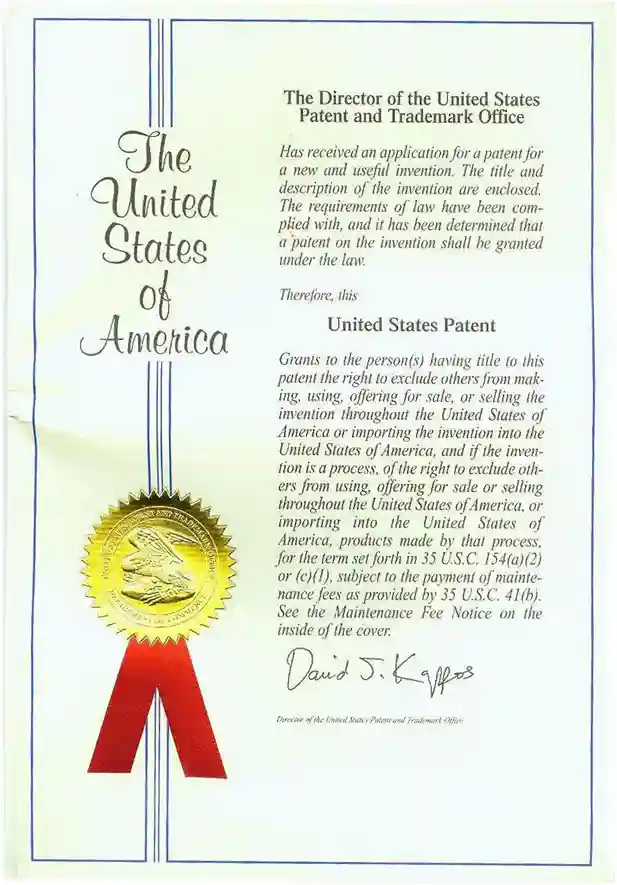
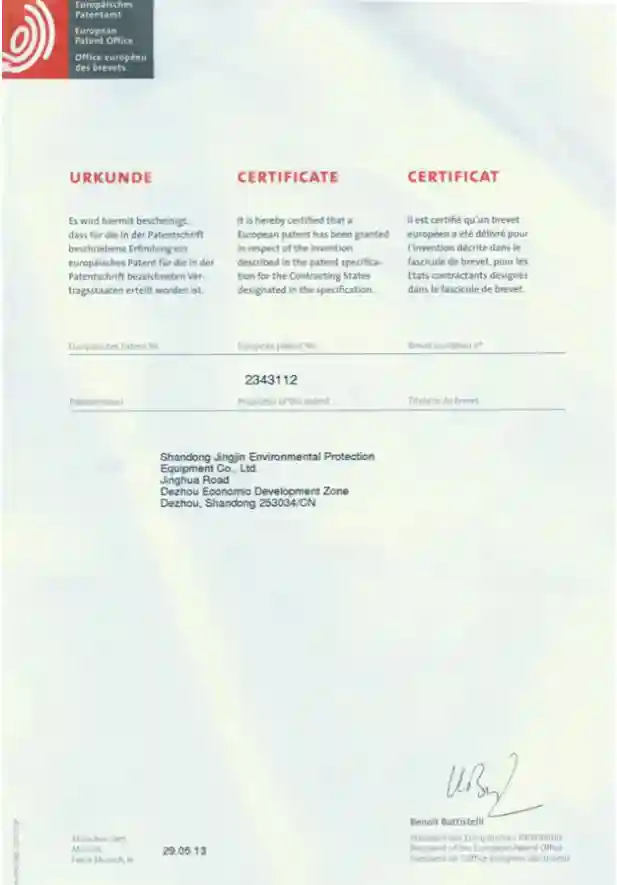
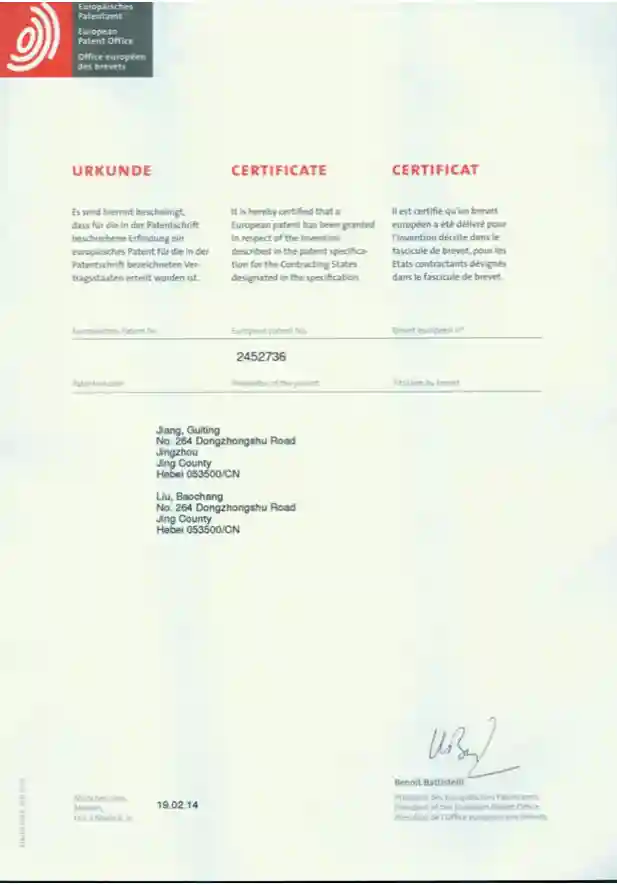
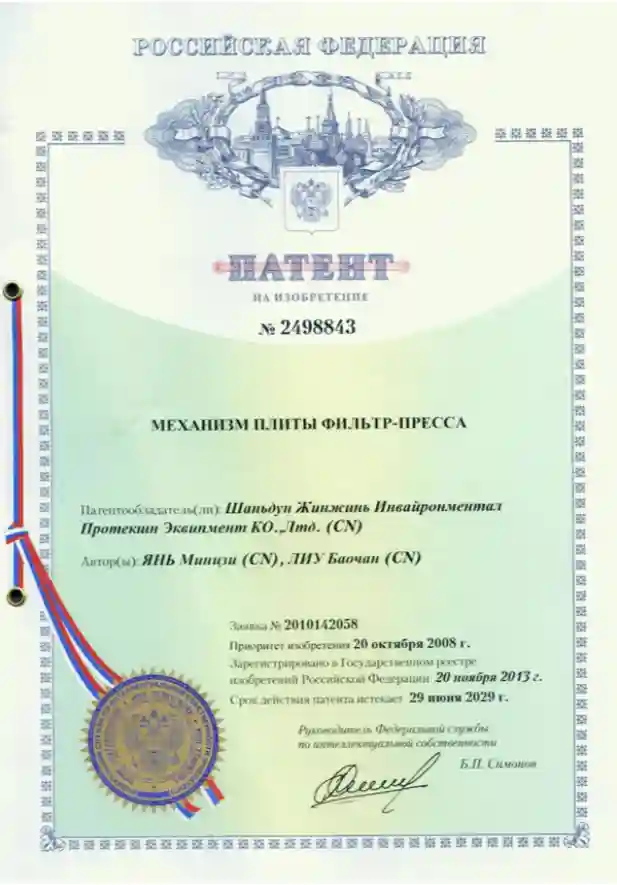
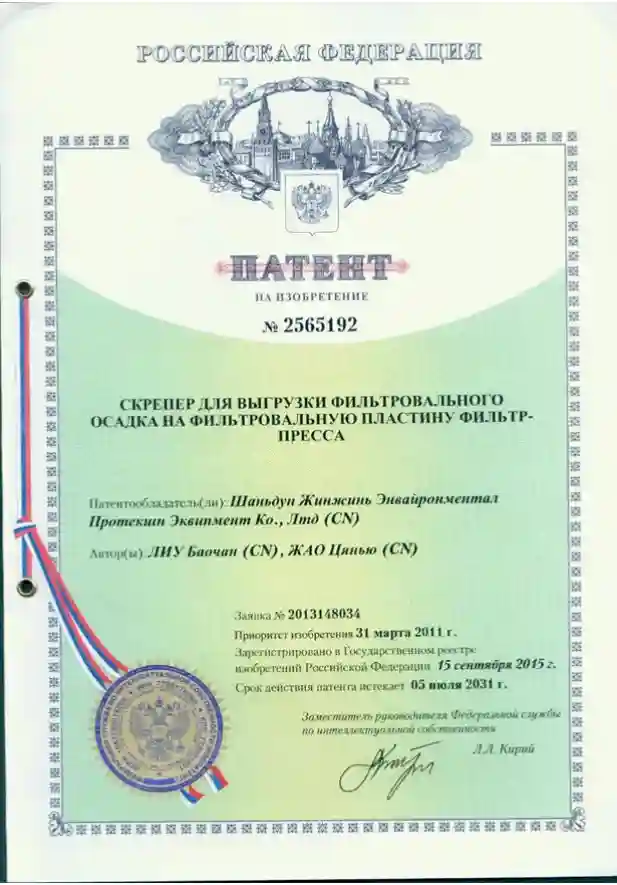
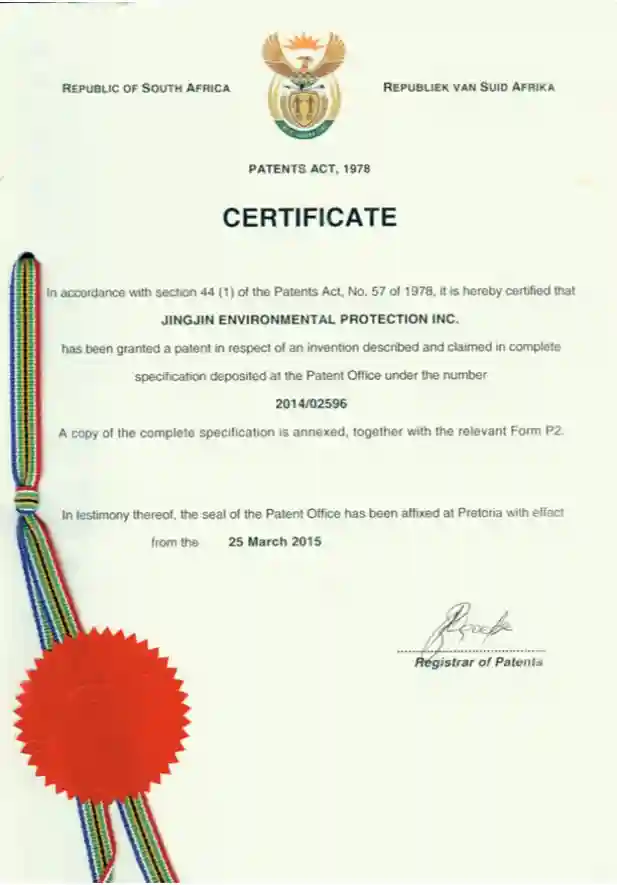
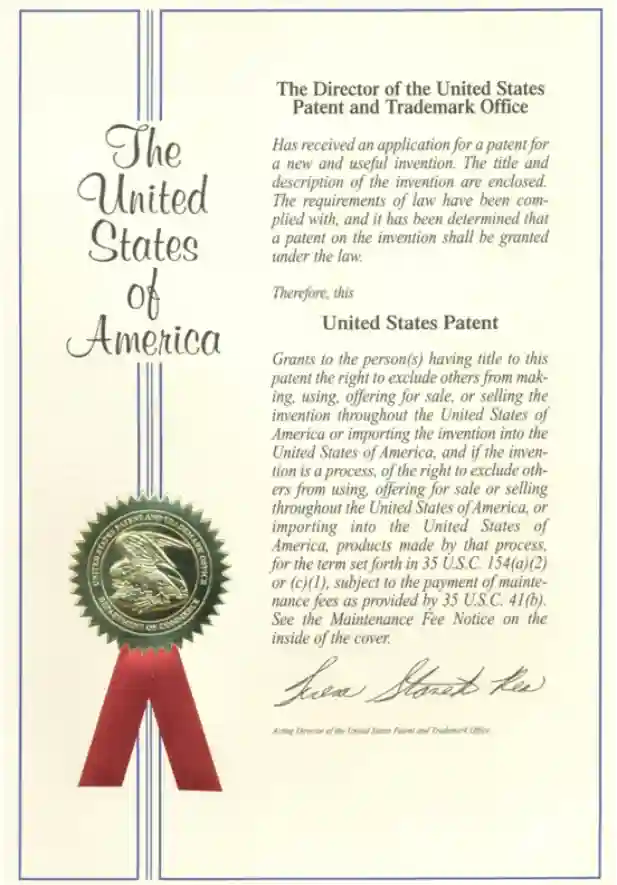
Discuss your application needs with our staff at [email protected] and obtain a full technical proposal with transparent pricing. We encourage qualified prospects to tour our manufacturing facilities to see our quality control and large-scale production. Experience the Jingjin difference—patented membrane squeeze technology, corrosion-resistant materials, and automated controls give the lowest total cost of ownership in challenging petroleum processing conditions.
References
1. Smith, J.R. & Anderson, K.L. (2022). "Advanced Solid-Liquid Separation Technologies for Upstream Oil and Gas Operations." Journal of Petroleum Technology, Vol. 74, No. 8, pp. 45-59.
2. International Water Association (2023). "Industrial Wastewater Treatment: Best Available Technologies for the Oil and Gas Sector." IWA Publishing, London.
3. Chen, W. & Liu, H. (2021). "Comparative Analysis of Filter Press Technologies in Refinery Sludge Management." Chemical Engineering Research and Design, Vol. 168, pp. 234-247.
4. American Petroleum Institute (2023). "API Standard 686: Recommended Practice for Machinery Installation and Installation Design." API Publishing Services, Washington, DC.
5. Martinez, R.A., Thompson, D.E., & Williams, S.M. (2024). "Life Cycle Cost Analysis of Dewatering Equipment in Petroleum Processing Facilities." Industrial & Engineering Chemistry Research, Vol. 63, No. 3, pp. 1205-1218.
6. Zhang, Q., Wang, T., & Li, Y. (2022). "Optimization of Membrane Filter Press Performance in Oil Field Produced Water Treatment." Separation and Purification Technology, Vol. 289, Article 120751.
jingjin
Founded in 1988, Jingjin specializes in filter presses and liquid-solid separation solutions, serving over 130 countries worldwide, and is a standard-setter in China's filter press industry.
Get the Filter Press guide
Enter Your Email for Technical assistance for the Filter Press.
Recommended Blog
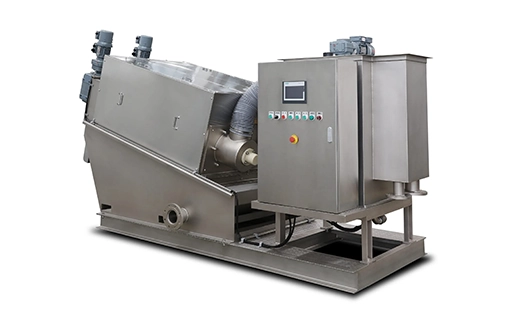
China Screw Dewatering Machines for Asia Infrastructure Projects
Screw Press Sludge Dewatering Machine for Municipal Wastewater
How Does a Filter Press Work in Wastewater Treatment? A Comprehensive Guide
Energy Efficient Filter Press Design: Saving Costs in Industrial Filtration
Where to Buy High Quality Multi Disk Screw Press for Efficient Sludge Dewatering