How to Choose the Right Plate Frame Filter for Industrial Plant Needs
Understanding Plate Frame Filters and Their Industrial Applications
- Understanding Plate Frame Filters and Their Industrial Applications
- Key Criteria for Choosing the Right Plate Frame Filter
- Comparing Plate Frame Filters to Alternative Filtration Solutions
- How to Evaluate and Select Plate Frame Filter Suppliers and Solutions
- Best Practices for Installation, Operation, and Maintenance of Plate Frame Filters
- Conclusion
- Frequently Asked Questions
- Ready to Optimize Your Solid-Liquid Separation Process?
- References
Operating efficiency, compliance, and long-term cost management must be considered while selecting a plate frame filter. Pressure drives solid-liquid separation in a plate frame filter press, pushing slurry through filter media to catch particles and pass clear filtrate. Understanding your plant's throughput, material compatibility, and filtration accuracy goals is crucial to selection. This comprehensive guide covers technical criteria, application scenarios, and supplier evaluation methods to help you find a filtration solution that improves performance and addresses critical issues like excessive sludge moisture, regulatory compliance gaps, and unplanned maintenance downtime.
Understanding Plate Frame Filters and Their Industrial Applications
What Defines a Plate Frame Filter System
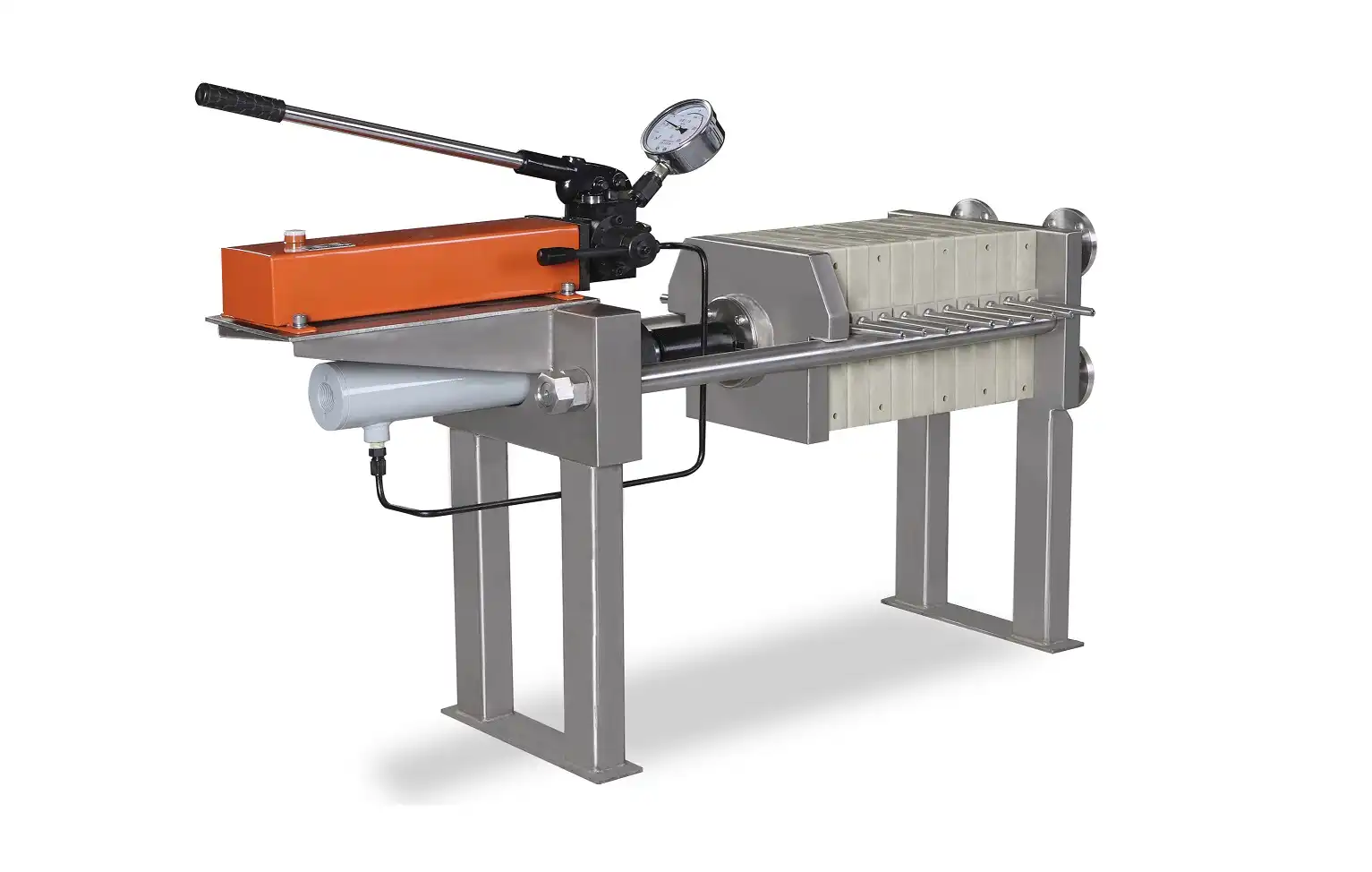
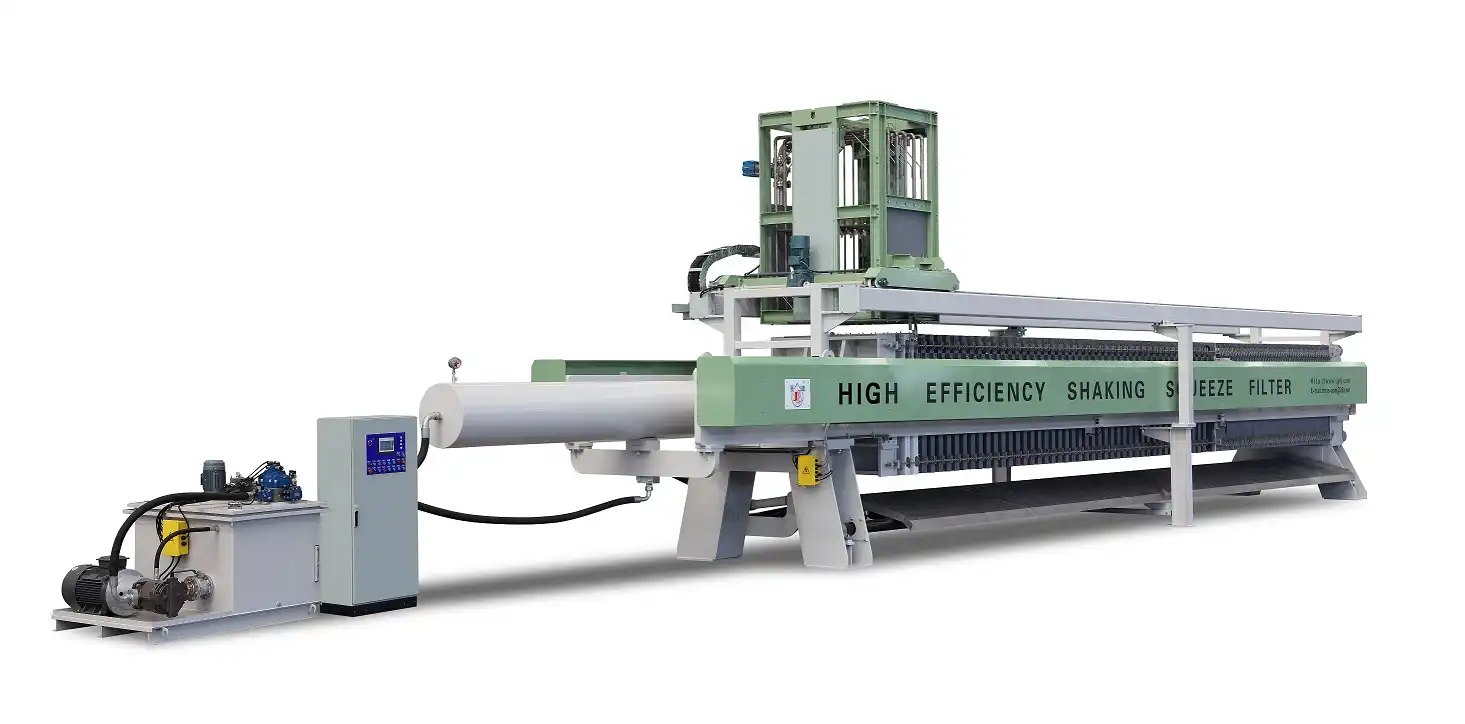
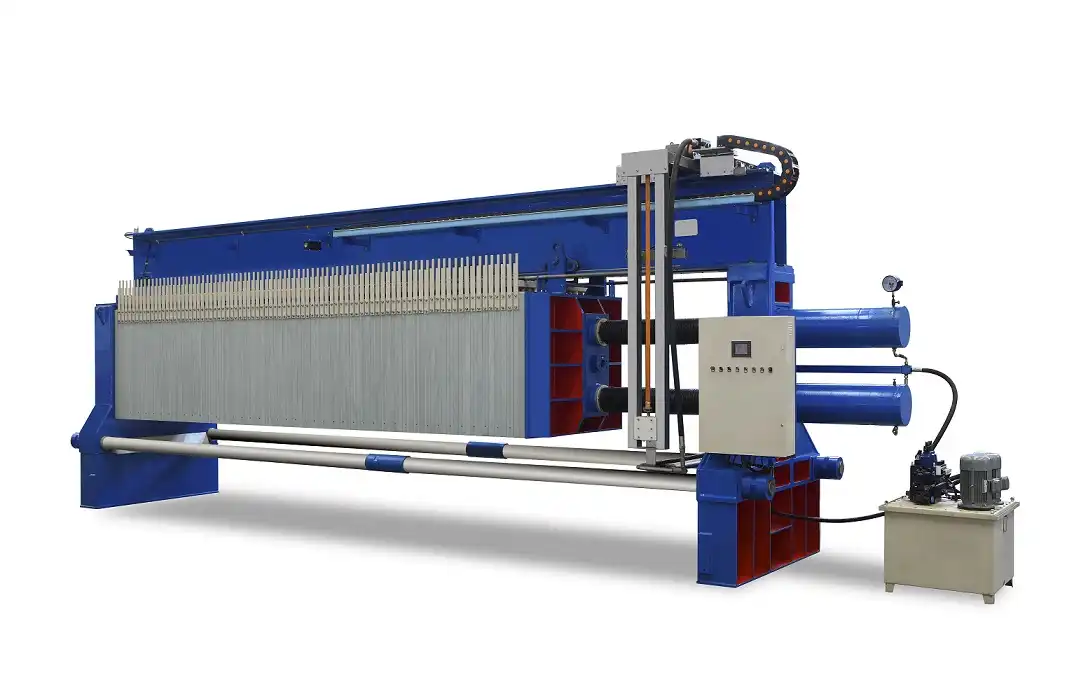
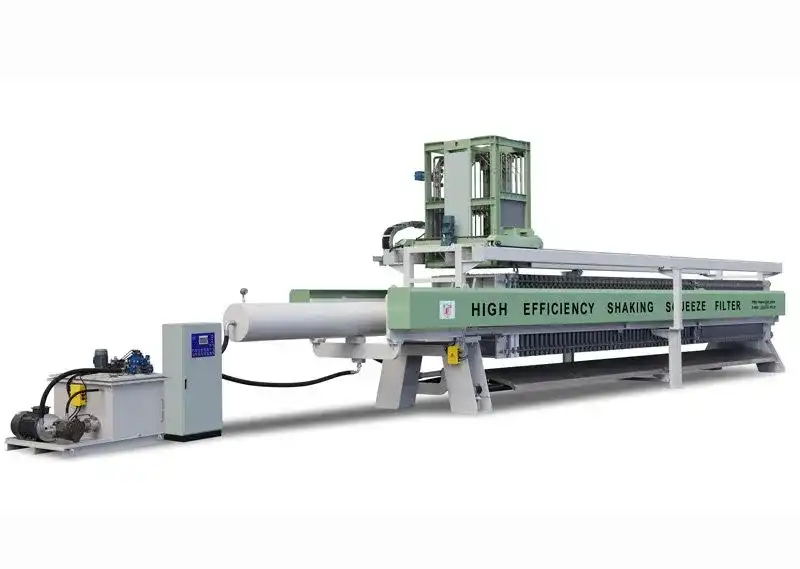
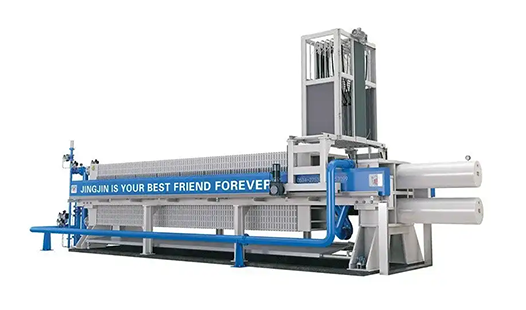
Slurry processing chambers are formed by switching solid plates and hollow frames in a plate frame filter in batch operation. Pumps introduce feed material at 0.6 MPa to 2.0 MPa, causing liquid to flow through the filter cloth and particles to form thick cakes in chambers. This design addresses water-rich waste sludge and high solids concentrations that centrifugal and vacuum technologies can't tackle. The versatile design enables you to adjust capacity to meet changing production demands by adding or deleting units.
Core Industrial Applications Across Sectors
Chemical and pharmaceutical companies employ filter plate frame systems for high-purity synthesis and API recovery. These systems must withstand chemicals since they are employed in strong solvents and sterile settings. In tough, dense conditions, mining firms utilise these systems to extract water from tailings and recover minerals from concentrates. This method removes water from sludge in municipal wastewater treatment facilities, helping them comply with dumping laws and save transportation costs. Food processing factories employ filter plate frame units to clean and clarify oils, sugar syrups, and fruit juices. Construction enterprises that dredge slurry and wash gravel benefit from high-capacity dewatering under harsh job site circumstances.
Technical Performance Indicators
Filter cloth pores, which vary from 1 to 100 microns, impact filtrate clarity and cake dryness. Throughput capacity, which depends on filtering area, pressure ratings, and cycle periods, determines how much material your facility can process each shift. Material handling capability indicates how efficiently the system handles diverse materials, particle sizes, and liquid viscosities without degrading performance. Plate material determines the temperature range of -20°C to 120°C. Reinforced polypropylene protects chemicals, stainless steel is food-grade, and cast iron is high-temperature industrial.
Key Criteria for Choosing the Right Plate Frame Filter
Assessing Flow Rate and Filtration Accuracy Requirements
The daily processing capacity of your operation will determine the filter area and units needed. Consider additional capacity for output fluctuations while calculating peak flow rate. Filtration must be correct due to the procedure below's complexity or government flow limitations. Pharmaceutical applications need accuracy of less than 10 microns, yet mining concentrate processes may separate 50 microns. Choose a filter fabric that matches the quantity of particles you wish to remove and consider how it will affect cycle times and cake moisture.
Material Compatibility and Structural Robustness
Check your solution's chemical makeup, pH range, and temperature profile against plate material specifications. Consider these compatibility considerations to safeguard your investment:
- Corrosive chemical conditions need reinforced polypropylene or acid- and alkali-resistant polymer composites. This prevents buildings from breaking down early, requiring costly repairs and manufacturing delays.
- A cast iron or high-grade stainless steel structure with hardened contact surfaces can withstand particle erosion over thousands of pressure cycles for abrasive mineral slurries.
- FDA- and cGMP-compliant 316L stainless steel with sanitary finishes is needed for food-grade and pharmaceutical applications and CIP (clean-in-place) operations.
Materials impact ownership cost and maintenance. The frame's construction, DIN 7129-compliant sealing surface, and hydraulic system reliability demonstrate structural robustness. ASME or CE-certified pressure tank systems provide explicit safety limits and consistent performance over time.
Energy Consumption and Operating Cost Analysis
Pump energy, which depends on filtration pressure and cycle frequency, is the highest recurring expense for a plate frame filter system. Instead of operating at maximum pressure, modern systems with automated pressure management utilise the least energy feasible by changing the system resistance. Compare sellers' electricity use per cubic metre of water produced. Cloth replacement is another major expenditure that relies on material durability and cleaning ability. Add up all of their annual operational expenses, including energy, materials, labour, and disposal fees, to find long-term value instead of simply the lowest initial price.
Compliance Standards and Environmental Impact
Environmental regulations increasingly restrict heavy metals, chemical oxygen demand, and suspended solids. You must maintain these targets for your filtration system to prevent penalties and shutdowns. ISO 9001 and pressure tank certifications demonstrate consistent filter press production and safety. Moving from 70% moisture to 50% moisture reduces dumping weight by 40%, reducing waste and expenditures. This reduction in moisture allows filter cakes to be reused or recovered for electricity, converting waste hazards into cash.
Supplier Reliability and After-Sales Support
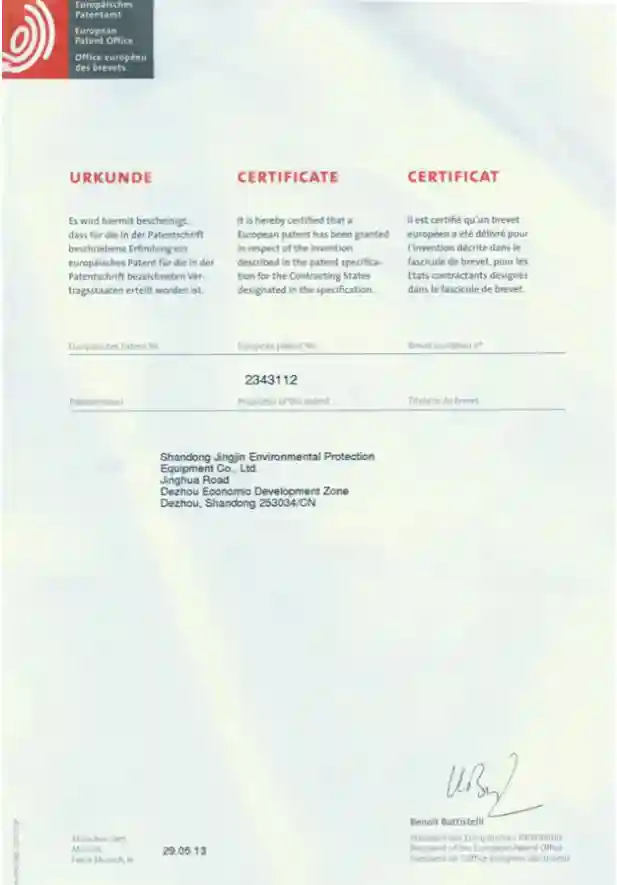
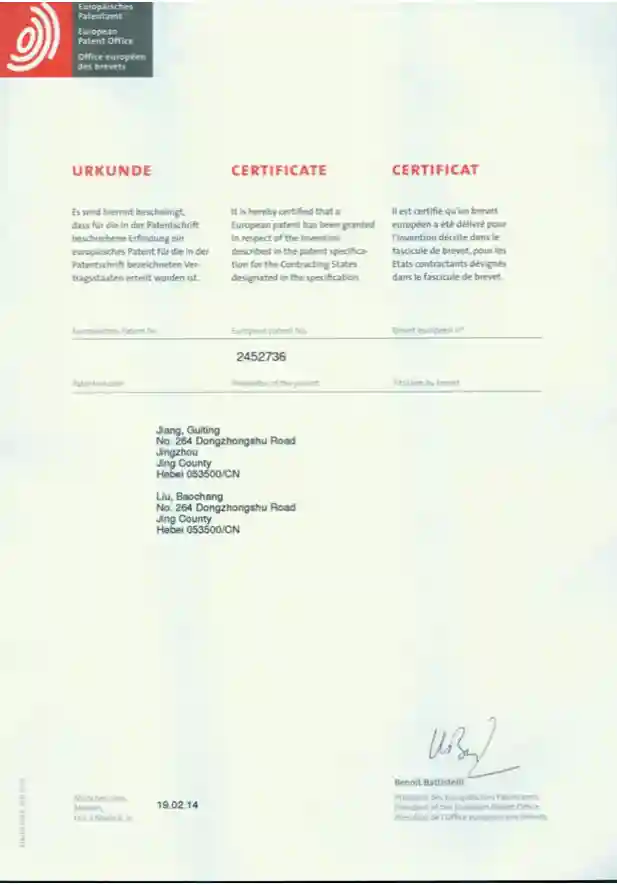
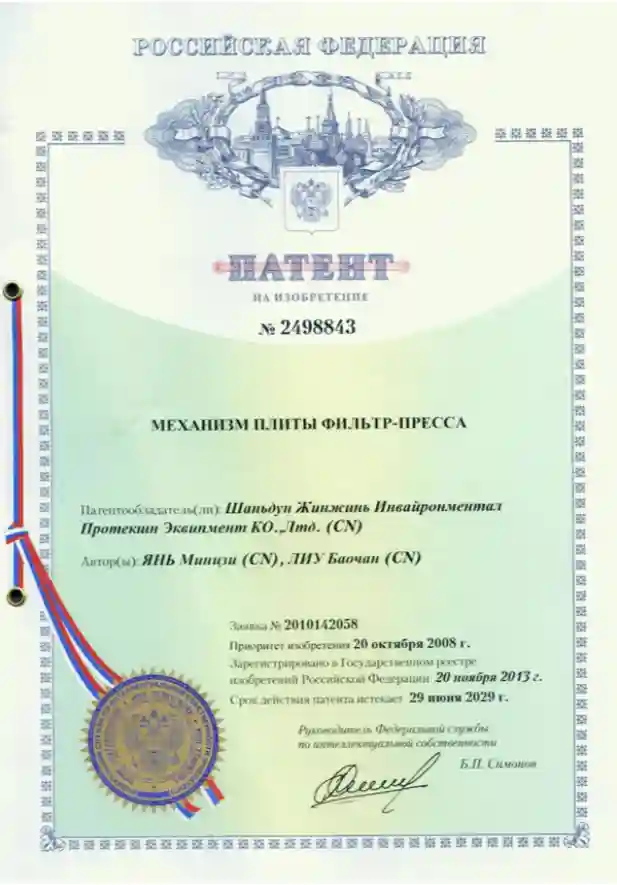
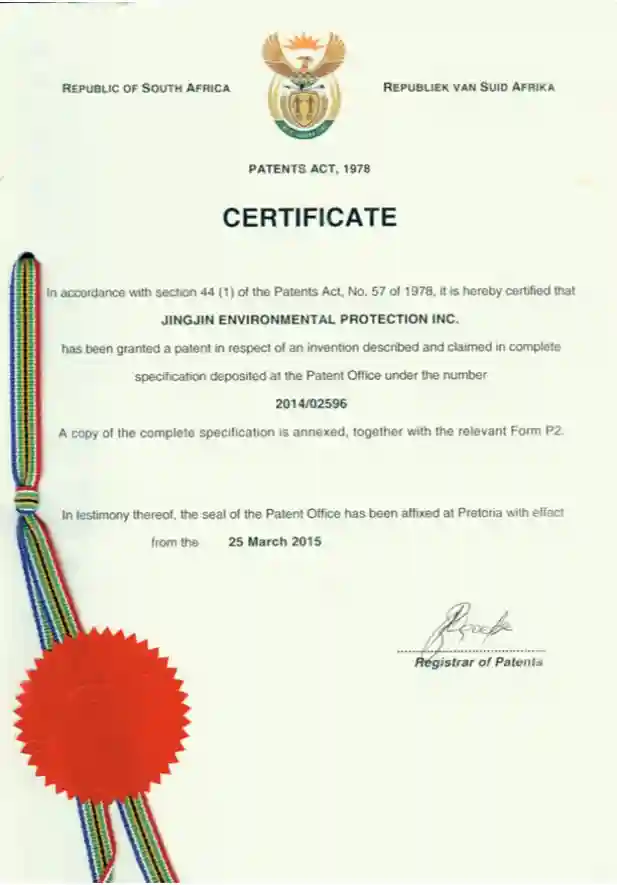
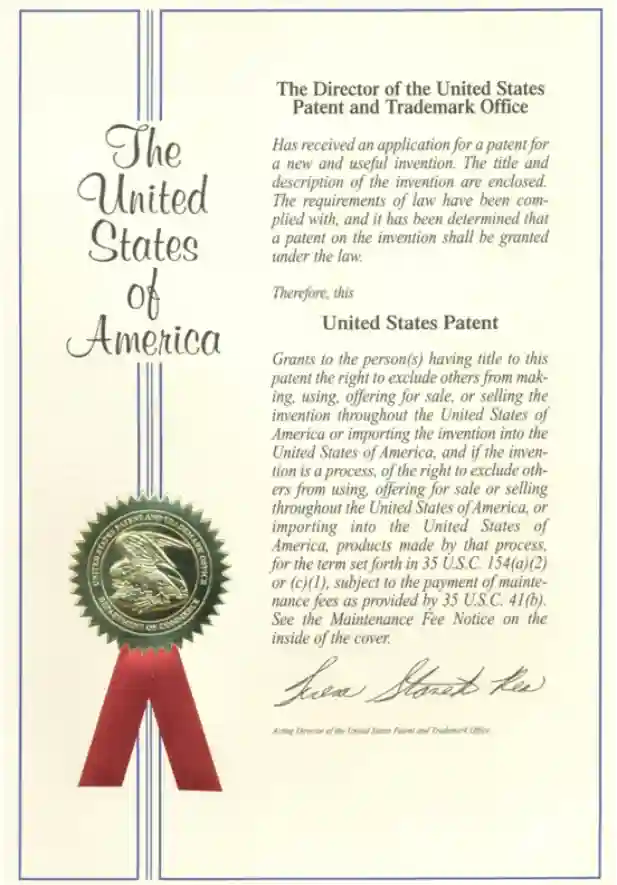
Technical support distinguishes reliable partners from merchants who vanish after installation. Compare providers' global service network, replacement parts availability, and response times. Since 1988, Jingjin Equipment Inc. has served 123 countries. They stock many components and can fix them in the field, reducing downtime. Their over 136 patents demonstrate their constant innovation in industrial problem-solving. Buying filter plates, cloths, and automated control systems from one vendor simplifies and ensures parts will operate for the equipment's lifetime.
Comparing Plate Frame Filters to Alternative Filtration Solutions
Plate Frame Systems Versus Cartridge Filters
Cartridge filters are suitable for low-solids applications that must operate 24/7 and leave minimal space. This implies they can polish clarified liquids. They struggle with material levels beyond 2% to 3%, requiring more cartridge replacements and increasing operating costs. Plate frame systems are the most cost-effective heavy-duty draining option since they can handle 30–40% solids loads. Filter presses drain the cake in batches, while cartridge systems pile up particles until they must be discarded. Cartridges are cheaper upfront, making them suitable for small businesses. In large-scale industrial applications where solids management dictates overall costs, plate frame systems are cheaper per volume handled.
Filter Presses and Membrane Plate Technology
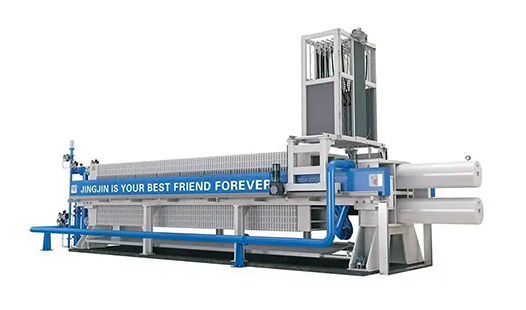
Traditional plate frame filters and current membrane filter presses are comparable but remove cake water differently. Membrane presses employ inflated diaphragms to drive out water from solids after the cake forms, unlike standard devices that merely use filtering pressure. This second compression reduces the cake's moisture content by 5–10%, saving high-volume businesses money on disposal. Membrane systems cost 30–40% more upfront, but they're worth it when lowering moisture directly affects income, such as when mining firms transfer concentrate long distances or when towns have landfill space constraints.
Hybrid Solutions for Complex Applications
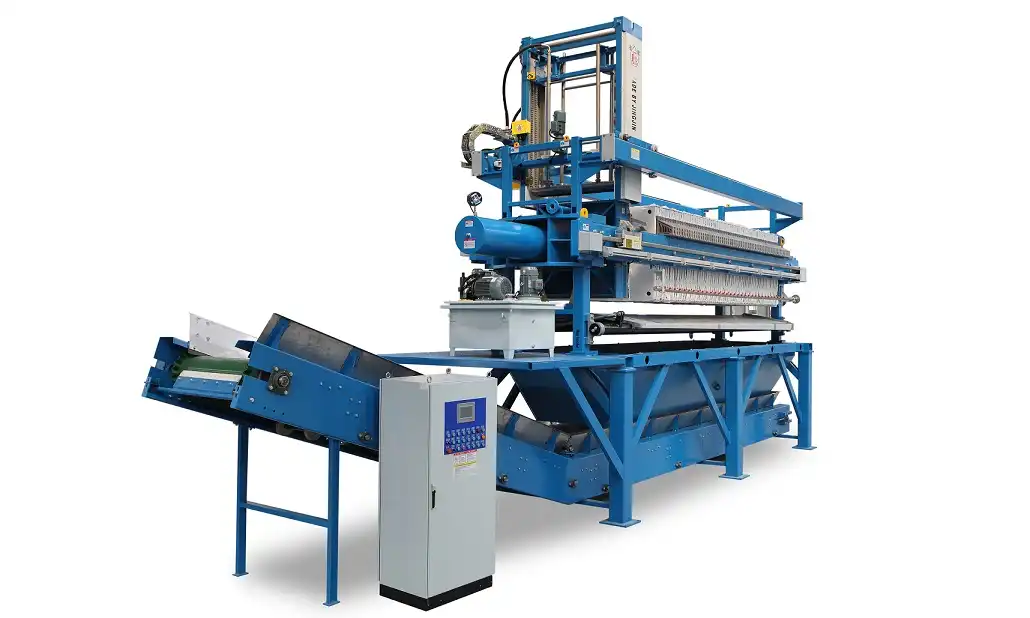
Staged treatment trains aid industrial operations using several technologies. Centrifuges or gravity thickeners before filter presses reduce solids, making them more efficient and longer-lasting. For hard-to-filter biological or fine mineral slurries, conditioning with chemicals before filtration helps cakes form and minimise moisture. Customised wash cycles, automatic fabric cleaning, and built-in heat drying have further applications. When you engage with comprehensive system design providers, your filter solution will perform effectively with upstream and downstream processes without bottlenecks.
How to Evaluate and Select Plate Frame Filter Suppliers and Solutions
Technological Capabilities and Innovation Track Record
Make sure a provider has profound engineering and advanced technologies before assessing them. Patented companies spend heavily on R&D, which improves performance and operational advantages. Proprietary features like advanced sealing systems, automated plate shifting mechanisms, and sophisticated pressure control software may affect production and workload. Request scientific proof that specific improvements handle operational issues including cycle times, textile durability, and human action.
Pricing Structures and Total Cost Analysis
Transparent pricing covers equipment purchase, installation, replacement parts, and consumables during the projected service life. Lease or installment programs are offered by certain vendors. These assist in balancing expenses with production efficiency profits. Buying filter cloths and plates in bulk helps large firms with multiple units control expenses. Create an accurate five-year cost model that compares bids and predicts energy usage, maintenance labour, part replacement, and system downtime. Once operating expenses and reliability are considered, the lowest beginning price seldom represents the lowest total cost of ownership.
Credibility Assessment Through References and Site Visits
Customer reviews from similar apps that have been checked out are a great way to compare marketing claims to real-world performance for a plate frame filter system. Ask for examples from sites that deal with similar products, processing rates, and working conditions. Site visits to sites that are already up and running show how much care is needed, how well systems work with the rest of the production process, and how well they are integrated into the overall routine. Third-party certifications, such as ISO 9001, and written quality control procedures show that the manufacturing process is consistent, which lowers the difference between units. Firms that have been around for decades, like Jingjin, which has been in the filter technology business for more than 35 years, offer stability that new businesses can't match.
Value of Demonstration and Trial Phases
By checking your slurry samples in the lab, you can be sure of the filtration's performance, the cake's properties, and the cycle times. Reliable suppliers keep testing facilities where you can see filtration tests and get cake samples for moisture testing and handling testing. Even more trust is built by having pilot-scale demonstrations at your facility, which show how the equipment works in your unique working setting and process patterns. During these evaluation stages, any changes that need to be made are found before the full-scale purchase process begins. This keeps expensive gaps between the equipment's capabilities and the needs of the application. Suppliers who are sure of their technology are happy to let customers test it, while suppliers who don't want to show it to customers may be worried about how well it works.
Best Practices for Installation, Operation, and Maintenance of Plate Frame Filters
Installation Guidance and Common Pitfall Avoidance
When the base is designed correctly, structural problems and vibrations that speed up component wear can be avoided. Make sure the floor can hold the full weight of the filter press, including the weight of the slurry and the hydraulic system. Allow enough space for opening the plate pack and releasing the cake; not enough room can pose safety risks and make care harder. Install feed and filter pipes with the right angle and drainage points to keep material from building up during shutdowns. Power and compressed air must be supplied in a way that meets the needs of the equipment and has enough capacity to handle sudden demands during hydraulic operations. Commission systems while the vendor watches to make sure they are installed correctly, set baseline performance metrics, and teach operations staff the right way to do things.
Systematic Maintenance Protocols
Regular maintenance keeps filtration working well and stops problems from happening out of the blue. Every day checks should be made to make sure the hydraulic pressure stays stable, look for damage or movement in the cloth, and make sure the cake is properly discharged. Cleaning with a cloth once a week gets rid of the fines that build up on the media and make cycle times longer. The right chemical or mechanical cleaning methods should be used for each material. Plates are checked once a month to find wear, rust, or damage to the covering surface that needs to be fixed before leaks happen. As part of the hydraulic system's quarterly upkeep, the fluid is analyzed, seals are replaced, and the cylinders are inspected. Comprehensive overhauls are done once a year to check structural parts, repair worn parts before they break, and recalibrate control systems. By keeping track of all maintenance tasks, performance trends can be found that allow for more accurate timing of maintenance.
Troubleshooting Common Operational Issues
Too much cloth blocking means that you aren't cleaning often enough or that you aren't choosing the right cloth for your slurry. This problem is usually fixed by using different weave designs or types of materials. Filtrate haze means that the cloth is damaged, the plates aren't properly compressed, or the filter pressure isn't high enough. Carefully check the cloths and make sure the plates are properly seated. It may take longer for cycles to finish because the pump can't handle the solids in the feed, the solids concentration has gone up, or the cloth is wearing out and needs to be replaced. Problems with the hydraulic system show up as plates that don't close all the way, odd pressure distribution, or slow cycle operation. Most hydraulic problems can be avoided by replacing seals and changing fluids on a regular basis. Problems with cake sticking together can usually be fixed by adding a release agent or making small changes to the timing of the discharge.
Maximizing Equipment Lifespan
Putting in place thorough training programs makes sure that workers know the right way to do things and can spot problems early on. Setting up regular working procedures cuts down on the variation that puts extra stress on parts. Keeping extra parts on hand for important wear items like cloths, gaskets, and hydraulic seals cuts down on downtime when repairs are needed. Tracking cycle times, testing the quality of filters, and looking at energy use are all ways to keep an eye on performance and spot signs of slow failure before they happen. When you build long-term relationships with equipment providers, you can get technical support, chances to upgrade, and ideas from the experience of others in the same field that help you with your efforts to keep getting better.
Conclusion
In your unique manufacturing setting, choosing the right plate frame filter means combining technical specs, operational needs, and long-term cost factors. The choice goes beyond the features of the equipment and takes into account the supplier's skills, customer service, and track record of dependability in tough situations. You can make your plant more efficient and in line with regulations by carefully looking at things like filter accuracy needs, material compatibility, processing capacity, and total cost of ownership. Filter plate and frame systems are better than other methods for dealing with high solids in mining, chemical processing, wastewater treatment, and food production because they can be expanded in modules and remove water under pressure. Working with well-known companies that offer full technical help and global service networks will make sure that your investment in filtering continues to pay off with better performance over longer periods of time.
Frequently Asked Questions
1. How often should filter media be replaced in industrial applications?
Replacement times depend on how rough the slurry is, how much chemical exposure there is, and how well it cleans. Usually, industrial filter cloths last between 3 and 12 months. They last less in mining because the mineral bits are rough, but they last longer in chemical processes with less rough material. Checking for tears, holes, or a big loss of breathability on a regular basis lets you know when to replace them. Clothes last longer if you follow the cleaning instructions and don't use too much pressure.
2. Can plate frame filters handle high-viscosity fluids effectively?
When properly set up with the right pump capacity and filter pressure, these plate frame filters can handle thick slurries well. When viscosity is high, cycle times are longer, and plates may need to be heated to lower fluid resistance. Blinding can be avoided by choosing specific fabrics with the right hole patterns. For very thick materials, pre-treatment with heating or diluting often improves the filter rate.
3. What are typical lead times for customized filtration systems?
Customized solutions with special materials, odd sizes, or built-in automation take 12 to 16 weeks to ship, while standard configurations usually ship within 6 to 8 weeks. It could take up to 20 weeks to build complex systems for specific uses. Getting involved with sources early on in the planning stages of a project can help meet these deadlines without pushing back the dates for launching plants.
Ready to Optimize Your Solid-Liquid Separation Process?
Jingjin Equipment Inc. has been helping people in 123 countries with their industrial filtering needs for more than 35 years. Our engineering team can look at your unique application needs and suggest the best plate frame filter setups that will get the job done as efficiently as possible while keeping costs as low as possible. As a top plate frame filter maker with more than 136 patents and a wide range of production options, we provide full filtration environments with filter plates, cloths, and automatic control systems, all backed by quick, friendly support around the world. You can email our technical experts at [email protected] to set up a meeting, ask for filtration tests to be done on your materials, or talk about custom solutions that will help your plant's specific problems.
References
1. Svarovsky, L. (2000). Solid-Liquid Separation, 4th Edition. Butterworth-Heinemann, Oxford.
2. Wakeman, R.J. and Tarleton, E.S. (2005). Solid/Liquid Separation: Principles of Industrial Filtration. Elsevier Advanced Technology, Oxford.
3. Cheremisinoff, N.P. (1998). Liquid Filtration, 2nd Edition. Butterworth-Heinemann, Boston.
4. Purchas, D.B. and Sutherland, K. (2002). Handbook of Filter Media, 2nd Edition. Elsevier Science, Oxford.
5. Tarleton, E.S. and Wakeman, R.J. (2007). Solid-Liquid Separation: Scale-up of Industrial Equipment. Elsevier, Amsterdam.
6. Rushton, A., Ward, A.S., and Holdich, R.G. (1996). Solid-Liquid Filtration and Separation Technology. VCH Publishers, Weinheim.
jingjin
Founded in 1988, Jingjin specializes in filter presses and liquid-solid separation solutions, serving over 130 countries worldwide, and is a standard-setter in China's filter press industry.
Get the Filter Press guide
Enter Your Email for Technical assistance for the Filter Press.

Recommended Blog
Industrial Sludge Types That Demand Different Filter Press Configurations
Achieving 30% Lower Moisture Content in Sludge With Filter Press Technology
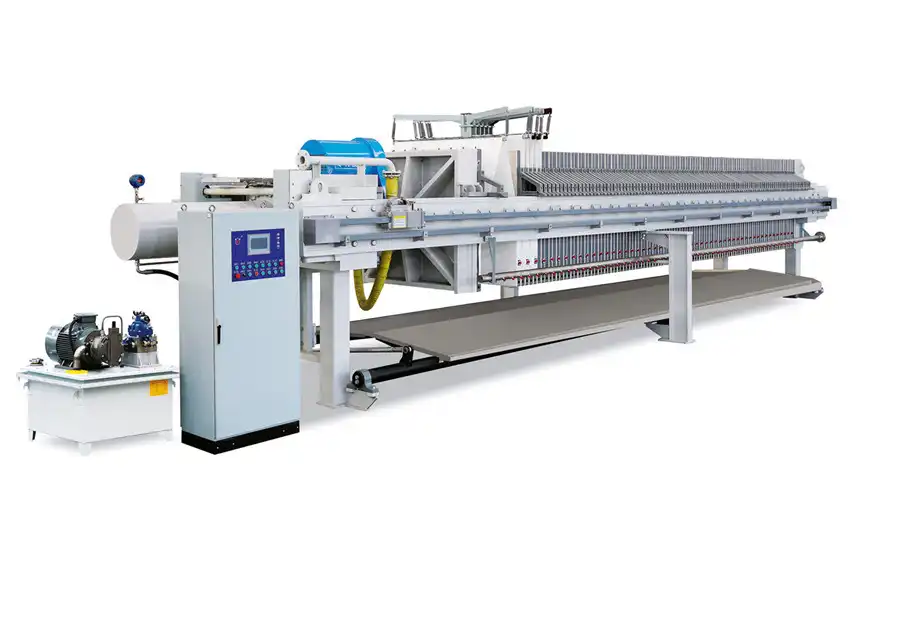
Essential Maintenance Tips to Prolong the Life of Your Press Filter Machine
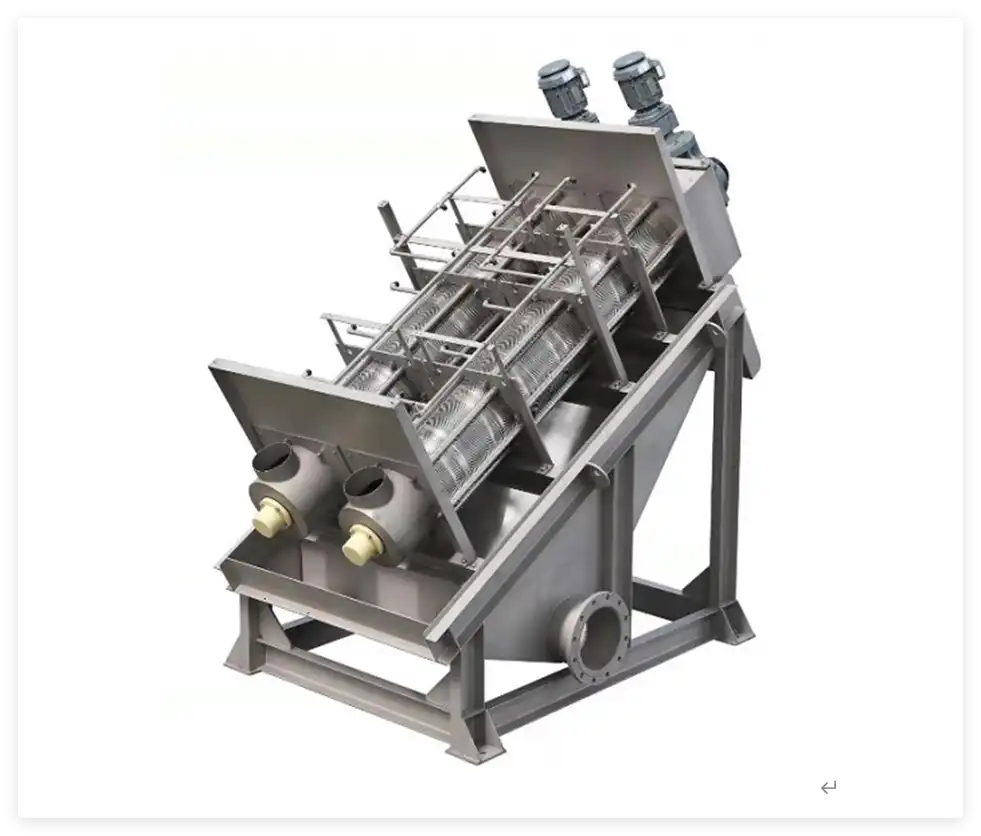
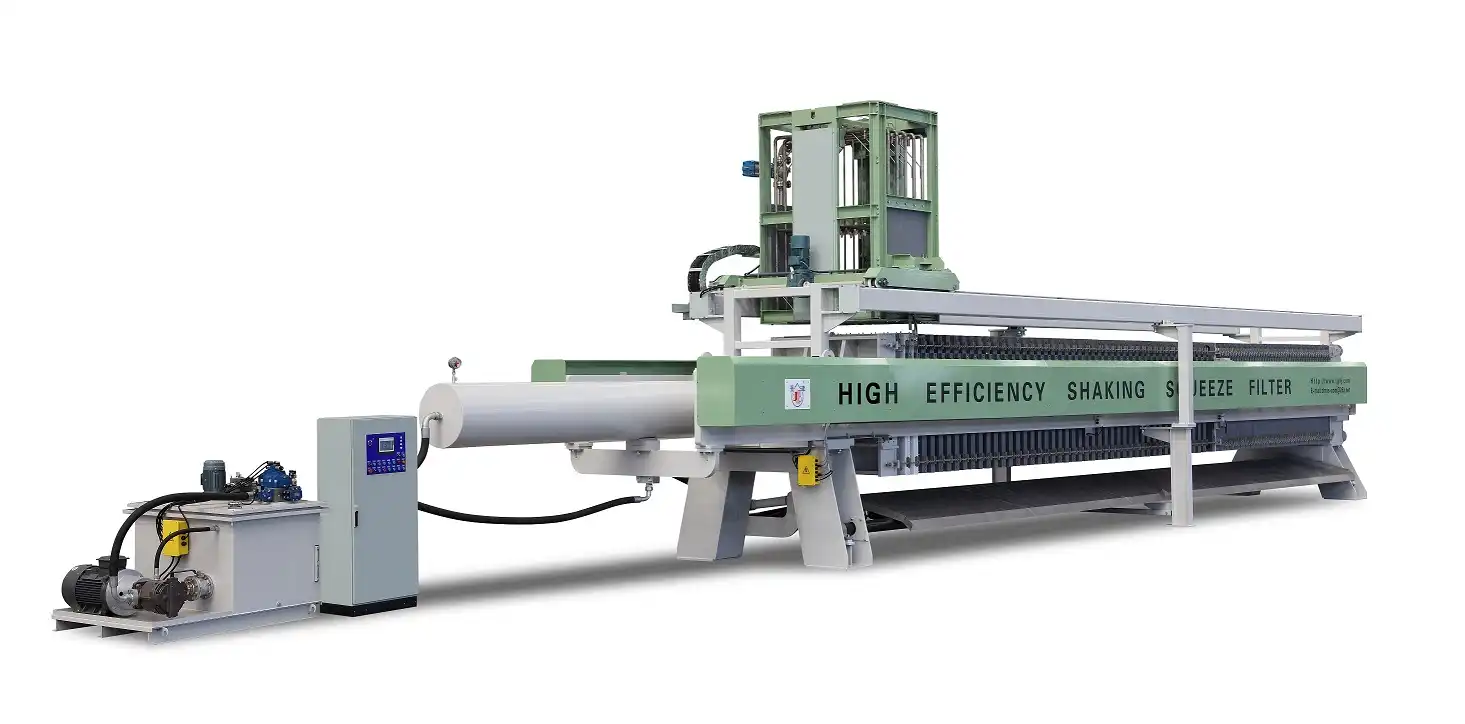
Affordable Multi Screw Press Machines for Wastewater Treatment: What to Look For
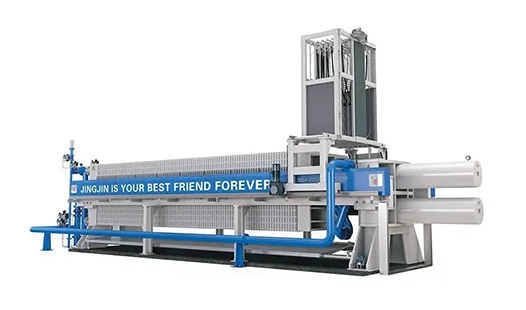
Where European Distributors Source Press Filter from China?
High Efficiency Jingjin Filter Press Applications in Chemical Manufacturing