How Filter Press Machines Improve Wastewater Treatment: Key Benefits and Applications
How Filter Press Machines Improve Wastewater Treatment: Key Benefits and Applications
Understanding Filter Press Machines in Wastewater Treatment
- Understanding Filter Press Machines in Wastewater Treatment
- Key Benefits of Using Filter Press Machines in Wastewater Treatment
- Applications of Filter Press Machines in Various Industries
- How to Choose the Right Filter Press Machine for Your Wastewater Treatment Needs
- Maintenance, Troubleshooting, and Best Practices for Filter Press Machines
- Conclusion
- Frequently Asked Questions
- Partner with a Trusted Filter Press Machine Manufacturer
- References
Filter press machines transform wastewater treatment by efficiently separating solids from liquids, delivering dry filter cakes and crystal-clear filtrate that meet stringent environmental regulations. These robust systems reduce sludge volume by up to 70%, significantly cutting disposal costs while ensuring compliance across municipal, industrial, and mining operations. When paired with advanced automation and corrosion-resistant materials, modern filter presses minimize downtime and optimize operational efficiency, making them indispensable for facilities facing escalating regulatory pressure and disposal expenses.
Understanding Filter Press Machines in Wastewater Treatment
How Filtration Cycles Work
Wastewater treatment plants utilize a simple yet effective method. Slurry flows into chambers formed by successive filter plates, solids build up on filter cloths, and purified liquid drains out through drainage apertures. In each cycle, the pressure is gradually raised from a low flow rate up to 0.6–4.0 MPa depending on the sludge type, until the chambers are filled with compressed cake. This pressure-induced separation results in an exceptionally clear filtrate, which often can be directly reused or discharged without further treatment.
Common Filter Press Types and Components
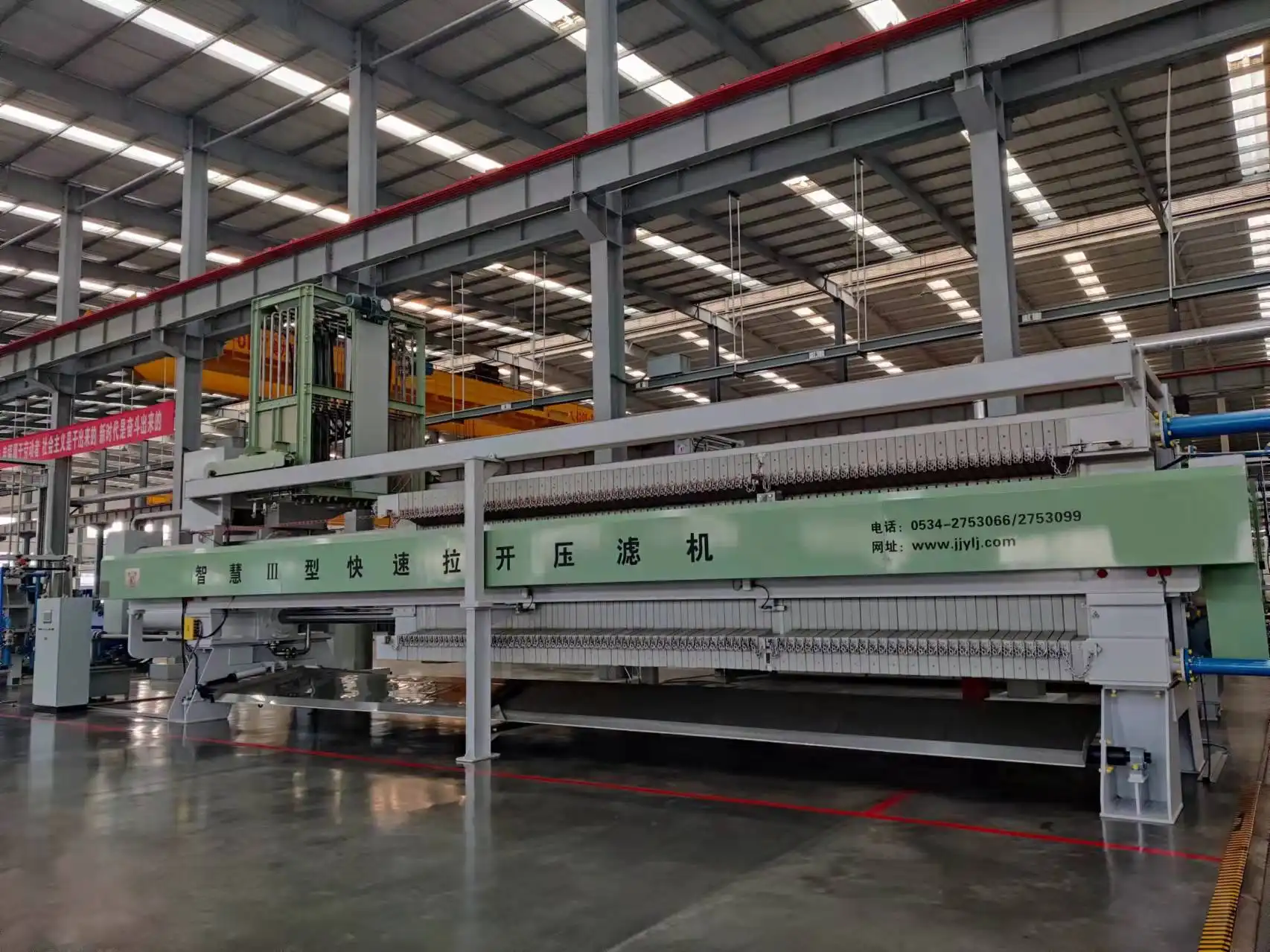
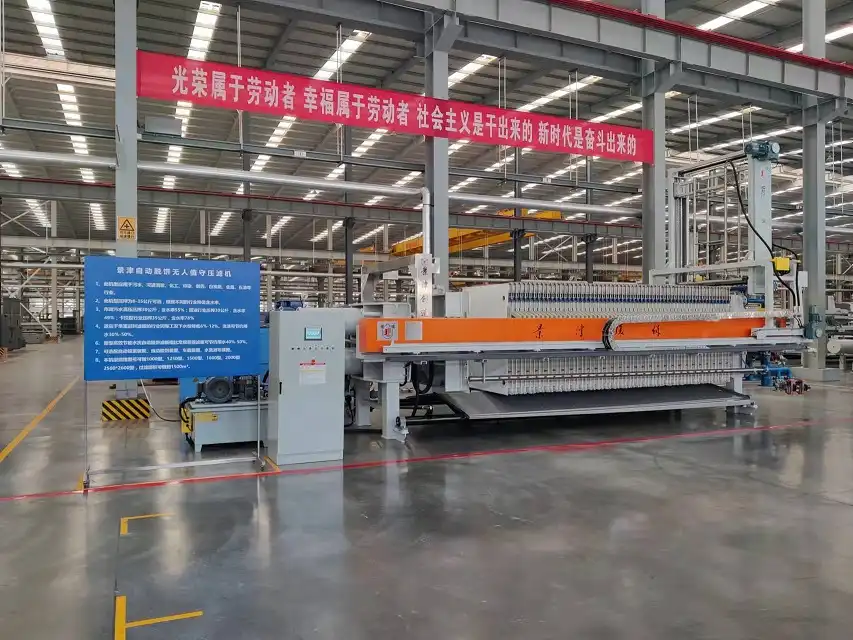
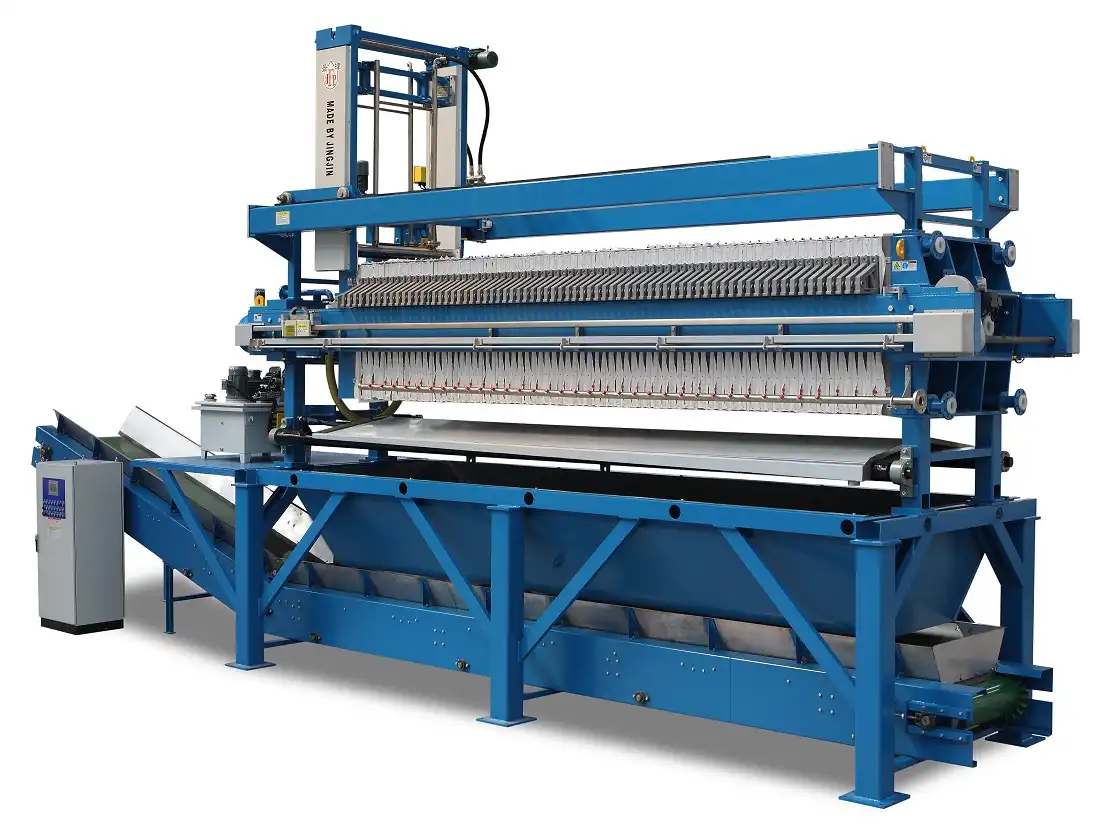
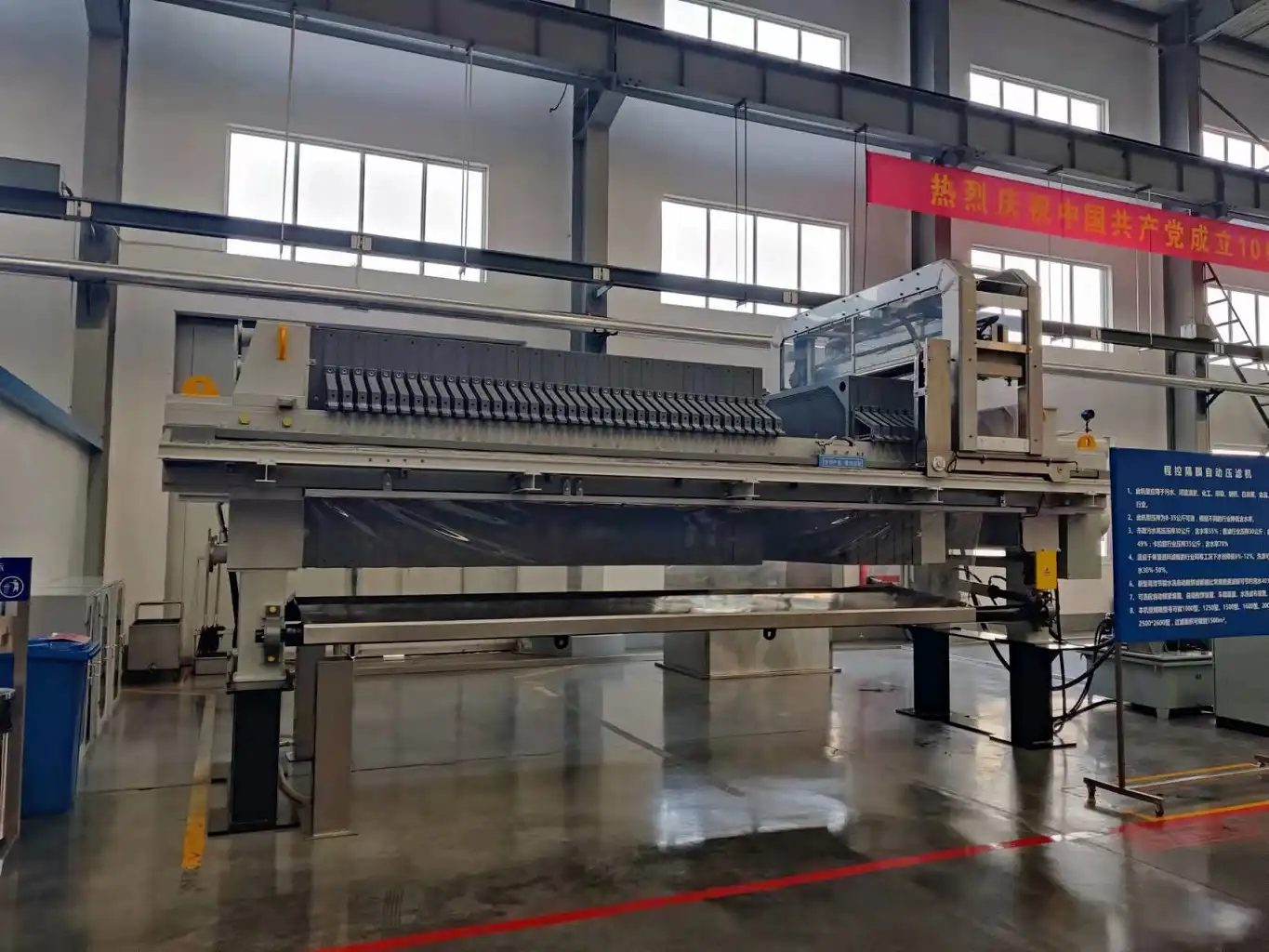
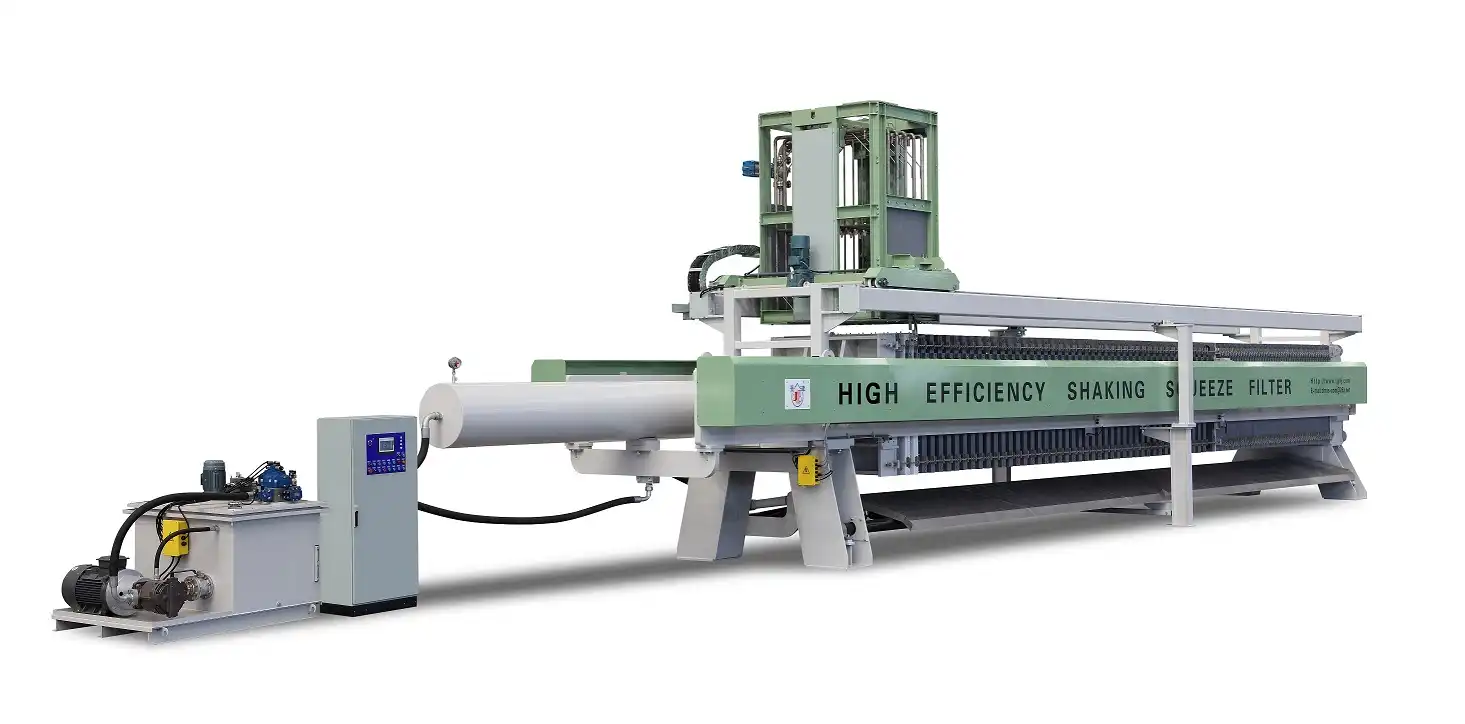
Plate-and-frame designs are suited to applications where the cloth needs to be changed frequently, whereas recessed-chamber versions remove the frame plates altogether for a more streamlined operation. Automatic presses integrate PLC controls, hydraulic closing systems, and robotic plate shifters to decrease manpower and speed cycle times. For smaller operations where throughput is not such a problem, manual presses still are the most economical. Core components comprise reinforced polypropylene (RPP) or stainless steel plates, filter cloths with certain micron ratings in monofilament or woven styles, hydraulic cylinders providing steady closing pressure, and feed pumps with variable frequency drives (VFDs) for dynamic flow adjustment as cake builds.
Comparison with Alternative Technologies
Centrifuges use more energy (30-50% more) and require constant high-speed spinning. They also leave a wetter cake, with an average moisture content of 65-75% compared with 45-60% for membrane filter presses. Vacuum filters have problems with fine particles and need frequent belt maintenance, but chamber-style filtering collects particles as thin as 1–5 microns with little cloth blinding. Belt presses require continuous dosing of polymers to make flocs, which increases the expense of chemicals. Pressure filtration, on the other hand, mechanically consolidates the sludge, which reduces the dependence on expensive flocculants and gives a better cake dryness. This is important for cost-effective landfill disposal or thermal drying.
Key Benefits of Using Filter Press Machines in Wastewater Treatment
High-Efficiency Solid-Liquid Separation
Modern dewatering systems, such as filter press machines, excel at producing filter cakes with residual moisture between 15% and 20%, a level unmatched by competing technologies. This dryness translates directly into reduced trucking frequency—facilities report 40–60% fewer haul trips annually—and lower landfill tipping fees. Clear filtrate with suspended solids below 30 mg/L enables direct water recycling in process applications or meets discharge permits without tertiary polishing steps, saving both freshwater intake costs and treatment chemicals.
Operational Efficiency and Energy Savings
Hydraulic systems are intermittent, not continuous, because power is used only on the closing of the chamber, when the cake is compressed, and the plates are moved. Electricity demand is cut by 25-35% peak compared to centrifuge systems of the same capacity. Automation sequences reduce cycle times by 15 to 20 minutes each batch, improving daily throughput without capital growth. Predictive maintenance algorithms monitor real-time trends of hydraulic pressure and fabric permeability, initiating maintenance during planned downtime instead of emergency breakdowns that halt output.
Environmental Compliance and Cost Reduction
In the United States, regulatory authorities impose discharge restrictions on total suspended solids (TSS), biochemical oxygen demand (BOD), and heavy metals. Pressure filtration always produces TSS < 10 mg/L in the filtrate stream, avoiding permit violations and fines that can exceed $50,000 per event. The volume decrease cuts disposal expenses by 50 to 70 percent, and the average payback period for investment in the equipment is 18 to 36 months, based on the rate of sludge creation and local landfill charges. A few industrial operations, such as pigment manufacture and metal finishing, recover filter cakes. These have value for resale or reuse, thus offsetting operational expenses .
Process engineers and plant operations directors will see key pain points addressed as these benefits include improved dependability, reduced downtime, and long-term compliance. The high-pressure membrane systems have shown persistent reductions in moisture and measured annual savings in disposal costs, which validates the economic and environmental viability of the technology.
Applications of Filter Press Machines in Various Industries
Municipal and Industrial Wastewater Treatment
Sewage treatment plants that handle 5 to 50 million gallons per day use large-format automatic presses with 100 to 200 chambers to dewater digested sludge. When combined with thermal drying, these facilities meet Class A biosolids regulations for land application or composting. Chemical factories, refineries, and metalworking shops produce industrial wastewater that contains oils, heavy metals, and suspended particulates, which need to be filtered in a rigorous manner. Corrosion-resistant PVDF plates and specially designed filter media are neither affected by harsh pH levels nor by temperatures of up to 95 °C. The sealing integrity and filtering efficiency are maintained during long campaigns.
Chemical and Pharmaceutical Manufacturing
Plants producing pigments, dyes, resins, and active pharmaceutical ingredients (APIs) generate hazardous sludges that must be contained and valuable intermediates recovered. The membrane squeezing technology can lower the moisture content to 35-45% and concentrate the product for reprocessing or safe disposal. Closed system designs eliminate fugitive emissions during cake discharge and lower worker exposure to harmful chemicals. Customizable automation interfaces link with current SCADA systems to log batch data for regulatory audits and quality control documentation.
Mining and Mineral Processing
At copper, gold, and coal operations, tailings dewatering requires high-pressure systems of 3.0–4.0 MPa to crush fine particles that have difficult permeability. Mine-site membrane filter presses are now achieving cake dryness below 18% moisture, lowering water retention in tailings impoundments and expediting reclamation timelines. Filtration of the concentrate before smelting reduces surface moisture and hence increases furnace efficiency and reduces energy usage. Durability is critical in these hostile environments—cast iron frames and heavy-duty hydraulic components can endure abrasive slurries and 24/7 operation in isolated sites with minimal maintenance support.
Construction and Tunneling Projects
Mobile filtering units on trailers are used by contractors dealing with slurry from tunnel boring machines (TBMs), foundation drilling, and aggregate washing for rapid deployment. High-capacity models provide 50-100 cubic meters/hr processing to handle excavation speeds and stringent discharge standards for metropolitan jobsites. If the moisture content is below 20%, disposal of the cake is simplified, and the cake can be trucked directly to landfills without any extra dewatering or stabilization operations.
Each application shows the flexibility of pressure filtering to different sludge types and operating conditions. Case studies in the pharmaceutical, mining and municipal industries confirm increased compliance rates, reduced operating costs, and improved process reliability when properly specified systems replace obsolete belt presses or centrifuges.
How to Choose the Right Filter Press Machine for Your Wastewater Treatment Needs
Evaluating Capacity and Cycle Time Requirements
Calculate daily sludge production in cubic meters or tons of dry solids to determine chamber volume and number of plates. Facilities generating 10–20 tons per day typically install 60–80 chamber presses with 1200 mm x 1200 mm plate sizes. Cycle time optimization balances filtration rate curves with productivity goals—ending cycles when filtrate flow drops below 10–15 L/min maximizes throughput without wasting energy on marginal cake buildup. Sludge characteristics such as particle size distribution (PSD), compressibility, and thixotropic behavior influence filtration rates and required feed pressure. In many industrial setups, operators select a filter press machine based on these parameters to ensure stable and efficient performance.
Comparing Automation Levels and Budget Constraints
Manual presses minimize initial capital investment by 30-40%, but require constant operator attention to open the plate, remove the cake, and wash the cloth. Semi-automatic systems automate the closing and opening processes, but the cake discharge remains manual. They are a good compromise for medium-scale facilities. Robotic shifting, high-pressure cloth washing, and PLC integration are appropriate for high-volume activities where personnel expenses are greater than equipment amortization. In talking about budgets, include lifespan expenses, including energy, maintenance parts, and replacement of filter cloth throughout the 10-15 year operating horizon.
Supplier Reliability and After-Sales Support
Top manufacturers supply complete documentation, including P&ID drawings, electrical schematics, and hydraulic system layouts for EPC integration. Warranty coverage from 12 to 24 months includes on-site commissioning and operator training for a smooth start-up. Global service networks with regional parts depots reduce lead times for crucial components, including hydraulic seals, filter cloths, and control modules. Performance claims and dependability measures are validated by references from current installations in similar sectors.
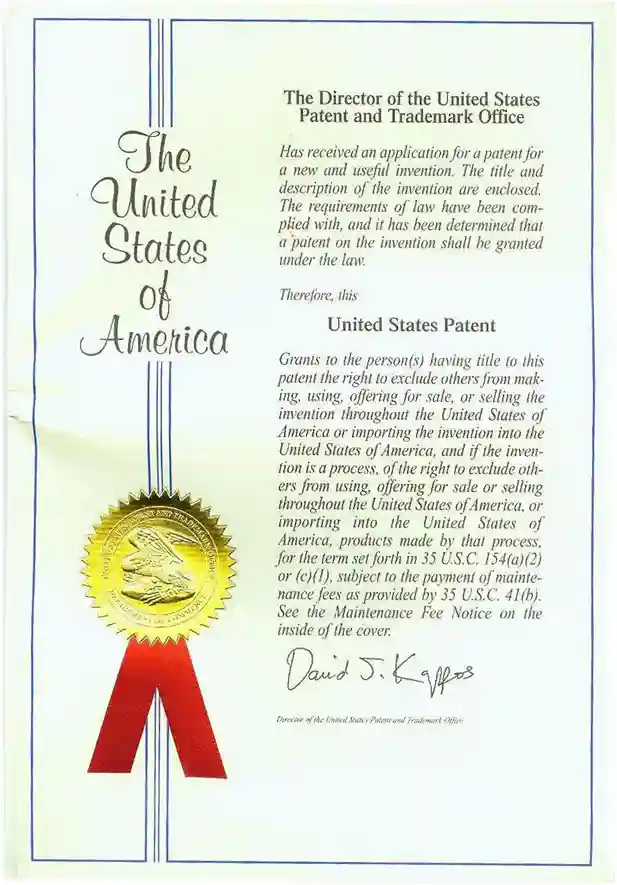
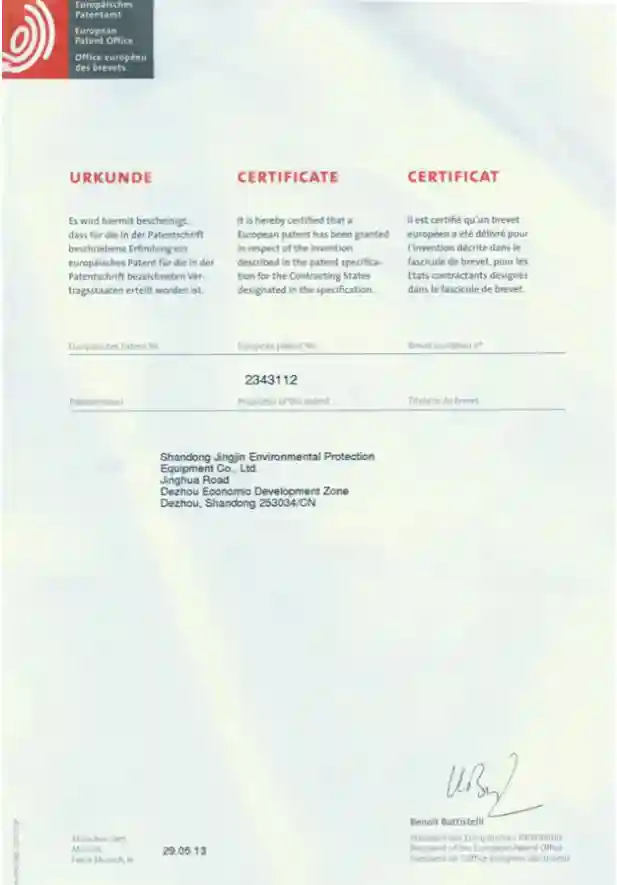
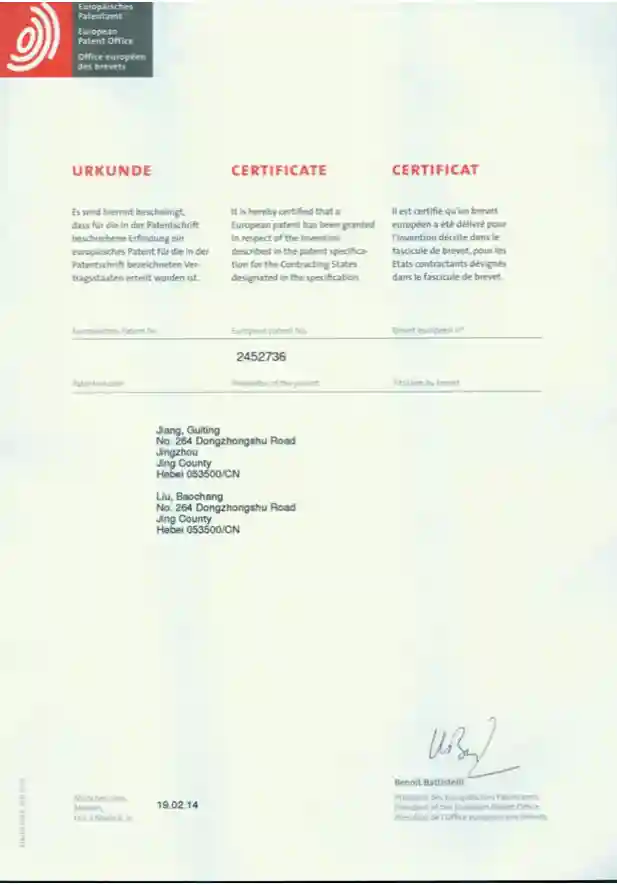
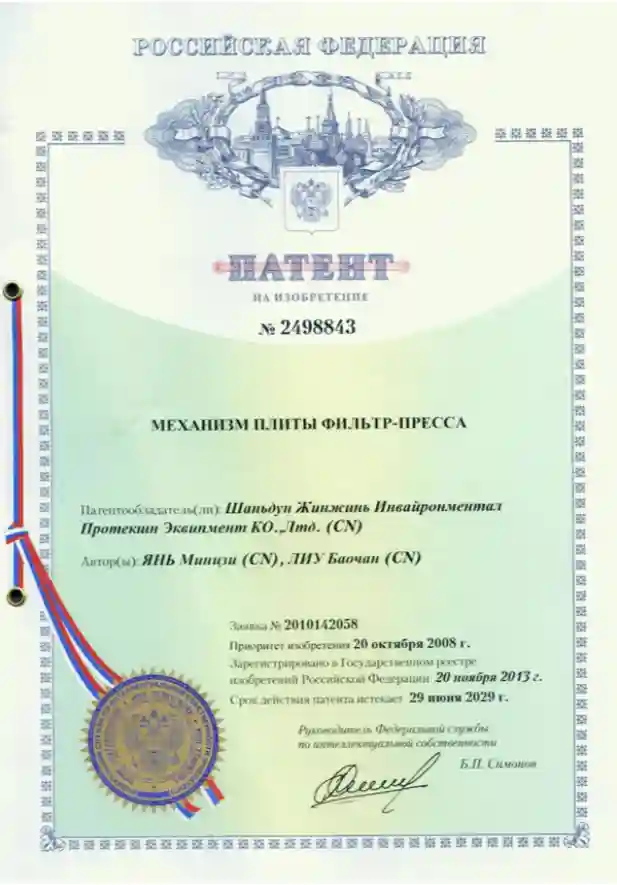
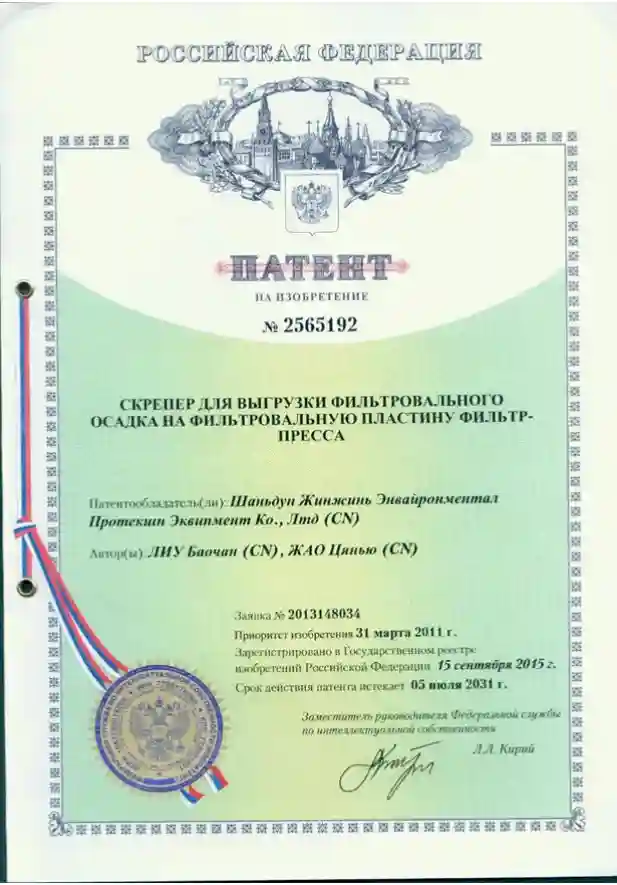
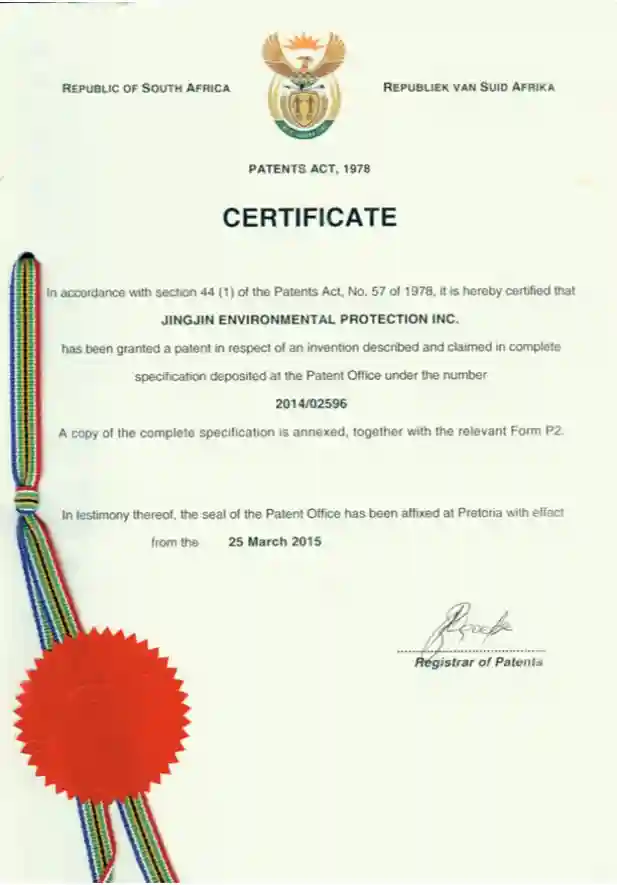
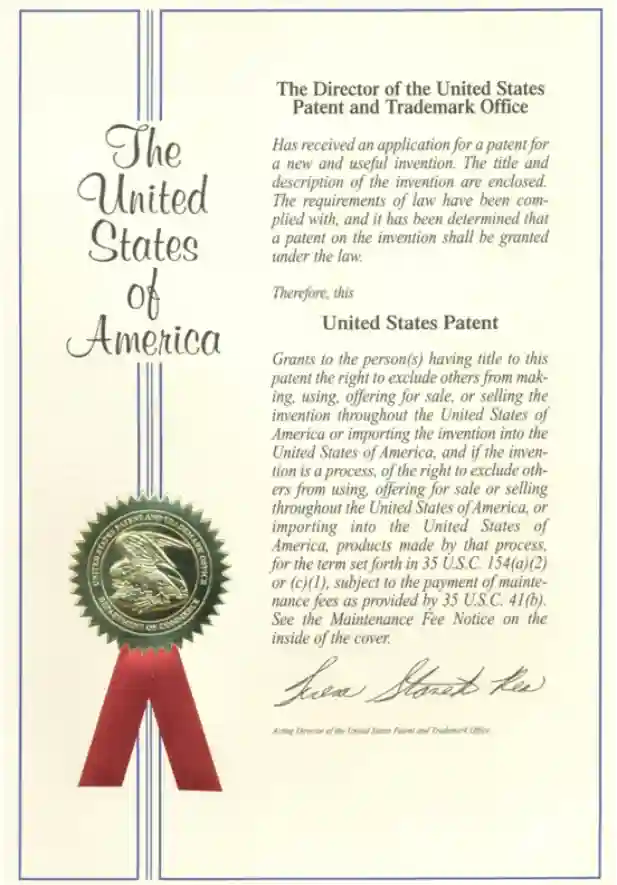
Jingjin Equipment Inc. (founded in 1988) is a heavy-duty filtration solutions provider with 136+ patents and a global footprint in 123 countries. Our engineering team engages with process engineers and procurement managers to specify solutions to fit specific capacity needs, sludge qualities, and automation preferences. Full assistance, including system design, factory acceptance testing, and long-term supply of consumables, makes operational stability possible for challenging applications globally.
Maintenance, Troubleshooting, and Best Practices for Filter Press Machines
Routine Maintenance Protocols
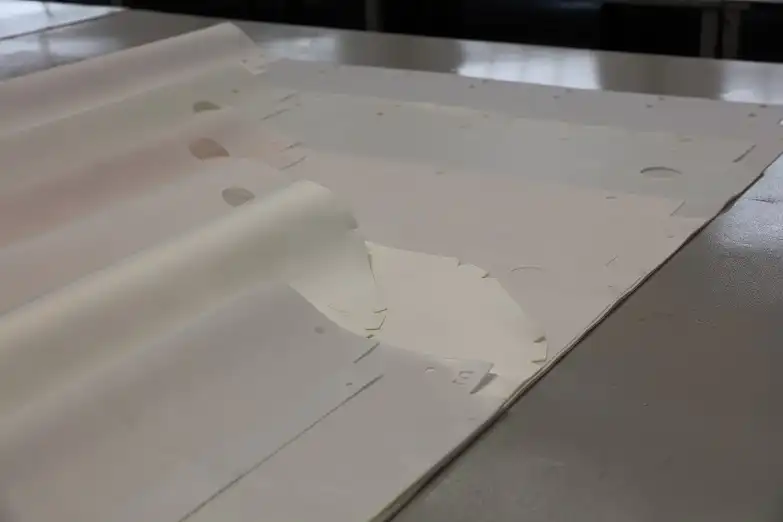
Inspect filter cloths weekly for blinding, tears, or folds at edges that compromise sealing. Chemical washing with acid or alkaline solutions every 500–1000 cycles restores permeability by dissolving embedded particles. Hydraulic systems require ISO 46/68 anti-wear oil changes after the initial break-in period (approximately 1 month or 200 hours) and subsequently every six months or 2000 operating hours. Check piston seals, valve blocks, and oil pipes for leaks that signal internal wear. Plate sealing surfaces demand cleaning after each shift to remove dried cake residue that causes spraying during subsequent cycles.
Troubleshooting Common Issues
High cake moisture often results from insufficient feed pressure, inadequate squeezing duration on membrane systems, or blinded cloths reducing permeability. Verify pump curves match chamber pressure requirements and adjust cycle endpoints based on filtrate flow monitoring. Sudden hydraulic pressure drops indicate worn seals, internal valve leakage, or damaged hoses requiring immediate replacement to prevent safety interlock shutdowns. Leakage between plates—commonly called spraying—stems from debris on sealing surfaces, insufficient closing pressure, or worn cloths folding during compression. Address these issues promptly to avoid product loss and operational delays.
Optimizing Filtration Cycles
Adjust feed pump VFDs on the filter press machine to deliver high flow rates early in cycles when cake resistance remains low, transitioning to low flow and high pressure as chambers fill. This dynamic control shortens total cycle time by 10–15% while maintaining target cake dryness. Tailor cycle parameters for varying sludge types—biological sludge from wastewater treatment requires different pressure profiles than mineral tailings or chemical precipitates. Automation platforms log cycle data to identify trends and optimize settings continuously, enhancing throughput without manual trial-and-error adjustments.
Predictive monitoring technologies track hydraulic pressure curves, motor current signatures, and cloth resistance to forecast maintenance needs weeks in advance. Facilities adopting these tools report 20–30% reductions in unplanned downtime and extended equipment lifespan exceeding 15 years in demanding environments.
Conclusion
Pressure filtration technology delivers measurable improvements in wastewater treatment efficiency, environmental compliance, and operational costs. High cake dryness, clear filtrate quality, and energy-efficient operation address the core challenges facing municipal plants, mining operations, and chemical manufacturers. Selecting equipment aligned with capacity needs, sludge characteristics, and automation requirements ensures long-term reliability and return on investment. Partnering with experienced suppliers offering comprehensive engineering support, global service networks, and proven performance in similar applications mitigates risk and accelerates project timelines. As discharge regulations tighten and disposal costs escalate, robust dewatering systems become essential assets for sustainable industrial operations.
Frequently Asked Questions
1. What residual moisture content can membrane systems achieve compared to chamber presses?
Standard chamber presses typically produce filter cakes with 60–75% moisture, relying solely on feed pump pressure to consolidate solids. Membrane systems add a secondary squeezing phase where water or compressed air inflates flexible membranes against the cake, physically expelling additional liquid. This dual-stage process reduces moisture to 45–60%, depending on sludge compressibility and thixotropic properties, cutting disposal weight and transportation costs by an additional 15–25%.
2. How often should filter cloths be replaced to maintain optimal performance?
Cloth lifespan varies with sludge abrasiveness, chemical exposure, and washing frequency. Industrial applications averaging 3–5 cycles per day typically replace cloths every 800–1200 cycles, or approximately 6–12 months. Monitoring permeability trends and conducting visual inspections for tears, thinning, or excessive blinding guides replacement timing. Maintaining spare cloth inventories minimizes downtime during changeovers.
3. Can filtration systems handle high-temperature slurries safely?
Standard reinforced polypropylene plates accommodate temperatures up to 70°C without thermal warping. Applications involving slurries at 75–95°C require glass-fiber-reinforced PP, PVDF, or cast iron/aluminum plates with higher thermal stability. Proper material selection during specification prevents structural failure and maintains sealing integrity across temperature fluctuations common in chemical processing and mining operations.
Partner with a Trusted Filter Press Machine Manufacturer
Jingjin Equipment Inc. stands ready to help you overcome sludge dewatering challenges with proven filtration technology tailored to your industry. Our engineering team evaluates your capacity requirements, sludge characteristics, and compliance goals to recommend optimal configurations backed by over three decades of global experience. From initial system design through commissioning and ongoing consumables supply, we deliver the reliability and performance your operation demands. Contact our specialists at [email protected] to discuss your wastewater treatment needs with a leading filter press machine supplier committed to your success.
References
1. American Water Works Association. (2019). Manual of Water Supply Practices M36: Water Audits and Loss Control Programs (4th ed.). Denver, CO: AWWA.
2. Cheremisinoff, N. P. (2002). Handbook of Water and Wastewater Treatment Technologies. Woburn, MA: Butterworth-Heinemann.
3. Eckenfelder, W. W., & Grau, P. (2000). Activated Sludge Process Design and Control: Theory and Practice (2nd ed.). Boca Raton, FL: CRC Press.
4. Metcalf & Eddy, Inc., Tchobanoglous, G., Burton, F. L., & Stensel, H. D. (2003). Wastewater Engineering: Treatment and Reuse (4th ed.). New York, NY: McGraw-Hill.
5. Tarleton, E. S., & Wakeman, R. J. (2007). Solid/Liquid Separation: Equipment Selection and Process Design. Oxford, UK: Butterworth-Heinemann.
6. Water Environment Federation. (2013). Design of Municipal Wastewater Treatment Plants (5th ed.). Alexandria, VA: WEF Press.
jingjin
Founded in 1988, Jingjin specializes in filter presses and liquid-solid separation solutions, serving over 130 countries worldwide, and is a standard-setter in China's filter press industry.
Get the Filter Press guide
Enter Your Email for Technical assistance for the Filter Press.
Recommended Blog
Affordable Multi Screw Press Machines for Wastewater Treatment: What to Look For
Why Vietnam Factories Prefer China Membrane Plate Filter Press?
Dewatering Press Machines for Middle East Desalination Plants
Top Maintenance Tips to Keep Your Filter Press Machine Running Smoothly