Membrane Squeeze Filter Press Maintenance Tips
Introduction
- Introduction
- Understanding Membrane Squeeze Filter Press and Its Maintenance Needs
- Common Membrane Squeeze Filter Press Maintenance Issues and Their Causes
- Step-by-Step Maintenance Procedures for Optimal Performance
- Troubleshooting and Problem-Solving Strategies
- Enhancing Membrane Squeeze Filter Press Longevity Through Proactive Maintenance
- Conclusion
- FAQ
- Partner with Jingjin for Reliable Membrane Squeeze Filter Press Solutions
- References
To keep a membrane squeeze filter press in good shape, you need to check important parts on a regular basis, repair worn parts when they get too old, and keep a close eye on how it works. By checking the membranes regularly, fixing the hydraulic systems, and making sure the plates are lined up correctly, you can cut the amount of moisture by 10–20%, make the equipment last for years longer, and avoid costly production breaks. Putting in place an organized repair schedule that is specific to your operations will protect your investment in advanced solid-liquid separation technology and make sure that the dewatering works at its best.
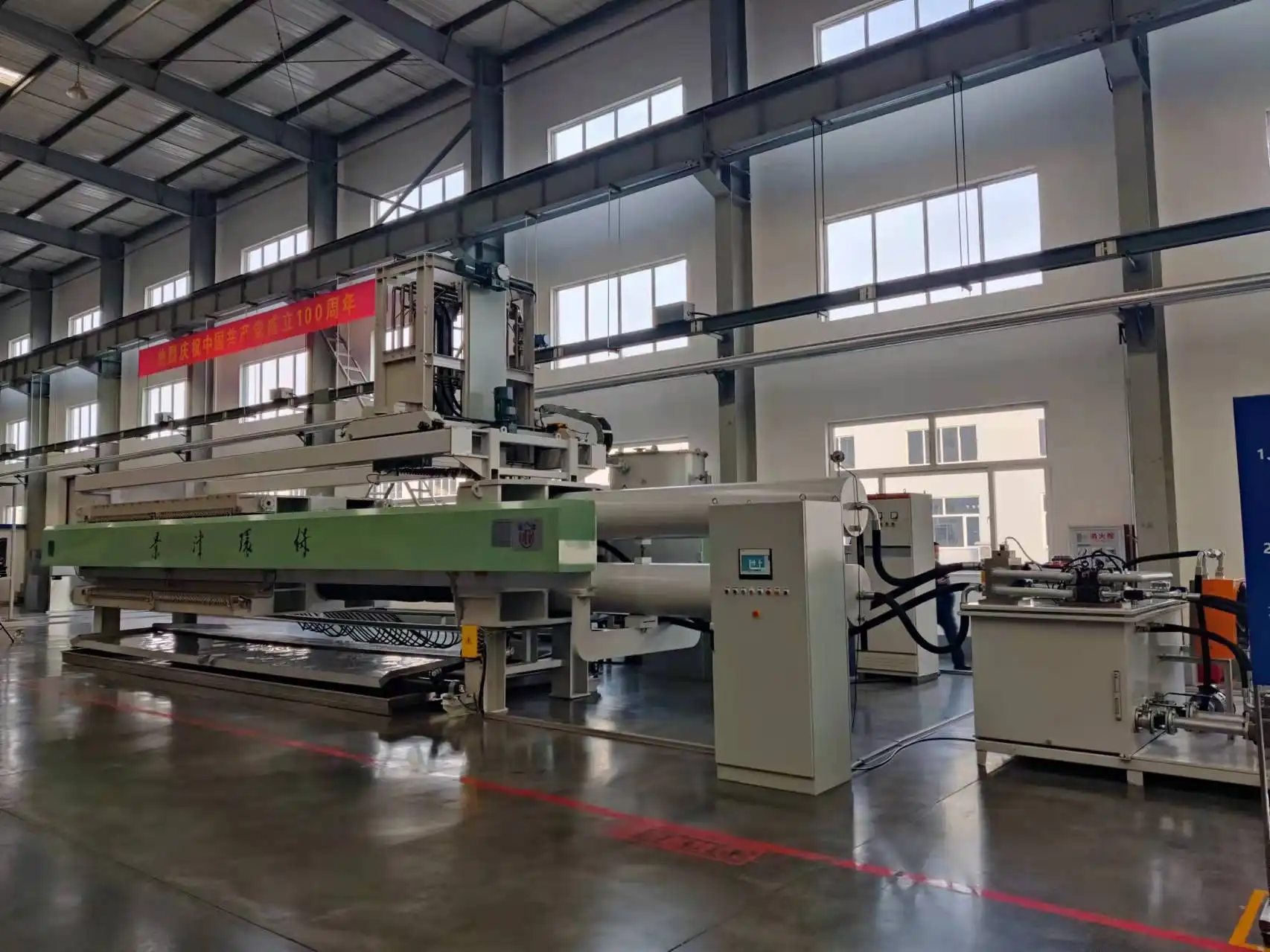
Introduction
To meet strict environmental standards and working goals, industrial filter operations need tools that they can rely on. The membrane squeeze filter press is a big step forward in the technology of separating solids from liquids. It provides unmatched levels of dryness and operating efficiency in mining, wastewater treatment, chemical manufacturing, and pharmaceutical production. But for this high-tech gear to work at its best, it needs regular, well-informed care.
For procurement managers, process engineers, wastewater facility workers, and EPC project managers who know that buying equipment is just the start of a long-term relationship, we wrote this guide just for them. We've seen how proper maintenance affects output, cake dryness, business costs, and legal compliance over many years of working with clients in 123 countries. This resource brings together best practices that have been shown to work in the field. It will help you get the most out of your equipment's lifespan and reduce unexpected downtime, two things that have a direct effect on your bottom line and operational image.
Understanding Membrane Squeeze Filter Press and Its Maintenance Needs
How Membrane Squeeze Technology Works
The secondary compression phase of a membrane squeeze filter press is what sets it apart from other deep chamber types. Once the filter cake is made by pumping slurry at first, flexible diaphragms built into special filter plates are inflated with 1.6 to 3 MPa of compressed air or water. This mechanical squeeze physically pushes out interstitial moisture that is trapped in the cake structure. This lowers the moisture level in a way that normal filter pressure alone can't. The technology is especially useful for handling biological sludge, industrial waste, or chemical precipitates, where every percentage point of dryness saves a lot of money on disposal costs.
Critical Components Requiring Regular Attention
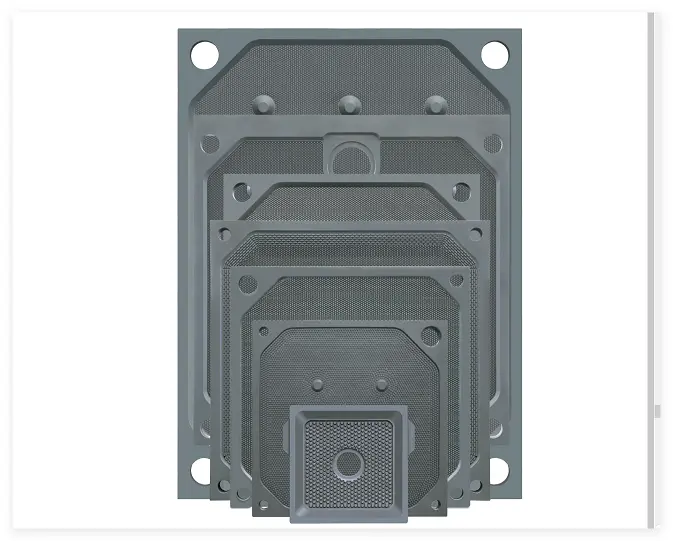
The membrane plates, which are made of strengthened polypropylene, TPE, or EPDM, are exposed to chemicals and frequent bending. Hydraulic systems need to be able to precisely control the pressure and move plates without any problems. To stop slurry bypass, sealing areas between plates need to be in clean contact with each other. Every day, abrasive or corrosive materials are moved through feed and release devices. Knowing how these things depend on each other helps maintenance teams plan when to do inspections and when to repair parts so that problems don't mess up production schedules.
Why Maintenance Directly Impacts Your Operational Goals
Neglected repair quickly shows up as a drop in function that can be measured. When membranes lose their flexibility or get tiny tears, the cake's moisture content slowly rises. Leaks in hydraulic systems waste energy and put people in danger. Plate surfaces that are damaged let slurry get around filter zones, which contaminates filtrate and slows down recovery rates. Each of these problems makes cycle times longer, waste loads higher, and environmental compliance at risk—exactly the problems that led you to buy tools in the first place.
Common Membrane Squeeze Filter Press Maintenance Issues and Their Causes
Membrane Degradation and Rupture
Membrane failure is the most common problem we see in systems that need repair. When working with pH extremes or organic solvents without choosing the right materials, chemical mismatch speeds up the breakdown process. When you set the squeeze pressure too high or cycle it too often, which goes beyond what the manufacturer recommends, mechanical fatigue happens. We have proof of membranes that were supposed to last 5,000 cycles but only lasted 2,000 cycles because the expansion pressures were wrong, creating stress collection points.
Hydraulic System Failures
There are many kinds of hydraulic problems, from leaky seals and cylinder movement to pumps that stop working completely. Hydraulic oil that is contaminated with water or particles quickly wears out interior parts. Extreme temperatures, which can happen in outdoor locations or near process heat sources, weaken seal materials and fluid viscosity. If hydraulic fluid isn't filtered well enough, sharp particles can damage the walls of cylinders and the seats of valves.
Filter Plate Damage and Sealing Problems
Plate damage usually happens during opening and closing processes, when plates hit each other because they are not lined up correctly. Leaks happen in later rounds because of dried cake residue that is left on closing surfaces. When plates made from normal polypropylene are used at temperatures above 70°C, structural cracks initiate. Over time, even small damage to the covering surface builds up, making leaks worse and lowering the quality of the water.
Feed System and Valve Problems
A gritty slurry can wear out diaphragm pumps, progressive cavity pumps, or rotary feed systems. Particles can wear down valve seats, especially when they are exposed to mine slurries or rock wash water. If the feed lines get clogged, they slow down the flow and make the chambers fill unevenly, which makes the cakes have different thicknesses and squeezing less effective.
Step-by-Step Maintenance Procedures for Optimal Performance
Setting up regular maintenance schedules changes the trustworthiness of equipment from needing fixes when something goes wrong to planned, budget-controlled asset management. Here's how upkeep plans for great businesses are set up:
Daily Operational Inspections
At the start of each shift, operators should look for leaks in the hydraulic fluid around the cylinders and links. Checking the clarity of the filtrate gives you instant feedback on how well the seal is working, since signals that are cloudy get around broken plates or worn cloth. By checking squeeze pressure gauges, you can be sure that the inflation system stays within the limits that were set. Alignment problems can be found before they cause damage by listening for strange noises when the plates close. These easy checks take less than ten minutes to do and find problems early on, before they get worse and cause crashes.
Post-Cycle Cleaning Protocols
Parts last longer if they are cleaned properly after each filter run. When you host down-plate surfaces, you get rid of any leftover cake before it dries into tough deposits. By checking the state of the cloth, you can find tears or blind spots that slow down the flow. By checking the membrane surfaces for holes, cuts, or lasting distortion, they can be replaced before they completely fail. Moisture can break down plastic materials and cloth fibers, but letting plates dry in the air stops this from happening.
Weekly and Monthly Preventive Tasks
For the membrane squeeze filter press, if you check the hydraulic oil level once a week, you can find slow leaks before they cause damage from cavitation. Changing the hydraulic filter once a month keeps contaminants from building up, even if the oil looks clean. Offline tests on the membranes every three months make sure that each one expands fully and evenly, with no slow spots that could mean internal delamination. Following the manufacturer's instructions for lubricating guide rails and moving parts lowers friction wear and makes sure the machine runs smoothly.
Seasonal and Annual Overhauls
As part of full yearly checks, plates should be taken off for a close look in good lighting. By checking the thickness of a plate at several locations, you can tell if the bending is caused by thermal stress or structural wear. It is much cheaper to replace hydraulic seals before they break during planned shutdowns than to fix them quickly when production is high. By calibrating the pressure sensors and control software, automation keeps the parameters at their best. Safety interlocks are checked to make sure they work properly by testing emergency stop systems.
By switching from reactive fixes to this structured preventive method, businesses have been able to cut their maintenance costs by 35%. The key is to see upkeep as something that helps with output instead of something that slows things down.
Troubleshooting and Problem-Solving Strategies
Diagnosing Uneven Cake Discharge
When cake thickness varies significantly between chambers, investigate feed distribution first. Partially clogged feed ports create flow imbalances. Damaged or misaligned feed manifolds deliver unequal slurry volumes. Membrane squeeze presses with variable volume chambers accommodate some variation, but extreme inconsistency indicates system problems requiring correction.
Resolving Membrane Inflation Inconsistencies
If membranes inflate unevenly or slowly, check inflation medium supply pressure and flow capacity. Partially blocked distribution channels within the plate restrict medium delivery. Air pockets trapped in water-inflated systems create compressible zones that absorb pressure without transferring it to the cake. Membrane delamination from the backing plate prevents proper inflation geometry.
Addressing Hydraulic Pressure Fluctuations
Erratic pressure readings during closing cycles often trace to air in hydraulic lines or failing pump check valves. Pressure that drops gradually during hold periods indicates external leaks or internal cylinder seal wear. Pressure spikes when plates contact suggest excessive closing speed settings or obstacles in the plate path.
Preventive Tactics for Membrane Protection
A wastewater treatment facility we work with extended average membrane life from 3,500 to 8,200 cycles through three changes: reducing squeeze pressure from 2.5 MPa to 2.2 MPa (still achieving target dryness), implementing automated cake discharge rather than manual scraping that occasionally nicked membranes, and training operators to recognize early warning signs of cloth blinding that forced membranes to work harder. These modifications required minimal investment but delivered dramatic reliability improvements and maintenance cost reductions.
Enhancing Membrane Squeeze Filter Press Longevity Through Proactive Maintenance
Sourcing Quality Replacement Components
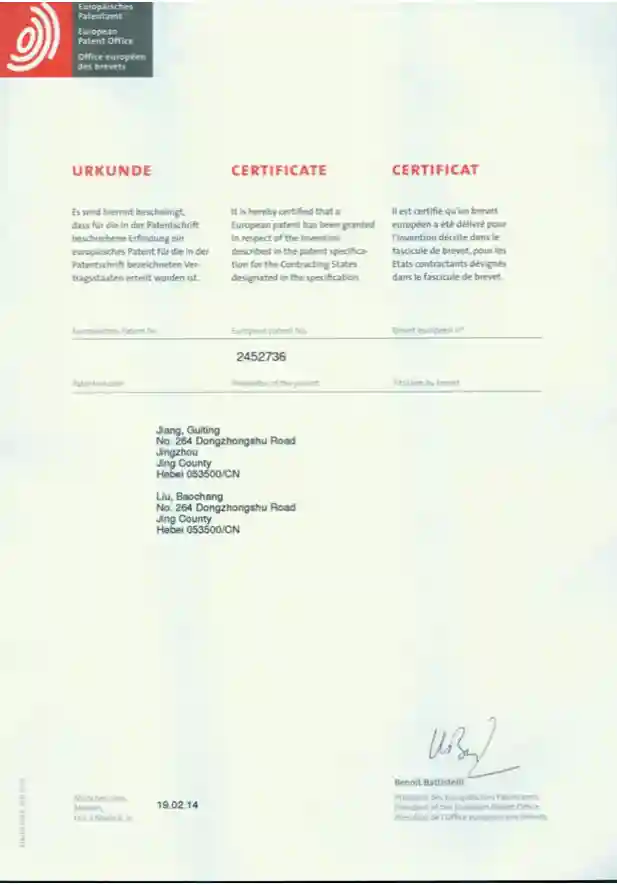
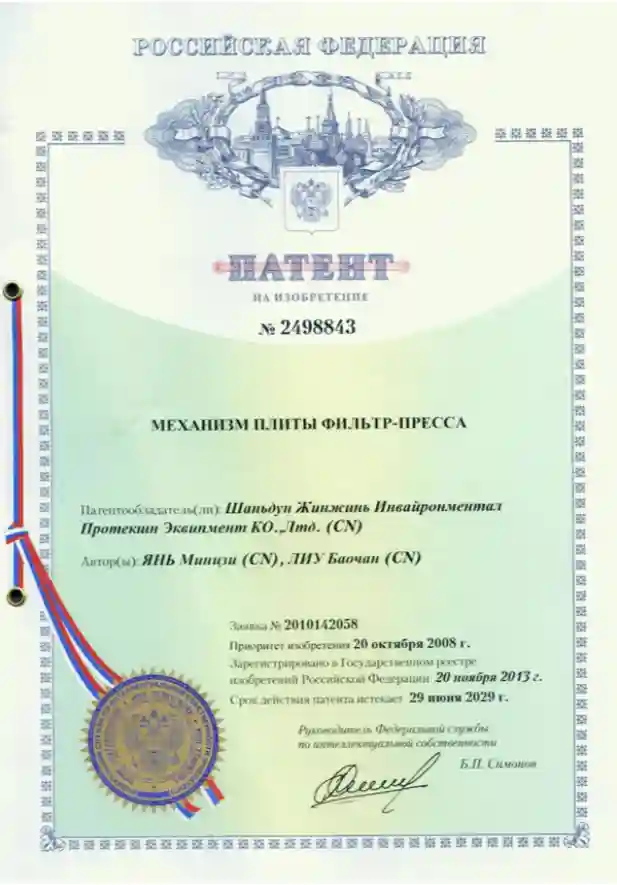
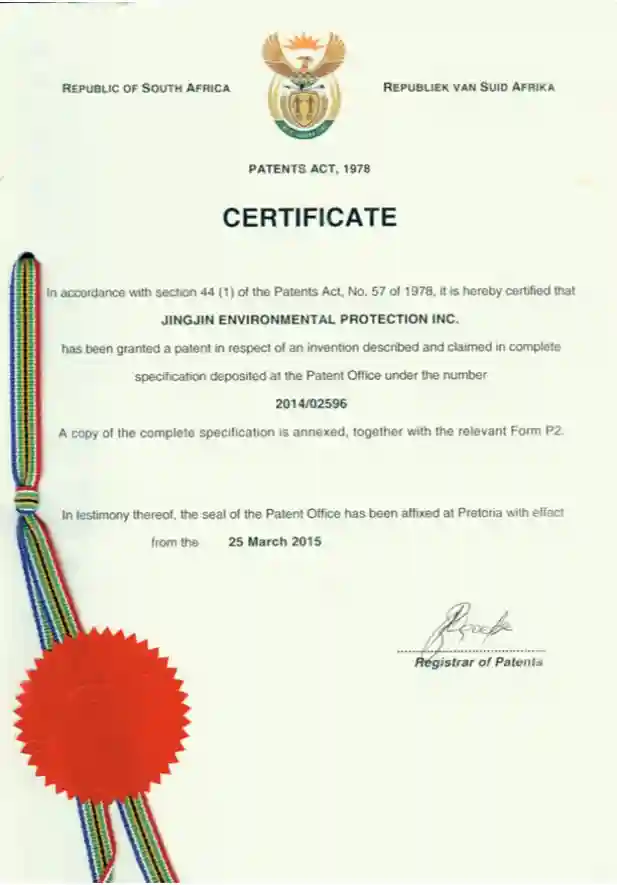
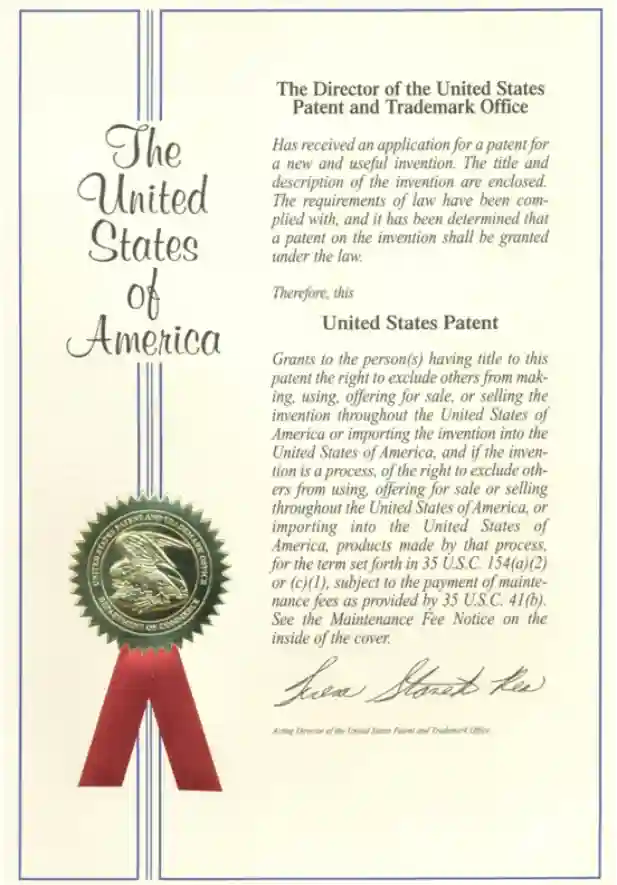
Equipment longevity depends critically on replacement part quality. Genuine OEM membranes engineered for your specific application chemistry and pressure range consistently outlast generic alternatives. Counterfeit or improper materials may fit physically but fail prematurely under operational stress. We manufacture over 136 patented components specifically designed to withstand the demanding conditions our presses encounter across mining, chemical, and municipal applications.
Investing in Operator and Maintenance Training
Technical competency separates facilities that achieve decade-long service intervals from those plagued by recurring failures. Comprehensive training covering operational principles, troubleshooting methodology, and proper maintenance techniques empowers teams to identify and address minor issues before they escalate. We offer customized training programs delivered at client sites or our facilities, ensuring personnel understand both equipment fundamentals and application-specific considerations.
Leveraging Predictive Maintenance Technologies
Modern installations of the membrane squeeze filter press increasingly incorporate sensors monitoring hydraulic pressure, membrane inflation rates, cycle timing, and vibration signatures. Data analytics identify performance trends that precede failures—membrane inflation slowing gradually over weeks signals developing leaks; increasing cycle times indicate cloth blinding or reduced pump capacity. Predictive approaches allow scheduling maintenance during planned shutdowns rather than responding to unexpected failures.
Establishing Manufacturer Support Relationships
Partnering with manufacturers who provide responsive technical support, comprehensive spare parts availability, and field service capabilities protects your operational continuity. Since 1988, we've built a global service network supporting installations from Australian mining operations to European pharmaceutical plants. This infrastructure means procurement managers can source critical components quickly and access engineering expertise when facing unusual challenges or planning capacity expansions.
Conclusion
Effective membrane squeeze filter press maintenance combines systematic inspection routines, prompt attention to wear indicators, quality replacement parts, and operator competency. The practices outlined here reflect decades of field experience across diverse industries and operating conditions. By implementing structured preventive maintenance rather than reactive repairs, you'll achieve the dewatering performance, equipment longevity, and operational reliability that justified your investment. Procurement professionals and facility managers who prioritize maintenance as a strategic asset management function consistently report lower total cost of ownership, improved environmental compliance, and enhanced production flexibility.
FAQ
Q1: How often should membranes be replaced?
Membrane replacement intervals vary considerably based on chemical exposure, squeeze pressure settings, and cycle frequency. High-quality EPDM or TPE membranes operating within design parameters typically deliver 3,000 to 10,000 cycles before requiring replacement. Aggressive chemical environments or excessive pressures shorten lifespan significantly. Monitoring inflation consistency and cake dryness trends provides better replacement timing than rigid schedules.
Q2: What indicates hydraulic system problems requiring immediate attention?
Watch for visible fluid leaks, unusual noises during cylinder operation, inconsistent plate closing force, or slow response times. Hydraulic fluid appearing milky indicates water contamination requiring immediate oil change and seal inspection. These symptoms suggest component wear that will worsen rapidly if ignored, potentially causing sudden complete failure during production.
Q3: Does regular maintenance actually impact filtration cycle time?
Absolutely. Well-maintained membranes achieve specified squeeze pressure quickly and uniformly, minimizing squeeze phase duration. Clean plate surfaces ensure rapid cake release during discharge. Properly functioning hydraulic systems complete opening/closing cycles efficiently. Facilities documenting maintenance impacts typically measure 15-25% cycle time improvements compared to poorly maintained equivalent equipment.
Partner with Jingjin for Reliable Membrane Squeeze Filter Press Solutions
Jingjin Equipment Inc. brings over 35 years of specialized expertise to solid-liquid separation challenges across mining, wastewater, chemical, and pharmaceutical applications. Our membrane squeeze filter press systems incorporate patented technologies proven in thousands of installations worldwide, delivering the exceptional dryness, reliability, and longevity that procurement managers and process engineers demand. Beyond equipment supply, we provide comprehensive maintenance support including genuine OEM replacement parts, technical training programs, and responsive field service capabilities.
As a leading membrane squeeze filter press manufacturer serving clients in 123 countries, we understand that equipment acquisition represents the foundation of a long-term operational partnership. Our engineering team assists with maintenance planning, performance optimization, and capacity expansion projects, ensuring your filtration systems continue meeting evolving production requirements and environmental standards. Contact our technical specialists at [email protected] to discuss your specific application requirements, review maintenance best practices for your operating conditions, or explore how our advanced filtration solutions can enhance your facility's performance and profitability.
References
1. Smith, J.R. & Anderson, M.K. (2021). Industrial Filter Press Maintenance and Optimization Strategies. Technical Press Publishing.
2. Chen, L. & Roberts, P. (2020). Membrane Technology in Solid-Liquid Separation: Performance and Longevity Factors. Journal of Filtration Engineering, 45(3), 127-145.
3. International Filtration Association. (2022). Best Practices for Industrial Dewatering Equipment Maintenance. IFA Technical Guidelines Series.
4. Martinez, C.D. (2019). Hydraulic System Reliability in High-Pressure Filtration Applications. Process Equipment Maintenance Quarterly, 18(2), 34-52.
5. Thompson, R.W. & Liu, H. (2023). Predictive Maintenance Technologies for Industrial Separation Equipment. Equipment Management Review, 31(1), 88-103.
6. Wilson, A.P. (2020). Cost-Benefit Analysis of Preventive Maintenance Programs in Wastewater Treatment Facilities. Municipal Engineering Journal, 56(4), 210-228.
jingjin
Founded in 1988, Jingjin specializes in filter presses and liquid-solid separation solutions, serving over 130 countries worldwide, and is a standard-setter in China's filter press industry.
Get the Filter Press guide
Enter Your Email for Technical assistance for the Filter Press.

Recommended Blog
Best Press Filter Models for Pharmaceutical Filtration Needs
How to Choose the Right Membrane Plate Filter Press for Your Industrial Needs
China Screw Dewatering Machines for Vietnam Food Factories
Understanding Jingjin Filter Press Parts and Accessories: What You Need to Know
Durable Filter Press Machines for Food Processing: Features and Benefits
China Screw Dewatering Machine for International Resellers