Before You Buy a Sludge Filter Press: 6 Questions Your Vendor Should Answer
How Does the Sludge Filter Press Work and What Are Its Key Design Features?
- How Does the Sludge Filter Press Work and What Are Its Key Design Features?
- What Are the Maintenance Requirements and Troubleshooting Support Provided?
- How Do You Calculate the Right Capacity and Select the Best Model?
- What Are the Pricing, Warranty, and After-Sales Service Details?
- What Customization Options Are Available for Unique Industrial Needs?
- What Are the Environmental and Compliance Considerations?
- Conclusion
- FAQ
- Partner with Jingjin for Proven Filtration Excellence
- References
Any business that deals with sludge should think carefully about buying a sludge filter press. If you are in charge of a wastewater treatment plant, material processing at a mine, or making chemicals, the right dewatering equipment can cut down on dumping costs, make sure you follow the rules, and make the plant run more efficiently overall. You need more than just a detailed datasheet before you sign a buy order. You need a seller that knows exactly what problems you're having, gives you clear information, and backs up their products with strong support. Before buying a sludge filter press, this guide goes over seven important questions that the procurement manager, process engineer, and plant operations head should always ask.
How Does the Sludge Filter Press Work and What Are Its Key Design Features?
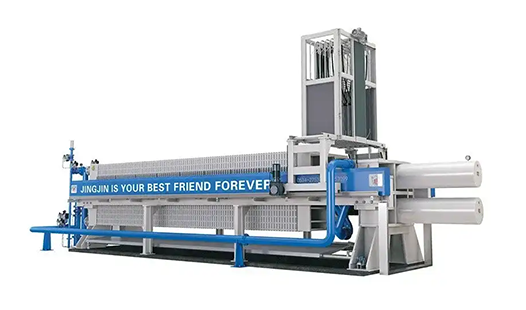
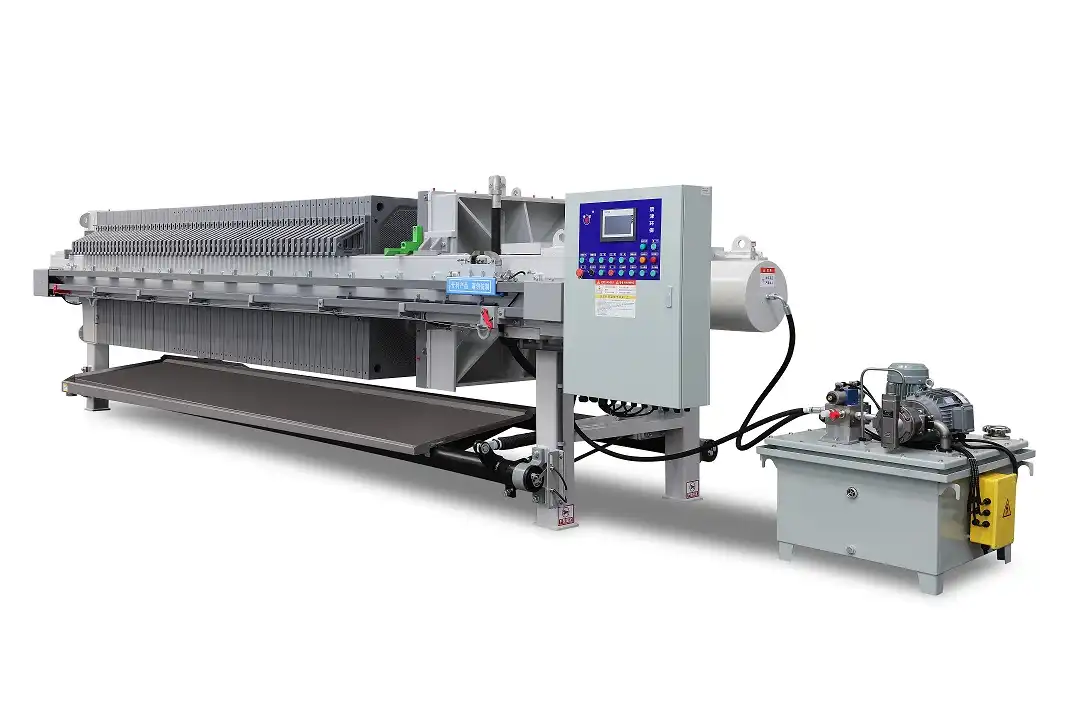
Learning about how a sludge filter press for sludge drainage works and how it is put together can help you decide if the technology is right for your needs.
Operating Principles and Batch Cycle Process
A batch-based sludge filter press machine fills, filters, squeezes, and releases cake. Pumping conditioning sludge into the press under regulated pressure during filling. Depending on the kind, pressure is 6–20 bar. Special filter cloths allow liquid to pass through while particulates stay on top. In membrane types, inflatable diaphragms push the filter cake even further, drying it to 25%–45%, depending on the sludge. Knowing these procedures might help you estimate job volume and speed.
Filter Plate Construction and Material Selection
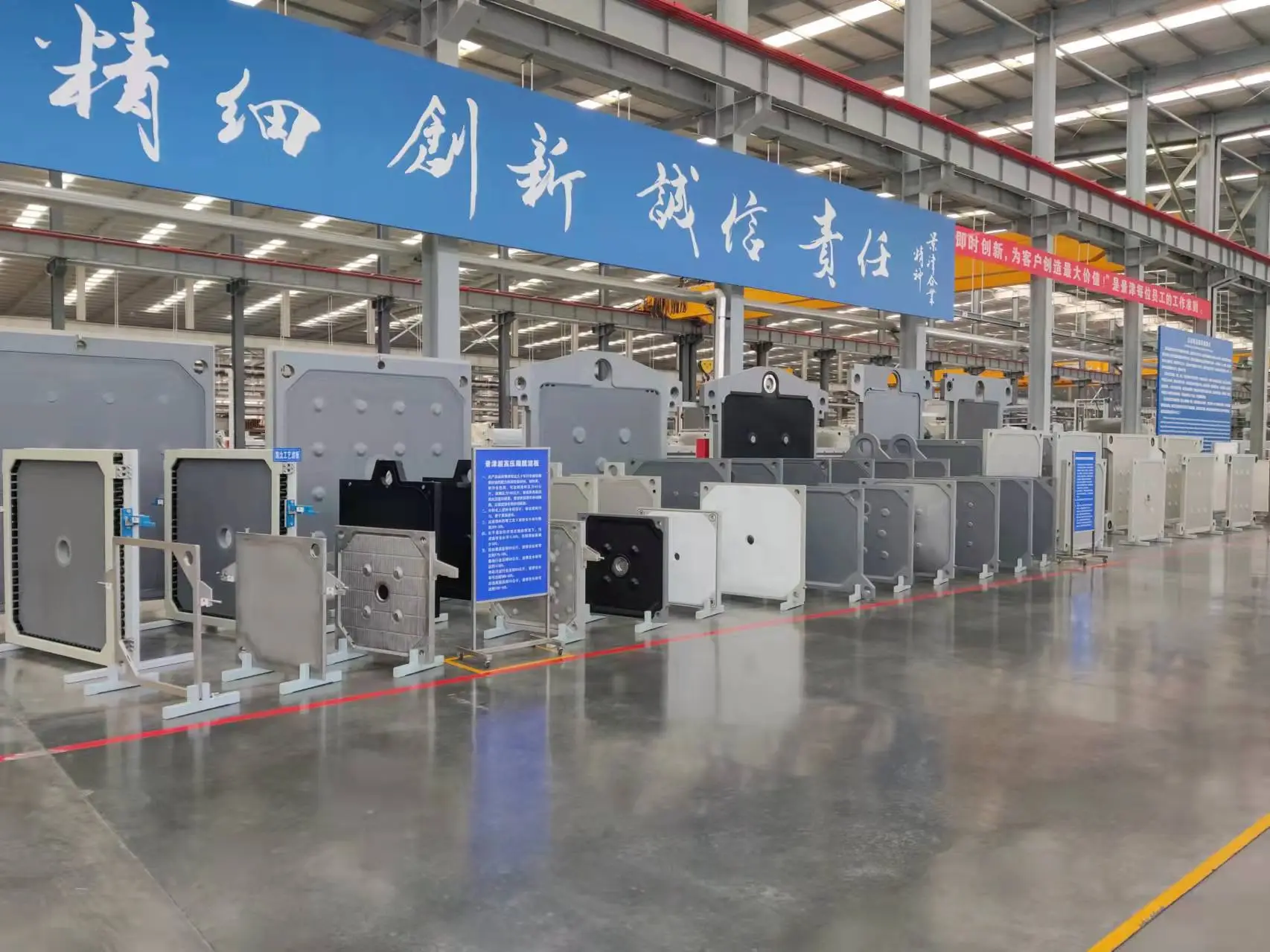
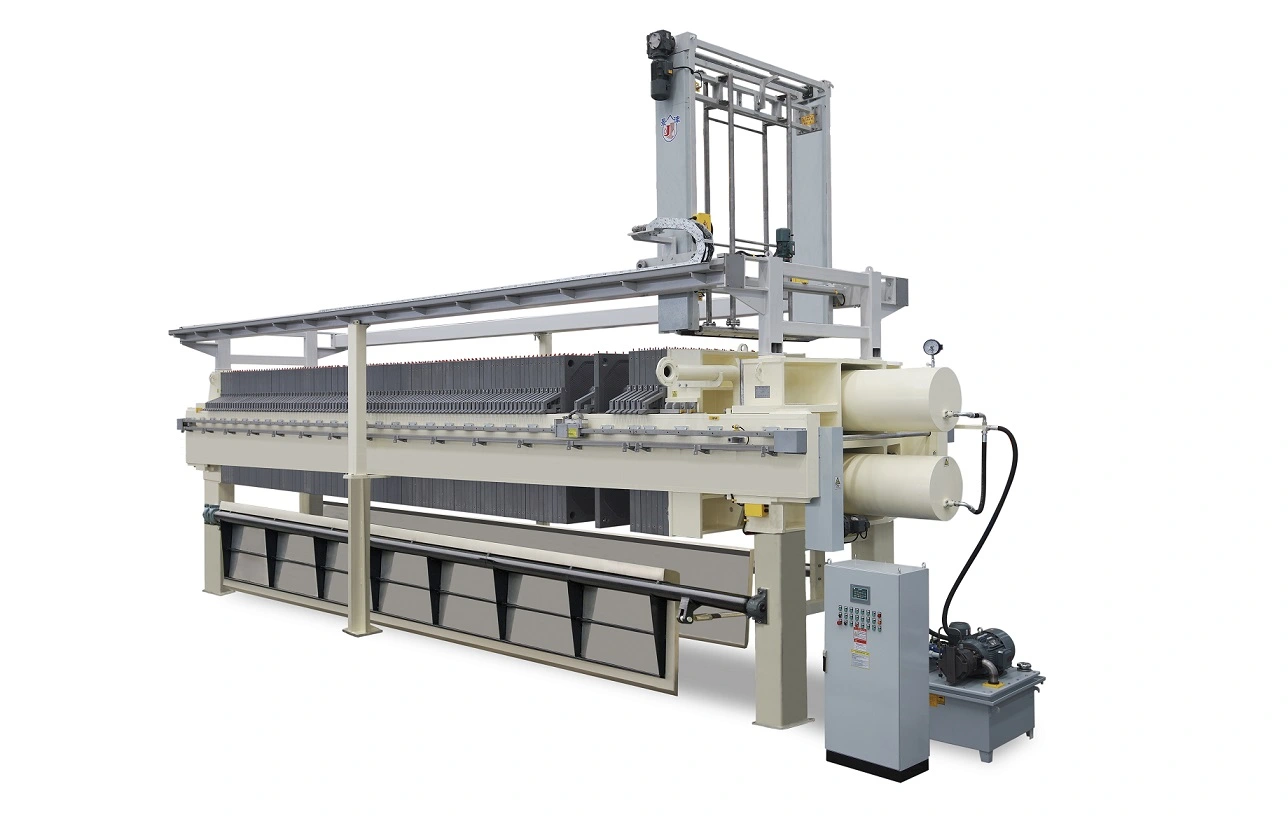
Modern sludge filter presses employ chemical-resistant plastic plates that endure. Hollow chamber plates, membrane plates, and gasketless plates are available. Recessed plates allow sediments to accumulate, whereas membrane plates with flexible diaphragms drain more water. Fully automatic, semi-automatic, and manual plate movement technologies affect capital cost and efficiency. Automated models using programmable logic controllers save money on labor in high-volume applications.
Filter Cloth Specifications and Compatibility
Choose the proper filter cloth for the driest cake, clearest juice, and regular upkeep. Fabrics are produced from polyester, monofilament or multifilament polypropylene, or rust-proof fibers. Material performance with various sludges depends on pore size, weave pattern, and surface treatment. Mine slurries require different fabric than wastewater treatment plant biological sludge. Knowing the cloth's specifications and lifespan (1,000 to 3,000 cycles) might help you estimate its long-term cost.
Comparison with Alternative Dewatering Technologies
Belt presses cost less, and centrifuges operate continually. For cakes that must be dry and collect above 99% particles, sludge filter presses are better. Centrifuges take more energy and material, whereas screw presses struggle with pressable sludges. Sludge filter presses may process several supply streams since they operate in batches. This makes them ideal for sites with fluctuating sludge amounts or several waste streams that must be handled independently.
What Are the Maintenance Requirements and Troubleshooting Support Provided?
Uptime and total cost of ownership are directly affected by reliable maintenance procedures and quick expert assistance for your sludge filter press.
Routine Maintenance Schedule and Procedures
Regular maintenance can extend the life of your sludge filter press. Check filter cloths daily for rips, holes, and blindness. Clean them weekly with high-pressure water or ultrasonic devices. Check fluid levels, pressure, and damaged seals in the hydraulic system monthly. Annual tests should include plate flatness (tolerance < 0.5mm), frame alignment, and automated sequence validation. A proactive maintenance strategy reduces emergency repairs and extends textile life by 40%.
Common Operational Issues and Solutions
Clogged cloth slows cycles and cake drying. This is generally remedied by washing cakes thoroughly or changing the towel. Warped plates, old seals, and improper closure pressure can produce filter leaks between plates. Sludge conditioning generally causes uneven cake release; therefore, polymer quantity must be optimized. Dealers should provide detailed troubleshooting manuals that address these typical issues and include testing and remedy processes.
Vendor Technical Support Infrastructure
Be sure to evaluate the vendor's experienced assistance before buying. Leading suppliers operate 24-hour hotlines, regional support centers, and online diagnostic tools using IoT-enabled tracking systems. How fast emergency service calls are answered, how many factory-trained techs are accessible, and how convenient video chat is to seek help demonstrate post-sale support. English-language operation manuals, repair schedules, and spare part catalogues keep the factory running smoothly.
How Do You Calculate the Right Capacity and Select the Best Model?
If you do the right calculations for capacity, you won't undersize, which slows down flow, or oversize, which loses capital investment for your sludge filter press.
Throughput Calculation Methodology
To figure out the capacity, you need to know the daily sludge amount, the solids concentration, and the goal cake dryness. A plant that makes 50 cubic meters of 3% solids biological sludge every day and wants to reach 25% cake solids needs different rules than a mine that processes 200 cubic meters of 15% mineral slurry. Figure out how much filter area you need by using the dewatering rates that the seller gives you for your type of sludge. These rates are usually between 2 and 8 kg of dry solids per square metre per hour. Filling, pressing, and discharging take between 2 and 4 hours for most uses, so include that time.
Plate Size and Layout Options
Sludge filter presses come with plate sizes ranging from 630mm to 2000mm and chamber numbers ranging from 20 to 100+ plates, giving you filter areas ranging from 10m³ to over 1000m³. Larger plates need fewer spaces, but the system for moving them around needs to be stronger. Adding plate packs to modular designs lets you increase capacity in the future without having to replace the whole press frame. Check to see if your application would be better served by one big press or several smaller ones for backup purposes.
Model Selection Criteria for Specific Industries
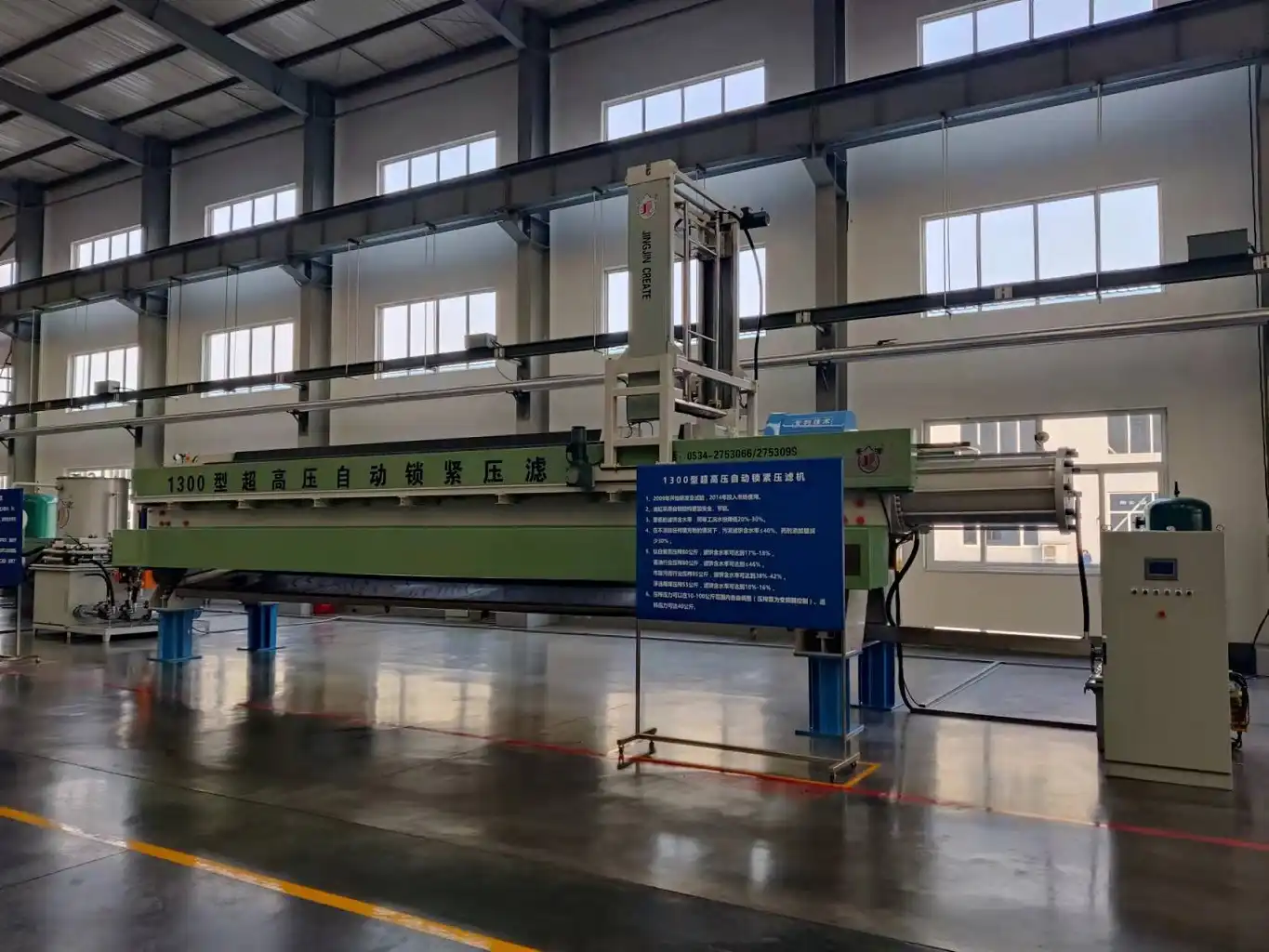
Automatic recessed plate presses are preferred by municipal garbage facilities because they are easy to use and make good use of polymers. Heavy-duty frames and wear-resistant parts are needed for mining operations that deal with abrasive slurries. This makes them perfect options for high-pressure membrane types. Chemical companies that work with acidic streams need special materials, such as frames made of stainless steel and cloths made of PVDF. Choose the right press features for your needs: automate to save time and money on labour, use membrane technology to get the best drying results, or get mobile skid-mounted units for building use.
What Are the Pricing, Warranty, and After-Sales Service Details?
Clear prices and thorough service terms protect your investment in a sludge filter press and help you stick to your budget.
Pricing Structure and Cost Factors
The price of a sludge filter press depends on its size, level of automation, and the level of customisation that you need. A simple 50m² recessed plate press that is operated by hand usually costs between $80,000 and $150,000. On the other hand, a 200m² fully automatic membrane press with modern PLC controls can cost more than $500,000. Costs are affected by the complexity of the hydraulic system, the quality of the cloth, the plate material specs, and the automatic features. To correctly compare seller offers, you should ask for itemised quotes that separate goods, freight, installation supervision, and commissioning. Think about hiring choices for projects that need to stay within a certain budget or for a short time.
Warranty Coverage and Terms
Standard guarantees protect against production flaws and early component failure for 12 to 24 months after the product is put into service. Check to see what the guarantee doesn't cover, especially when it comes to items like filter cloths and gaskets. Extra safety comes from extended warranty choices that cover important parts like hydraulic cylinders and automated plate shifters. Make it clear how to file a warranty claim, including who needs to be notified, how the seller will check the problem, and when it needs to be fixed. Full guarantees show that the seller trusts the quality of the goods.
Spare Parts Availability and Service Agreements
Getting new parts quickly is important for long-term business success. Leading sellers keep parts stores in different regions to make sure that crucial parts are delivered within 48 to 72 hours. To make a budget for yearly repair costs, ask for lists of extra parts with prices. Service deals that include regular preventative maintenance, faster reaction times in case of emergencies, and lower labour rates help keep running costs under control. Find out what the company's rules are on parts going out of date so that you can get them for 10 to 15 years after you buy them.
Help with installation, commissioning, and training
Professional installation and full training for the user ensure that the system works at its best from the start. During the planning phase, vendors should give precise installation plans, base specs, and utility needs. On-site commissioning by factory experts makes sure the installation was done right, sets the basic working settings, and fixes any problems that come up at first. Competent in-house knowledge is built through hands-on training that covers daily operation, routine upkeep, emergency procedures, and basic troubleshooting. When hiring is done right, it cuts down on starting problems and speeds up the return on investment.
What Customization Options Are Available for Unique Industrial Needs?
Standardised equipment doesn't always solve all application-specific problems, so being able to customise your sludge filter press is necessary for the best performance.
Frame Size and Plate Configuration Tailoring
Custom frame forms can be made to fit a limited area, sludge with odd properties, or infrastructure that is already in place. Longer frames let you use more plates, which means that current buildings can hold more people. Small designs can fit into small spaces that are popular in mobile uses or retrofits. Combining recessed and membrane plates in a single press to make a hybrid plate design improves performance for different feed lines. The ability to change standard designs shows that engineers are flexible enough to meet the needs of different operations.
Specialized Materials for Corrosive Applications
The mining, chemical processing, and pharmaceutical businesses all deal with corrosive slurries that need special tools and materials for the sludge filter press. Frames and pipes made of stainless steel 304 or 316 are more resistant to rust than other materials. Specialised elastomers used for gaskets and seals can stand up to harsh chemicals that break down regular materials. Coats covered with PVDF or PTFE are resistant to chemical attack while still letting chemicals pass through. Extremely acidic conditions don't hurt parts made of hastelloy or titanium. Suppliers who can engineer material specs beyond standard polypropylene show they have the technical know-how to support tough uses.
Automation Level Customization
Different businesses and places have very different automation needs. For low-volume jobs where workers are easy to find, fully hand presses are the most cost-effective way to make things. Cost and ease of use are balanced in semi-automatic systems with hydraulic closing and manual plate moving. Fully automatic models with robotic plate moving, built-in cloth cleaning, and automated cake discharge increase output while reducing work. Talk about the availability of workers, the amount of work you need to do, and your business goals to figure out the right level of automation.
Support for projects and high-volume buying
For big jobs with many sludge filter presses, you need vendors who can handle complicated buying. Being able to make and send multiple units at the same time ensures that project deadlines can be met. Discounts for buying in bulk lower the cost of cash for big sales. Standardised designs across many units make it easier to keep track of extra parts and train operators. EPC contractors can get help with engineering tasks like pipe layout, electrical specs, and coordinating control systems. This makes their work easier. Purchasing risks are kept to a minimum by vendors who can make a lot of things and have experience managing projects.
What Are the Environmental and Compliance Considerations?
Compliance with regulations and environmental performance are becoming more and more important in choosing a sludge filter press and vendor.
Wastewater Discharge Regulation Compliance
By lowering the amount of sludge and raising the quality of the liquid, filter presses help facilities meet strict discharge standards. Understanding how the performance of tools helps with following EPA rules, state standards, and local pretreatment laws can help you avoid fines. When presses are run correctly, they get filtered total suspended solids below 30 mg/L, which is below most discharge standards. Vendors should back up permit applications and regulatory reporting standards with performance promises.
Energy Efficiency and Carbon Footprint Reduction
Energy-efficient dewatering equipment is becoming more popular because of efforts to protect the environment. Modern sludge filter presses use 50% to 70% less energy than centrifuges, which directly lowers the amount of carbon dioxide that is released during operation. Getting the cake to a higher level of dryness cuts down on the number of truck trips and the fuel used for sludge removal. Designs that use less energy are in line with companies' climate goals and may be eligible for utility rebates or green financing programs. Ask for proof of how much energy you use and estimates of your carbon footprint to help with your green reporting.
Zero Liquid Discharge and Resource Recovery
Zero Liquid Discharge rules in areas with limited water supply require that trash streams collect as much water as possible. This is done by high-performance sludge filter presses, which make very dry cakes and get back high-quality liquid that can be used again in the process. Some uses let you restore resources, like getting valuable metals out of mine waste or making biosolids that can be used on land. By choosing technologies that support the circular economy, we can better take care of the earth and maybe even make money from the resources we restore.
Conclusion
To choose the right sludge filter press for draining sludge, you need to carefully look at its technical specs, the seller's skills, and its ability to provide long-term support. These seven questions will help you do a full evaluation of the seller, preventing mistakes that cost a lot of money and making sure the equipment meets your operational needs. Give more weight to sellers who can show they have deep technical knowledge, clear communication, and full after-sales support. The right partner won't just sell you equipment; they'll also provide a full answer that will help your company meet its efficiency, compliance, and profit goals for years to come.
FAQ
Q1: What differentiates a sludge filter press from a centrifuge for dewatering?
When compared to centrifuges (18–28% solids), sludge filter presses are much better at getting cakes to a higher level of dryness (25–45% solids). This means that waste costs are much lower. When running on a batch cycle, presses use less energy and polymer, which makes them perfect for places where the amount of sludge changes often. When it comes to steady high-volume applications, centrifuges work better because they run all the time, but they need more upkeep and higher polymer dosing.
Q2: How often do filter cloths require replacement?
The number of times a filter cloth can be used depends on the type of sludge, how it is washed, and the quality of the cloth. Biological sludge usually makes the cloth last longer than mineral slurries that are rough. Service life can be extended by doing things like washing it regularly and not putting too much pressure on it. Set aside money to change clothes every 12 to 24 months for most city uses.
Q3: Can filter presses integrate with existing wastewater treatment systems?
Modern sludge filter presses are easy to connect to existing systems because they use standard power and pipelines. Common industrial standards are used for PLC-based controls to talk to plant SCADA systems. During installation, vendors provide thorough integration drawings and expert help to make sure that their products work with current pumps, sludge conditioning equipment, and downstream handling systems.
Partner with Jingjin for Proven Filtration Excellence
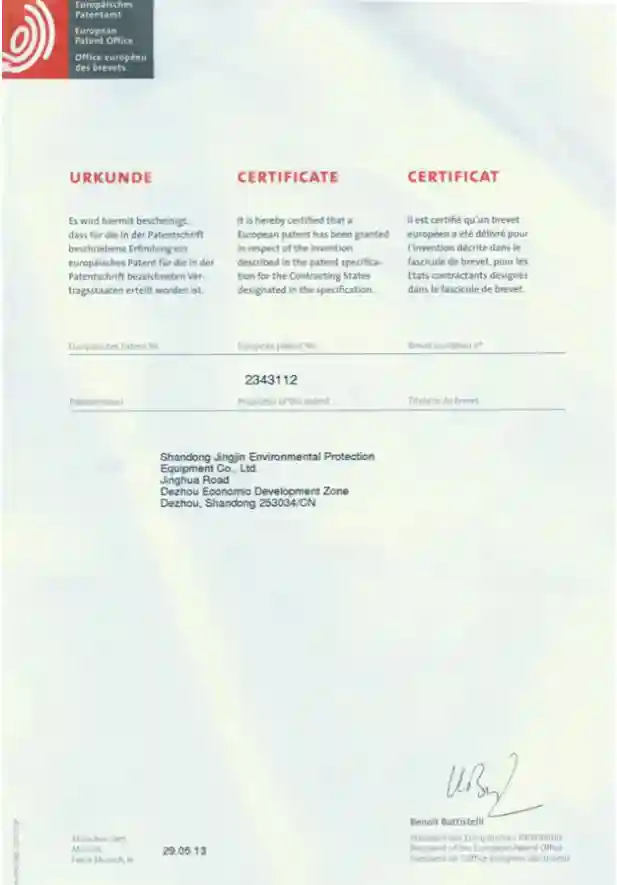
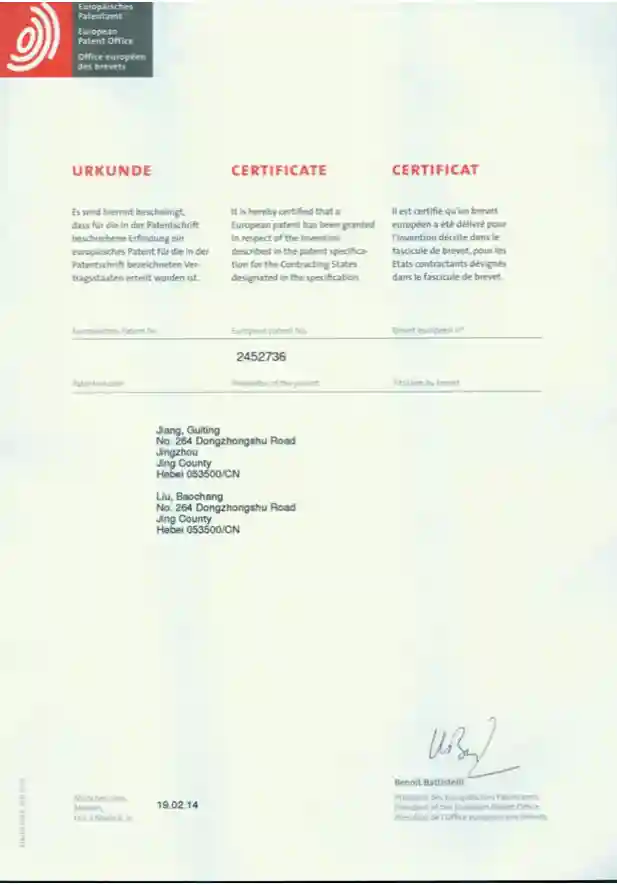
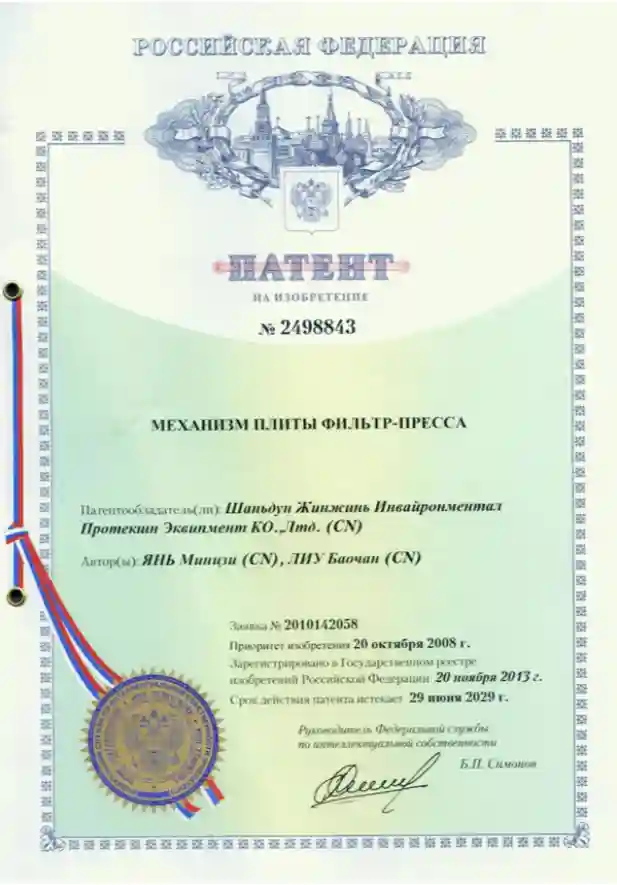
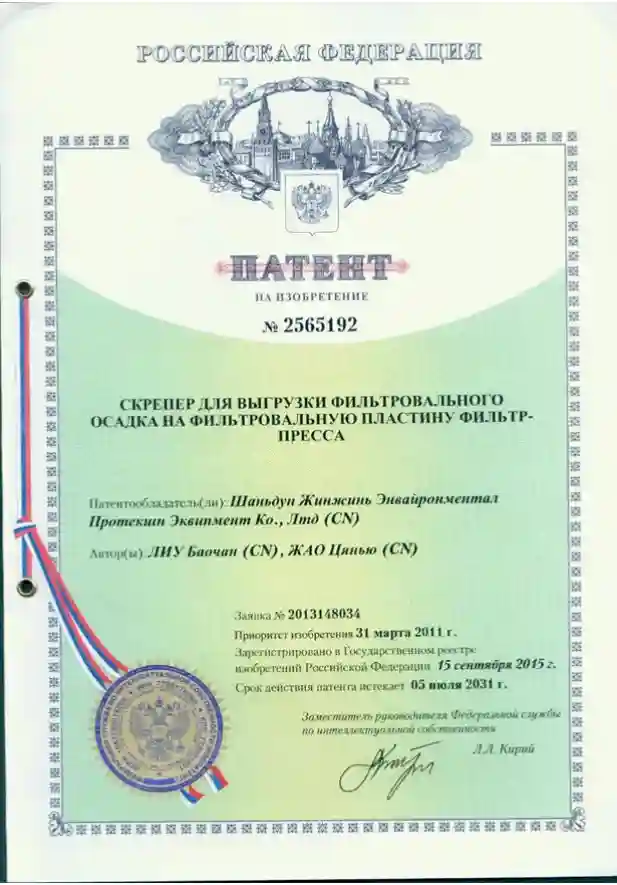
The success of your project depends on picking the right sludge filter press provider. Jingjin Equipment Inc. has been an expert in filter engineering for more than 35 years, and its setups are reliable and work well in 123 countries in mining, municipal, chemical, and industrial settings. Our more than 136 patents show that we are always coming up with new ideas for plate design, computer systems, and membrane technology. Whether you need a single press or a full turnkey system, our engineering team can help. They offer unique solutions and offer full training and service support around the world. You can email our experts at [email protected] to get technical advice, a study of your application, and cheap quotes on sludge filter press systems that are custom-built to meet your needs.
References
1. Water Environment Federation (2018). Operation of Municipal Wastewater Treatment Plants: Manual of Practice No. 11, Seventh Edition. Alexandria, VA: Water Environment Federation Press.
2. Cheremisinoff, Nicholas P. (2017). Solid-Liquid Separation Technology and Practice Handbook. Industrial Press Inc.
3. American Water Works Association (2019). Water Treatment Plant Design, Fifth Edition. Denver, CO: American Water Works Association.
4. Liu, Y. and Lipták, B.G. (2020). Wastewater Treatment: Advanced Processes and Technologies. CRC Press, Taylor & Francis Group.
5. Society of Mining, Metallurgy & Exploration (2019). SME Mineral Processing & Extractive Metallurgy Handbook. Littleton, CO: Society for Mining, Metallurgy, and Exploration.
6. International Water Association (2021). Sludge Treatment and Disposal: Management Approaches and Experiences, IWA Publishing.
jingjin
Founded in 1988, Jingjin specializes in filter presses and liquid-solid separation solutions, serving over 130 countries worldwide, and is a standard-setter in China's filter press industry.
Get the Filter Press guide
Enter Your Email for Technical assistance for the Filter Press.
Recommended Blog
Customized Filter Press Plates for the Mining Industry: What You Need to Know
What is a Dewatering Press Machine and How Does It Work? A Complete Guide
How to Choose the Right Screw Dewatering Equipment for Your Paper Mill Sludge

Best Press Filter Models for Pharmaceutical Filtration Needs
A Step-by-Step Guide to Maintaining and Replacing Filter Press Plates
Why European Buyers Compare China vs Local Filter Press Suppliers?