Sizing a Plate and Frame Filter for Your Chemical Plant: 5 Steps Engineers Use
Sizing a Plate and Frame Filter for Your Chemical Plant: 5 Steps Engineers Use
Step 1 — Understand the Filtration Requirements of Your Chemical Plant
- Step 1 — Understand the Filtration Requirements of Your Chemical Plant
- Step 2 — Calculate the Required Filtration Area
- Step 3 — Select the Appropriate Plate and Frame Filter Design
- Step 4 — Calculate Key Dimensions and Mechanical Specifications
- Step 5 — Validate and Optimize Filter Performance in Practice
- Conclusion
- Frequently Asked Questions
- Partner with Jingjin for Expert Plate and Frame Filter Solutions
- References
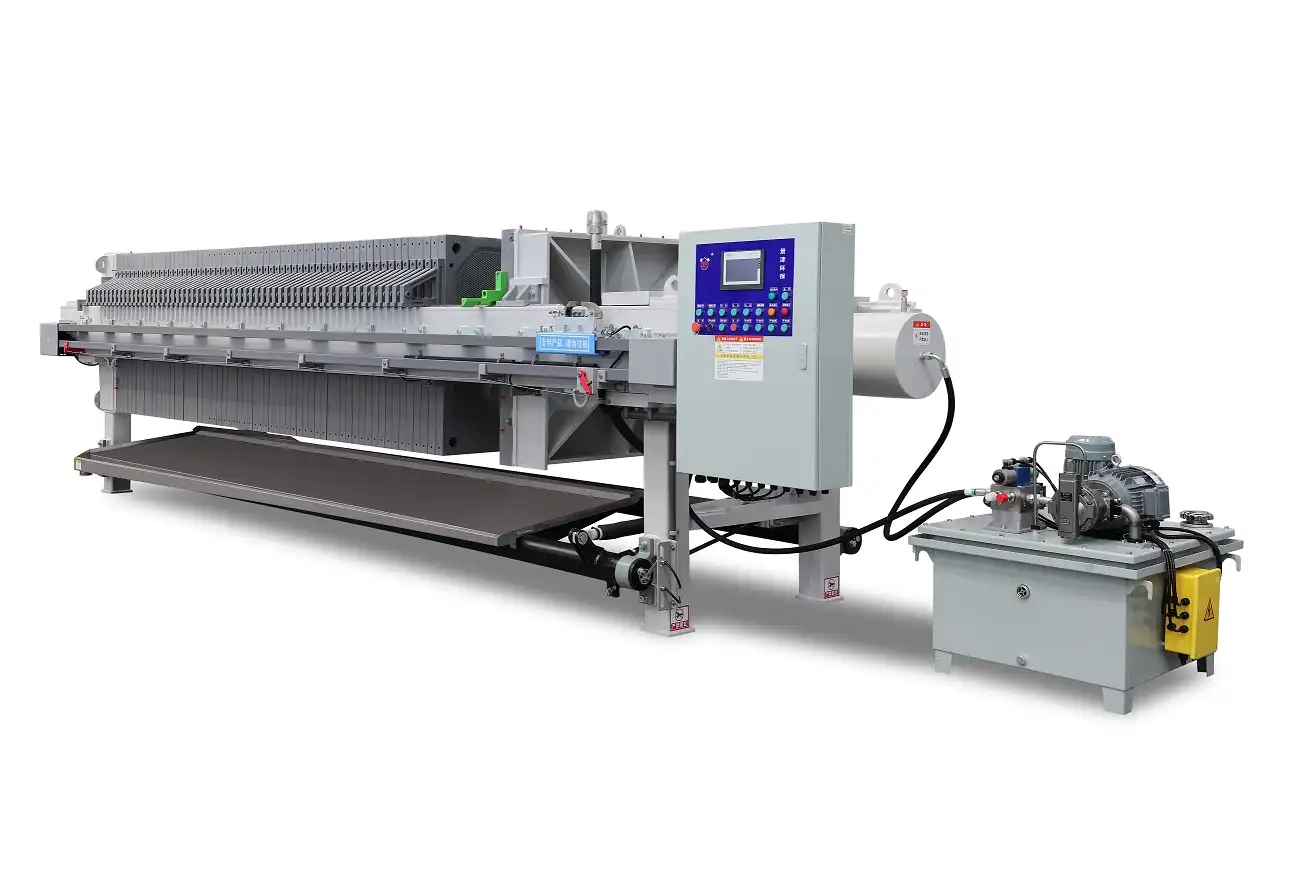
Sizing a plate and frame filter press correctly is crucial for chemical plants aiming to achieve optimal solid-liquid separation. This process involves evaluating your slurry characteristics, calculating the necessary filtration area, selecting the appropriate design, determining mechanical specifications, and validating performance through testing. By following these five engineering steps, chemical manufacturers can ensure their filtration systems deliver consistent filtrate clarity, dry filter cakes, and reliable throughput while meeting strict environmental and safety regulations. Proper sizing directly impacts operational efficiency, maintenance costs, and compliance outcomes across pigment, dye, resin, and specialty chemical production lines.
Step 1 — Understand the Filtration Requirements of Your Chemical Plant
Figuring out the right size plate and frame filter for your chemical plant starts with correctly identifying its filtration needs. This means deciding on important process variables like slurry flow rate, solids concentration, temperature, and working pressure, as well as clear filtering goals like cake dryness and filtrate clarity.
Define Key Process Parameters
Write down the flow rate of your slurry, which is usually given in liters per minute or gallons per hour. Find out how concentrated the solids are. Depending on the chemical process, this can be anywhere from 5% to 40%. Both temperature and pressure are very important. Most industrial filtration systems work between 0.6 MPa and 2.0 MPa, and their temperature resistance ranges from -20°C to 120°C, depending on the material.
Analyze Slurry Material Properties
When working with strong acids, solvents, or alkalis, chemical stability is very important. Check the particle size distribution because filter cloth with pores between 1 and 100 microns is needed for particles smaller than 10 microns. The choice of plate material is also affected by how rough it is. Reinforced plastic doesn't rust when exposed to chemicals, stainless steel is good for food-grade uses, and cast iron is good for high-temperature industrial processes.
Consider Regulatory and Safety Standards
More and more, environmental laws require garbage sludge to have less water in it and filters to be clearer. For pressure tank safety, make sure that your filtration system meets ISO 9001 manufacturing standards and ASME or CE certifications. If you know about these rules early on, you can avoid having to pay a lot of money to redesign your system, and your dewatering system will meet both output and safety goals.
Step 2 — Calculate the Required Filtration Area
Finding the right filtration area is important for keeping up with production needs and keeping operations running smoothly. This calculation stops bottlenecks or capacity that isn't being used, which lowers operational costs and makes sure the process is reliable.
Evaluate Flow Rate Requirements and Cycle Times
The flow rate your business needs sets the standard for sizing estimates. Filtration cycles in batch processes are usually finished in 30 to 90 minutes, but constant throughput is needed in continuous operations. Take into account the parts of cycle time that involve filling, pressing, cake forming, and release. For a normal chemical slurry that moves 1,000 liters per hour over a 60-minute run, the area needs to be carefully calculated so that production doesn't get held up.
Apply Filtration Rate Values
Industry data for plate and frame filter systems gives average filter rates for chemical slurries that are similar. Values usually fall between 10 and 50 liters per square meter per hour, based on the amount of solids and how thick the fluid is. You can get an accurate size of the filter area by applying these flux values to the properties of your particular slurry. A company that wants to handle 1,000 L/h of dye slurry and has an effective filtration area of 40 square meters would need a filtration rate of 25 L/m²/h.
Balance Optimal Flow with Cake Formation
When something is too big, it wastes money and floor space, and when it's too small, it limits output and makes high-moisture filter cakes. The calculation has to find a balance between the need for good flow and the need for good cake formation. This balance makes sure that the cake is as dry as it can be, which is a key part of lowering disposal costs and improving the speed of handling that comes after.
Step 3 — Select the Appropriate Plate and Frame Filter Design
Picking the right plate and frame filter design makes sure that the equipment can do what the process needs it to do. Different configurations are available for different chemical plant uses, and each one has its own benefits based on the plate material and how it works.
Compare Filter Types and Configurations
Plate and frame filter systems come in different styles, such as standard chamber filters with plates and frames that move back and forth, deep plate filters for bigger cakes, and membrane squeeze filters for better dewatering. Chamber filters are great at dealing with slurries that are high in solids, and membrane filters can lower the moisture content by an extra 5–10% through pneumatic squeezing after the first filtering.
Determine Plate Materials and Construction
The choice of material has a direct effect on how well it resists chemicals and how long it lasts. Reinforced polypropylene plates are strong and light, and they can work in acidic and alkaline environments that are common in chemical manufacturing. Pharmaceutical uses require plates made of stainless steel that meet strict cleanliness standards. Cast iron plates last a long time in metalworking processes that use high temperatures. Make sure that the material you choose works with the chemical makeup and working temperature of your slurry.
Evaluate Automation and Monitoring Options
Modern plate and frame filters have automatic plate moving, pneumatic close systems, and the ability to check pressure, flow rate, and filtrate clarity in real time. Automation greatly lowers the need for human input, lowers the chance of operator error, and raises the safety level in chemical working settings. Real-time tracking lets you find problems early on, so problems like filter cloth blinding or seal leaks can be fixed before they affect production. These features make the process more efficient, save money in the long run, and make operations safer.
Step 4 — Calculate Key Dimensions and Mechanical Specifications
Accurately figuring out the mechanical parts makes sure that the plate and frame filter fits within the limits of the plant while still being able to do its job. This step makes sure that the chosen equipment works well and meets standards for reliability, so that downtime and repair costs are kept to a minimum.
Determine Plate Size and Number of Chambers
Plate sizes are usually between 400 mm and 2000 mm square. Plates that are bigger have more filtration area per unit. To find out how many plates you need, divide the area of filtration you need by the effective area of each plate, taking into account the sealing surfaces. For a system that needs 40 square meters and plates that are 1 square meter (0.9 m² each), you'll need about 45 plates. Make sure that the place where you plan to put the press can fit its closed and open dimensions.
Specify Frame Thickness and Volume
The chamber space for cake buildup is based on the frame width. Standard widths are between 20 mm and 80 mm, and 30 mm to 50 mm frames are most often used in chemical uses. It is possible to load more solids per cycle with frames that are thicker, but this makes the press longer overall. To find the chamber volume, multiply the frame width by the plate area and then multiply by the number of chambers to make sure there is enough space for your batch.
Select Gasket Materials and Sealing Systems
Maintaining the quality of the gasket is important for keeping the seal working well and being able to handle chemical contact and changes in pressure. EPDM is a common gasket material because it is resistant to most chemicals. Viton is used for aggressive solvents, and PTFE is used for very harsh chemical environments. To keep fluid from wicking or leaking between chambers, gaskets must meet the exact measurements set by DIN 7129. Good closing systems keep things running smoothly and stop expensive cross-contamination or environmental leaks.
Step 5 — Validate and Optimize Filter Performance in Practice
Pilot testing is the only way to make sure that the sizes are correct and to learn about how things work in the real world. On-site tests show problems with operations and help make changes to parameters that improve long-term dependability and efficiency.
Conduct Pilot Testing with Actual Process Slurry
Before going live on a large scale, trying your slurry in the lab gives you a lot of useful information. Keep an eye on important factors like cycle times, cake moisture content, filter rates, and the cleanliness of the filtrate. Write down any practical problems, such as premature blinding of the cloth, uneven cake formation, or problems with the integrity of the seal. Pilot testing shows when theoretical calculations don't match up with how things behave in the real world. This lets engineers make better decisions about sizing and materials.
Analyze Performance Data and Adjust Parameters
The results of the pilot tests should be checked against the design requirements and the production needs. If the cake has more moisture than expected, you might want to look into membrane squeeze options or longer pressing times. If cycle times are longer than expected, you might want to try adding flocculant or a pre-coat filter to help the cake form better. Instead of making changes based on trial and error after a full download, performance analysis lets you make changes based on facts.
Establish Maintenance and Replacement Schedules
Preventive repair plans that keep things running smoothly are based on the wear patterns that were seen during tests. Depending on how rough the slurry is and how much chemical it is exposed to, filter cloth usually needs to be replaced every 500 to 2,000 rounds. Every 1,000 to 3,000 cycles, the gaskets may need to be changed. Setting up regular check procedures based on real-world wear data will protect your investment and keep you from having to deal with unexpected downtime. With proper maintenance, equipment lasts longer and keeps performing at the same level of separation throughout its operational lifecycle.
Conclusion
Chemical companies need to make sure they have the right size plate and frame filter if they want to reliably separate solids and liquids, lower their waste costs, and follow the rules. To make sure your equipment works at its best, you should carefully consider your filter needs, figure out the area it needs to cover, choose the right designs, find out the technical specs, and test the equipment to make sure it works as it should. This way of engineering cuts down on operational risks, shortens downtime for maintenance, and raises the return on investment. Chemical companies that take the time to do exact sizing get regular output throughput, better cake dryness, and long-term machine reliability that helps them keep running.
Frequently Asked Questions
1. What factors most influence plate and frame filter sizing?
The main things that determine the size are the slurry's chemical properties, solids concentration, particle size distribution, and viscosity. Calculations are also affected by the required flow rate, the cycle time, and the goal cake wet content. The choice of material for the plates and gaskets is based on how well the slurry and filter parts work together with the material. The mechanical specifications are set by the operating pressure and temperature. Regulatory requirements for the cleanliness of the filtrate and the proper removal of trash further limit the design parameters.
2. How does improper sizing affect chemical plant operations?
Filters that are too small slow down production, make cycle times longer, and make high-moisture filter cakes that cost more to get rid of. When equipment works beyond its planned limits, it causes a lot of repair downtime for operators. Oversized systems waste money, take up space that isn't needed, and may cause cakes to form in uneven ways because the pressure isn't spread out evenly. In both cases, organizational productivity and profitability are hurt.
3. Can automation improve filter press efficiency?
By optimizing cycle parameters in real time, automation technology makes operations much more efficient. Automated systems change the pressing pressure based on how fast cakes form, find seal failures early, and lower the need for human input. Monitoring filter rates and pressure differences in real time lets you find problems before they happen, which keeps production from stopping. These features make chemical processing environments more consistent, safer, and less expensive to work in by cutting down on labor costs.
Partner with Jingjin for Expert Plate and Frame Filter Solutions
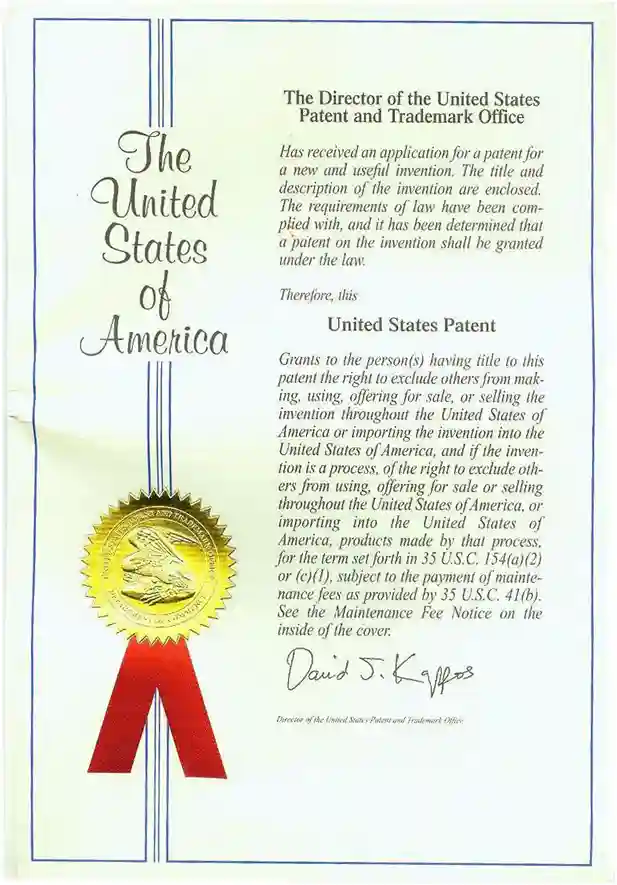
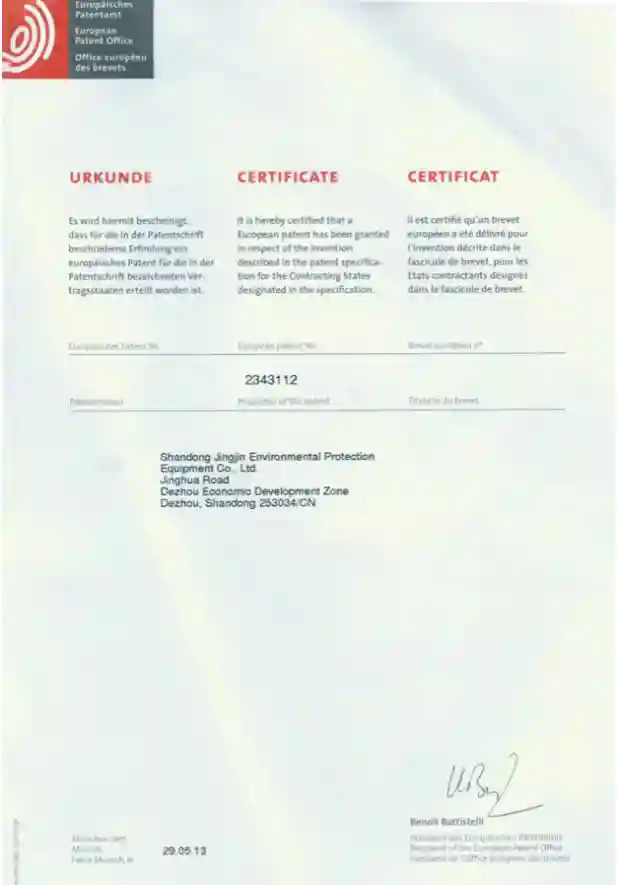
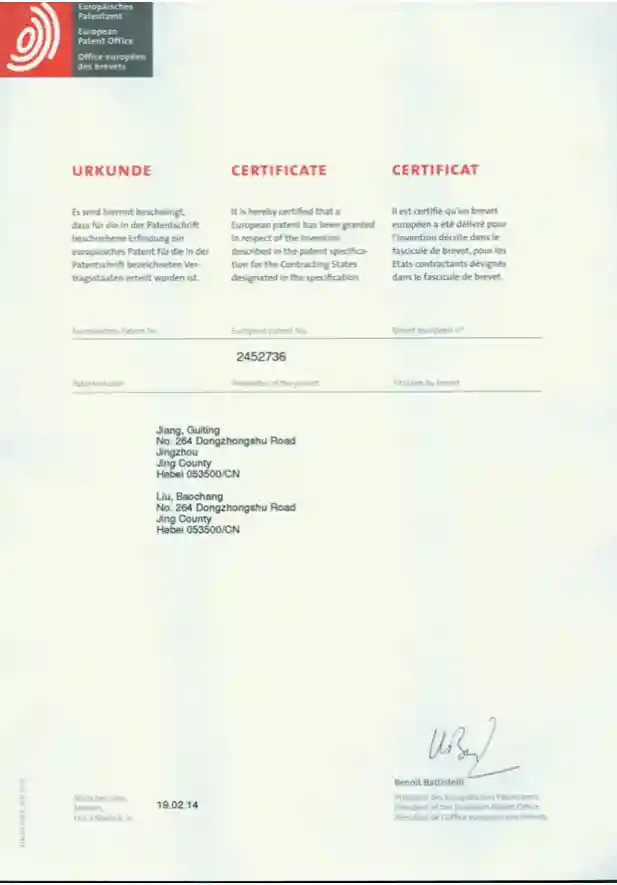
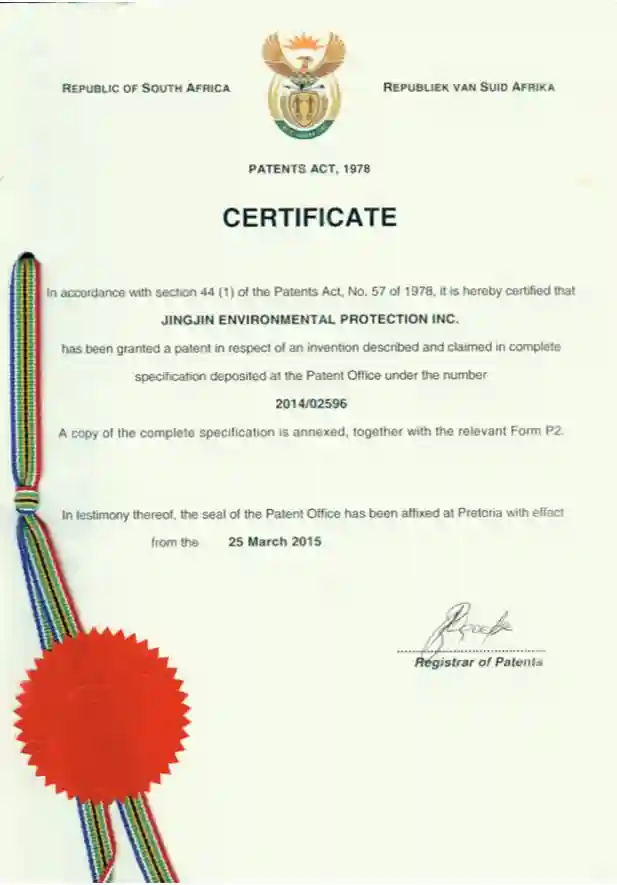
Chemical companies all over the world depend on Jingjin Equipment Inc. to provide them with reliable plate and frame filters. They do this because we have more than 35 years of technical experience and more than 136 patents in solid-liquid separation technology. Our filter systems are made of reinforced polypropylene and stainless steel, which makes them very resistant to chemicals. They can handle harsh acids and still do a great job of separating things. Jingjin's modular designs can be changed to fit your changing production needs. Their filtration capacities can range from small pilot systems to large industrial installations that serve 123 countries.
Our team can help you with full sizing analysis, custom design solutions, and global service support whether you work with pigments, resins, specialty chemicals, or pharmaceutical intermediates. Email our engineering experts at [email protected] to talk about your unique filtration problems and get precise sizing estimates that are made to fit your process needs.
References
1. Perry, R.H., Green, D.W., and Maloney, J.O. (2008). Perry's Chemical Engineers' Handbook, 8th Edition. McGraw-Hill Professional.
2. Svarovsky, L. (2000). Solid-Liquid Separation, 4th Edition. Butterworth-Heinemann.
3. Matteson, M.J. and Orr, C. (1987). Filtration: Principles and Practices, 2nd Edition. Marcel Dekker Inc.
4. Purchas, D.B. and Sutherland, K. (2002). Handbook of Filter Media, 2nd Edition. Elsevier Science.
5. Tarleton, E.S. and Wakeman, R.J. (2007). Solid/Liquid Separation: Equipment Selection and Process Design. Butterworth-Heinemann.
6. Wakeman, R.J. and Tarleton, E.S. (2005). Solid/Liquid Separation: Principles of Industrial Filtration. Elsevier Advanced Technology.

jingjin
Founded in 1988, Jingjin specializes in filter presses and liquid-solid separation solutions, serving over 130 countries worldwide, and is a standard-setter in China's filter press industry.
Get the Filter Press guide
Enter Your Email for Technical assistance for the Filter Press.