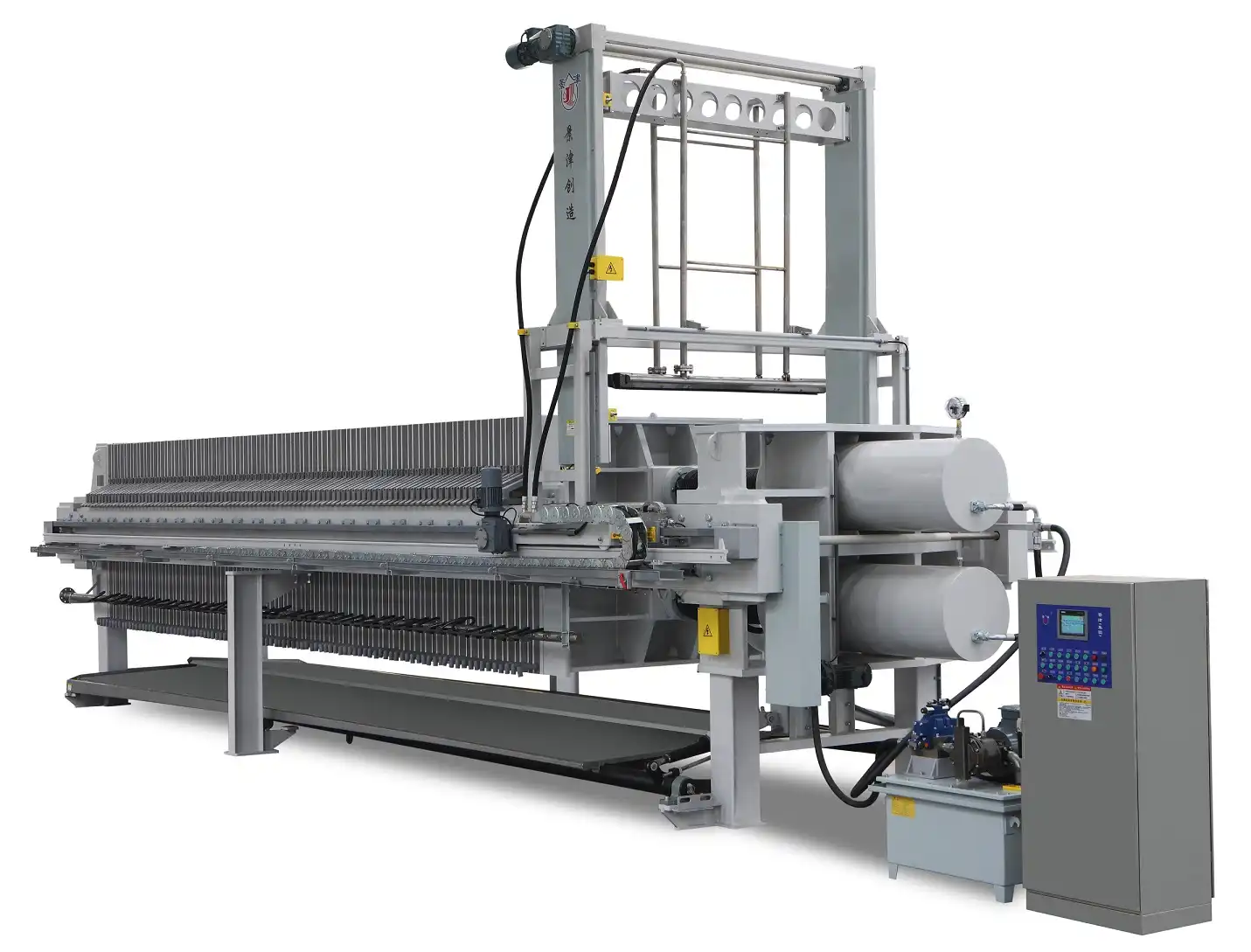
When allocating funds for a plate and frame filter press, the budget should take into account the total cost of ownership, not just the starting cost of cash. Equipment that costs 15 to 20 percent more than the market rate often has a better lifecycle value because the plates last longer, use less energy, and need less upkeep. Negotiate payment terms that are based on performance and don't release final payments until certain output and cake cleanliness goals are met during launch. Set clear prices for filter cloths, sealing gaskets, and hydraulic parts as extra parts so that you don't get any unpleasant shocks in the future. The warranty should last between 18 and 24 months and cover both production flaws and application performance.
Blog> Industry insights >
Plate and Frame Filter Press: How to Optimize Design Calculations for Increased Productivity
2026-06-29 10:02:27
Plate and Frame Filter Press: How to Optimize Design Calculations for Increased Productivity
Introduction
- Introduction
- Understanding Plate and Frame Filter Press Basics
- Key Challenges and Optimization Goals in Design Calculations
- Strategies to Optimize Design Calculations for Increased Productivity
- Case Studies and Industry Examples
- Selecting the Right Plate and Frame Filter Press Supplier
- Conclusion
- FAQ
- Partner With Jingjin for Optimized Filtration Solutions
- References
To get the most out of a plate and frame filter press, you need to do accurate design calculations that take into account the cake's properties, working pressure, filtering area, and cycle time. These estimates have a direct effect on throughput, energy use, and how often repairs need to be done. With the right measurements, your system will reach the desired level of cake dryness with as little downtime as possible. Operators can get the most out of solid-liquid separation by understanding how plate width, slurry viscosity, and hydraulic holding force affect each other. When design factors match real process conditions, productivity gains of 20 to 35 percent are possible. This turns filtration from a bottleneck into a competitive advantage for factories that handle large slurry applications.
Introduction
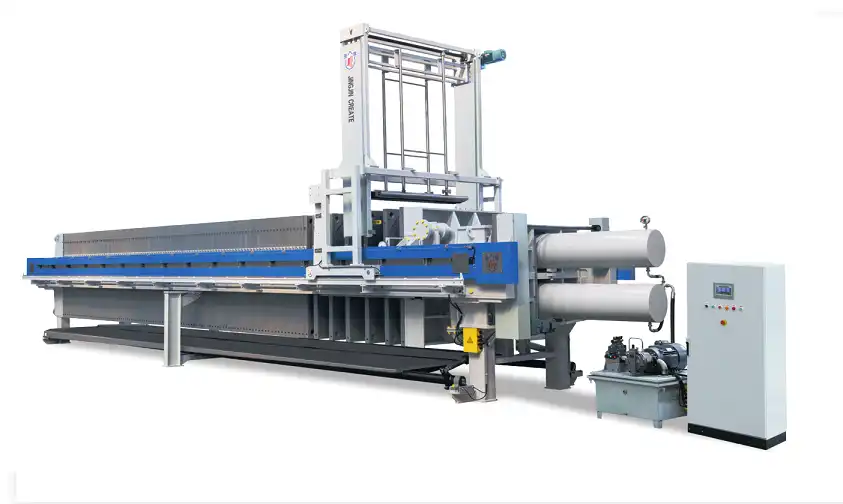
Separating solids from liquids in industry is still one of the most important and difficult tasks in the building, mining, wastewater treatment, and chemical production industries. A plate and frame filter press is very good at removing water, but only when the figures used to make it match up exactly with what is needed in the real world. Many sites have been having problems with low throughput, too much upkeep, and compliance issues. It's not because the technology isn't good enough; the problem is that the initial design factors didn't take into account real-world process variables.
This piece is for procurement managers, process engineers, and plant operations leaders who need to improve the output of filtration but don't know how to do it. Optimizing design estimates isn't just a technical exercise; it's also a business requirement that cuts the cost of disposing of sludge by up to 40%, makes equipment last longer, and makes sure that regulations are followed. Whether you're buying new tools or making improvements to systems that are already in place, the information in this article will help you make smart choices that will give you a clear return on your investment.
Understanding Plate and Frame Filter Press Basics
Core Operating Principles
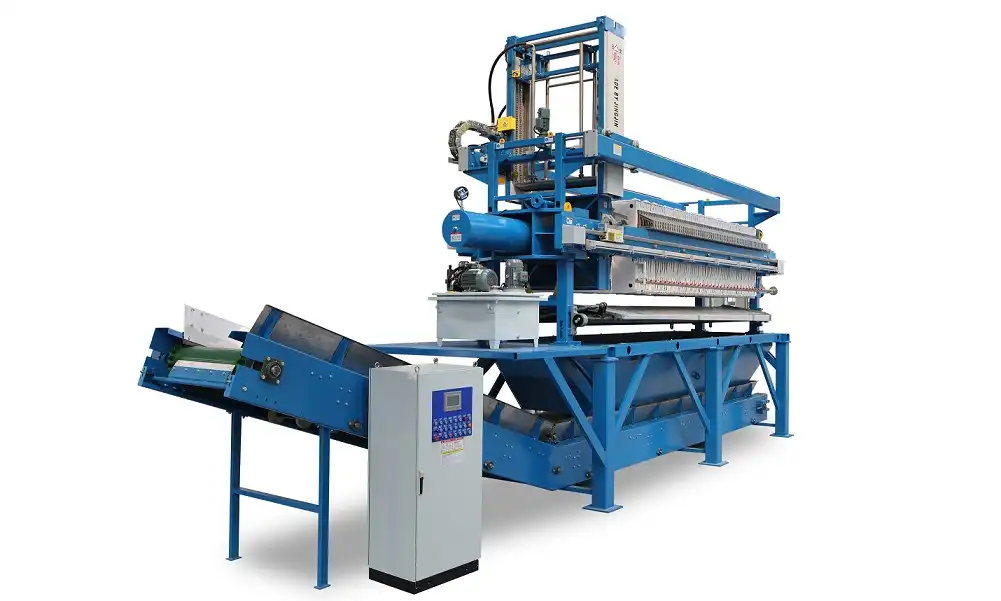
The plate and frame filter press design shows a pressure filtration system that works in batches. Each filter chamber is made up of alternate solid plates and hollow frames. When a feed pump injects slurry under controlled pressure (usually 100 to 225 psi), solids build up inside the frames, and clear water flows out of the machine through drainage tubes. This system works under pressure and solves problems that centrifugal separators can't, especially when working with particles smaller than 10 microns or getting the cake's moisture content below 35%.
Material Selection and Durability
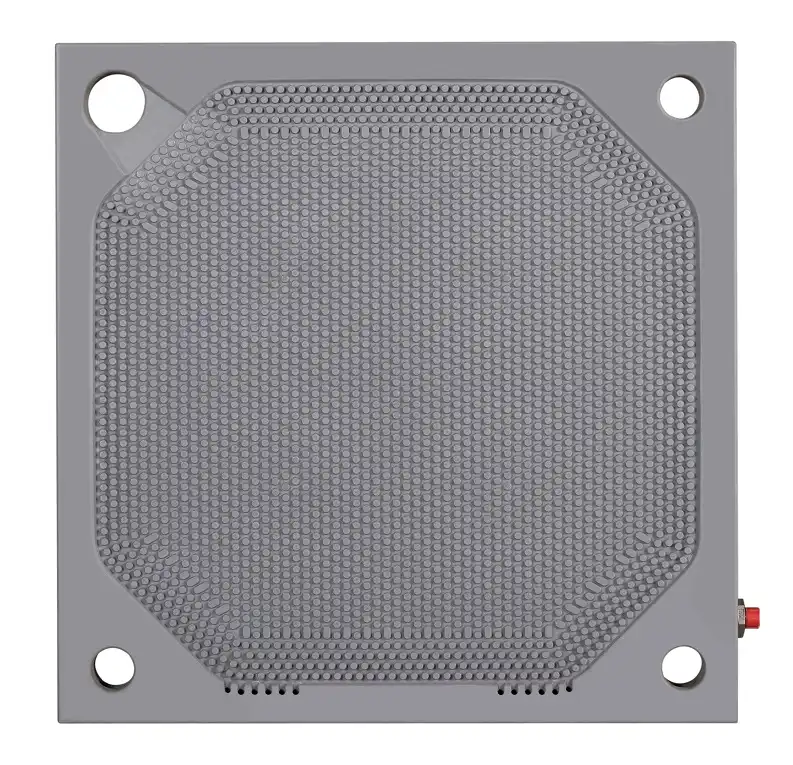
Instead of traditional cast iron, modern filter plates are made of high-pressure injection-molded polypropylene (PP), which doesn't rust at pH levels from 1 to 14. This choice of material adds three to five years to the service life in harsh chemical conditions where metal plates rust quickly. Up to 100°C, glass-fiber reinforced polypropylene (RPP) can handle high temperatures and keep its shape, while regular polypropylene would soften. The lower weight—about 75% lighter than steel equivalents—reduces the need for hydraulic power and makes automatic plate-shifting systems easier to use.
Advantages Over Alternative Technologies
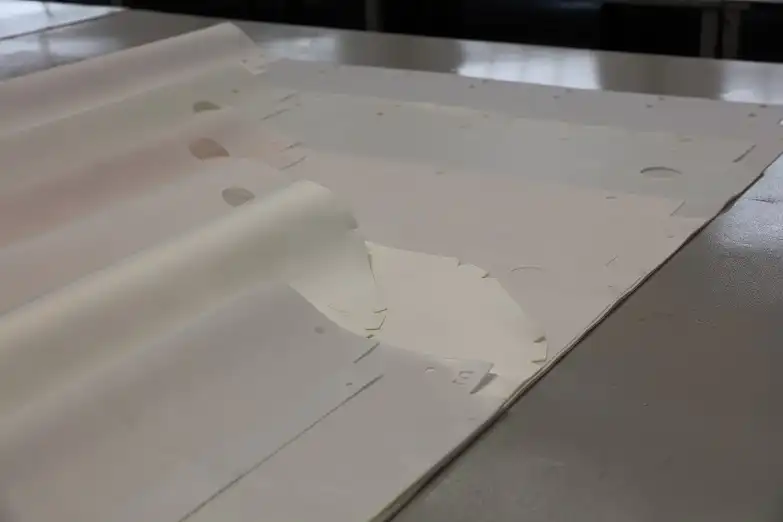
The standard plate and frame filter press design is better at working with ultra-fine filtration media like filter paper than recessed chamber or membrane presses. Modern recessed designs combine plates and frames into a single unit to speed up cycle times. However, the modular plate-and-frame method works best when process variability calls for frequent media changes. The technology makes it possible for filtrate clarity to be below 50 NTU and cake dryness to be above 65% solids content. These are standards that directly lower the costs of transporting and getting rid of industrial sludge.
Key Challenges and Optimization Goals in Design Calculations
Common Design Pitfalls
Underestimating the filter area is still the most common mistake, which happens when people make too many positive assumptions about the properties of the slurry. When the real solids concentration or particle size distribution is not the same as what was planned, cycle times get much longer and output drops by 30 to 50 percent. Ignoring changes in temperature causes normal PP plates to bend, which causes seals to fail early and spray to leak between chambers. People often make the mistake of choosing the hydraulic clamping force without thinking about the highest working pressure. This weakens the seal and lets solids get around the filtration zones.
Critical Performance Metrics
When deciding if a design is good enough, procurement teams should look at four main signs. The cycle time includes the stages of filling, pressing, dewatering, and cake release. Depending on the solids concentration, optimized systems finish cycles in 90 to 180 minutes. To keep things from getting stuck, upstream output rates must match throughput capacity, which is measured in cubic meters handled per hour. The cost of removal is directly related to how dry the cake is—a 5% drop in moisture content can cut shipping costs by 15-20%. Energy efficiency, which is measured in kilowatt-hours per cubic meter filtered, shows how to lower running costs by managing pressure and making sure pumps work better.
Impact on Operational Reliability
Plates that aren't thought to last as long as they should require unplanned repair, which messes up production plans and lowers profits. When feed distribution lines get clogged, cakes don't form evenly. This creates unequal pressure that bends plates and tears filter cloths before they should. These problems lead to higher costs for consumables and less system uptime. These problems can be avoided by using accurate design estimates that include safe levels of abrasion resistance, chemical compatibility, and thermal cycles that are based on the specific conditions at the site instead of general laboratory data.
Strategies to Optimize Design Calculations for Increased Productivity
Structural Analysis and Material Selection
The right choice of plate thickness strikes a balance between mechanical strength and filtering efficiency. Although thicker plates (50–60 mm) can handle higher closing pressures and won't warp in high-temperature situations, they also limit the number of chambers that can fit within a given frame length, which lowers the total filter area. To make sure plates stay flat within a ±0.5mm range, engineers must use finite element analysis to figure out how much they bend under the highest hydraulic load. You can choose materials that are more than just resistant to rust. For example, abrasive slurries with silica or mineral concentrates need wear-resistant coats on the drainage surfaces to keep the channels from getting clogged, which, over time, lowers the permeability.
Dimension Optimization for Maximum Throughput
When figuring out the filtration area, you should use real material loading rates instead of theoretical ones. It is standard in the business to add a 1.5 safety factor to laboratory tests of filterability to take into account changes in viscosity and temperature. The chamber volume needs to be big enough to fit the expected cake thickness while still leaving enough space for the whole thing to fill up. Chambers that aren't full enough leave gaps that make dehydration less even. The best plate count strikes a mix between the cost of capital investment and the freedom of operations. Modular designs that let you add 20–30% more plates to increase capacity offer cost-effective ways to grow as production increases.
Hydraulic System Considerations
Both productivity and energy use are directly affected by operating pressure. Higher pressures speed up the draining process, but they also make the membranes wear out faster and need more hydraulic power. Pilot tests should be done to find the point at which increasing the pressure has less and less of an effect on making the cake dry. Automatic ramp-up profiles in pressure control systems keep the cloth from getting damaged during the first stages of cake formation and help it stick together as much as possible during the final stages of drying. When hydraulic pistons are the right size, they keep the clamping force the same across the whole plate pack. This stops edge leaking, which lowers the quality of the filtrate and makes cleaning harder.
Filtration Media and Surface Engineering
When choosing the right filter cloth, consulting plate and frame filter press manufacturers first helps you weigh how well it keeps particles in against how well it lets them pass through and lets them out. Monofilament polypropylene fabrics are great for getting sticky sludges off of cakes, while multifilament polyester fabrics are better suited for small chemical uses. The shape of the plate's surface has a big effect on how well it cleans. CNC-milled drainage lines with a depth of 3–5 mm keep the flow rate steady even when small scales form. Some more advanced models have textured surfaces that make it easier for cakes to fall during automatic discharge processes, without any help from a person or high-pressure washing.
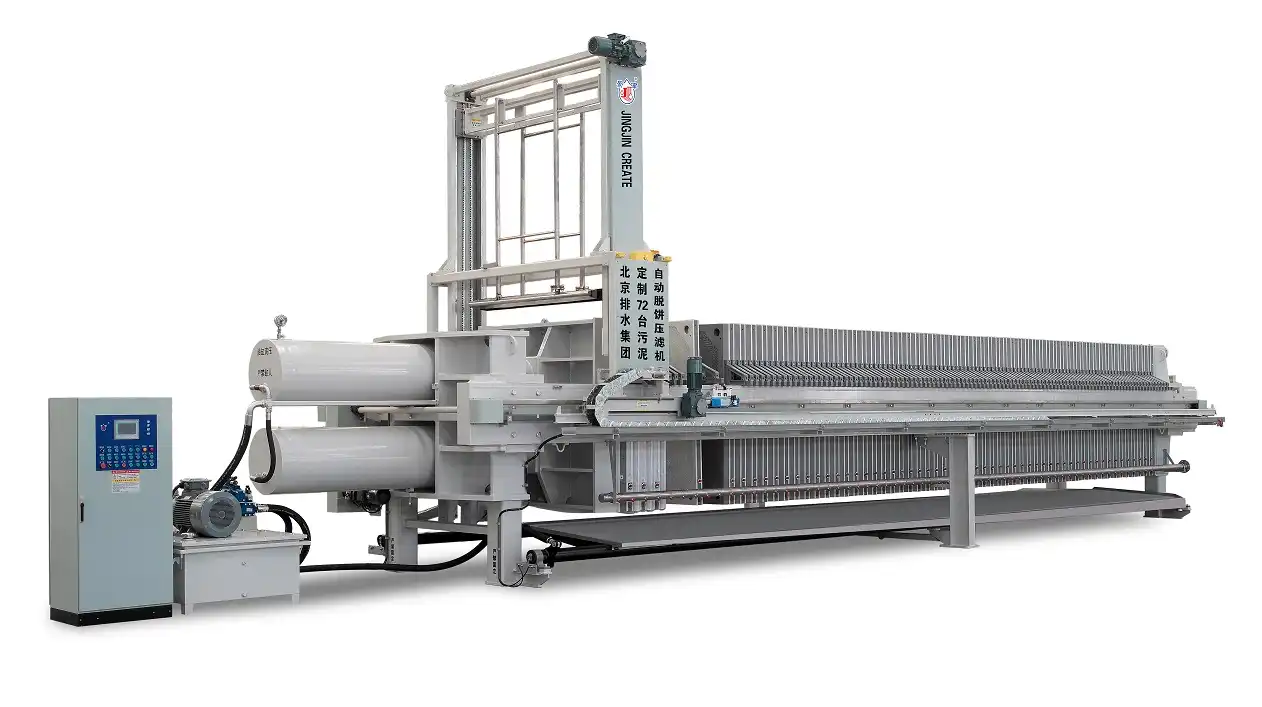
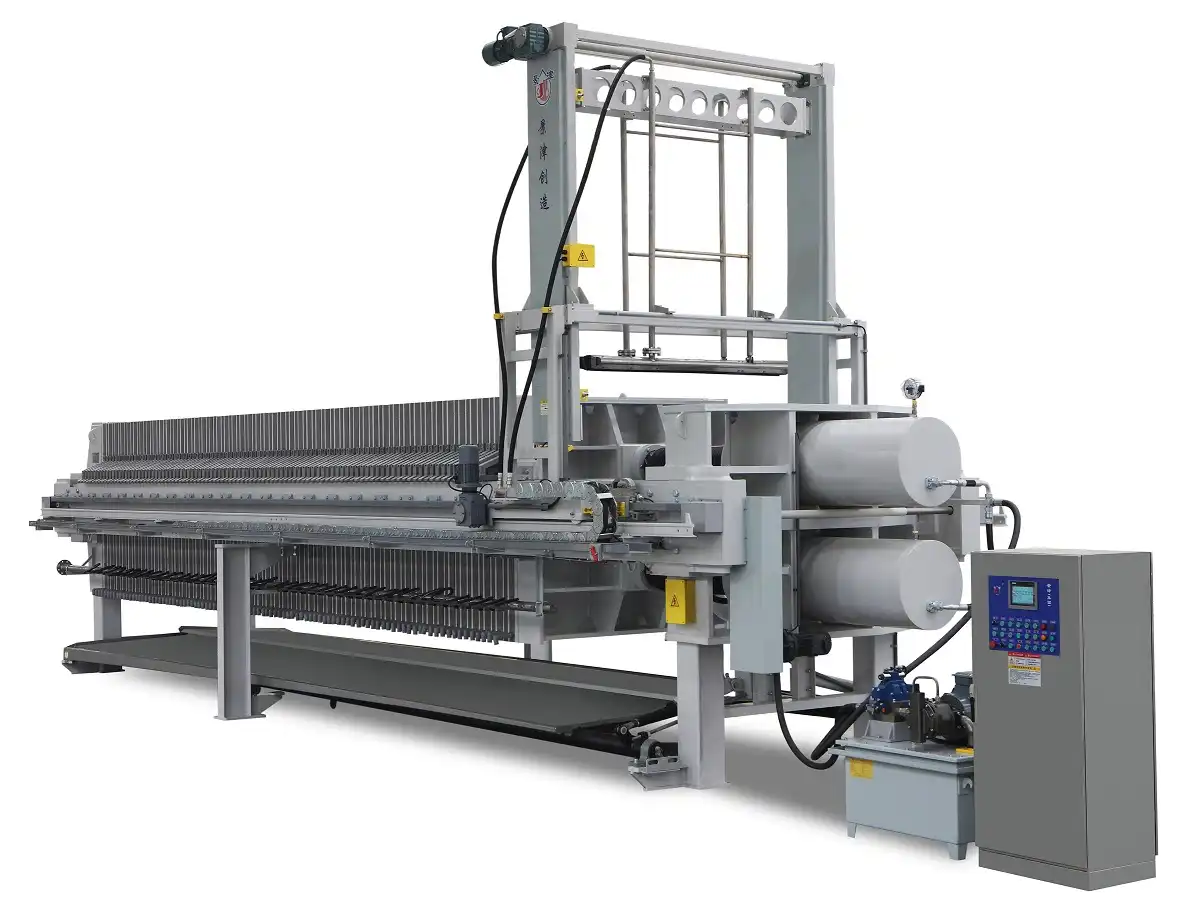
Adding automation is the most effective way to make current systems work better. Programmable logic controllers (PLC) regulate feed pumps, hydraulic systems, and plate-shifting devices so that mistakes made by people don't happen and cycle times are more stable. Monitoring the viscosity and flow rate of the filtrate in real time lets adaptive control algorithms change the pressure and cycle time based on the properties of the slurry. By getting rid of solids before they stain the fabric, automated cloth washing systems can make media last up to six months longer. When compared to human operations, these technologies usually increase productivity by 15 to 25 percent while lowering the amount of work that needs to be done by two-thirds.
Case Studies and Industry Examples
Municipal Wastewater Treatment Success
A regional sewer authority that handles 12 million gallons of wastewater every day had trouble with sludge having an average moisture content of 78%, which led to high costs for hauling and dumping fees. We found that their current system only worked at 60% of its best filtration area after looking over their design numbers again. Upgrading to a 20% bigger plate pack and retrofitting with high-efficiency PP plates with better drainage designs cut down on moisture to 68% while increasing throughput by 28%. The savings on dumping costs each year were more than $340,000, and the money was paid back in 18 months. The plant also got more time to comply with biosolids rules that are getting stricter.
Chemical Manufacturing Efficiency Gains
Long filtration cycles of more than four hours made it hard for a custom pigment maker to make enough pigments. This limited the number of batches they could make and their ability to make money. Analysis showed that the normal PP plates that came with their original tools were not up to the 95°C working temperature, which caused the plates to deform and the cake thickness to be uneven. Using glass-fiber reinforced RPP plates with a special sealing design made the structure more stable. Automated pressure boosting also cut down on cloth blindness at the same time. These changes shortened the cycle time to 135 minutes, which allowed an extra batch of output to be made each shift and brought in an extra $280,000 a year.
For these results to happen, procurement teams, process experts, and equipment sellers need to work together. Some things that all successful projects have in common: a full description of the slurry that includes testing for particle size distribution and compressibility; documentation of realistic operating conditions that includes temperature ranges and pH changes; and a willingness to spend money on pilot-scale validation before full deployment. Long-term, suppliers that offer full system design support, including flow modeling and optimizing spare parts inventory, are more valuable than cheap suppliers who don't have application knowledge.
Selecting the Right Plate and Frame Filter Press Supplier
Evaluation Criteria for B2B Procurement
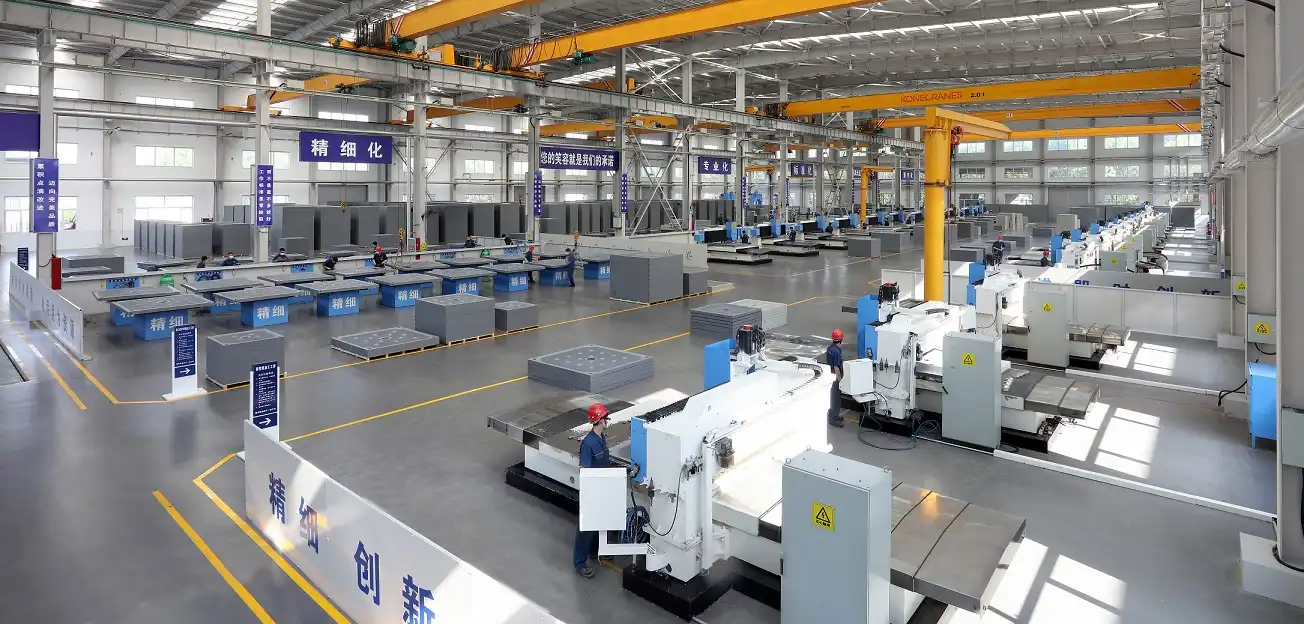
Certifications prove the standard of the production and the technical skills of the company. ISO 9001 certification makes sure that production methods are always the same, and approvals specific to the industry, like NSF/ANSI 61 for drinking water uses, make sure that materials are safe. Customization options set good sellers apart from great partners. Being able to change plate sizes, drainage patterns, and hydraulic specs lets you get the exact fit you need for your process. Delivery times affect project plans. Lead times can be cut from 16 to 20 weeks to 8 to 10 weeks if sellers keep a lot of product and store it in the United States.
After-sales support encompasses technical assistance, spare parts availability, and performance guarantees.
Technical help, availability of spare parts, and performance warranties are all parts of after-sales support. Reliable providers offer filtration performance guarantees that spell out the necessary level of dry cake and throughput under certain working conditions. When items need to be replaced, long periods of downtime can be avoided with comprehensive spare parts plans that ship within 24 to 48 hours. Training services that make sure your operations team knows how to do regular repairs will help you get the most out of your tools and your money.
Procurement Best Practices
Conclusion
If you improve the design formulas for your plate and frame filter press system, it goes from being an expensive but necessary expense to a strategic tool that cuts costs, raises compliance, and makes operations more flexible. When used consistently, the strategies described—precise material choice, dimension optimization, hydraulic system improvement, and automation integration—lead to measured increases in output. To be successful, you need to move beyond general requirements and toward solutions that are specifically designed to fit your process. When you work with experienced providers who offer expert support, tried-and-true technologies, and full lifecycle services, you can be sure that your investment will reach its full potential while minimizing technical and business risks in today's tough industrial environment.
FAQ
Q1: How often should filter plates be replaced?
PP filter plates usually last between five and seven years in normal situations if they are well taken care of, but this depends on how they are used. Chemicals that are harsh, slurries that are rough, and changes in temperature all speed up wear. By checking plates regularly for cracks, surface wear, and binding surface damage, you can find ones that need to be replaced before they fail. Keeping 10-15% of extra plates on hand keeps production from stopping when one or more plates need to be replaced.
Q2: What factors determine filtration cycle time?
The length of a cycle is affected by five main factors: the percentage of solids in the slurry, the particle's ability to be compressed, the working pressure, the filtration area, and the desired cake thickness. The pressing time is longer when there are more lumps (8–12% vs. 3–5%). When compared to hard mineral slurries, compressible sludges like biological wastewater solids need lower pressures and longer drying phases. Realistic output plans are set by optimizing these factors through pilot testing.
Q3: Can plate and frame filter presses handle customized applications?
The modular plate and frame filter press design makes it easy to make a lot of changes, like using different plate materials, drainage patterns, chamber levels, and filter media that are made for that particular purpose. For pharmaceutical uses, designs need to be clean and able to handle CIP, while mine sites need heavy-duty building and electrical systems that can't explode. Trustworthy makers work with customers to create solutions that meet the performance and regulatory needs of their business.
Partner With Jingjin for Optimized Filtration Solutions
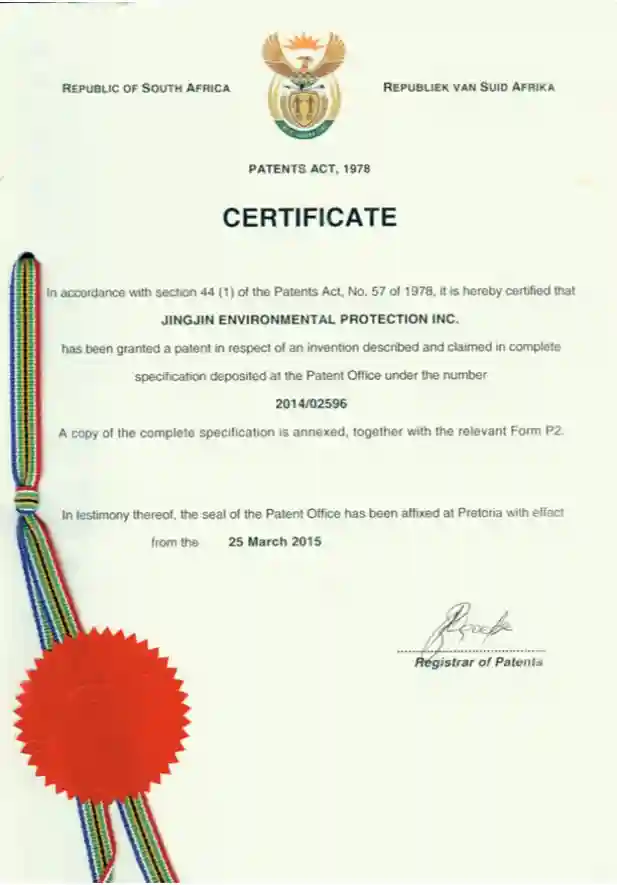
Achieving optimal dewatering performance demands more than equipment—it requires a partner with deep application expertise and proven technology. Since 1988, Jingjin Equipment Inc. has been helping customers in 123 countries. They have over 136 patents and can make a lot of products, so they can make plate and frame filter press systems that are specifically designed to meet your needs. Before putting the design into production, our technical team does a full slurry analysis and trial testing to make sure the figures are correct. This makes sure that your system meets throughput and cake dryness goals from the start.
If you need materials that won't rust when exposed to harsh chemicals, materials that can handle high temperatures for industrial processes, or full turnkey solutions with automation and controls, Jingjin has the full product ecosystem and global service network that procurement managers value. Email our applications engineering team at [email protected] to talk about your filtering needs and get a full performance quote from a well-known plate and frame filter press manufacturer.
References
1. Svarovsky, L. (2000). Solid-Liquid Separation, 4th Edition. Butterworth-Heinemann.
2. Rushton, A., Ward, A.S., and Holdich, R.G. (1996). Solid-Liquid Filtration and Separation Technology. Wiley-VCH.
3. Cheremisinoff, N.P. (1998). Liquid Filtration, 2nd Edition. Butterworth-Heinemann.
4. Tiller, F.M. and Yeh, C.S. (1987). "The Role of Porosity in Filtration: XII. Filtration with Sedimentation." AIChE Journal, 33(8), 1241-1256.
5. Tarleton, E.S. and Wakeman, R.J. (2007). Solid/Liquid Separation: Equipment Selection and Process Design. Elsevier Advanced Technology.
6. Wakeman, R.J. and Tarleton, E.S. (2005). Solid/Liquid Separation: Principles of Industrial Filtration. Elsevier Science.
jingjin
Founded in 1988, Jingjin specializes in filter presses and liquid-solid separation solutions, serving over 130 countries worldwide, and is a standard-setter in China's filter press industry.
Get the Filter Press guide
Enter Your Email for Technical assistance for the Filter Press.


Recommended Blog
Why Brazil Food Plants Import Multi Disk Screw Press from China?
2026-01-14 09:31:33
_1774493546478.webp)
What Is a Membrane Plate Filter Press and How Does It Work? A Complete Guide
2026-01-20 22:10:18
How Global EPC Firms Manage Filter Press Procurement in China?
2026-01-20 22:10:22
China Screw Dewatering Machines for Asia Infrastructure Projects
2026-01-20 22:14:50