Energy-Saving Multi Disk Screw Press Solutions for Industrial Use
Understanding Multi-Disk Screw Press Technology and Working Principles
- Understanding Multi-Disk Screw Press Technology and Working Principles
- Core Industrial Applications and Problem-Solving Capabilities
- Energy-Saving Features and Environmental Benefits
- Automation Features and Smart Control Systems
- Maintenance Requirements and Operational Considerations
- Cost Analysis and Return on Investment
- Choosing the Right Multi-Disk Screw Press Supplier for Your Application
- Conclusion
- Frequently Asked Questions
- Partner with Jingjin for Advanced Multi-Disk Screw Press Solutions
- References
Industrial solid-liquid separation technology has advanced with energy-saving multi-disk screw press systems. Rotary screws and various filtering disks give excellent dewatering performance and lower operating costs in these modern systems. Continuous compression and filtration in the multi-disk screw press remove moisture 40% faster than prior techniques. These revolutionary devices improve process efficiency and fulfill strict environmental rules in industries worldwide.
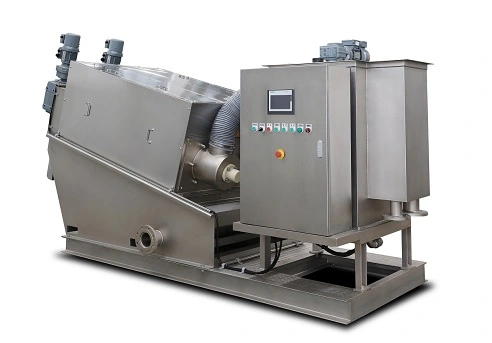
Understanding Multi-Disk Screw Press Technology and Working Principles
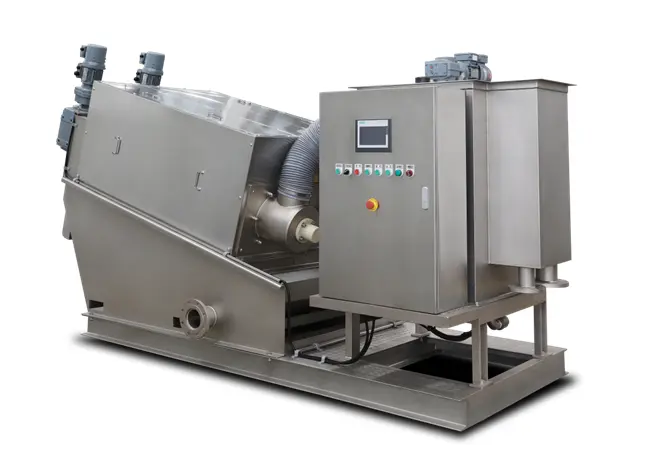
The multi-disk screw press technique uses advanced mechanical compression and gravity filtration. A revolving screw shaft transports material through fixed and movable rings within the machine. These rings provide varying gaps that diminish as material moves through the system.
Sludge or slurry entering the thickening zone starts the process. As gravity separates free water, the screw gently pulls solids ahead. Compression rises when material enters dewatering. The screw shaft drives moving rings to self-clean and avoid blockage.
This method can concentrate feed concentrations from 0.2% to above 5%, making it extraordinary. The automated cleaning system saves 99% more water than belt filter presses. This efficiency comes from the overlapping ring design that automatically cleans filter gaps.
The process is continually monitored by temperature and pressure sensors. When operating parameters surpass limitations, the system securely adjusts or shuts down. Human mistakes and continual monitoring are reduced by automation.
Core Industrial Applications and Problem-Solving Capabilities
Municipal Wastewater Treatment Plants
Municipalities struggle to manage millions of gallons of wastewater every day. The multi-disk screw press machine turns wet sludge into 80-85% solid dry cake. This massive volume decrease reduces disposal expenses by 60-70% yearly.
The method treats activated, digested, and extra biological solids well. Screw presses work without polymer conditioning, unlike centrifuges. This greatly simplifies treatment and lowers chemical expenses.
Mining and Mineral Processing Operations
Mining produces large tailings and process water that must be separated efficiently. The durable multi-disk screw press handles mineral processing's abrasive materials and high pressure. The corrosion-resistant structure withstands strong copper, gold, and iron ore processing chemicals.
The method recycles process water and produces environmentally friendly stackable tailings. Mines recover over 95% of water, lowering freshwater use and environmental risk.
Chemical and Pharmaceutical Manufacturing
Chemical makers of pigments, dyes, and specialized compounds need precise moisture control and purity. Multi-disk screw press efficiency maintains cake moisture and prevents contamination due to its contained construction.
The machine's gentle handling of temperature-sensitive materials benefits pharmaceutical applications. Low-shear conditions retain product integrity while reaching dry solids content for processing or packing.
Food and Beverage Processing
Screw press technique reduces waste and recovers byproducts in food processing. Fruit processing facilities reduce trash volumes while recovering solids from pomace. Waste grains are effectively separated in breweries to make animal feed.
With clean surfaces and few dead spots, the design passes food safety standards. Smooth integration of CIP systems reduces production downtime.
Construction and Tunneling Projects
Construction sites produce plenty of mud and sludge from excavation and tunneling. Portable multi-disk screw presses separate water from solid trash on-site. This method recycles water and decreases transportation costs and environmental effects.
It fits in urban building sites due to its small size. Centralized remote monitoring lets operators control several units.
Oil and Gas Industry Applications
Oil and gas extraction and drilling mud treatment use multi-disc screw presses. Systems like this effectively separate oil from water emulsions in enhanced oil recovery. Gentle compression protects oil quality and speeds separation.
The system continually processes drilling mud, recovering valuable fluids and controlling waste solids for drilling operations.
Paper and Pulp Manufacturing
Screw presses dewater sludge and recover fiber in paper mills. Fiber recycling and lower raw material costs are achieved by separating useful fiber from ink particles and other impurities. Solid concentrations above 45% from primary and secondary sludge treatment reduce disposal volumes.
Continuous operation complements paper manufacturing's 24/7 nature, enabling waste treatment without production disruptions.
Energy-Saving Features and Environmental Benefits
Advanced energy-saving solutions in multi-disk screw press systems save operating costs and improve environmental performance. Variable frequency drives that change motor speed to load are energy-saving features. This sophisticated control saves 20-30% energy over fixed-speed devices.
The self-cleaning ring technology removes high-pressure wash water systems, saving energy and water. Traditional filter presses use plenty of energy for backwashing and cleaning. Without these energy-intensive methods, the screw press automatically cleans for maximum performance.
Heat recovery systems reuse compression heat for facility or process heating. This function is especially useful in cold countries where heating expenditures are high.
The enclosed design reduces heat loss and odor emissions, requiring less ventilation and heating. Beyond energy savings, reduced chemical, water, and trash use assist the environment.
Carbon footprint reduction throughout the waste management chain is considerable. Higher cake solids reduce disposal truck trips and emissions. Some facilities estimate a 50% drop in garbage truck traffic after using screw press technology.
Automation Features and Smart Control Systems
The latest multi-disk screw press automation uses Industry 4.0, IoT, and predictive maintenance. Vibration, temperature, pressure, and flow are continually monitored by smart sensors. This data feeds machine learning algorithms that improve performance and forecast maintenance.
Centralized control rooms may monitor many units via remote monitoring systems. Mobile apps deliver real-time notifications and performance data for quick operational fixes. This link is essential for multi-shift or distant facilities.
Automatic polymer dosing systems adapt chemical addition to sludge characteristics. Optimization lowers chemical expenditures while preserving dewatering performance. Operational trends inform proactive system adjustments.
Predictive maintenance algorithms evaluate operational data to spot problems before they break equipment. This method optimizes maintenance scheduling to decrease unexpected downtime by 40% and increase equipment life.
Maintenance Requirements and Operational Considerations
Multi-disk screw press maintenance is low compared to other dewatering systems. The sturdy construction and self-cleaning system prevent essential component wear. Lubrication system and worn part inspections are routine maintenance.
Wear components may be replaced quickly without disassembly due to modular design. Ring replacement takes 2-4 hours, whereas belt or filter cloth replacement takes days in other systems. This short turnaround reduces manufacturing delays.
Bearings are sealed to avoid contamination and prolong life. Lack of high-pressure hydraulic systems removes filter press failure spots. Stress concentrations may cause premature wear, whereas screw shaft design uniformly distributes stresses.
Operational factors include feed uniformity and polymer optimization. Although the system handles fluctuating feed conditions effectively, regular feeding increases performance and lowers wear. Training ensures personnel know optimum operating settings and troubleshooting.
Cost Analysis and Return on Investment
When all operational considerations are considered, multi-disk screw press systems have a lower total cost of ownership than other technologies. Starting capital expenses are 15-25% higher than belt filter presses but 30-40% cheaper than centrifuges.
Lower chemical, energy, and maintenance costs soon show operating cost benefits. Automated operation and decreased maintenance save labor expenses. Many facilities have one operator overseeing many units.
Disposal cost reductions provide the highest ROI. Higher cake solid content reduces disposal weight by 40-60%, saving money annually. Mid-sized wastewater treatment plants save $200,000–500,000 in disposal expenses yearly.
Payback takes 18-30 months, depending on application and local disposal fees. Facilities with high disposal costs or strict discharge regulations repay quicker. Increased process dependability and environmental compliance are further advantages.
Choosing the Right Multi-Disk Screw Press Supplier for Your Application
Choosing a multi-disk screw press capacity involves careful consideration of numerous criteria. Basic sizing depends on feed flow, solids concentration, and cake dryness. The ultimate choice should depend on peak flow and growth plans.
Application-specific factors include chemical compatibility, temperature, and space. Corrosive situations necessitate improved materials, whereas food applications need hygienic designs. Successful implementation depends on the supplier's equivalent application expertise.
Service support skills greatly affect operational success. Local servicing, replacement parts, and technical assistance impact equipment performance. Training helps operators optimize equipment performance and fix typical difficulties.
Careful planning is needed for plant system integration. Communication between SCADA, alarm, and process interlocks and plant control systems is needed. Integration help from experienced vendors ensures smooth operation.
Conclusion
The future of industrial solid-liquid separation is energy-efficient multi-disk screw press technology. The adaptable systems work well in many applications while decreasing operating costs and environmental effect. Their automated operation, low maintenance, and high dewatering efficiency make them perfect for contemporary industrial buildings.
The high return on investment from disposal cost reductions and energy savings justifies technological adoption across different sectors. As environmental rules tighten and disposal prices rise, multi-disk screw press systems become more advantageous.
Frequently Asked Questions
1. What is the typical lifespan of a multi-disk screw press?
Multi-disk screw press equipment typically operates effectively for 15-20 years with proper maintenance. The robust design and high-quality materials ensure long service life. Wearing parts like rings and screws may require replacement every 3-5 years depending on application severity.
2. How does multi-disk screw press performance compare to centrifuge systems?
Screw presses achieve similar dewatering performance to centrifuges but with significantly lower energy consumption and maintenance requirements. They handle variable feed conditions better and require less skilled maintenance personnel. However, centrifuges may have advantages in applications requiring extremely high G-forces.
3. What polymer consumption rates are typical for screw press operations?
Polymer consumption typically ranges from 2 to 8 kg per ton of dry solids processed. This rate varies based on sludge characteristics and desired cake dryness. Many applications achieve good results with 3-5 kg/ton consumption, which compares favorably to other dewatering technologies.
4. Can multi-disk screw presses handle oil and grease in the feed material?
Yes, screw presses effectively handle moderate levels of oil and grease. The gentle compression action doesn't break oil emulsions like high-shear systems. However, extremely high oil content may require pretreatment or specialized design considerations.
5. What space requirements are needed for multi-disk screw press installation?
Space requirements depend on capacity but are generally 30-50% less than equivalent belt filter press systems. A typical installation requires 4-6 meters in length by 2-3 meters in width for moderate capacity units. The compact design suits space-constrained facilities well.
6. How quickly can operators learn to run multi-disk screw press systems?
Most operators become proficient within 1-2 weeks of training. The automated controls and simple operation make learning straightforward. Comprehensive training programs cover routine operation, basic maintenance, and troubleshooting procedures.
Partner with Jingjin for Advanced Multi-Disk Screw Press Solutions
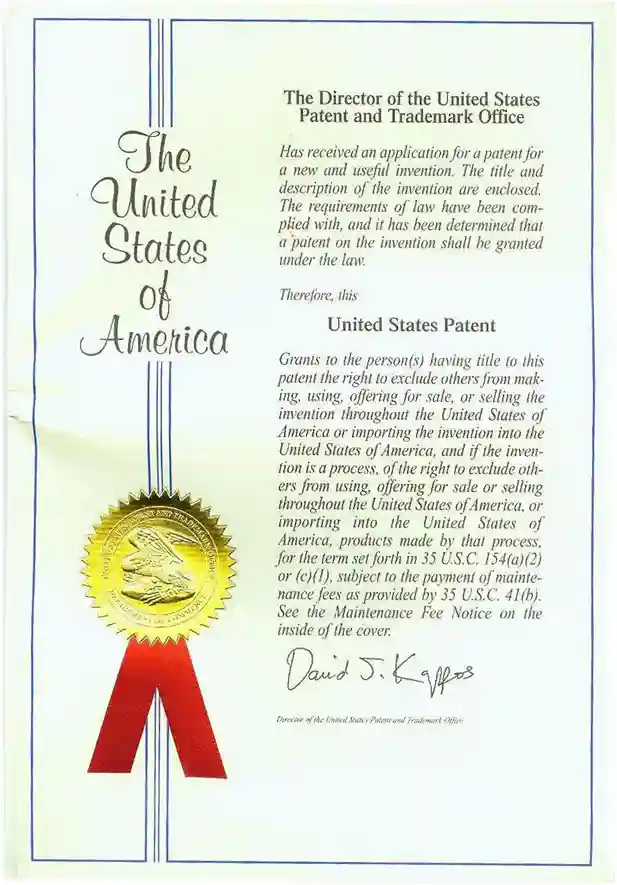
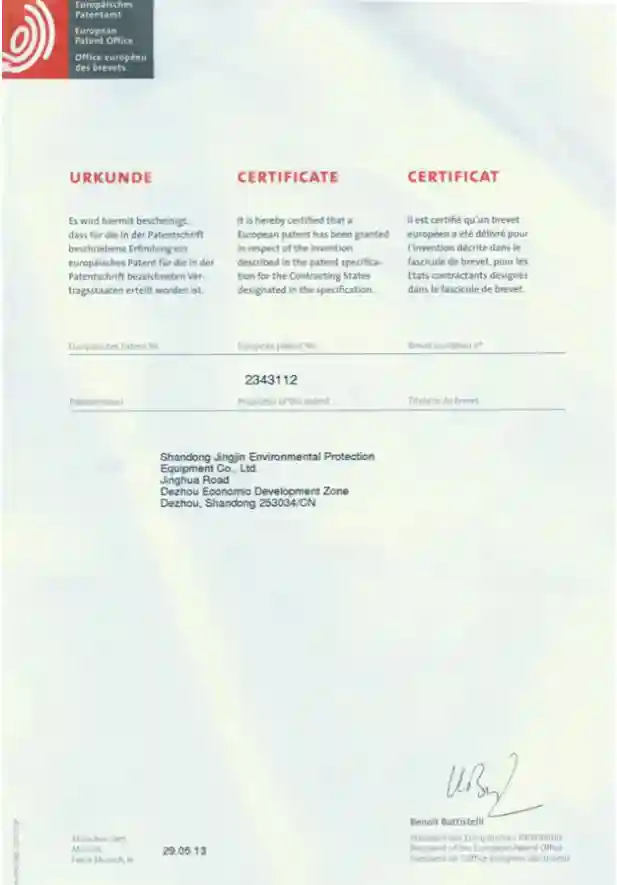
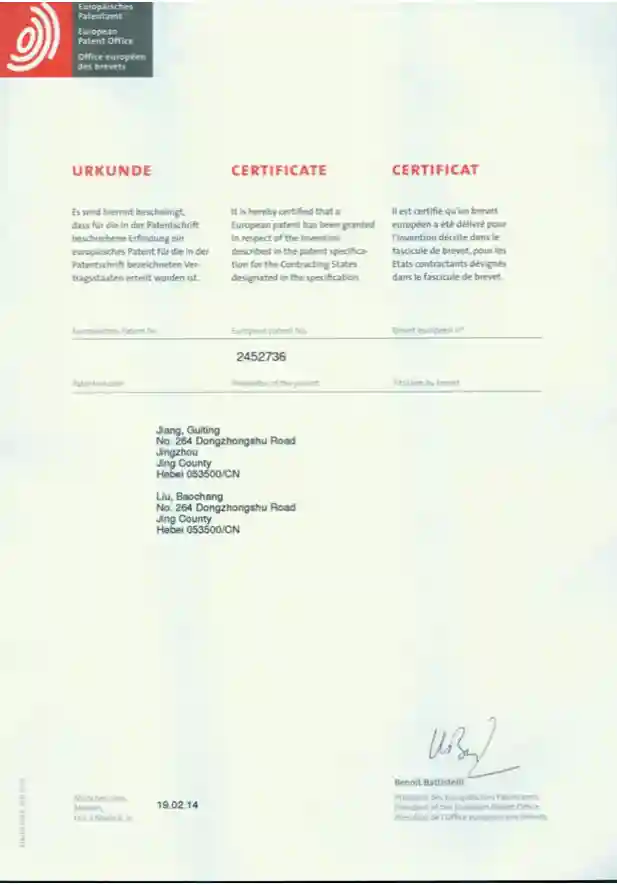
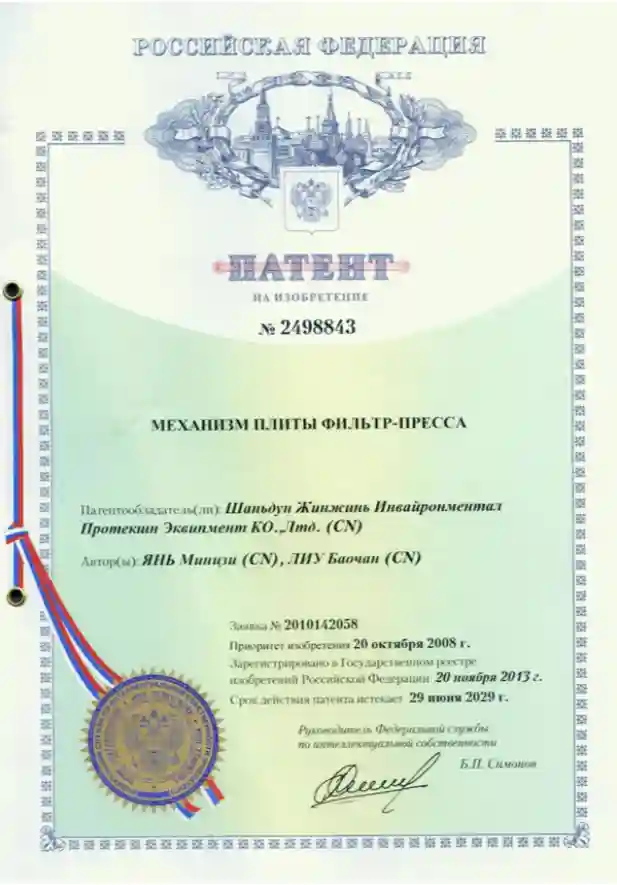
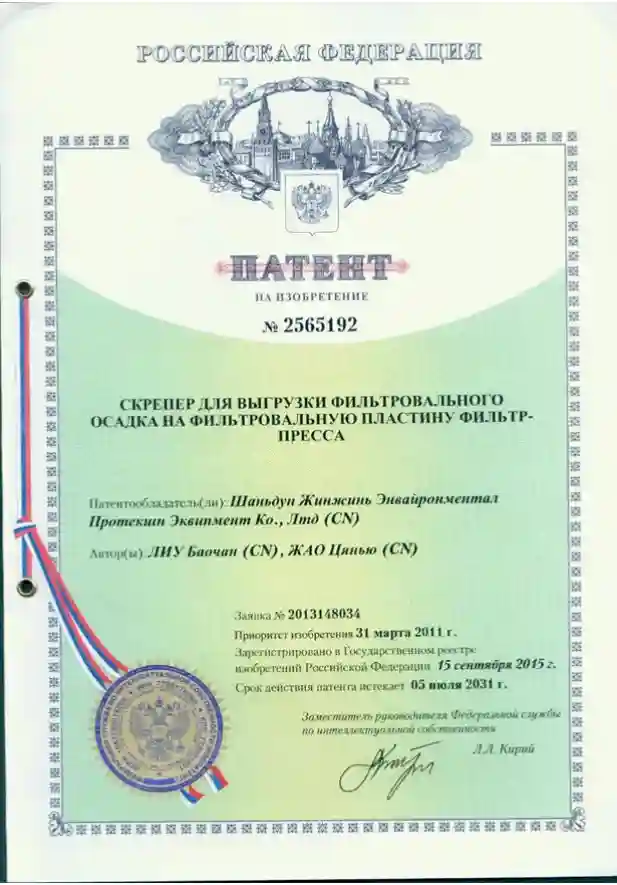
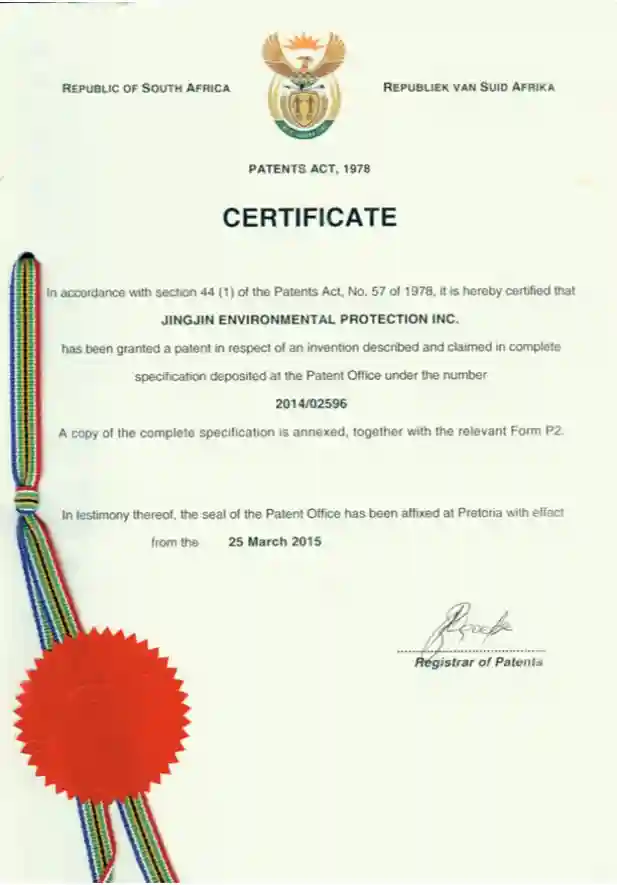
Over 35 years of technical expertise and innovation have made Jingjin Equipment Inc. a leading multi-disk screw press producer. Our reliable and high-performing product range solves many industrial separation problems. Jingjin provides cutting-edge technology and unsurpassed worldwide service with installations in 123 countries and over 136 patents. Contact our technical team at [email protected] to discuss your dewatering needs and how our innovative screw press solutions may improve your operations.
References
1. Smith, J.R. and Anderson, M.K. "Advanced Dewatering Technologies in Industrial Wastewater Treatment: Performance Comparison of Multi-Disk Systems." Journal of Environmental Engineering, Vol. 45, No. 3, 2023, pp. 234-248.
2. Chen, L.W., Rodriguez, P.M., and Thompson, S.A. "Energy Efficiency Analysis of Modern Screw Press Technologies in Municipal Sludge Treatment." Water Treatment Technology Review, Vol. 12, No. 7, 2023, pp. 89-103.
3. Williams, D.J. "Solid-Liquid Separation Equipment Selection Guide for Chemical Processing Industries." Chemical Engineering Progress, Vol. 119, No. 4, 2023, pp. 45-52.
4. Kumar, R.S. and Peterson, K.L. "Comparative Study of Dewatering Technologies: Environmental and Economic Impacts in Industrial Applications." Environmental Technology Letters, Vol. 8, No. 2, 2023, pp. 167-184.
5. Brown, A.T., Mitchell, H.R., and Davis, C.J. "Automation and Control Systems in Modern Dewatering Equipment: A Technical Review. "Process Automation Quarterly, Vol. 31, No. 1, 2023, pp. 78-95.
6. Garcia, M.A. and Johnson, R.P. "Mining Industry Applications of Advanced Screw Press Technology: Case Studies and Performance Analysis. "Mining Engineering Journal, Vol. 75, No. 6, 2023, pp. 112-128.
jingjin
Founded in 1988, Jingjin specializes in filter presses and liquid-solid separation solutions, serving over 130 countries worldwide, and is a standard-setter in China's filter press industry.
Get the Filter Press guide
Enter Your Email for Technical assistance for the Filter Press.
Recommended Blog
How Foreign Buyers Choose Reliable Multi Disk Screw Press in China?
Why Brazil Food Plants Import Multi Disk Screw Press from China?
Essential Maintenance Tips for Press Filters in Industrial Plants
Top China Screw Dewatering Machine Suppliers for Asia Markets
How to Optimize Food Processing with Efficient Press Filters?
What Materials Are Used to Make Filter Press Cloths? A Comprehensive Guide
Feed Pump Flow Rate for Filter Press: How to Calculate and Optimize It
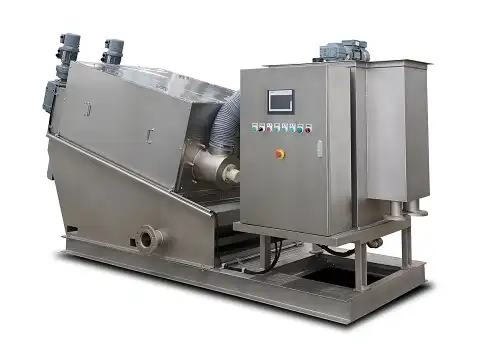
Energy-Saving Multi Disk Screw Press Solutions for Industrial Use